Your logo placement and printing method matter more than most new activewear brands realize. The same logo printed five different ways will look — and last — five different ways. Get the method wrong and your $25 leggings will look like $8 leggings after 20 washes. This guide compares the five real options used in activewear production today, with the cost, MOQ, durability, and use case for each one.
Quick Comparison Table
| Method | Cost / Unit | MOQ | Durabilidad | Ideal para |
|---|---|---|---|---|
| Heat Transfer (HTV) | $0.30–0.80 | 50 pcs | 50–100 washes | Small logos, low MOQ launches |
| Silicone 3D Heat Transfer | $0.80–1.80 | 100 pcs | 100–200 washes | Premium feel, sportswear branding |
| Estampado sublimado | $1.50–4.00 | 200 pcs | Permanent (fades with fabric) | All-over prints, polyester only |
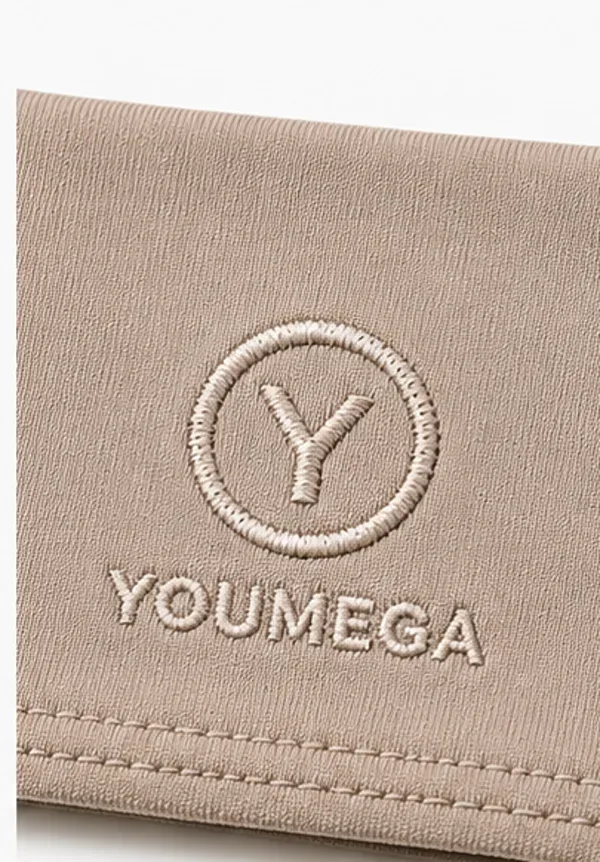
| Bordado | $0.80–2.50 | 50 pcs | 200+ washes | Sweatshirts, jackets, hats |
| Screen Print | $0.40–1.20 | 100 pcs | 50–80 washes | Cotton blends, large logos |
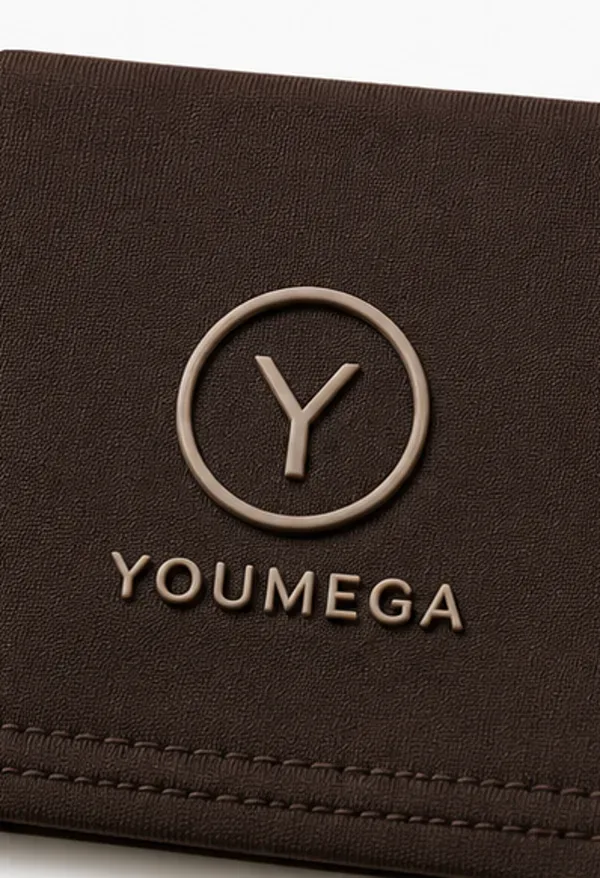
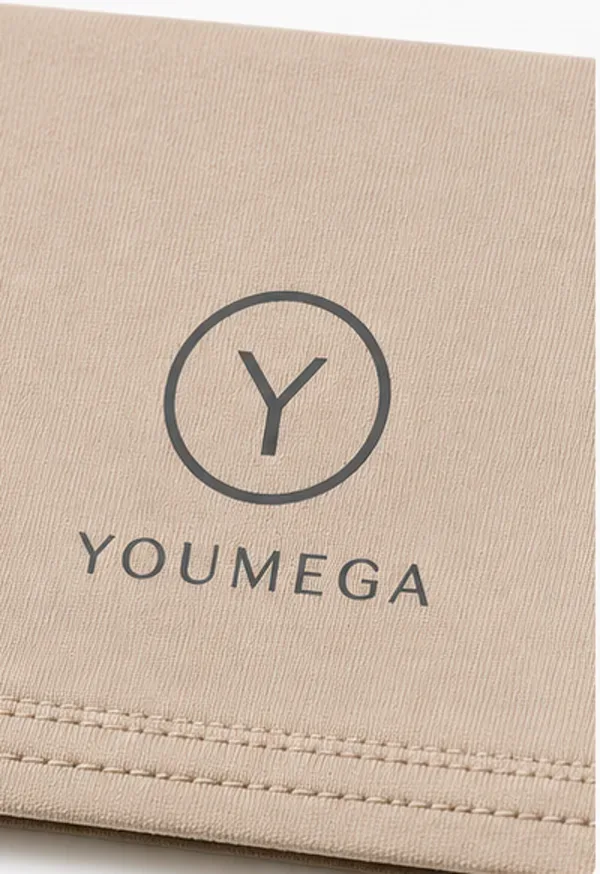
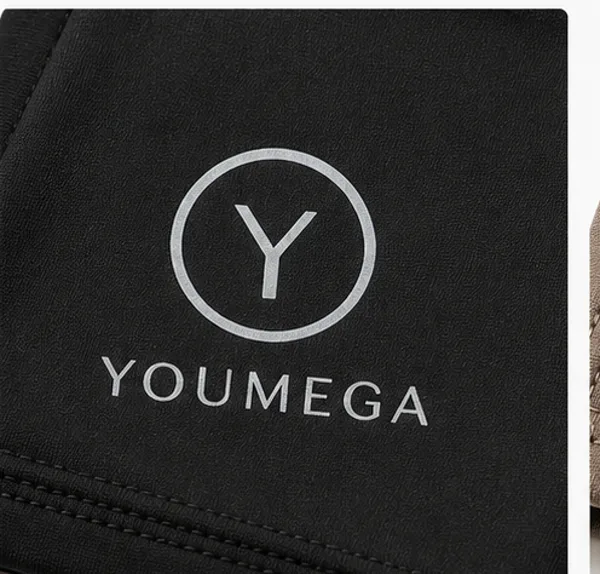
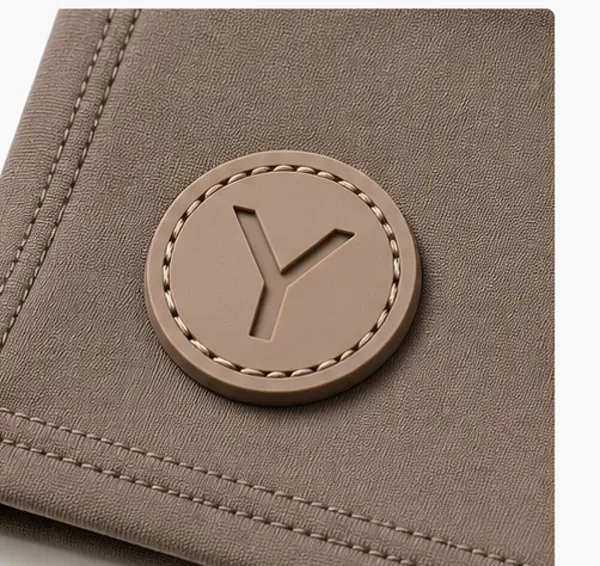
Below we break down each method in detail with real activewear use cases.
Method 1: Heat Transfer Vinyl (HTV)
Heat transfer vinyl is the most common logo method for new activewear brands. A vinyl logo is cut to shape, weeded, and heat-pressed onto the fabric at around 150°C for 12–15 seconds. The result is a flat, slightly raised logo that bonds to the garment surface.
Pros: Low MOQ (50 pieces or less), low setup cost, works on most fabrics, full color reproduction with printed vinyl. Lead time is fast — most factories complete HTV application in 2–3 days.
Cons: Durability is the weak point. HTV typically lasts 50–100 wash cycles before edges start peeling. On high-stretch fabrics like 4-way nylon-spandex, the vinyl can crack along stretch lines after heavy use. The logo feels different from the fabric — your customer will feel it when worn.
Cost in 2026: $0.30–0.80 per unit for logos under 10×10 cm, depending on color complexity. Multi-color logos (3+ colors) cost more because each color is a separate vinyl layer.
When to use: First-run testing, small logos (chest, sleeve, back-neck), brands with under 200-piece runs. Avoid for sports bras and leggings where the logo sits on high-stretch areas.
Method 2: Silicone 3D Heat Transfer
Silicone 3D transfer is what most premium athletic brands use for visible logos. A silicone-based ink is printed onto a release paper, then transferred to the fabric with high heat and pressure. The result is a soft, raised, rubber-like logo that sits on top of the fabric without cracking on stretch.
Pros: Excellent durability (100–200 washes), retains shape on 4-way stretch, premium tactile feel, doesn’t peel at edges. Modern silicone formulations stay flexible after washing and don’t yellow. This is what brands like Gymshark, Alphalete, and Nike use for most performance logos.
Cons: Higher cost and MOQ. Setup involves a custom silicone mold for each logo design, which adds $80–150 one-time fee. Color matching is more limited than vinyl — Pantone matching is possible but adds 7–10 days for color mixing.
Cost in 2026: $0.80–1.80 per unit for standard logos, plus $80–150 mold fee. The mold lasts for ~50,000 applications, so on repeat orders the per-unit cost drops to the lower end.
When to use: Brands positioning above $20 retail price, sports bra and legging logos on high-stretch zones, any brand wanting a “feels expensive” tactile signal. We recommend this method to most YOUMEGA clients moving past their first order.
Method 3: Sublimation Print
Sublimation is the only method that prints the design into the fabric rather than onto it. Polyester fabric is heat-pressed against transfer paper at around 200°C, where solid dye sublimates into gas and bonds permanently with the polyester fibers. The result is a print with zero hand-feel — you literally cannot feel the design.
For the polyester print route in this comparison, read why all-over sublimation needs polyester.
Pros: Permanent (the print fades only when the fabric itself fades), no texture, allows all-over and edge-to-edge printing. Photo-quality images and gradients are possible. No durability concerns from washing or stretching.
Cons: Polyester only — won’t work on nylon, cotton, or wool blends. Color choice is limited on dark fabrics (sublimation can’t print white or light colors on dark bases). Each unique print design needs its own setup, so it’s expensive for small logos compared to HTV.
Cost in 2026: Small logos: $1.50–2.50. Full-garment all-over print: $3.00–5.00 per unit. Higher MOQ (typically 200+ pieces) because sublimation paper printing has its own minimum batch size.
When to use: All-over patterned leggings, sublimated cycling jerseys, swimwear with full-coverage prints, any polyester-based product where you want zero hand-feel. Not suitable for nylon-dominant activewear (most leggings).
Method 4: Embroidery
Embroidery uses thread stitched directly into the fabric in your logo pattern. It’s the oldest method on this list and still the most durable — embroidered logos routinely outlast the garment itself.
Pros: Maximum durability (200+ washes without degradation), premium perceived value, no chemicals or adhesives that can fail. Works on most fabrics including knits, woven, and fleece.
Cons: Adds noticeable weight and thickness to the logo area, can pucker on lightweight stretch fabrics like 220 GSM leggings. Tight design details (text below 5mm height, fine line work) are difficult or impossible to embroider clean. Setup involves digitizing the logo into stitch instructions, which is a one-time $40–80 fee per design.
Cost in 2026: Small logos (under 10cm): $0.80–1.50. Medium chest logos: $1.50–2.50. Large back logos: $2.00–4.00 per unit. Cost scales with stitch count, not just logo dimensions.
When to use: Hoodies, fleece jackets, hats, training jackets, gym towels. Avoid for high-stretch areas of leggings and sports bras unless the logo is small and on a structured panel (waistband, back-yoke).
Method 5: Screen Print
Screen printing uses a mesh stencil to apply ink directly onto the fabric, one color at a time. It’s the dominant method for t-shirts and cotton sweatshirts and works on activewear cotton blends, but has limitations on stretch synthetics.
Pros: Lowest per-unit cost at scale, vibrant colors, large coverage area possible, doesn’t add texture beyond a thin ink layer. Excellent for cotton-based products.
Cons: Limited stretch — standard plastisol ink cracks on 4-way stretch fabrics after repeated wear. Setup cost increases per color (each color = one screen, around $40–80 per screen), so multi-color logos get expensive at low volumes. Modern water-based and stretchable inks address some limitations but cost 20–40% more.
Cost in 2026: 1-color screen print: $0.40–0.80 per unit. 3-color: $0.80–1.20. Plus $40–80 per color in screen setup.
When to use: Cotton hoodies, cotton-blend t-shirts, training shirts, gym towels, brand merchandise. Mostly avoid for stretchy performance leggings and sports bras unless using specialized stretch ink (and even then, expect 50–80 wash durability).
Evidence to request before approving a logo method
Use a method name as the start of the test plan, not as proof of durability. The AATCC standards catalogue identifies the relevant textile test methods; its colorfastness training module covers wash, rubbing, perspiration and light exposures; and AATCC standard laundering resources provide controlled washing conditions. For a buyer, the useful evidence is a report tied to the exact fabric, ink or transfer, cure settings and agreed laundering sequence—not a generic supplier swatch.
How to Choose: Decision Framework
The right method depends on three variables: fabric type, logo location, and brand price point.
Fabric drives the method:
- Pure polyester → Sublimation or silicone 3D
- Nylon-spandex (most leggings) → Silicone 3D or HTV
- Polyester-spandex performance → Silicone 3D, HTV, or sublimation
- Cotton-blend → Screen print or embroidery
- Fleece / French terry → Embroidery
Logo location drives durability requirements:
- High-stretch zones (legging thigh, sports bra band) → Silicone 3D only
- Low-stretch zones (back-neck, sleeve, waistband) → Any method
- All-over coverage → Sublimation only
- Heavy-friction zones (hood, cuff) → Embroidery
Price point drives method scaling:
- Below $15 retail → HTV or screen print (cost-driven)
- $15–30 retail → Silicone 3D or sublimation (the standard performance band)
- $30+ retail → Silicone 3D, embroidery, or sublimation with premium ink quality
What We Recommend at YOUMEGA
For most first-time activewear brands launching at $20–35 retail, we recommend silicone 3D heat transfer as the default logo method. It clears the durability bar for activewear (no cracking on stretch), feels premium in hand, and the per-unit cost is reasonable above 100 pieces.
For brands with very tight launch budgets (under $5 logo budget per unit), HTV is the honest fallback — just place the logo on a low-stretch area (back-neck or waistband interior) so durability isn’t compromised by stretch fatigue.
For technical performance lines (cycling, swimming, running), Sublimación usually wins because the zero-hand-feel matters more than versatility.
The same logo on the same brand often uses different methods in different placements: silicone 3D on the visible chest logo, subl
For a color-risk check after choosing the application method, read why a logo changes color after washing.
imation on the waistband interior tag, and embroidery on the hoodie variant. We help YOUMEGA clients work through this method-mix during the sample stage so each placement gets the right method.Frequently Asked Questions
Which logo method lasts longest on activewear?
Bordado lasts longest (200+ washes) but isn’t suitable for high-stretch zones. For stretch areas like leggings and sports bras, silicone 3D heat transfer is the most durable option (100–200 washes). Sublimation is technically permanent but only works on polyester.
Can I mix logo methods on one garment?
Yes, and most premium brands do. A typical leggings setup: silicone 3D logo on the back waistband (visible, high-stretch ok), sublimation interior tag (replaces sewn-in label), and a small heat transfer woven label on the side seam. Each method serves its placement.
What’s the cheapest logo method for low MOQ orders?
Heat transfer vinyl (HTV) at $0.30–0.80 per unit with MOQ as low as 50 pieces. Setup is fast and the per-unit cost is the lowest of any custom method. Trade-off: durability is 50–100 washes vs 100–200 for silicone 3D.
Why does silicone 3D cost so much more than HTV?
Silicone 3D requires a custom mold made specifically for your logo (one-time $80–150), uses more expensive silicone ink, and the application process needs higher heat and pressure. The trade-off is roughly 2x the durability and a much more premium hand-feel — usually worth it for visible brand logos.
Does sublimation work on dark colored activewear?
Limited. Sublimation prints can only add darker colors on top of lighter fabric — you can’t print white or light colors on a dark base. For dark fabric with light logo elements, you need either silicone 3D, HTV, or a “block” sublimation print where the design includes a printed light background.
About YOUMEGA
YOUMEGA (Xiamen Mega Garment Co., Ltd.) is a private-label and OEM activewear manufacturer based in Xiamen, China. We offer all five logo methods in-house and help 200+ brands choose the right method for each garment in their line. Sample logo applications across all methods cost $30–60 per piece, fully refundable against your first bulk order.
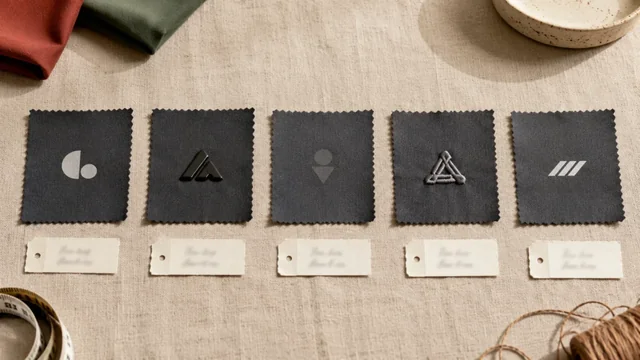
If you’re unsure which logo method fits your brand position and product mix, send us your logo file and three sample garments — we’ll send back swatches with all five methods applied so you can compare them in hand before locking your production spec.
Buyer FAQ
Which logo method lasts longest on activewear?
Embroidery lasts longest at 200+ washes but isn’t suitable for high-stretch zones. For stretch areas like leggings and sports bras, silicone 3D heat transfer is the most durable option at 100-200 washes. Sublimation is technically permanent but only works on polyester.
Can I mix logo methods on one garment?
Yes, and most premium brands do. A typical leggings setup uses silicone 3D logo on back waistband, sublimation interior tag replacing sewn-in label, and small heat transfer woven label on side seam.
What’s the cheapest logo method for low MOQ orders?
Heat transfer vinyl (HTV) at $0.30-0.80 per unit with MOQ as low as 50 pieces. Setup is fast and per-unit cost is lowest. Trade-off: durability is 50-100 washes vs 100-200 for silicone 3D.
Why does silicone 3D cost so much more than HTV?
Silicone 3D requires a custom mold made specifically for your logo (one-time $80-150), uses more expensive silicone ink, and the application process needs higher heat and pressure. The trade-off is roughly 2x the durability and a much more premium hand-feel.
Does sublimation work on dark colored activewear?
Limited. Sublimation can only add darker colors on top of lighter fabric. You cannot print white or light colors on a dark base. For dark fabric with light logo elements, you need silicone 3D, HTV, or a block sublimation print with printed light background.