Importing Activewear From China: Duties, Incoterms & Lead Times
Short answer: Importing activewear from China comes down to three things: agreeing the Incoterm (who pays which shipping leg), budgeting your landed cost (factory price + freight + duties), and requiring the right compliance so your goods clear customs and are safe to sell. Done right, it’s routine — here’s the practical version from a factory that exports under its own license.
1. Incoterms — decide who does what
Incoterms define where the seller’s responsibility ends and yours begins. The common ones for apparel:
- EXW (Ex Works) — you arrange everything from the factory door. Most control, most work.
- FOB (Free On Board) — seller delivers to the port and clears export; you handle freight + import. The most common choice for experienced buyers.
- CIF (Cost, Insurance, Freight) — seller covers freight + insurance to your port; you handle import duties/clearance.
- DDP (Delivered Duty Paid) — seller delivers to your door, duties included. Least work for you; useful for first-timers.
We quote FOB / CIF / EXW / DDP — pick the one that matches your logistics setup. Always confirm the Incoterm in writing so there are no surprises on who pays freight and duties.
2. Duties & HS codes — budget landed, not FOB
Import duty depends on your destination country and the garment’s HS (tariff) code, which varies by fabric and item type. Because rates differ by country and code, don’t guess — look up your specific HS code for your market (or ask your customs broker). The key habit: budget your landed cost (factory price + freight + insurance + duty + brokerage), not just the factory price, so your margins are real.
3. Lead times — what’s realistic
- Sampling: ~7 days (stock + logo) or ~12–15 days (full custom).
- Bulk production: roughly ~30–35 days (stock + logo) to ~40–55 days (full custom OEM/ODM).
- Shipping: sea freight is weeks (cheapest for volume); air is days (for urgent or small/high-value orders).
Plan backwards from your launch date and build in a buffer for sampling revisions and freight.
4. Compliance — require it before you ship
Selling activewear in the US/EU means meeting safety and chemical regulations. Require documentation up front:
For the market-specific label step before shipment, use US vs EU textile labeling.
- OEKO-TEX Standard 100 — textile chemical safety.
- REACH (EU) and CPSIA (US) — chemical and consumer-product safety.
- BSCI — social/ethical audit.
- GRS — if you’re marketing recycled content.
A manufacturer should be able to provide these (we hold OEKO-TEX Standard 100, BSCI, REACH, CPSIA and GRS). Compliance isn’t just paperwork — missing it can stop goods at customs or create liability when you sell.
5. Factory vs trading company affects your import
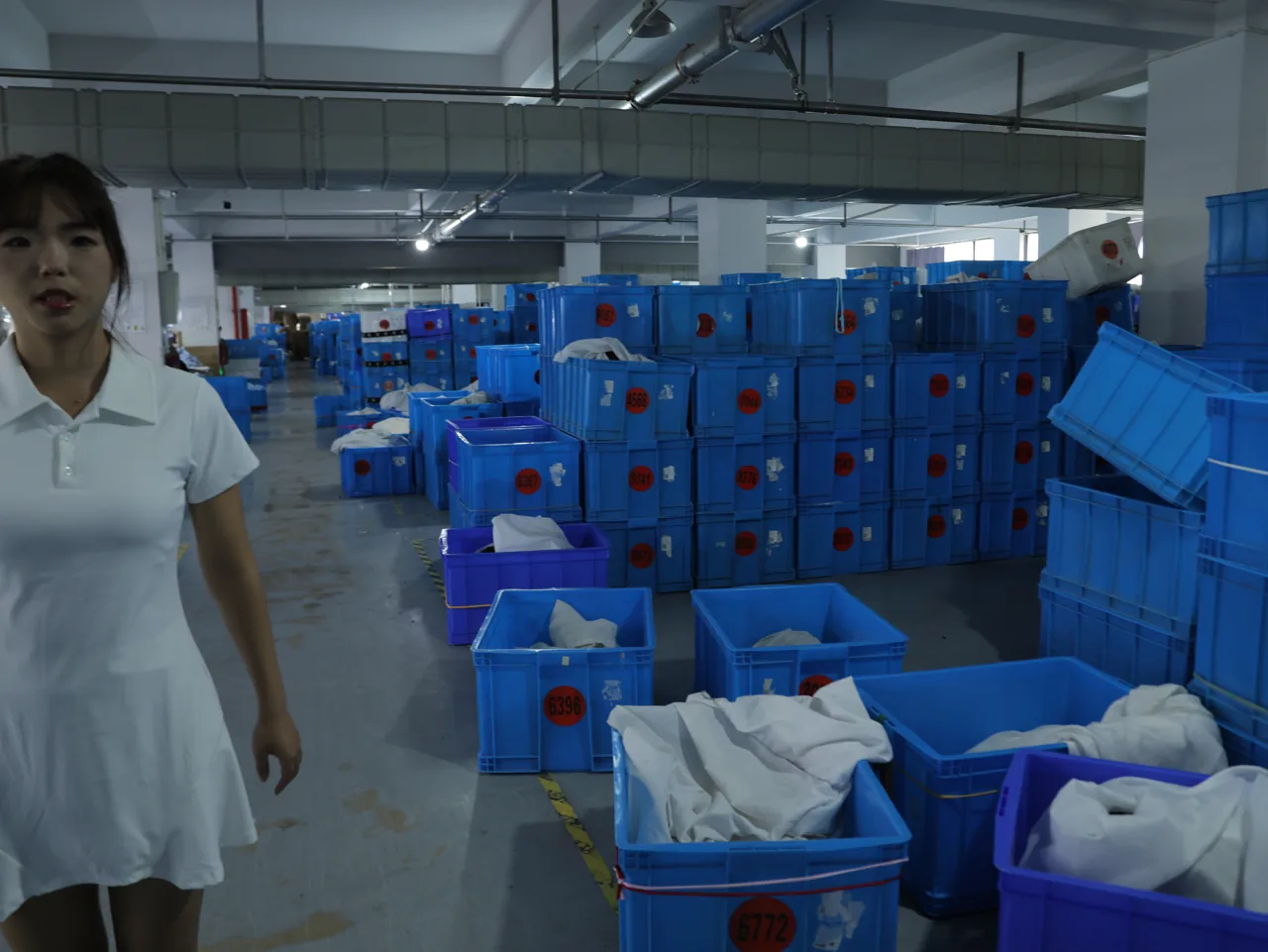
Buying factory-direct (under the factory’s own export license) means cleaner customs paperwork, a clear chain of responsibility, and no hidden middleman markup. A trading company vs a factory can blur who’s actually responsible if there’s a compliance or quality issue at the border.
Preguntas frecuentes
What Incoterm should a new brand use?
DDP is easiest for first-timers (duties handled, delivered to your door); FOB gives more control once you have a freight forwarder.
How are import duties calculated?
By your destination country and the garment’s HS code — rates vary, so check your specific code for your market or ask a customs broker. Always budget landed cost.
What compliance do I need to sell activewear in the US/EU?
At minimum chemical/consumer safety: OEKO-TEX Standard 100, plus REACH (EU) and CPSIA (US); BSCI for ethics and GRS if you claim recycled content.
How long from order to delivery?
Roughly 6–8+ weeks including sampling and production, plus shipping time (sea = weeks, air = days).
Get a landed-cost-friendly quote
Tell us your destination and preferred Incoterm at [email protected] (or +86 156 0697 2725) — we’ll quote FOB/CIF/DDP and share the compliance docs your market needs.