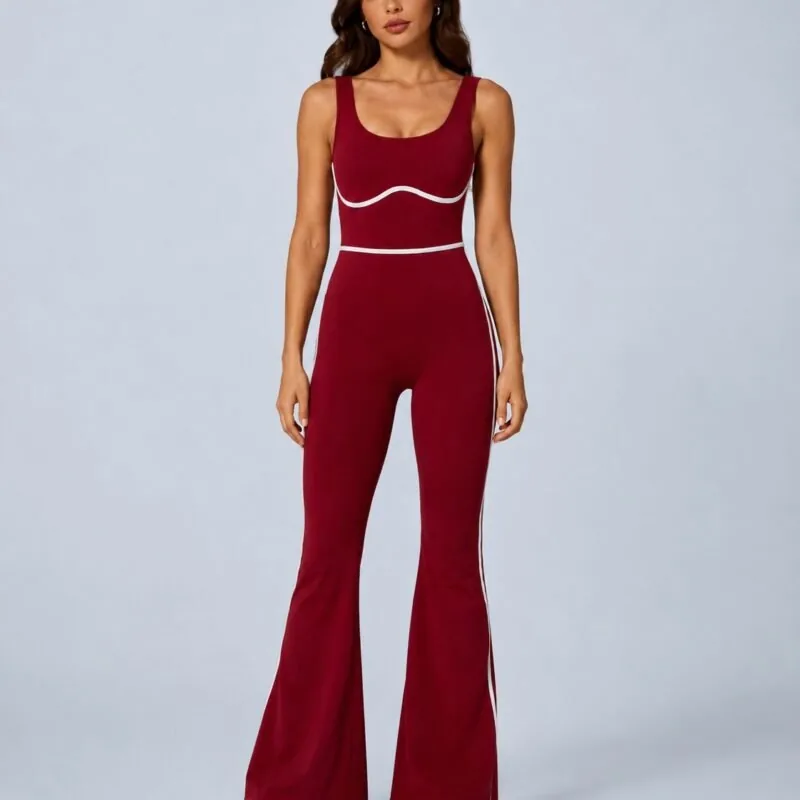
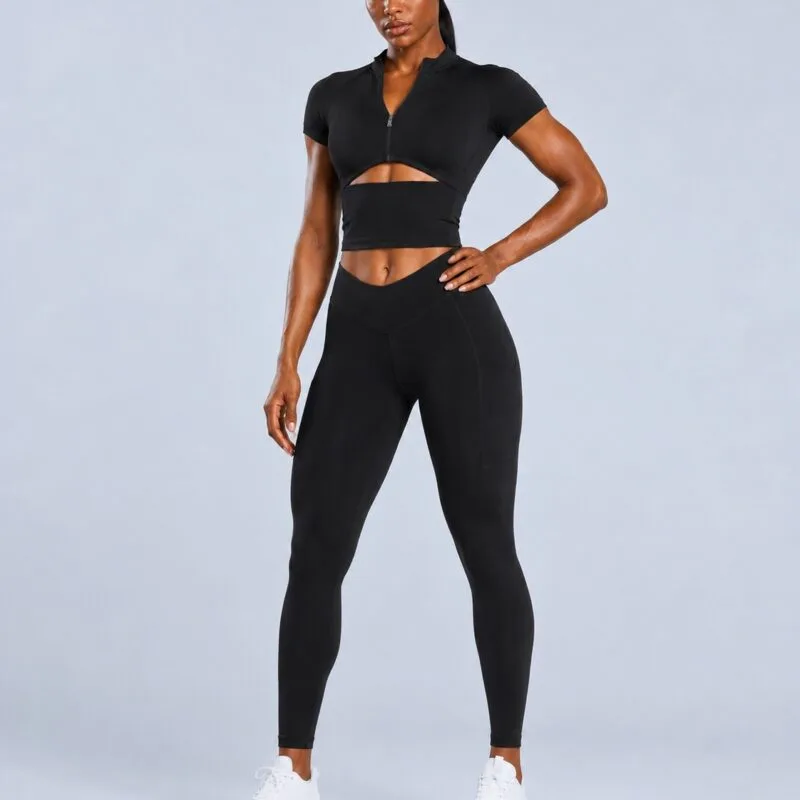
Custom Pantone color matching for activewear typically requires a 500-piece minimum per color, a 10–15 day lab dip approval cycle, and a tolerance acceptance step (usually DE ≤ 1.0) before bulk dyeing begins. Buyers who plan around these numbers from the start avoid most of the delays and surprises that come with custom dye work.
Custom color is one of the easiest ways to make a private label collection feel like a real brand line instead of a logo-on-stock product. It is also one of the most misunderstood parts of sourcing. Pantone color matching for activewear sounds simple — pick a code, send it to the factory — but the reality involves dye batches, minimum quantities and approval steps that can catch buyers off guard.
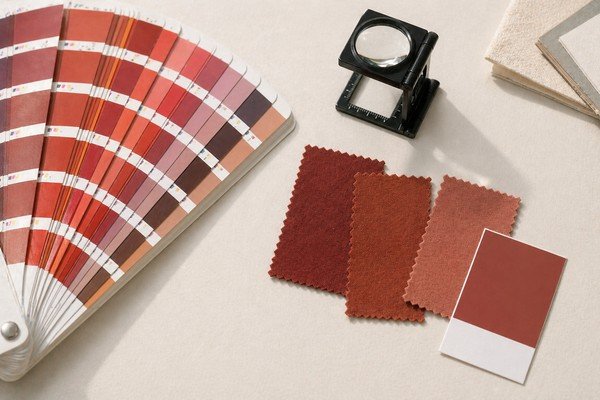
Why custom color is different from choosing stock shades
Stock colors are pre-existing and faster to use. Pantone matching means the mill or dye house has to create and approve a specific color target before bulk production. That usually requires:
- A Pantone reference (physical swatch is best; screen reference is risky)
- A lab dip or strike-off approval step
- Minimum dye quantity (a dye vat doesn’t scale down economically below a threshold)
- Extra development time
This is why custom Pantone color has a different MOQ and lead time from standard stock color orders.
Stock color vs custom Pantone: side-by-side
For buyers deciding whether to commit to a custom color, the trade-offs are clearer when laid out directly:
| Factor | Stock color | Custom Pantone |
|---|---|---|
| MOQ per color | 100 sets (mixed-size) | 300-500 pcs per style per color |
| Lead time before bulk | 0 extra days | 10–15 days for lab dip |
| Total bulk lead time | 30–50 días | 45–60 days |
| Approval steps | Visual swatch confirmation | Lab dip + tolerance acceptance |
| Risk of color drift | Low (known base) | Moderate (managed via lab dip) |
| Brand differentiation | Medium | High |
| Typical cost premium | None | 5–15% per kg on fabric |
For a first-launch brand running 100 sets, stock color is almost always the right answer. For an established brand with a clearly defined visual identity moving 500+ pieces per color per drop, custom Pantone matching becomes commercially reasonable.
What buyers should prepare
To request Pantone color matching properly, buyers should provide:
- Pantone code if available
- Whether the reference is TPX (textile paper) or TCX (textile cotton)
- Target base fabric (composition, weight, finish)
- Target order quantity per color
- Acceptable tolerance (DE value, if known) and lighting conditions for approval
A color code alone is not always enough. The same color can look different on different fabric constructions — so always specify which fabric the color is meant for.
Fabric type changes how Pantone reads
Even with a perfect lab process, the same Pantone code will look different across fabric families. This is physics, not factory inconsistency:
For print routes that depend on fiber choice, continue with why all-over sublimation needs polyester.
| Fabric type | Pantone match difficulty | Why |
|---|---|---|
| Polyester-spandex (interlock) | Easiest | Stable dye uptake; predictable saturation |
| Nylon-spandex (jacquard) | Moderate | Nylon takes acid dyes differently; needs separate dye recipe |
| Brushed / fleece-back | Harder | Surface texture scatters light; colors read 1–2 shades lighter |
| Seamless knit (recycled blends) | Hardest | Mixed fibers absorb dye unevenly; sometimes requires 2+ lab dip rounds |
A buyer matching the same Pantone across a smooth legging fabric and a brushed jacket will often need to accept two slightly different finished colors — or commit to two separate dye baths. This is one of the hidden complications of multi-product collections in custom color (see our legging fabric weight guide for related fabric-choice decisions).
Why lab dips matter
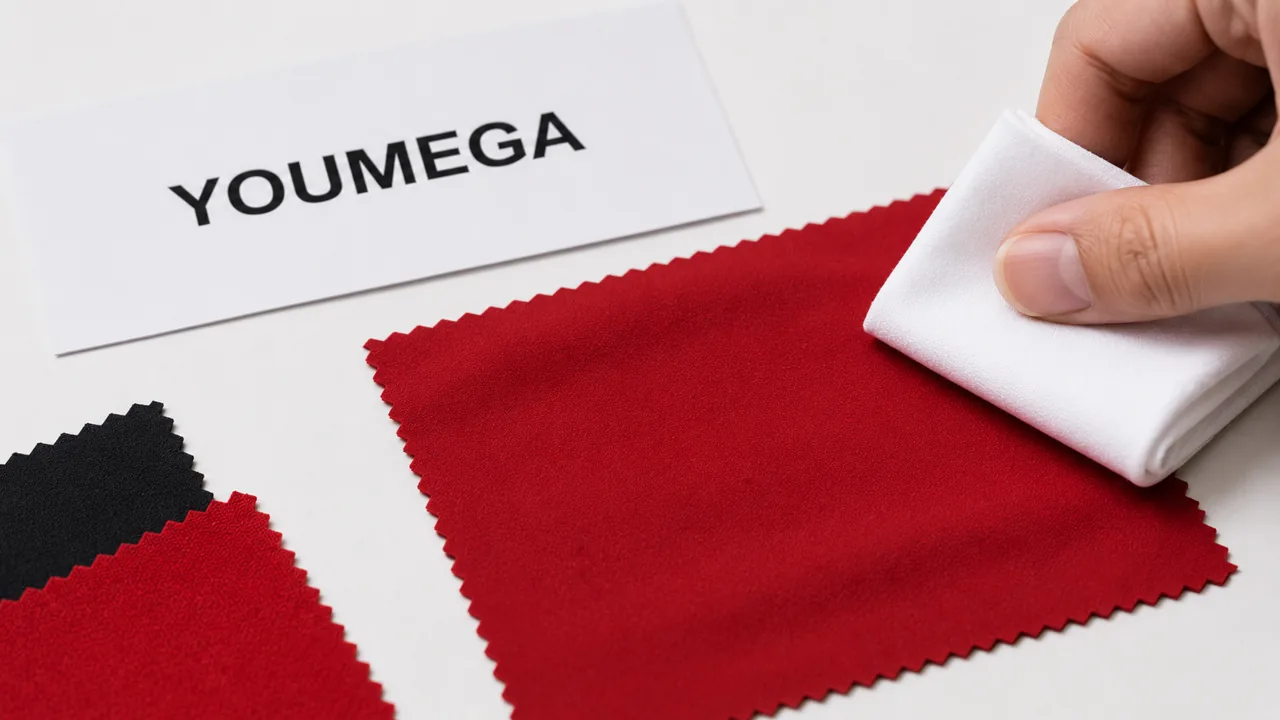
A lab dip is the trial dyeing step used to compare the actual output against the target color. Skipping this step may save a few days, but it increases risk. Activewear fabrics stretch, reflect light differently, and may look slightly different depending on the yarn and finish. A lab dip helps reduce that risk before bulk dyeing begins.
At YOUMEGA we always run a lab dip approval round for custom Pantone matching — it’s part of our standard development process.
How to evaluate a lab dip properly
When you receive lab dip swatches (usually 2–3 options around the target), the evaluation step matters as much as the dyeing step. A few practical points buyers often miss:
- Evaluate under D65 daylight (or natural noon daylight), not under warm indoor lighting. Colors shift dramatically under different light sources — a phenomenon called metamerism.
- Compare physical swatch to physical Pantone, not lab dip to screen. Screens cannot reproduce true fabric color, especially for saturated brights and deep darks.
- Accept a DE value of 1.0 or less for textile color matching. DE (Delta E) is the standard measurement of color difference; DE ≤ 1.0 is generally invisible to the eye, DE 1.0–2.0 is acceptable for most textile applications, DE > 3.0 is visibly off.
- Confirm the swatch is from the actual production fabric, not a substitute base. A lab dip on the wrong fabric base is information about the wrong thing.
Most disputes about “the color is wrong in my shipment” trace back to either a screen-based approval or a lab dip evaluated under bad lighting. Both are avoidable.
Cost structure of custom dyeing
Buyers often assume custom color is “a small upcharge.” The structure is more layered:
- Lab dip fee: Typically $30–80 per color per round. First round is sometimes free, additional rounds are charged.
- Dye batch minimum: 50–100 kg of fabric per batch. Below this, you’re paying for dye and labor with little fabric to absorb the cost.
- Fabric cost premium: 5–15% per kg above stock color cost, depending on dye complexity.
- Time premium: 10–15 days added to lead time for lab dip approval, sometimes more for difficult shades (deep red, true black, neon).
For a brand running 300-500 pcs per style per color, custom dyeing adds roughly $1.50–3.00 per garment in total cost. For 1,000+ pcs per color, it’s closer to $0.80–1.50. Below 500 pcs, the per-unit math gets uncomfortable.
MOQ is the main barrier for small brands
Many first-time brands want a highly specific custom color for a very small order. This is where expectations and factory reality often collide. Custom color needs a separate dye batch. That is why MOQ per color is usually higher than standard stock color MOQ — typically 300-500 pcs per style per color for full Pantone matching.
For a small collection, buyers should think carefully about whether the brand value gained from custom color justifies the extra quantity and longer lead time. Sometimes choosing from existing stock colors that closely match a Pantone reference is the smarter first move.
When stock colors that “look like” Pantone make sense
For most first launches and second collections under 300-500 pcs per style per color, the smartest strategy is to pick stock colors that match a Pantone reference within a reasonable tolerance — usually DE 1.5–2.5. This is invisible to most customers but saves the dye MOQ and lead time entirely.
We maintain a regularly updated swatch library of stock colors with their nearest Pantone equivalents. For a brand defining a black, navy, sage and burgundy palette, we can usually match 3 of those 4 from stock with no compromise, and only the most distinctive shade requires custom dyeing. This hybrid approach keeps lead time and MOQ realistic while preserving most of the brand color story.
Final thought
Pantone color matching can make an activewear collection feel more ownable and brand-specific. But it should be approached as a production decision, not just a design wish. The best results come when buyers plan custom colors early, approve lab dips carefully under correct lighting, and align quantity with the realities of dyeing. For brands not yet at 300-500 pcs per style per color, stock color matching is not a compromise — it’s the right move at that scale.
Want our team to review your project?
Send us your reference image, target quantity and timeline. We reply within 24 hours on weekdays — in English, Spanish or Chinese — with fabric options, MOQ, sample lead time and a transparent price breakdown. MOQ desde 100 sets, mixed colors and sizes allowed.
Frequently asked questions
What is the MOQ for Pantone color matching at YOUMEGA?
Custom Pantone color matching has a minimum of 300-500 pcs per style per color. Below that quantity, we recommend choosing from our existing stock colors, many of which closely match common Pantone references within DE 1.5–2.5.
What’s the difference between Pantone TPX and TCX?
TPX uses paper-printed swatches and is the older standard. TCX uses actual cotton swatches and gives a more accurate target for textiles. For activewear we recommend TCX references when possible — though both work, TCX gives a more reliable match to the final fabric.
How long does Pantone color matching add to lead time?
Lab dip development typically adds 10–15 days before bulk dyeing can start. Plan for a total bulk lead time of 45–60 days when custom Pantone colors are involved, instead of the standard 30–50 days for stock colors. Difficult shades like true neon or deep saturated red can add another 5–7 days.
How many lab dip rounds should I expect?
Most colors are approved in 1–2 rounds. Difficult shades (neon, fluorescent, true black, deep navy) sometimes need 3 rounds. We send 2–3 swatch options per round so you can pick the closest match. Each additional round adds 5–7 days and typically a $30–50 fee.
Why does my custom color look different on the actual fabric?
The same Pantone code can look different on nylon vs polyester, on brushed vs smooth fabric, and under different lighting. This is normal — and it’s exactly why lab dips exist. Approve the actual dyed swatch under D65 daylight, not the screen color or a swatch viewed under indoor lighting.
What’s the total cost premium for custom color vs stock?
For a 500-pc order per color, total premium is roughly $1.50–3.00 per garment including lab dip fees and fabric cost difference. For 1,000+ pcs per color, the per-unit premium drops to $0.80–1.50. The premium becomes commercially meaningful at 500 pcs and clearly worthwhile at 1,000+.
Can I use stock colors that look like Pantone references?
Yes, and for small collections it’s often the smarter choice. We can show you stock fabric swatches that closely match common Pantone references — saving you the MOQ and lead time of custom dyeing. Most customers can’t tell the difference between a DE 1.5–2.5 stock match and a perfect custom dye in normal wear conditions.
Buyer FAQ
Can activewear fabric match any Pantone color?
Most Pantone targets can be approached, but nylon, polyester and spandex blends absorb dye differently. Lab dips are needed because the same Pantone can look different on different fabric bases.
What MOQ is typical for custom Pantone activewear?
Custom Pantone fabric usually requires a higher MOQ than stock colors. Many activewear projects start around 300-500 pcs per style per color, depending on fabric supplier and dyeing route.
How should buyers approve a custom color?
Review lab dips under natural and store lighting, compare against the Pantone reference, confirm fabric composition, then approve the color before bulk fabric dyeing starts.