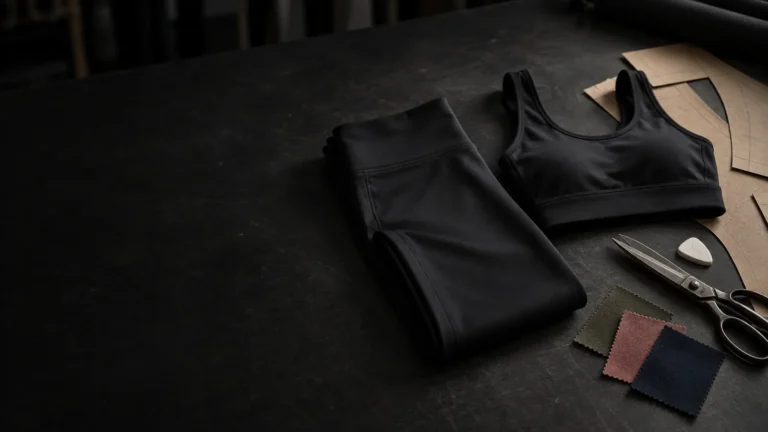
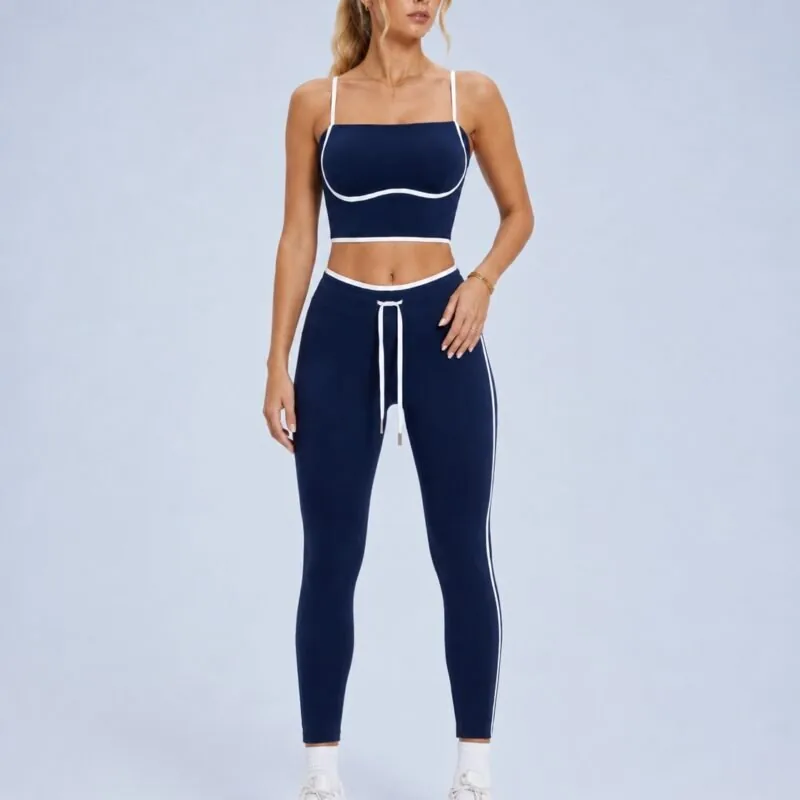
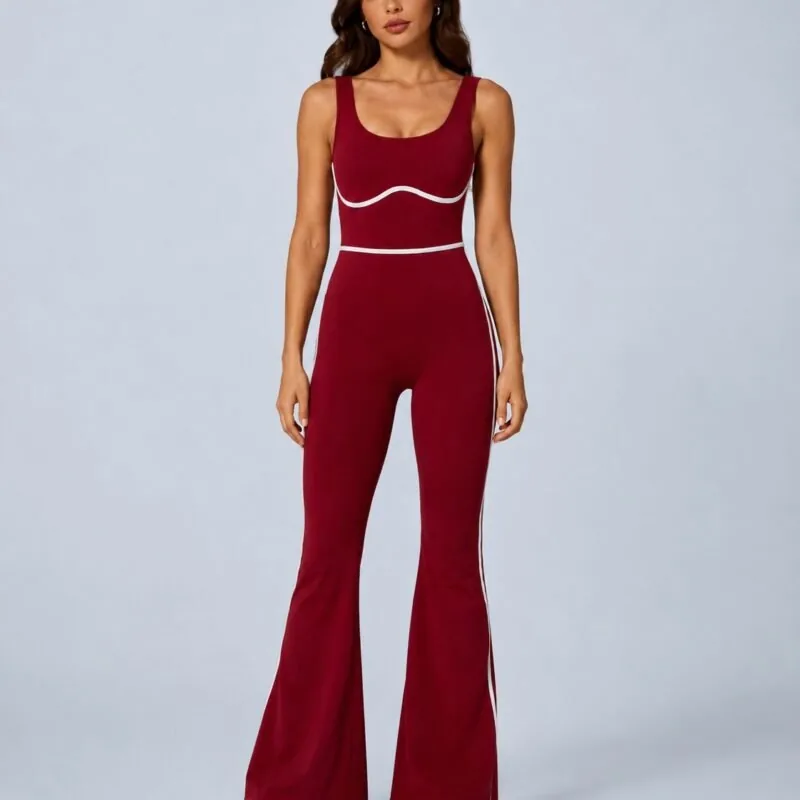
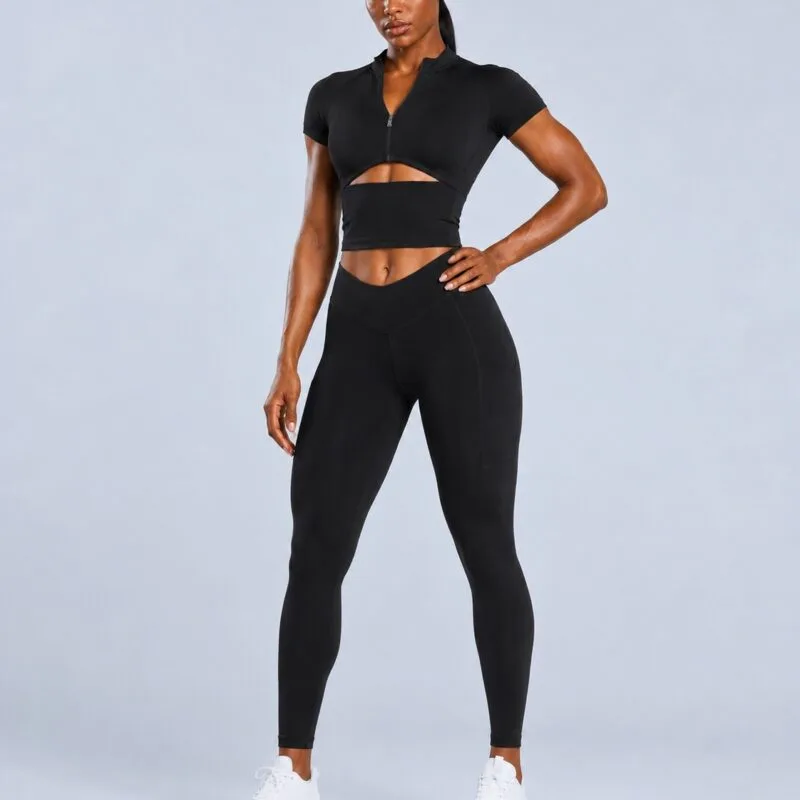
Logo personalizado activewear a low MOQ — 100 sets en YOUMEGA — es realista cuando te apegas a estilos stock con logos aplicados (heat transfer, silicone, embroidery), empaque básico, y colores/tallas mezcladas dentro del pedido. Lo que no es realista a esa escala: tela custom, dye batches custom, patrones custom, o cambios de hardware. Conocer la línea entre ambos es la diferencia entre un primer lanzamiento limpio y un proyecto estancado.
Servicio de logo personalizado y ruta de cotizacion
Para estilos activewear en stock, YOUMEGA puede aplicar tu logo desde 100 sets, con colores y tallas mezclados. Para desarrollo full custom OEM/ODM, el MOQ es 300-500 pcs por estilo por color.
- Metodos de logo: heat transfer, silicona 3D, bordado y sublimacion.
- Branding: etiquetas, hangtags y empaque personalizado.
- Color y muestra: soporte Pantone, muestras de stock en unos 7 dias, muestras full custom en 12-15 dias.
- Calidad y compliance: AQL 2.5 con soporte OEKO-TEX Standard 100, BSCI, REACH y CPSIA.
Ver servicios de fabricacion · Ver productos activewear · Solicitar cotizacion con logo
Low MOQ es de las frases más sobre-usadas en sourcing. Para compradores, la pregunta útil no es si el logo personalizado activewear a low MOQ existe. Es qué tipo de customización es realista a esa cantidad — y qué no.
Qué es usualmente posible a MOQ bajo
A mínimos bajos (100 sets en YOUMEGA), los compradores típicamente pueden customizar:
- Aplicación de logo (heat transfer, silicone 3D, embroidery, sublimation logo pequeño)
- Hangtags
- Wash labels
- Polybags
- Empaque básico
- Mix de tallas dentro del pedido
- Mix de colores dentro del pedido
Esto suele ser suficiente para lanzamientos de marca temprana. Un founder primerizo puede conseguir un producto totalmente branded con labels apropiados, empaque y logo limpio por 100 sets — realidad muy distinta a "1,000 piezas mínimo" que muchas fábricas cotizan.
Qué se vuelve más difícil a low MOQ
A cantidades muy bajas, los compradores no deben esperar libertad completa en:
- Desarrollo de tela custom
- Dye batch custom por color (Pantone matching necesita 500 pzas — ver nuestra guía Pantone)
- Trims altamente complejos
- Cambios extensivos de hardware
- Múltiples variaciones mayores de patrón
Qué es realista en cada tier de MOQ
| Tier de MOQ | Qué es realista | Qué no aún |
|---|---|---|
| Bajo 100 sets | Solo muestreo; algunos proveedores hacen pequeñas corridas custom a alto costo per-unit | Producción branded a costo trabajable; sistema completo de empaque |
| 100 sets (mínimo YOUMEGA) | Estilos stock + logo aplicado + empaque básico; color/talla mixto | Tela custom, dye custom, patrones custom, cambios de hardware |
| 500 sets | Lo anterior + custom Pantone por dye batch + polybag custom completo | Desarrollo tela custom, patrón completamente custom desde sketch |
| 1,000 sets | Lo anterior + modificaciones menores de patrón, sourcing hardware custom | Desarrollo tela custom desde mill (aún apretado) |
| 3,000+ sets | Full OEM: tela custom, patrón custom, Pantone custom, hardware custom | Límites son presupuesto, no capacidad |
Métodos de logo a low MOQ: qué funciona
- Transfer térmico — más rápido y barato, funciona para mayoría de logos, sin issues de cantidad
- Silicone 3D print — look premium, ligero upcharge pero OK a 100 sets
- Bordado — requiere cuota one-time de digitizing pero sin issues de cantidad
- Sublimación — funciona para prints all-over pero necesita corrida separada de tela, más difícil a MOQ muy bajo
Comparación de métodos de logo
| Método | Costo por logo | MOQ | Lead time | Durabilidad de wash | Mejor para |
|---|---|---|---|---|---|
| Heat transfer (PU film) | $0.10-0.30 USD | Sin mínimo | 3-5 días | 50+ lavados típico | Colores planos, multi-color, turnaround rápido |
| Silicone 3D print | $0.30-0.80 USD | Sin mínimo | 5-7 días | 80+ lavados típico | Look táctil premium |
| Bordado | $0.40-1.50 USD | Sin mínimo (cuota digitizing $30-80 USD) | 5-7 días | Vida de la prenda | Feel heritage, logos pequeños en gorras/chaquetas |
| Sublimation (logo) | $0.20-0.50 USD | Igual que tela (100m) | 10-14 días | No se cuartea ni pela | Prendas poliéster, prints all-over o grandes |
| Reflective print | $0.40-1.00 USD | Sin mínimo | 5-7 días | 40+ lavados típico | Running y apparel de safety nocturno |
| Puff print | $0.30-0.70 USD | Sin mínimo | 5-7 días | 40-60 lavados | Streetwear-influenced activewear |
Placement del logo: dónde va importa
Los compradores frecuentemente envían un archivo de logo sin especificar placement, y luego preguntan "¿por qué se ve pequeño?" tras ver la muestra. Activewear tiene convenciones estándar de placement que funcionan porque encajan con cómo las prendas se estiran:
- Leggings: Muslo derecho (5-8cm sobre la rodilla), pretina trasera, o centro espalda en el dobladillo. Evita centro frontal pretina — el seam mueve el logo visualmente.
- Sports bra: Centro pecho (mark pequeño, 3-5cm), banda under-bust, o strap trasero.
- Crop top / tank: Pecho izquierdo (8-12cm), back neck, o centro dobladillo.
- Shorts: Dobladillo pierna derecha, pretina trasera, o bolsillo frontal.
- Jacket / outerwear: Pecho izquierdo, hombro trasero, manga o dobladillo.
Evita placements directamente en áreas de alta estiramiento (rodilla frontal en leggings, ápice del busto en bras) — silicone y heat transfer pueden cuartearse o distorsionarse bajo estiramiento repetido.
Guidelines de tamaño de logo
- Logo pecho: 6-10cm para marks típicos. Logos sutiles pueden ir hasta 12cm.
- Logo muslo (leggings): 4-7cm. El muslo se angosta al moverse, logos sobredimensionados se deforman.
- Logo dobladillo: 3-5cm; usualmente wordmark, no lockup completo.
- Logo trasero grande: Hasta 18cm en chaquetas o tees oversized; no recomendado en leggings.
- Logo manga: 2-4cm; orientación vertical suele leerse mejor.
Para primeros lanzamientos frecuentemente recomendamos mantener logos ligeramente más pequeños de lo que muestra el design comp — los comps tienden a estar dimensionados para visibilidad en pantalla, no realidad de prenda.
Formatos de archivo que previenen rework
- Suministra formato vector (.AI, .SVG, .EPS, .PDF con fonts outlined). Vector escala sin pérdida.
- Raster (PNG/JPG) aceptado solo a 300+ dpi en tamaño final. PNG con background transparente preferido sobre JPG.
- Outline todas las fonts antes de enviar. No tenemos tu font custom.
- Especifica referencia Pantone para cualquier logo crítico en color. Colores RGB se imprimen distinto.
- Provee versión single-color separada para aplicaciones embroidery y reflective.
Stock plus logo vs OEM completo
Para marcas en crecimiento, stock + logo suele ser el camino más rápido al mercado, mientras OEM/ODM completo tiene más sentido tras la primera señal comercial probada. Árbol de decisión simple: Primeros 100-500 pzas → Stock + logo, prueba el mercado. Reordenando exitosamente → Pasa a modificaciones custom pequeñas. Identidad de marca establecida → Full OEM con patrones custom y colores Pantone.
Cómo probamos durabilidad del logo antes del bulk
Como parte de nuestro proceso QC estándar, hacemos wash-test de muestras de logo en prendas sample antes de aprobar bulk — típicamente 5 ciclos de lavado a 40°C con detergente suave. Esto atrapa problemas de adhesión antes de que lleguen al cliente. Para marcas ordenando 500+ sets, podemos extender a testing de 20 ciclos a petición.
Preguntas frecuentes
¿Cuál es el MOQ más bajo? ¿Puedo pedir solo 50 piezas? ¿Puedo mezclar colores y tallas?
100 sets para estilos stock con logo custom, colores y tallas mezcladas permitidos dentro del pedido — uno de los MOQs más bajos en China. Bajo 100 sets el trabajo de logo custom no es comercialmente viable para la mayoría de fábricas: el costo de setup no escala. El MOQ de 100 sets es total — puedes mezclar libremente colores y tallas (ej. 30 pzas negro M, 20 pzas gris L, etc.). Esta flexibilidad está construida para primeros lanzamientos.
¿Cuál es el método de logo custom más barato y cuánto dura cada uno?
Heat transfer es típicamente el más cost-effective para low-MOQ. Funciona para mayoría de diseños, sin mínimos, dura 50+ ciclos de lavado. Silicone 3D es upgrade premium por costo ligeramente mayor (80+ lavados). Embroidery típicamente dura la vida de la prenda. Sublimation no se cuartea ni pela porque el print se dye en la tela misma.
¿Qué tan grande debe ser mi logo en activewear?
Logos de pecho típicos: 6-10cm. Logos de muslo en leggings: 4-7cm. Logos de dobladillo: 3-5cm. Logos traseros grandes hasta 18cm en chaquetas pero rara vez en leggings. Frecuentemente recomendamos ir ligeramente más pequeño que tu design comp — logos tamaño pantalla se ven sobredimensionados en prenda.
¿Cuándo paso de stock+logo a OEM completo?
Usualmente después de vender tus primeras 500-1,000 piezas y saber cuál estilo es el ganador. En ese punto, tela custom, patrones custom y colores Pantone empiezan a tener sentido comercial. Antes, stock + logo te da señal de mercado a riesgo mucho menor.
Este artículo lo escribió el equipo de fabricación de YOUMEGA, una fábrica activewear OEM/ODM en Xiamen, China. Si quieres revisar tu proyecto, envía referencias, cantidad target y archivo de logo. Respondemos en 24 horas — inglés, español o chino — con opciones de método de logo, MOQ y precio. MOQ desde 100 sets, colores y tallas mixtas permitidos. Contáctanos.
Preguntas frecuentes para compradores
¿Se puede añadir logo personalizado con bajo MOQ?
Sí. Los estilos activewear de stock suelen aceptar logo personalizado desde 100 sets. El método depende de tela, tamaño, elasticidad, color y uso de lavado.
¿Qué método de logo es más seguro?
Heat transfer funciona bien en tiradas pequeñas, silicona da tacto premium, bordado conviene en paneles estables y etiquetas tejidas ayudan cuando no quieres imprimir sobre zonas elásticas.
¿Qué archivos de logo debe preparar el comprador?
Prepara AI, PDF, SVG o PNG de alta resolución, referencias Pantone, tamaño, ubicación y acabado deseado: mate, brillo, tonal o relieve.