Colorfastness — the Corner You Can’t Cut When Choosing Activewear Fabric
The sample looked perfect. The color matched your Pantone, the hand-feel was right, the price was good. Then your customer wore it to the gym, washed it once, and the black leggings left grey marks on a white gym bag — or the bright coral came out of the wash a tired pink.
That’s a colorfastness failure, and it’s the fabric problem that hides best: invisible on the approval sample, obvious in the customer’s laundry. It’s also the one most often caused by who dyed the fabric, not what the fabric is.
What colorfastness actually means
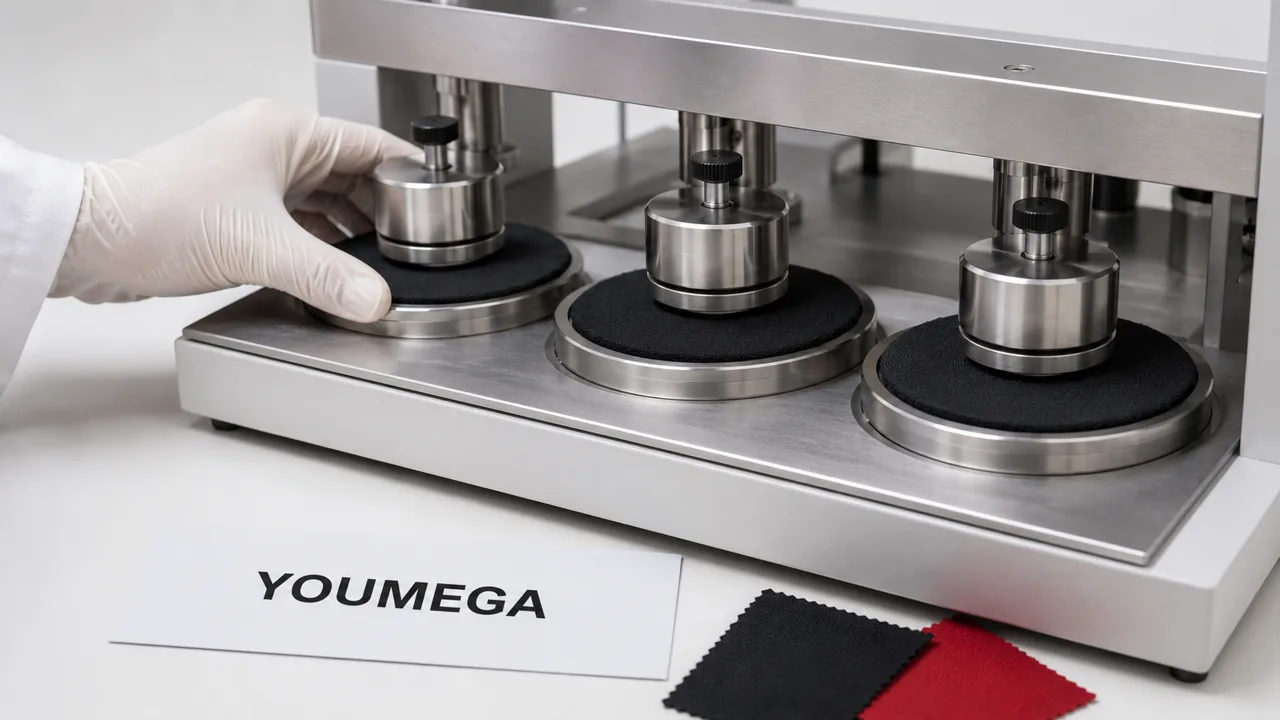
Colorfastness is how well a color stays put under stress. It’s graded, usually 1–5 (5 is best), across several separate tests:
- Wash fastness — does the color survive repeated laundering?
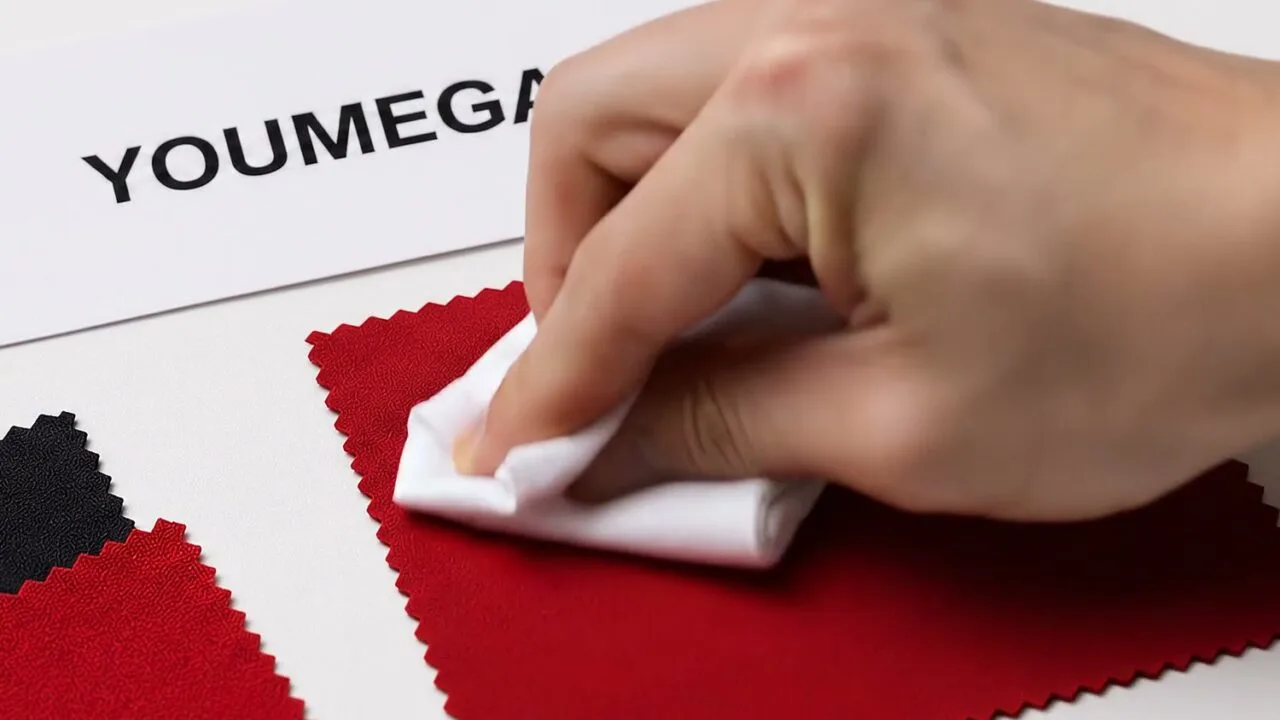
- Rubbing (crocking) fastness — does color transfer when the fabric rubs against skin or another surface, wet or dry?
- Perspiration fastness — does sweat (acidic and alkaline) pull the color out?
- Light fastness — does it fade in sunlight?
A fabric can pass one and fail another. A legging can wash beautifully but crock — leave dye on a white sofa — because the surface dye was never properly fixed.
Why activewear is brutal on color
Everyday clothes get an easy life. Activewear gets the opposite: soaked in sweat, smeared with sunscreen and deodorant, stretched and rubbed at the inner thigh and waistband, sometimes hit with chlorine, and washed far more often than a shirt. Every one of those is a colorfastness attack. A dye job that would pass on a cotton tote can fail fast on a compression legging.
For the logo-side color risk around dyed fabric, use why a logo changes color after washing.
What a cheap, unregulated dye house quietly cuts
Dyeing is where a lot of “same fabric, lower price” quotes actually come from, and it’s rarely visible on the sample. A small, unregulated dye house saves money by:
- using cheaper dyestuffs — sometimes including banned azo dyes that can be restricted in your market;
- skipping or shortening fixation — the step that locks dye onto the fiber, so color rubs and washes off;
- not testing — no wash, rub or perspiration grades, because testing costs money and time;
- ignoring chemical compliance — no attention to restricted-substance limits that Western buyers are increasingly audited on.
None of that shows up in the first sample. All of it shows up later.
The tragedy, in order
Cut this corner and the story tends to run the same way: the bulk looks fine → the first customers wash it → returns start (“it faded,” “it stained my other clothes,” “it turned my skin blue at the gym”) → reviews turn → and in the worst case a restricted-substance test at the border or a marketplace flags a banned dye, and a whole shipment becomes a liability. The dye saved a few cents a meter and cost the brand its reputation.
What a proper dye house does instead
- Uses certified, compliant dyestuffs and pays attention to restricted-substance limits.
- Fixes and washes off loose dye properly, then tests wash, rub, perspiration and light fastness — and reports the grades.
- Works to recognized chemical-safety standards (for example OEKO-TEX® Standard 100, which many activewear brands ask suppliers to verify).
This costs more per meter. It’s also the difference between a legging that survives 100 washes and one that becomes a complaint.
How to protect yourself (a short checklist)
- Ask for colorfastness grades in writing — wash, rub (crocking), perspiration — before you approve bulk.
- Ask which chemical-safety standard the dye house works to, and ask to see the current certificate.
- Run a wash test on the
For the chemical-control side of the dyeing brief, use restricted-substance screening.
pre-production sample: 20+ washes, then rub it against a white cloth. - Be suspicious when a “same” fabric is much cheaper — the dye house is a common place the savings hide.
FAQ
What’s the difference between color matching and colorfastness? Matching is getting the color right (your Pantone). Colorfastness is the color staying right after washing, sweating and rubbing. A fabric can nail the match and still fail fastness.
Why does black activewear leave marks on other things? That’s poor rub (crocking) fastness — surface dye that was never fully fixed, transferring under friction. Common on cheaply dyed dark fabrics.
Does a higher price guarantee good colorfastness? No — but a dye house that tests and reports grades and works to a chemical-safety standard is the signal to look for. Ask for the grades, not just the price.
What grades should I ask for? As a general target, wash and perspiration fastness around 4 and up, and crocking that doesn’t visibly transfer. Confirm the exact targets for your market and use case.
At YOUMEGA we treat the dye house as part of the spec, not an afterthought — because a fabric that fails in your customer’s wash is a fabric that fails your brand. Send us your color and use case and we’ll tell you honestly what fastness to hold the fabric to. We reply within 24 hours.