Sourcing notes from
the factory floor.
Practical sourcing guides, fabric explainers and production deep-dives for activewear founders and buyers. Written by the people who actually make the product, not by an SEO agency. New articles every other week.
Turn the guide into a sourcing brief.
Use the factory guides below, then compare the product category pages when you are ready to quote fabric, MOQ, fit and branding.
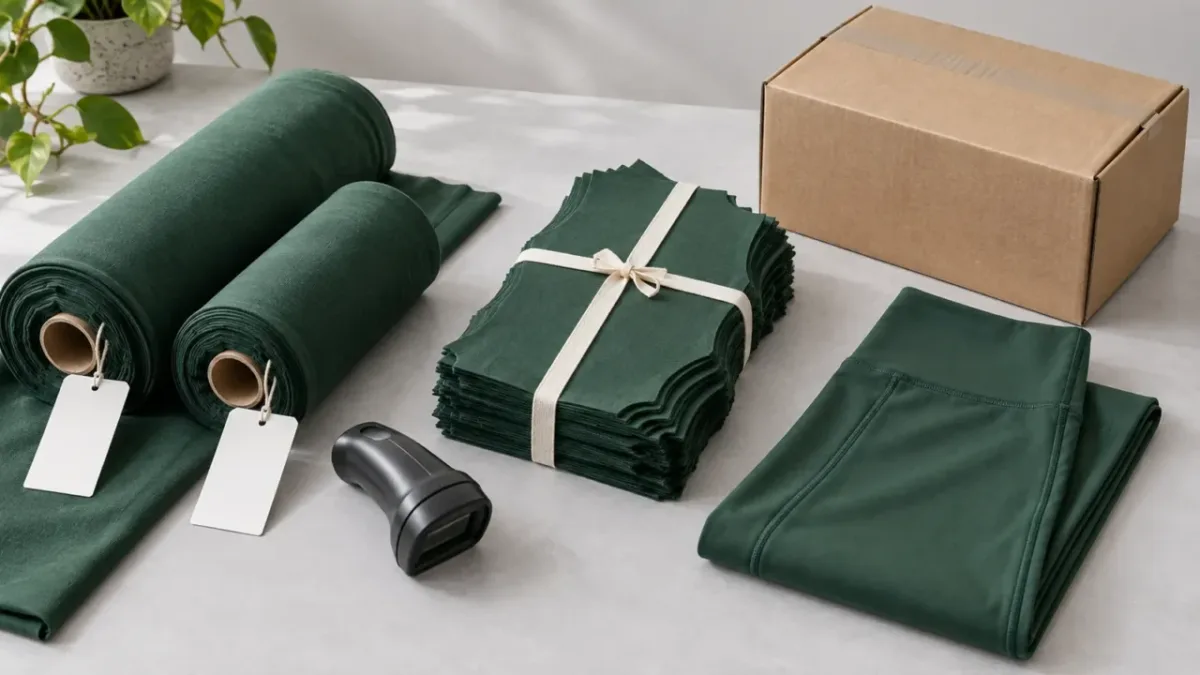
Activewear Batch Traceability: From Fabric Roll to Shipment
Connect fabric lots, cutting bundles, production records and packed orders. A practical traceability checklist for private-label activewear buyers.
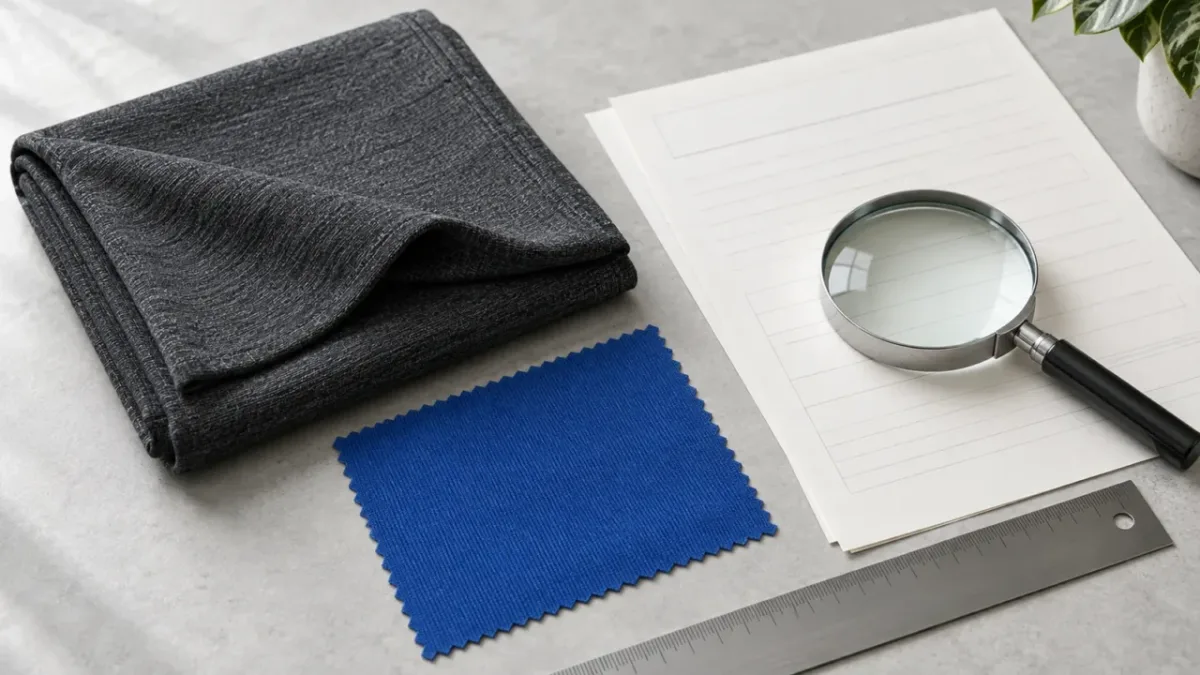
Reading an Activewear Fabric Test Report
Check sample identity, lab scope, test methods and acceptance limits before approving activewear fabric. A practical report-review checklist for brands.
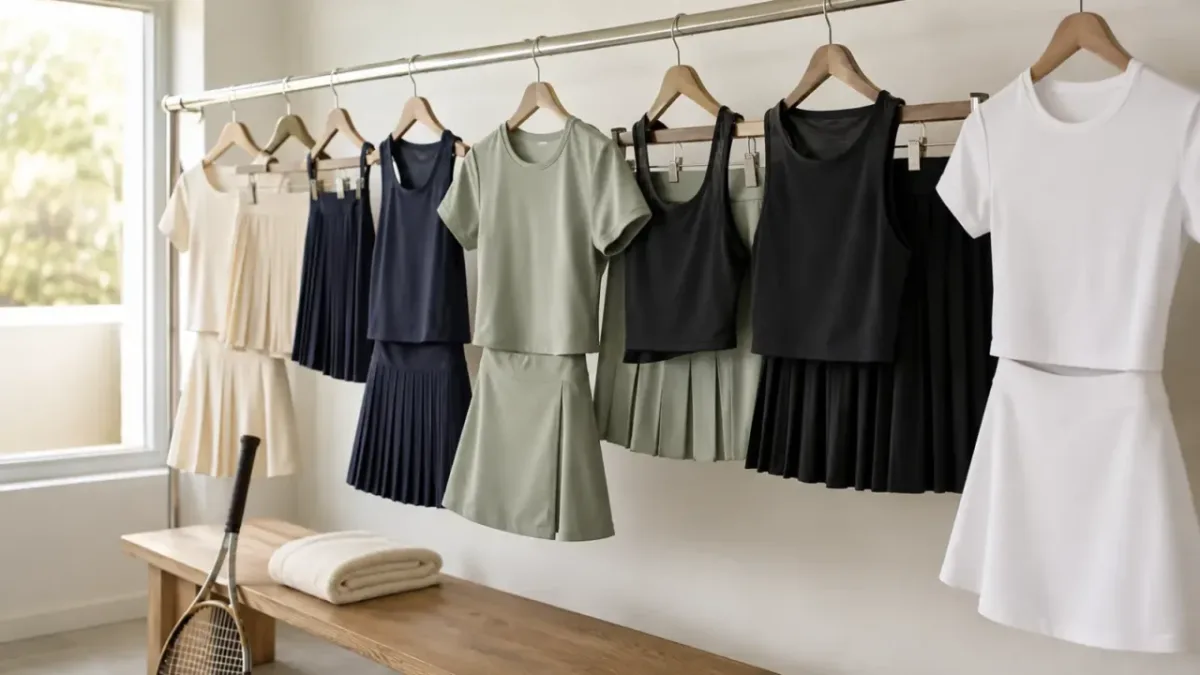
12 Brands That Make Coordinated Tennis Sets (2026): Prices, Fabrics and Which Ones Pass an All-White Dress Code
Twelve brands selling matching tennis skirt-and-top sets in 2026, with verified prices, fabric compositions, size ranges and which sets qualify for all-white clubs.
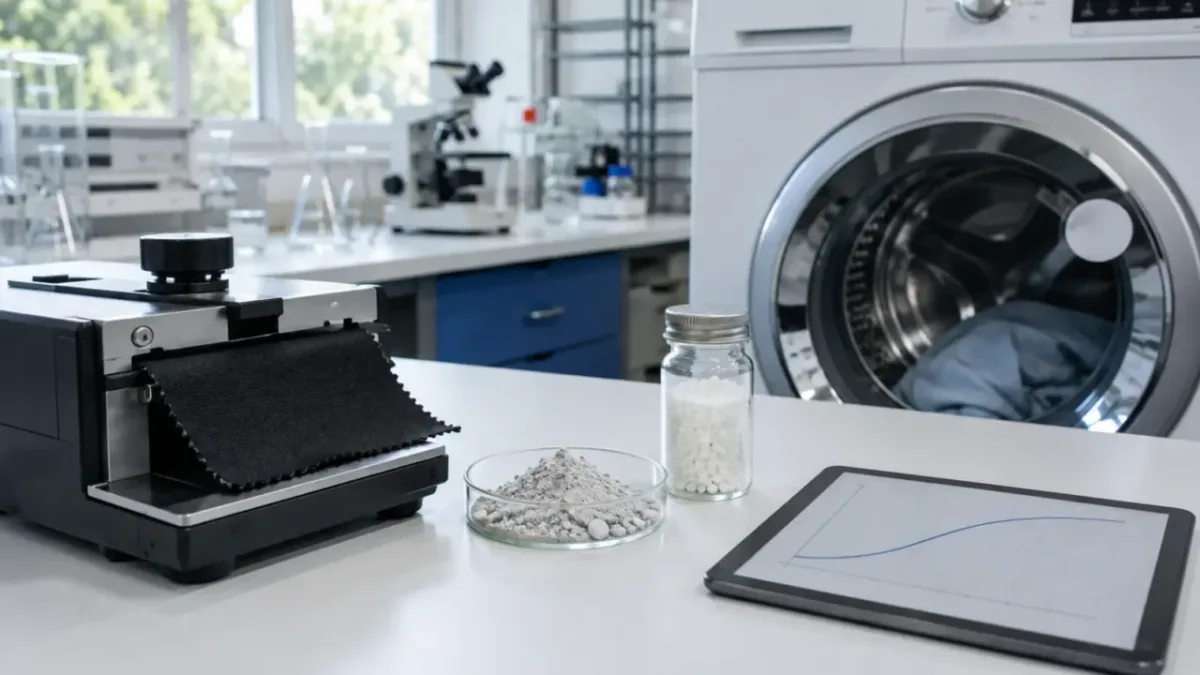
Do Embedded Minerals in Activewear Survive Washing? What the Factory Actually Knows
Mineral-infused and far-infrared activewear: how the minerals go in, what wash-durability evidence really exists, and the seven documents to ask a factory for.
DDP Apparel Quotes: The Hidden-Cost Checklist Before You Pay
A DDP apparel quote should name the destination, duties, taxes, importer, customs scope and exclusions. Use this checklist before paying any door-to-door order.
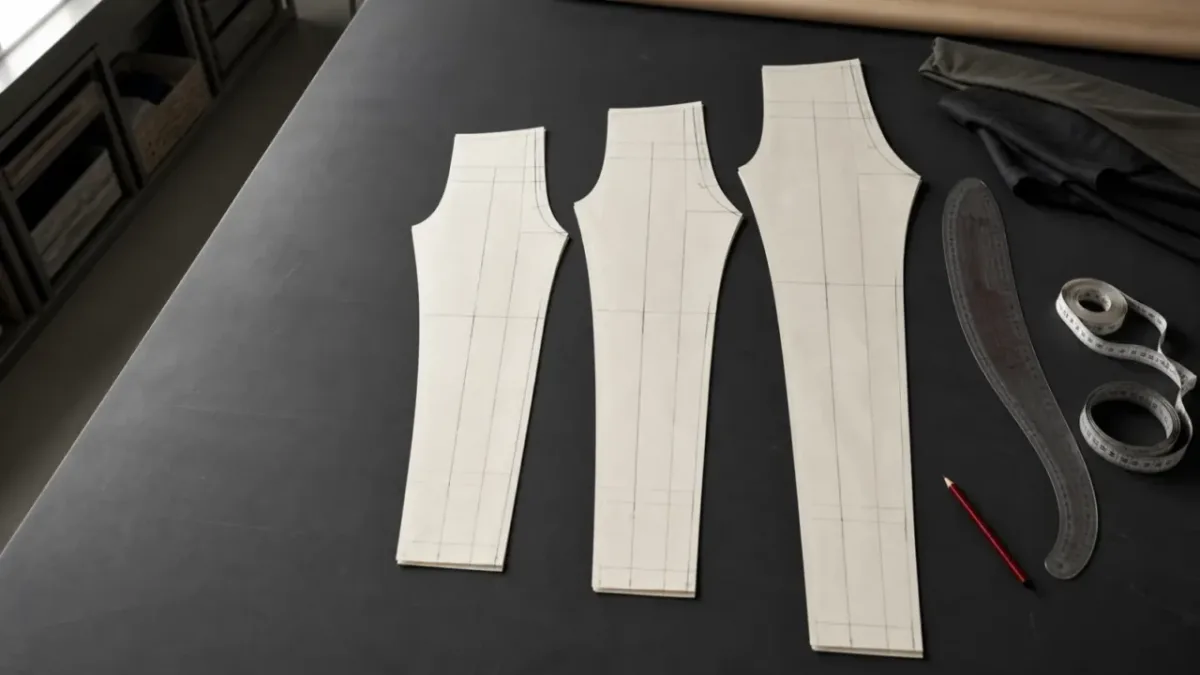
Inclusive Activewear Sizing: Why More Sizes Do Not Fix Proportion
Extending XS to 4XL is not enough. Learn when petite, tall and curvy activewear needs different rises, inseams, blocks and fit tests before production.
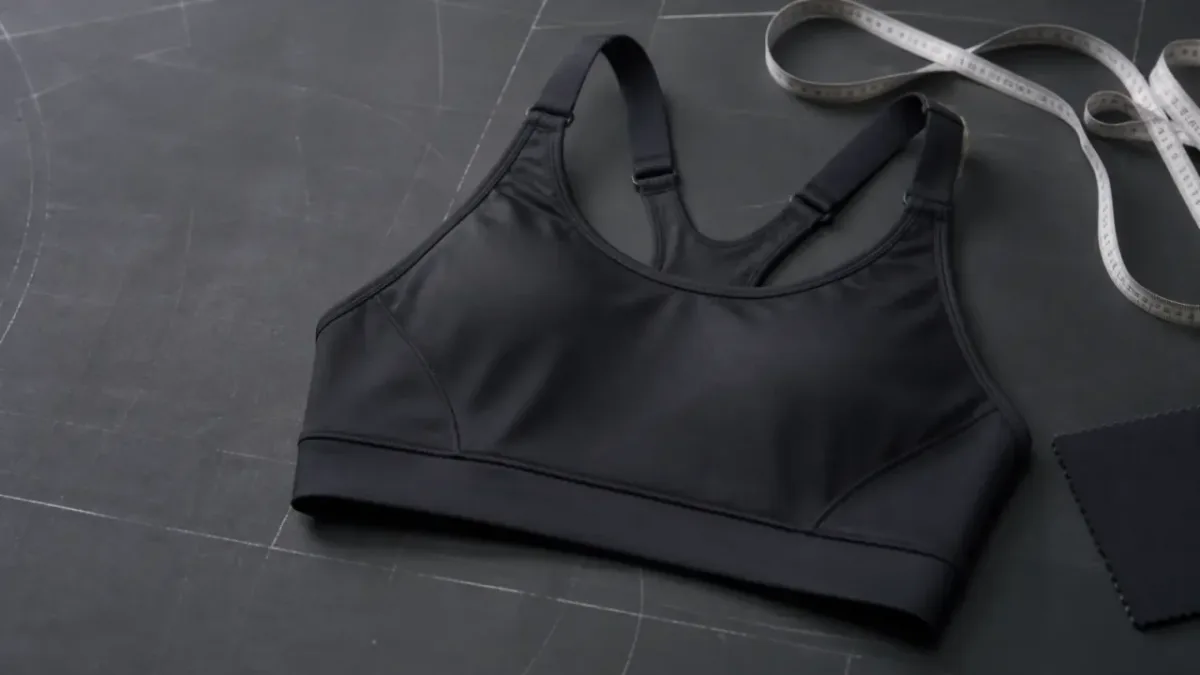
Sports Bra Chafing: What Brands Should Fix Before Bulk Production
Why sports bras chafe on long runs, which underband and strap details create friction, and the wear-test plan brands should use before bulk production.
How to Choose a Compression Shirt for the Gym: What the Spec Sheet Won’t Tell You
Fit intent, fabric weight, elastane content and seam type decide whether a compression top supports or just squeezes. A factory's buying guide, with the numbers that matter.
Why Activewear Still Smells After Washing (And How to Actually Fix It)
Synthetic gym clothes trap odour differently from cotton — the smell survives washing because it isn't on the fabric, it's inside it. The chemistry, the fix, and what a factory can do about it.
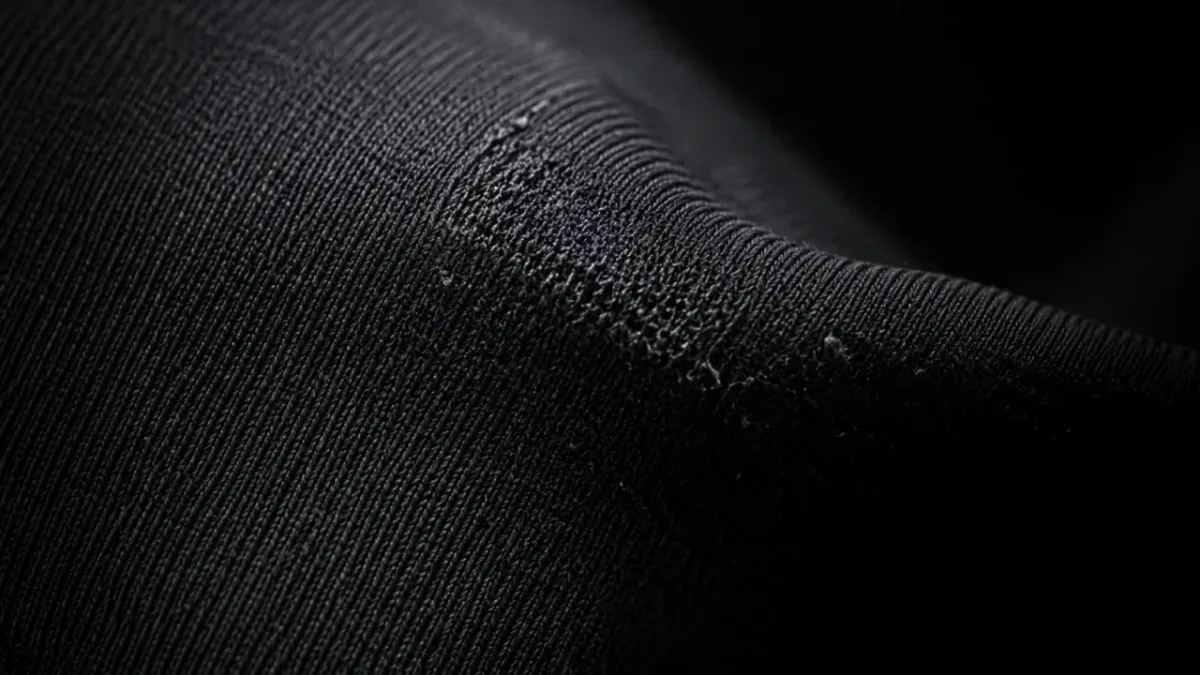
What Actually Damages Polyester and Nylon Activewear (It’s Rarely the Stain Remover)
Heat, chlorine, softener and friction do more damage to synthetic activewear than any stain remover. A factory's ranking of what kills performance fabric, and what each failure looks like.
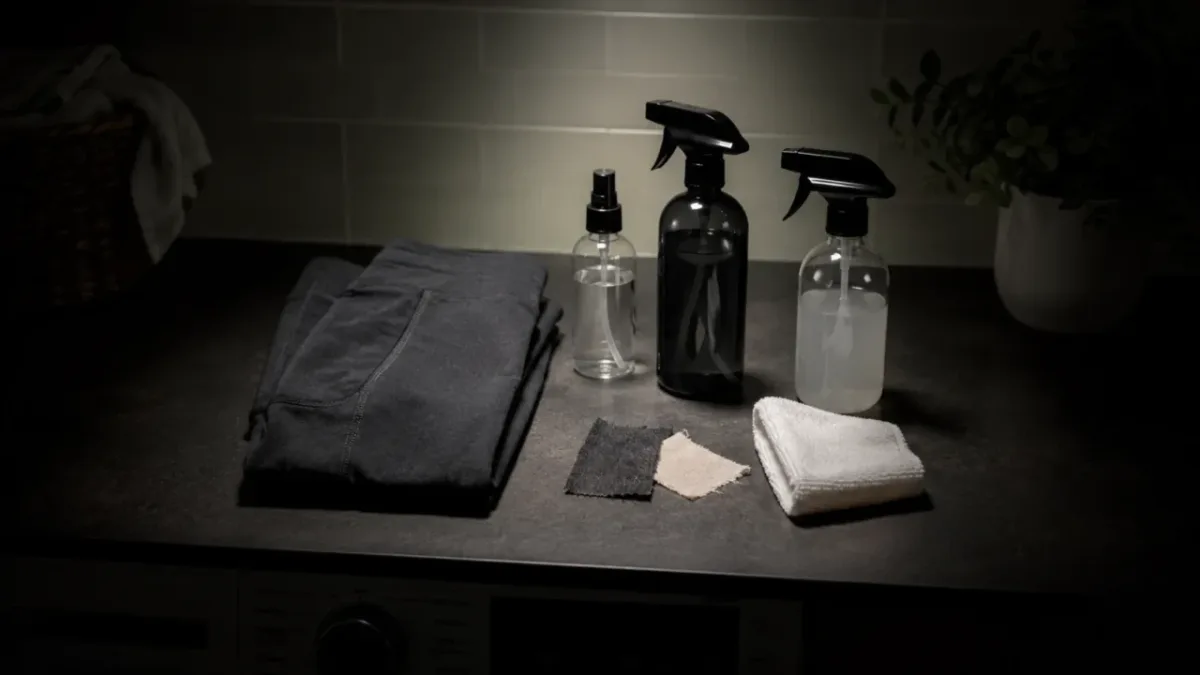
Is Your Stain Remover Safe on Activewear? A Chemistry-First Answer
Oxygen, chlorine, enzyme, solvent or surfactant — which stain-remover chemistry is safe on spandex, nylon and polyester, and which quietly destroys stretch. Read the ingredient panel, not the front label.
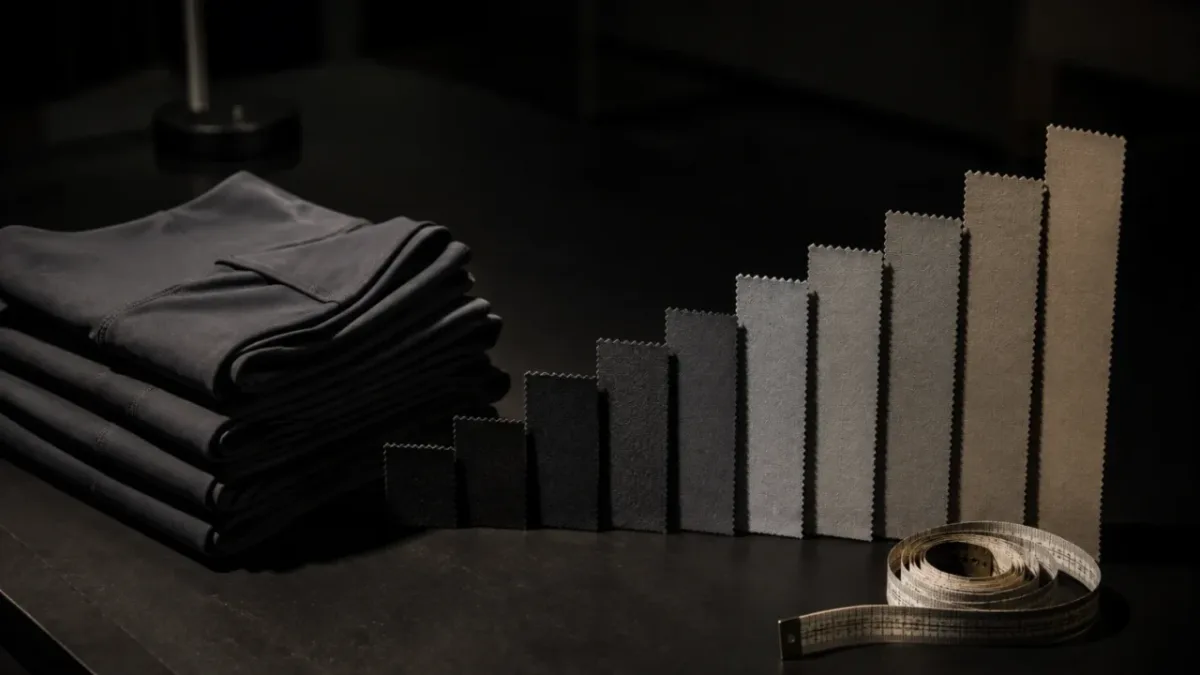
Activewear Manufacturing Data Report 2026: What 3,038 Styles and 90 Days of Real Inquiries Show
Original data from a working factory: fibre mix, elastane content, the extended-sizing gap, colour depth, and what buyers actually order first — with sample sizes and methods for every number.
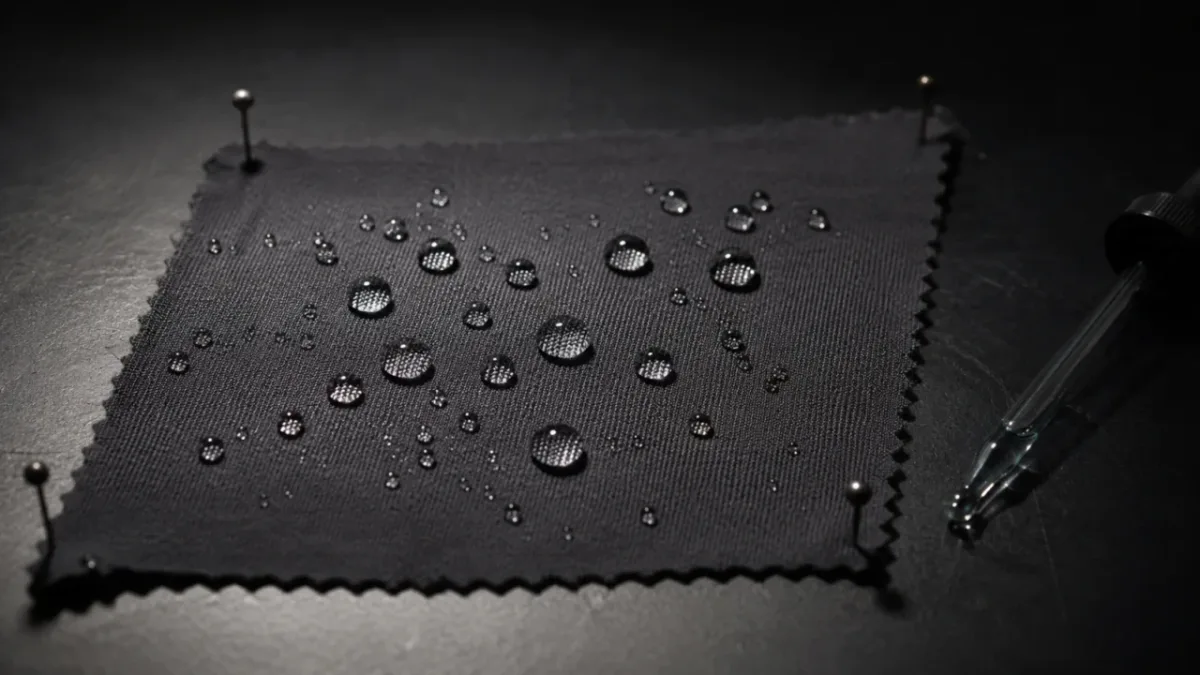
Moisture-Wicking, Anti-Odor, UPF 50+: Which Activewear Claims You Can Print — and the Test Behind Each
In the US, every objective product claim needs substantiation before you make it. The claim-to-test map for activewear — moisture-wicking, quick-dry, anti-odor, UPF, compression, recycled — and the claims with no standard behind them.
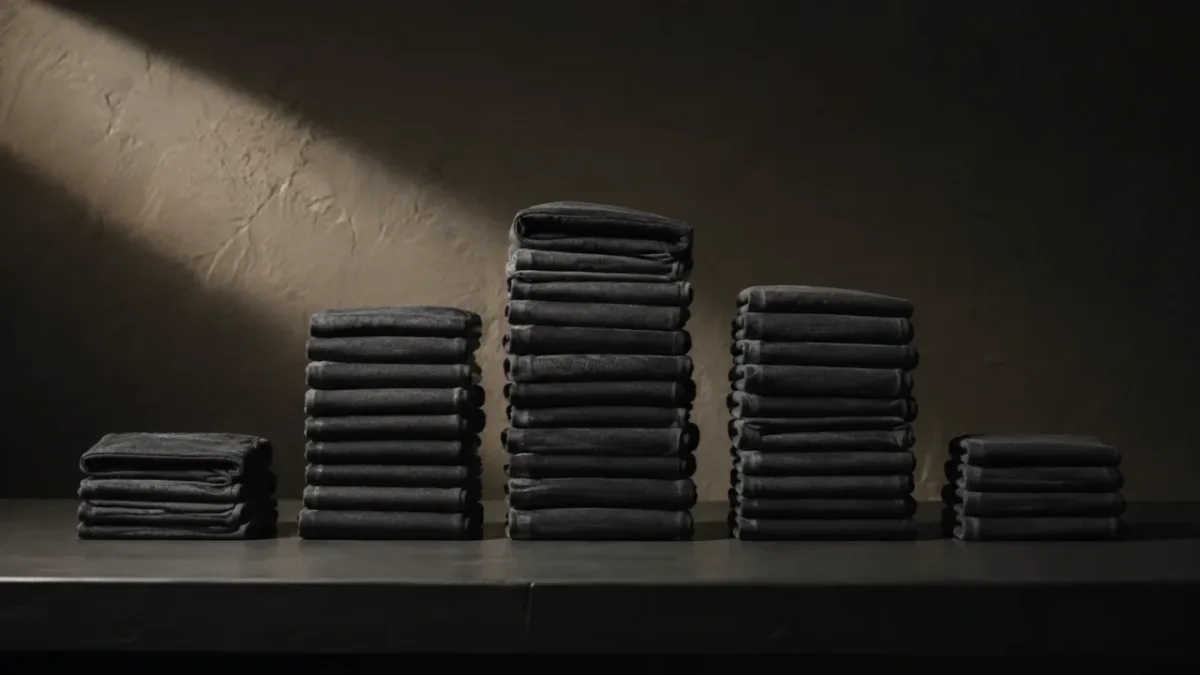
What Size Ratio Should Your First Activewear Order Be?
The starting size curves that work, how to shift them for your audience, how to split colours on a first order — and why the honest answer is that order one is data collection.
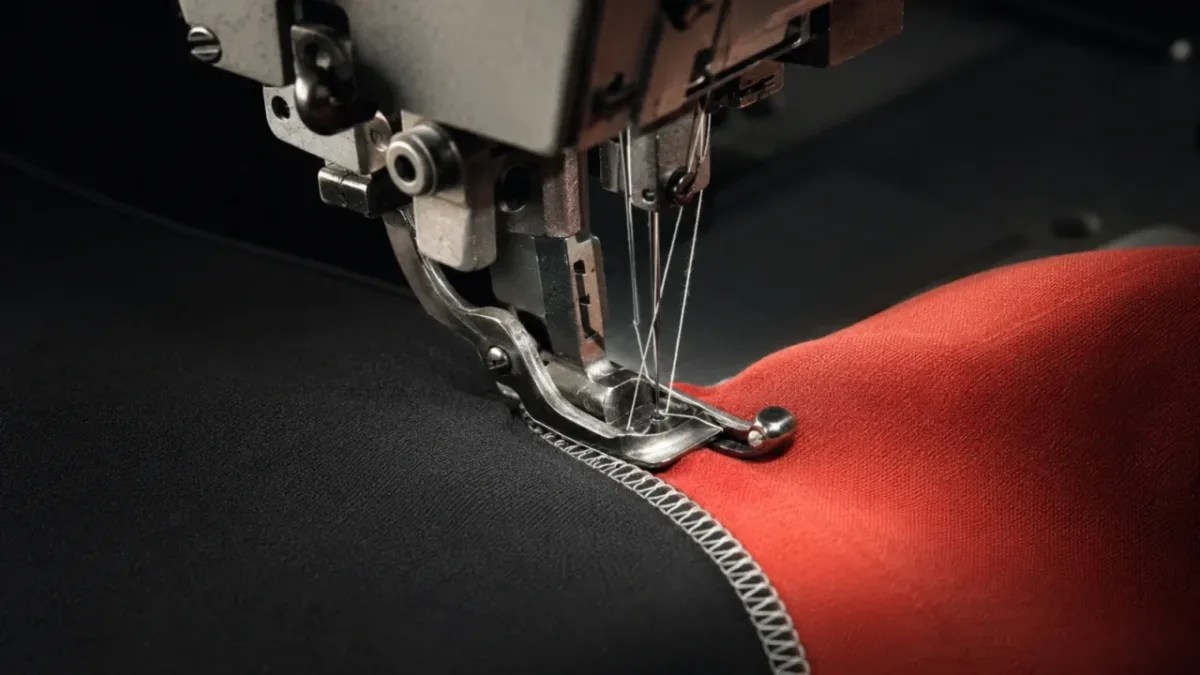
Why Factories Push Back on Your Activewear Design: 7 Details That Don’t Survive Sewing
Most "the factory rejected my design" stories are the same seven details — colorblock seams on curves, sub-centimetre strips, zippers on stretch. What fails at the machine, and the redraw that fixes each.

Will a Manufacturer Steal My Activewear Design? An Honest Factory Answer
Where design leaks actually happen, why copying clients is bad business for a volume factory, and which legal tool does what — NNN, trademark, design registration — before you send a tech pack.

Activewear Manufacturer Payment Terms: Deposits, Balances, and What Actually Protects You
What a normal deposit structure looks like, the five red flags that precede most supplier payment scams, and the one habit that protects your balance payment better than any contract.
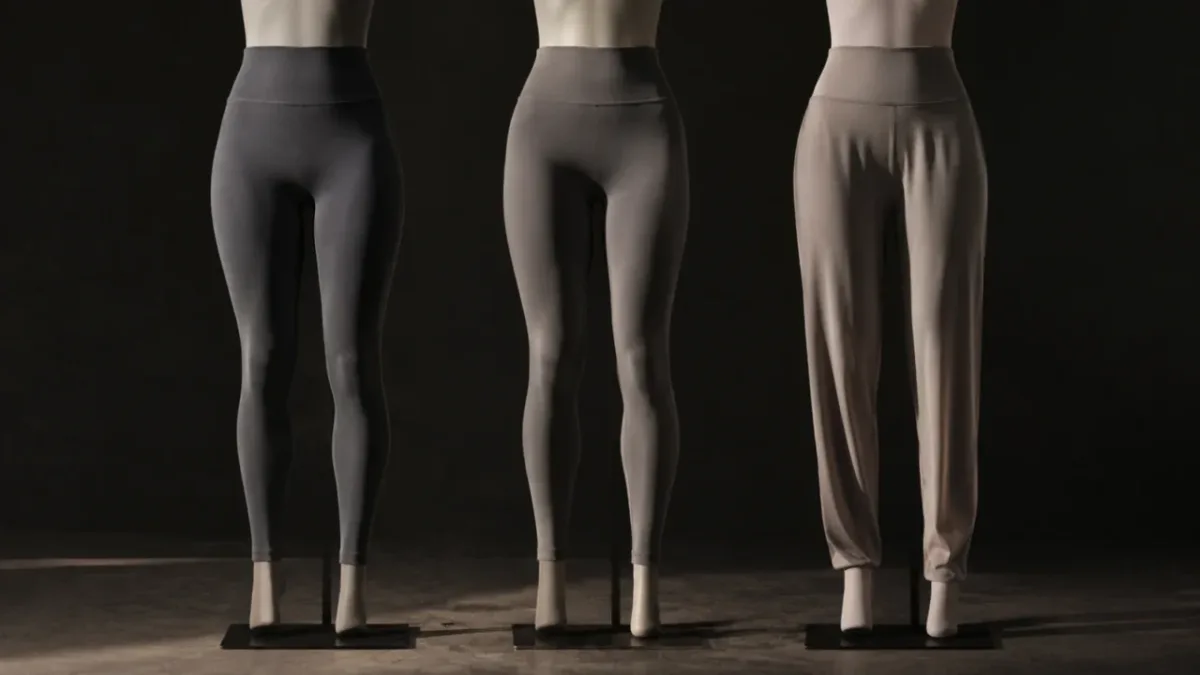
Training Apparel Fit: How Tight Should It Actually Be?
Compression, athletic, relaxed — "fit" means four different things in activewear, and the right one depends on the training. How factories define fit, and how to test it before bulk.
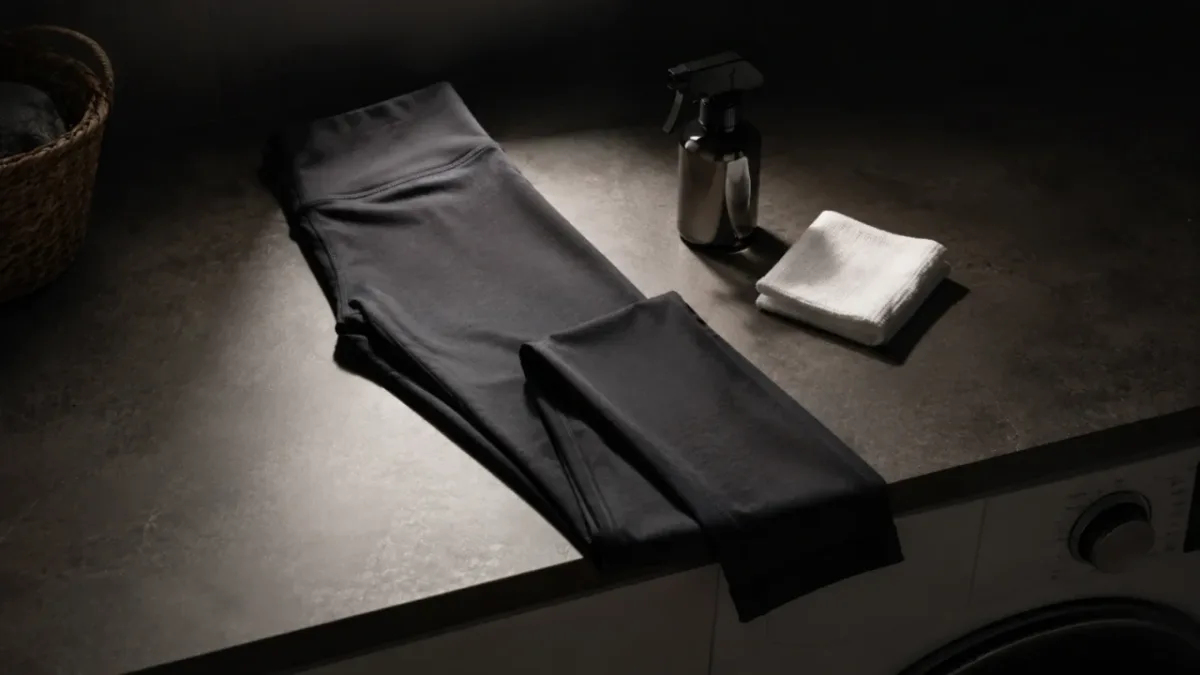
Stain Removal on Synthetic Activewear: What Works, What Destroys the Fabric
Most stain removers were designed for cotton. On elastane, DWR finishes and prints, the wrong product does permanent damage. What a factory tells brands to put on the care label.
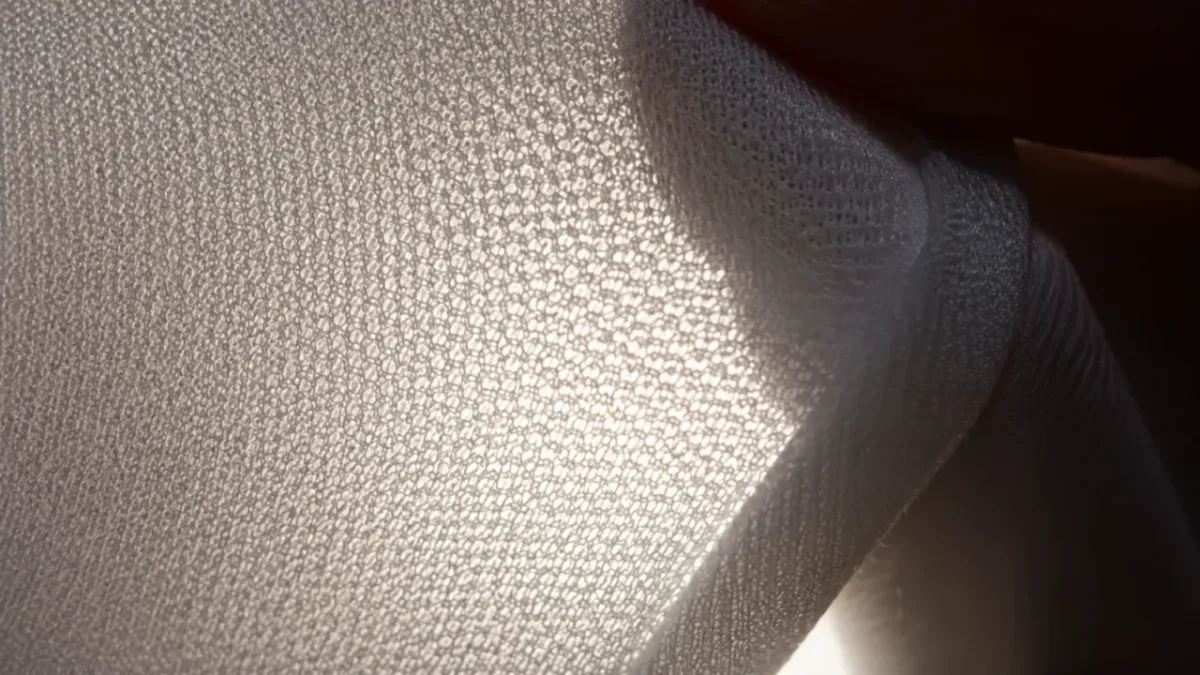
Why White Activewear Is the Hardest Colour to Make: Opacity, Sweat and Yellowing
White shows everything — what's underneath, where you sweat, and every wash. The three failure modes of white activewear and how a factory engineers around them.
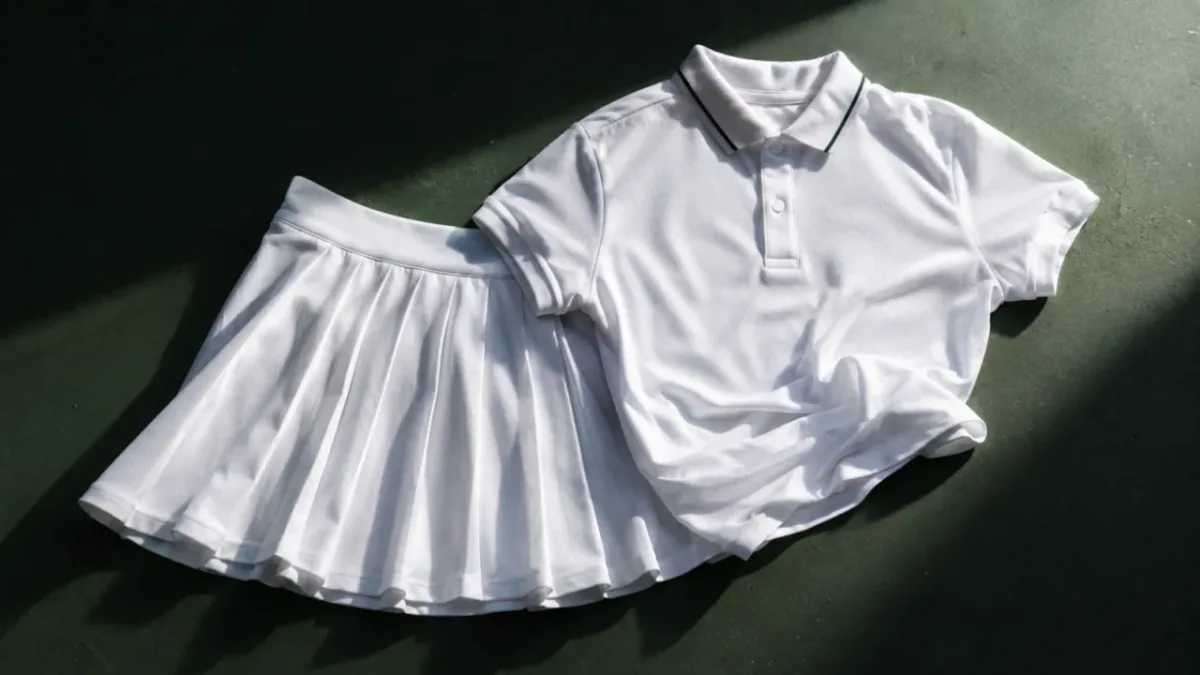
Tennis Apparel Color Rules: What Clubs and Tournaments Actually Require
All-white, predominantly white, or anything goes — tennis colour rules differ by venue and tournament. What the rules actually say, and what they demand from the fabric.
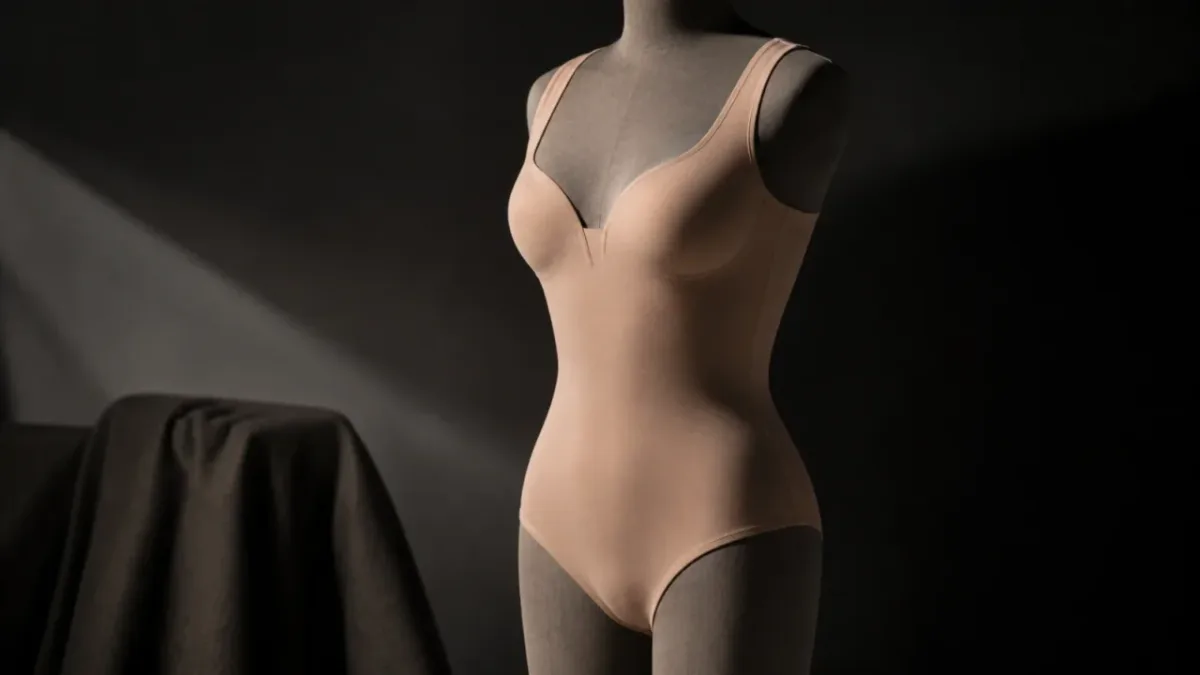
How to Start a Shapewear Brand Like SKIMS: The Manufacturing Reality
SKIMS made shapewear a billion-dollar category on inclusive sizing and a product that feels good. Both are manufacturing decisions — here's what it actually takes to make sculpt-wear that holds up.
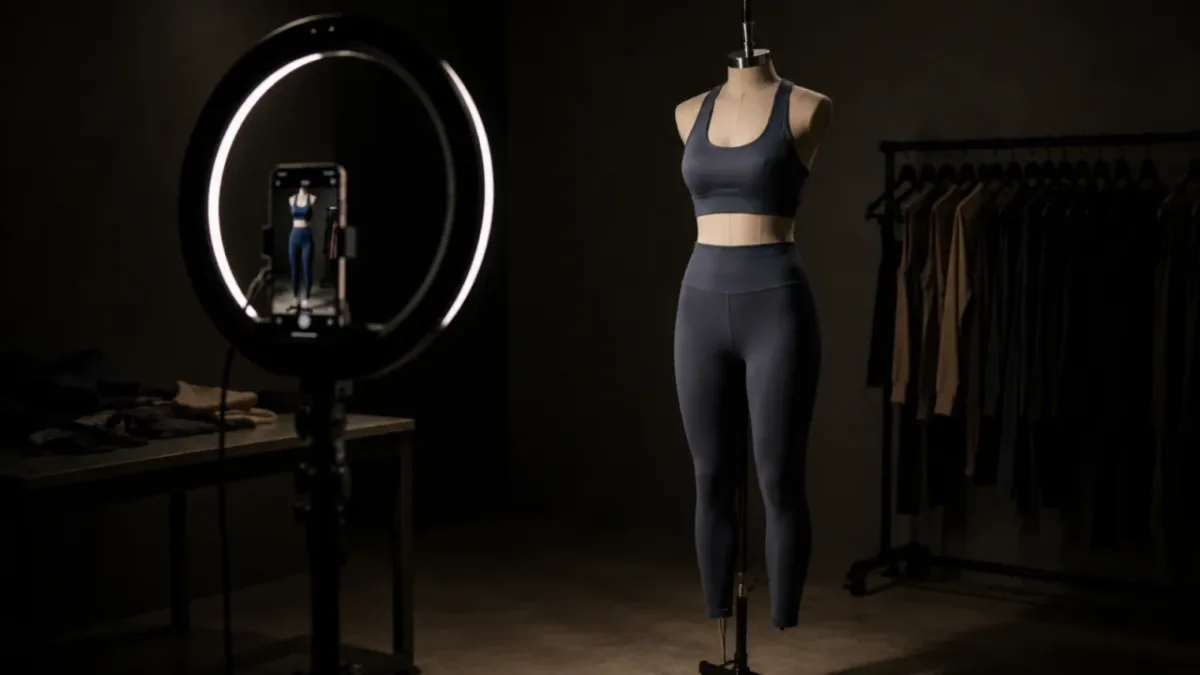
From Audience to Activewear: How a Creator Starts a Real Brand (Not Just Merch)
You have the hard part — the audience. The part creators stall on is manufacturing real activewear, not print-on-demand tees. The low-MOQ playbook from drop to reorder.
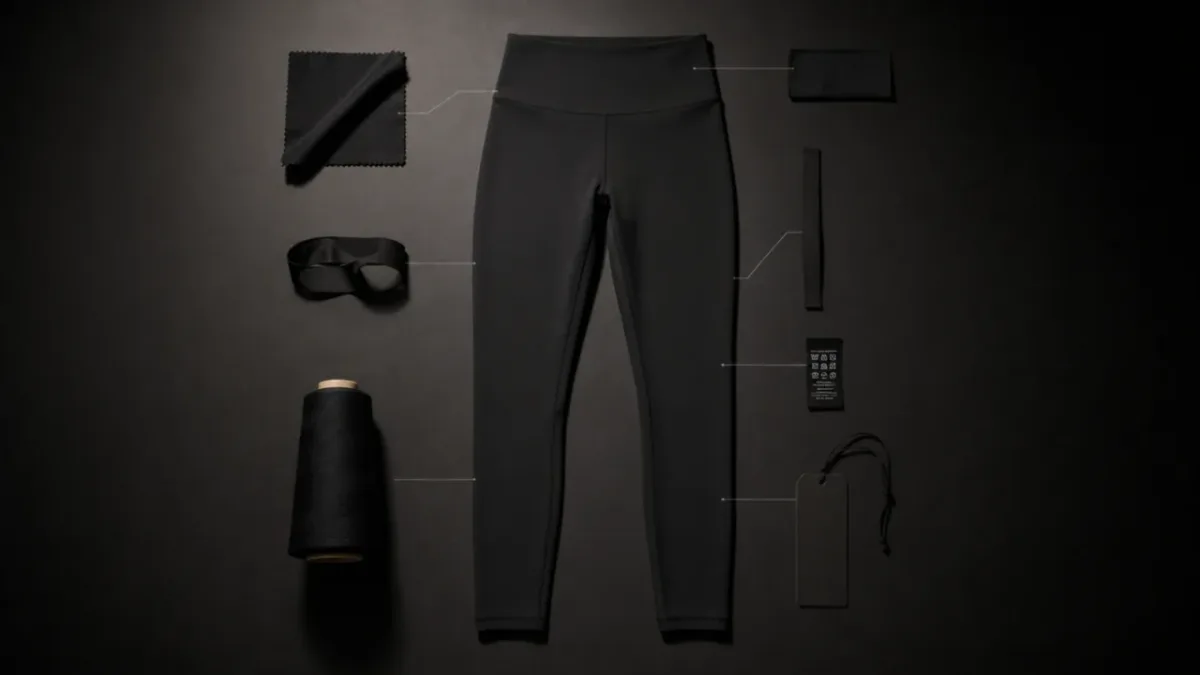
What It Actually Costs to Make Premium-Quality Leggings (And Why Retail Price Isn’t the Fabric)
A $100 legging is not $100 of fabric. Here's the real cost structure behind a premium-quality legging, why cheap manufacturing costs more, and how price moves with volume.
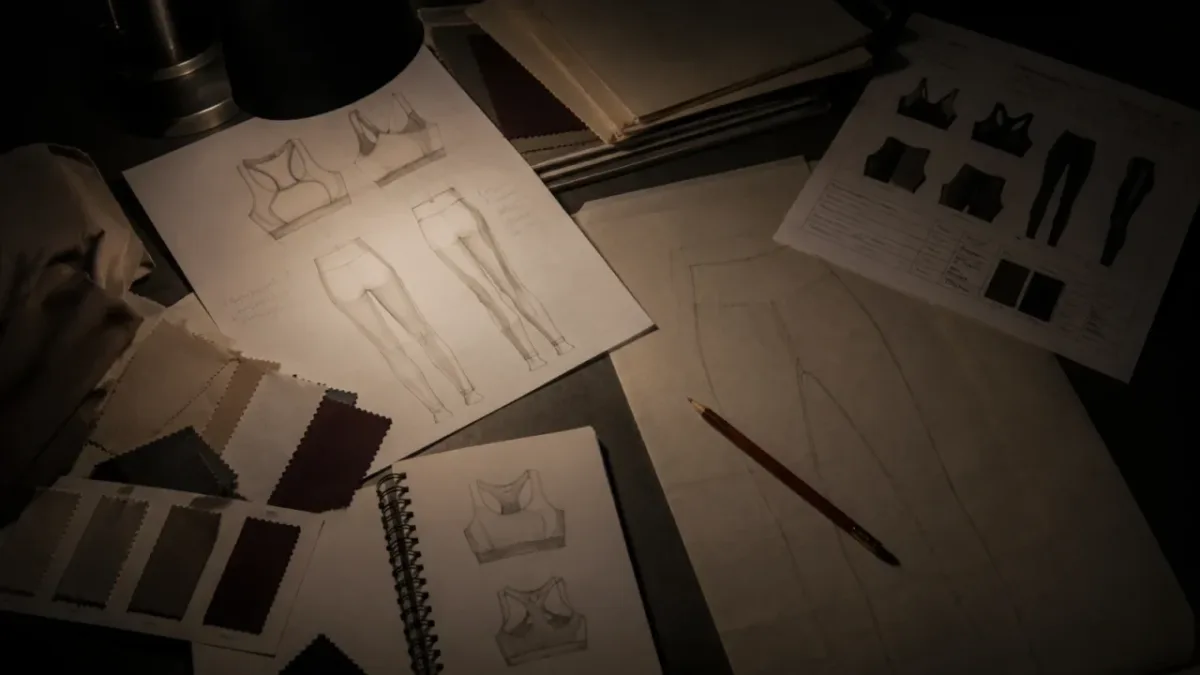
The “Dupe” Economy and Private Label: How to Make Your Own Version — Legally
"Dupe" culture built billion-dollar demand for affordable alternatives. Here's the line between an original inspired by a trend and a knockoff that gets you sued — and how to build on the right side of it.
How to Make “Align-Style” Buttery Leggings: What Nulu-Type Fabric Is and How to Spec It
That weightless, buttery, matte legging everyone references — here's what the Nulu-type fabric actually is, the opacity trade-off nobody mentions, and how to spec it for your own line.
How to Start an Activewear Brand Like Gymshark: The Sourcing Playbook
Gymshark started small and scaled — the part a new founder can actually copy is the sourcing, not the timing. The low-MOQ playbook from launch to reorder.
Organic Cotton or Polyester for Activewear? The Question Behind the Question
"Organic cotton" is two different claims wearing one name. GOTS vs OCS, where cotton actually beats polyester (and where it doesn't), and why the certificate matters more than the fibre.
Toxic Chemicals in Activewear: What the Headlines Get Right — and What to Actually Ask a Factory
BPA, PFAS, antimony, nitrosamines — the "toxic activewear" headlines are real, but the fibre is the wrong question. What actually reaches skin, and the one test that answers it.
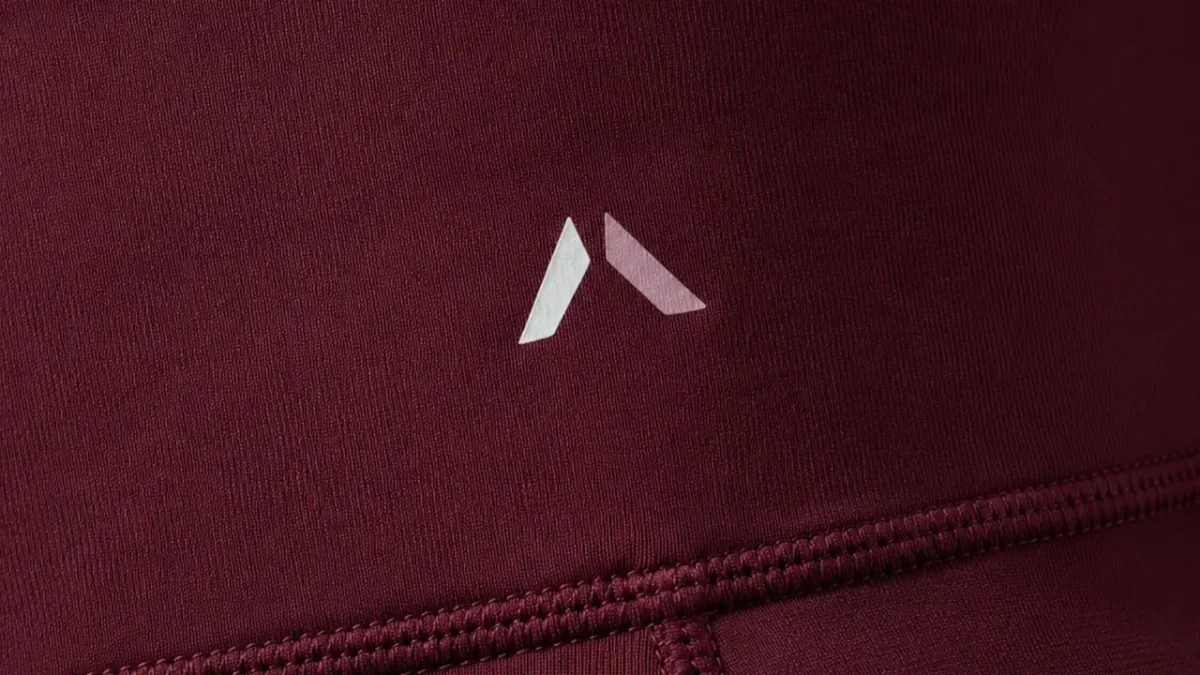
Why Your Logo Changed Color After a Few Washes: Dye Migration, Explained by a Factory
A white logo turning pink on red leggings isn't fading — it's dye migration. Cheap dyeing plus an unprotected logo, and it makes good brands look unprofessional.
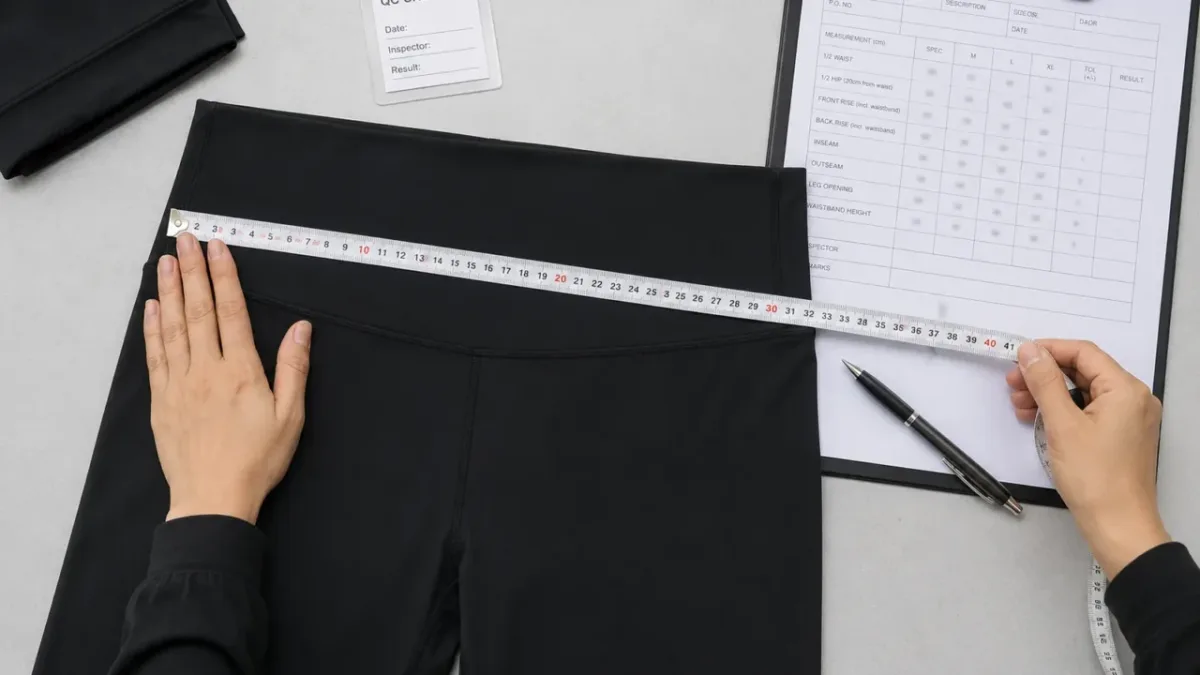
Measurement Tolerances in Activewear: What ± Actually Means at Inspection
Every spec sheet has a ± column; almost nobody agrees what happens when it's exceeded. How tolerances are set, measured and judged at final inspection.
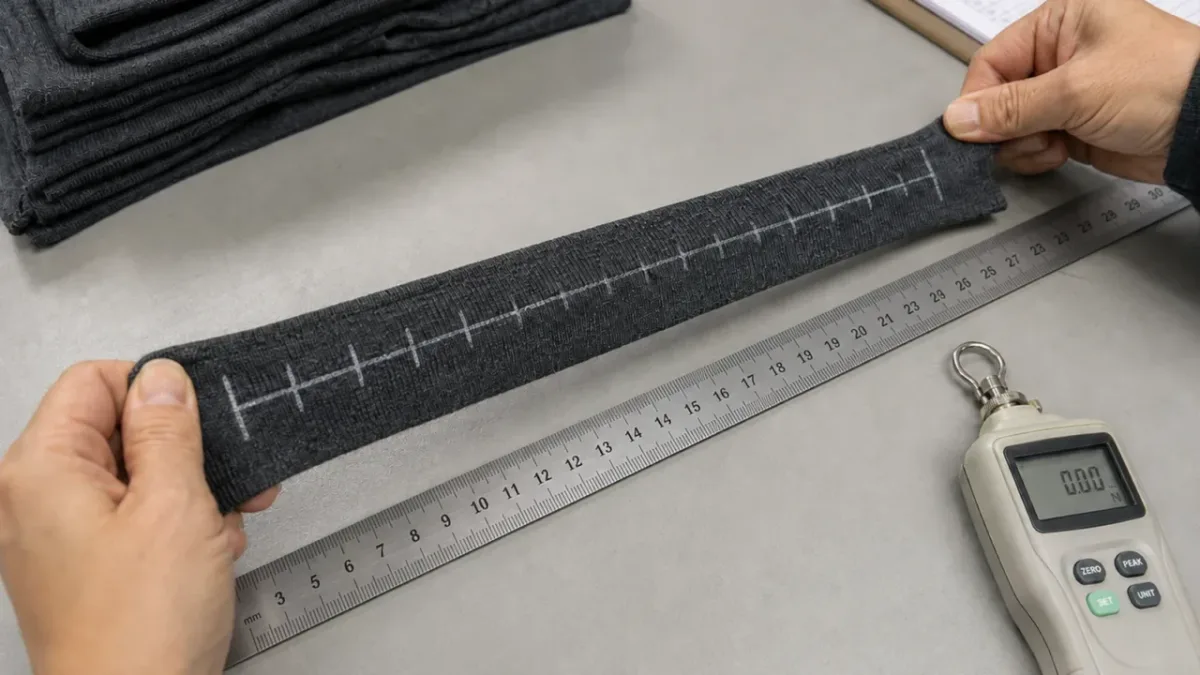
How We Test Stretch and Recovery at the QC Bench (And How to Read the Numbers)
"Four-way stretch" is an adjective. Elongation and recovery percentages are facts. How the bench test works, what the numbers mean, and what to ask your supplier for.
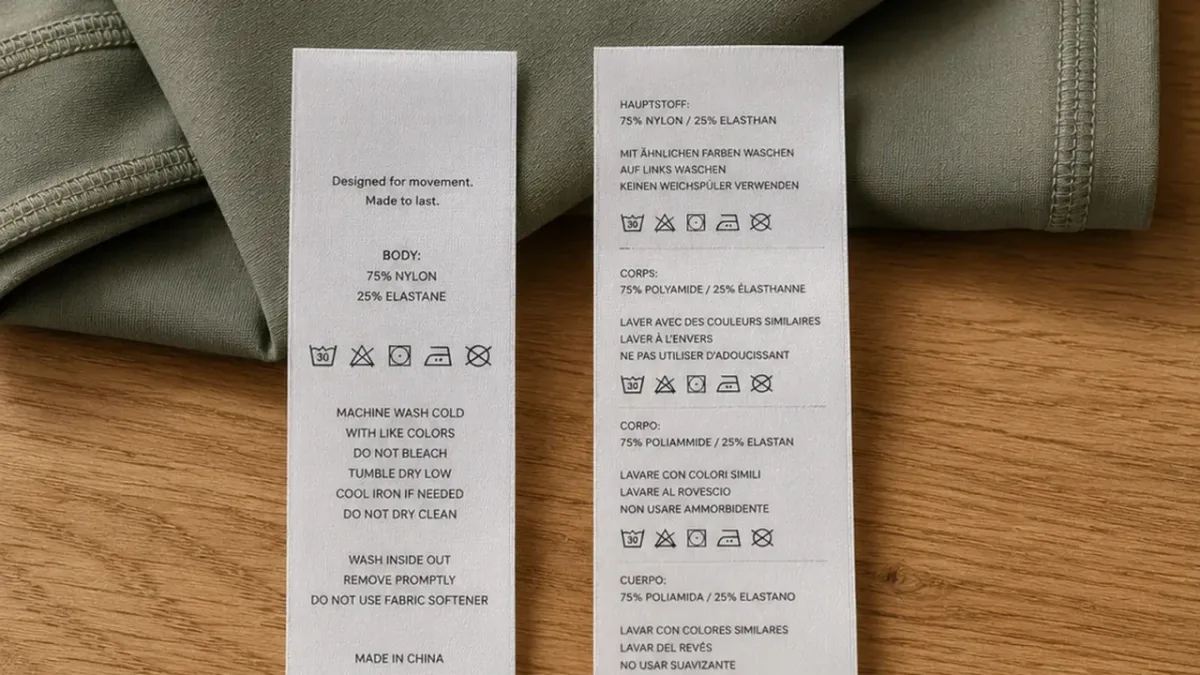
US vs EU Textile Labels: One Garment, Two Rulebooks
Fiber content, origin, care symbols, language rules — what a legging label legally needs in the US vs the EU, side by side, without the legal fog.
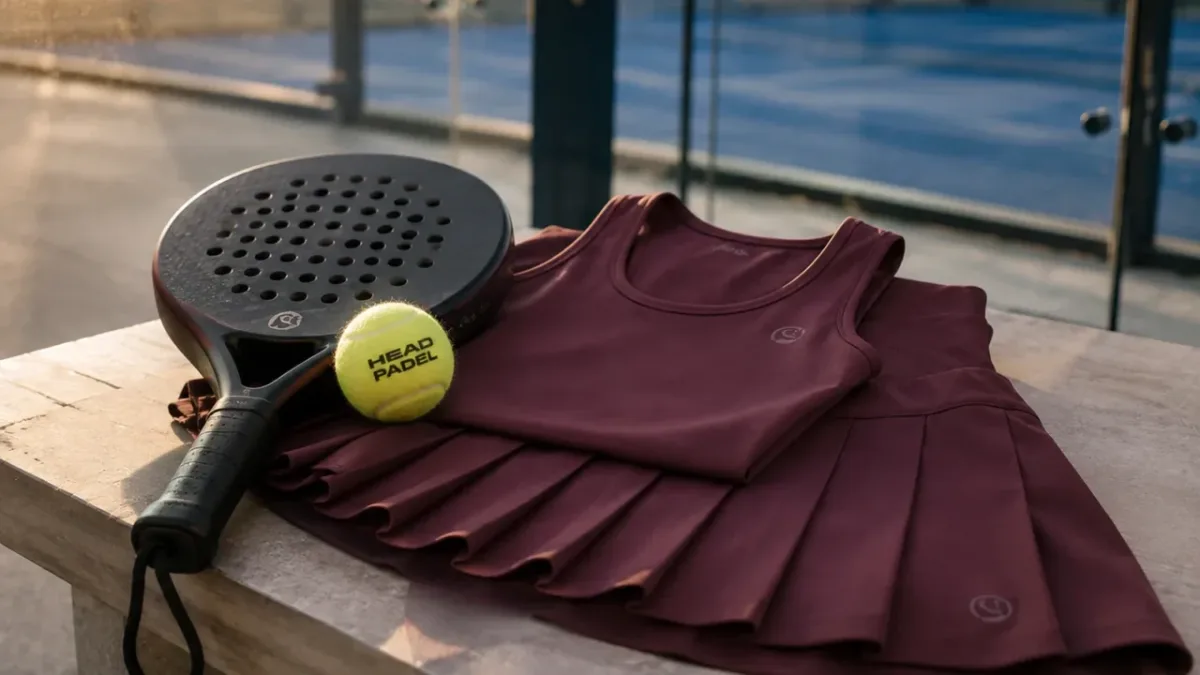
Private Label Padel Apparel: A Development Guide for the Fastest-Growing Racket Sport
Padel is filling clubs across Spain, Italy and Latin America — and most "padel wear" is relabeled tennis stock. A factory guide to doing it properly.
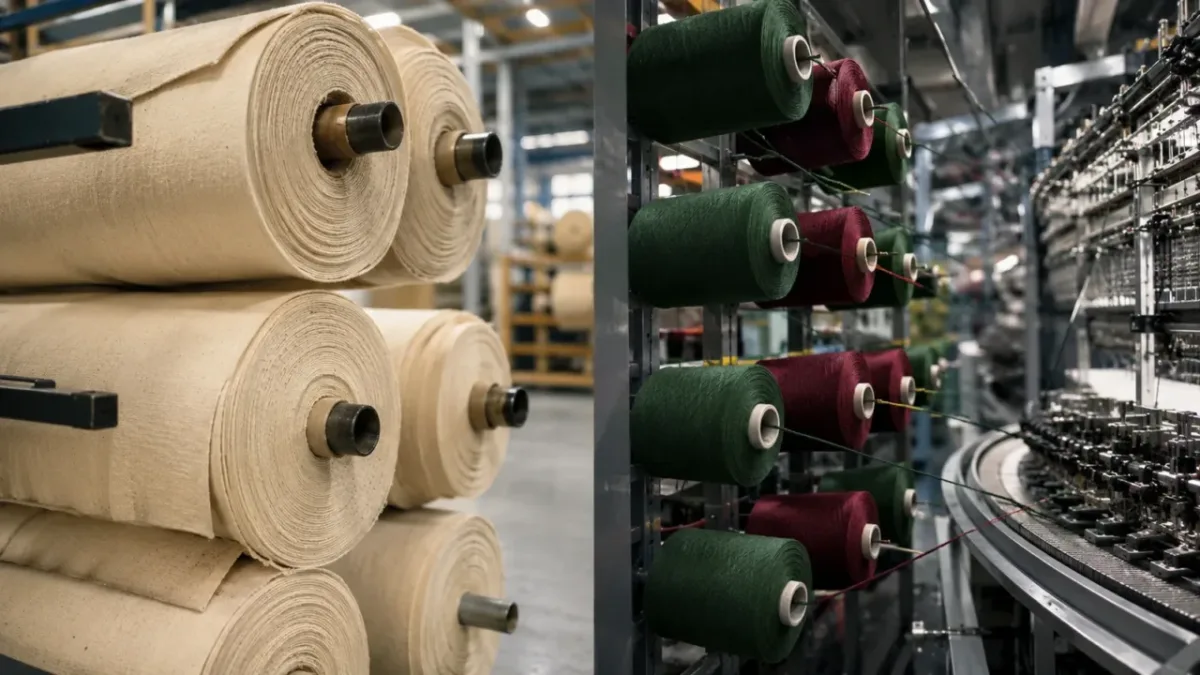
Stock Fabric vs Custom-Knitted Fabric: The Decision Hiding Inside Every Quote
Same garment, two fabric routes: dye stock greige to your color, or knit fabric to your spec. MOQ, lead time and control differences, explained by a factory.
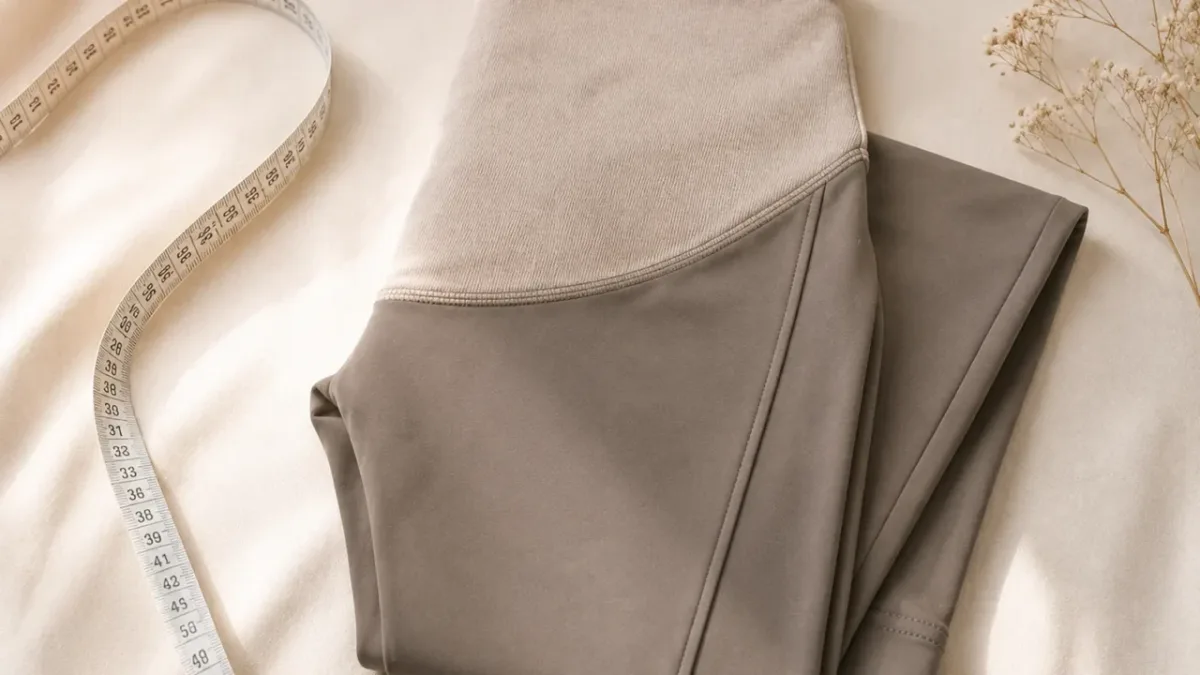
Maternity Activewear Is a Grading Problem, Not a Size-Up Problem
Scaling a regular legging up two sizes doesn't make maternity wear. Over-bump vs under-bump engineering, the third dimension in grading, and where seamless shines.
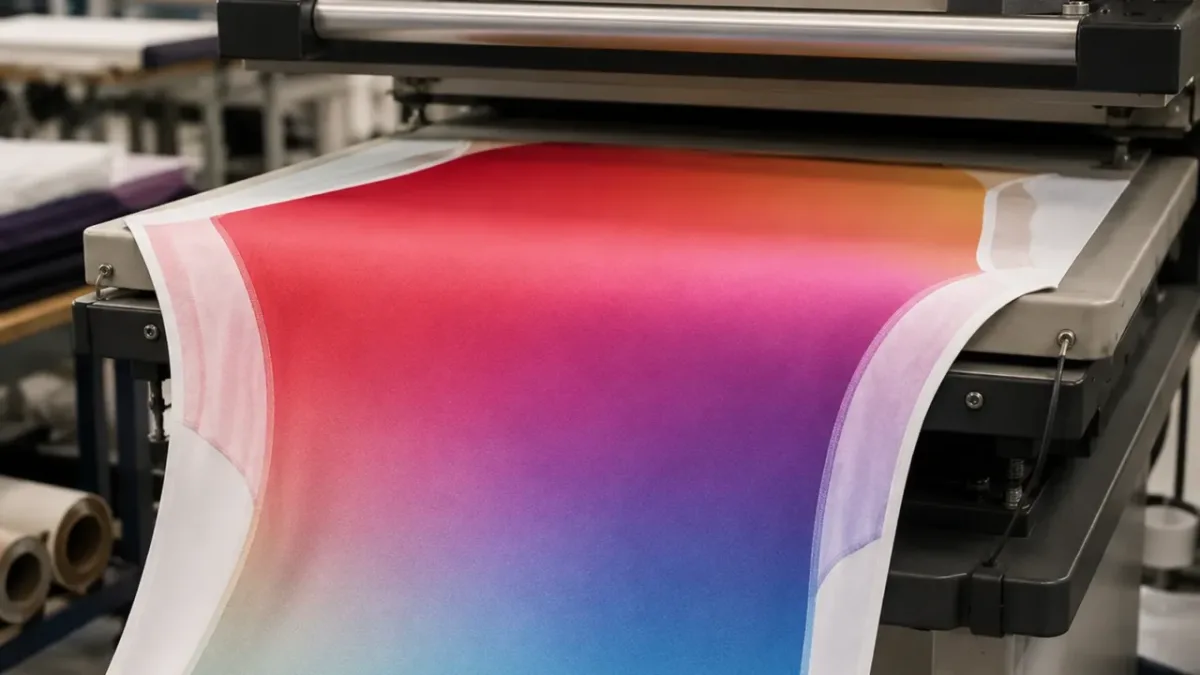
All-Over Sublimation Printing Only Works on Polyester — What That Means for Your Line
Sublimation dyes bond with polyester at ~200°C and ignore nylon completely. If you want all-over prints, that decides your fabric before your design does.
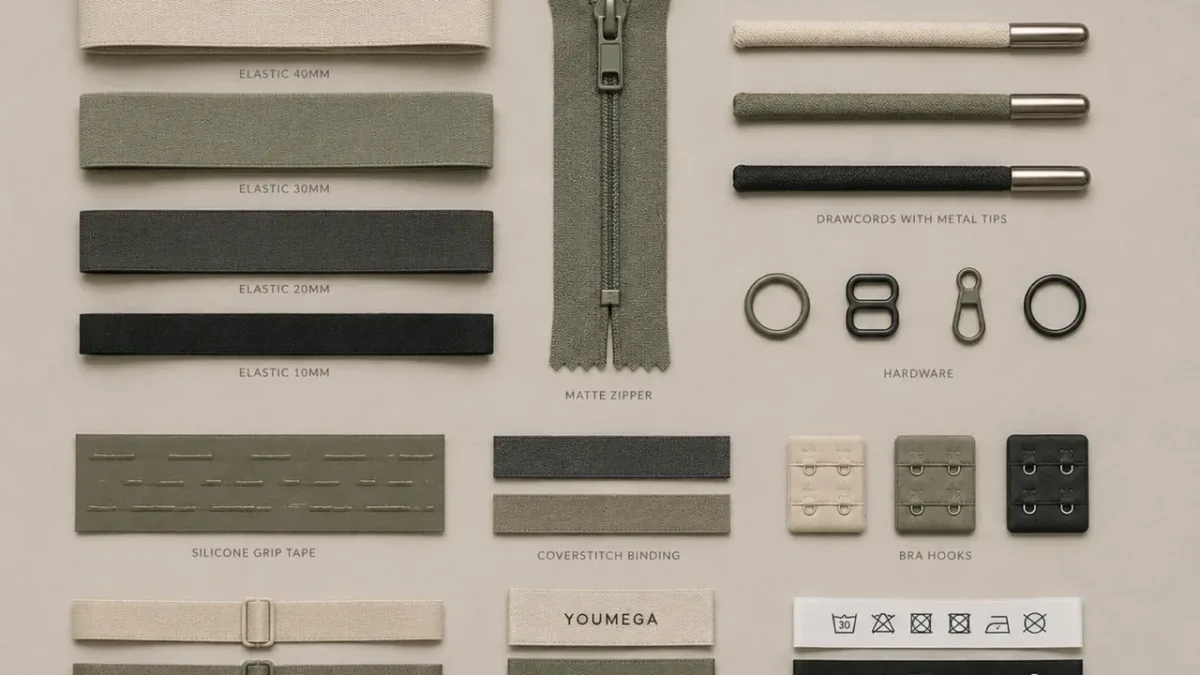
The Trim Sheet Nobody Fills In: Elastics, Zippers, Drawcords and Hardware That Decide How a Garment Wears
Trims are 5% of the cost and 50% of the complaints. A factory guide to elastic types, zipper specs, drawcords and hardware — and what to write in your tech pack.
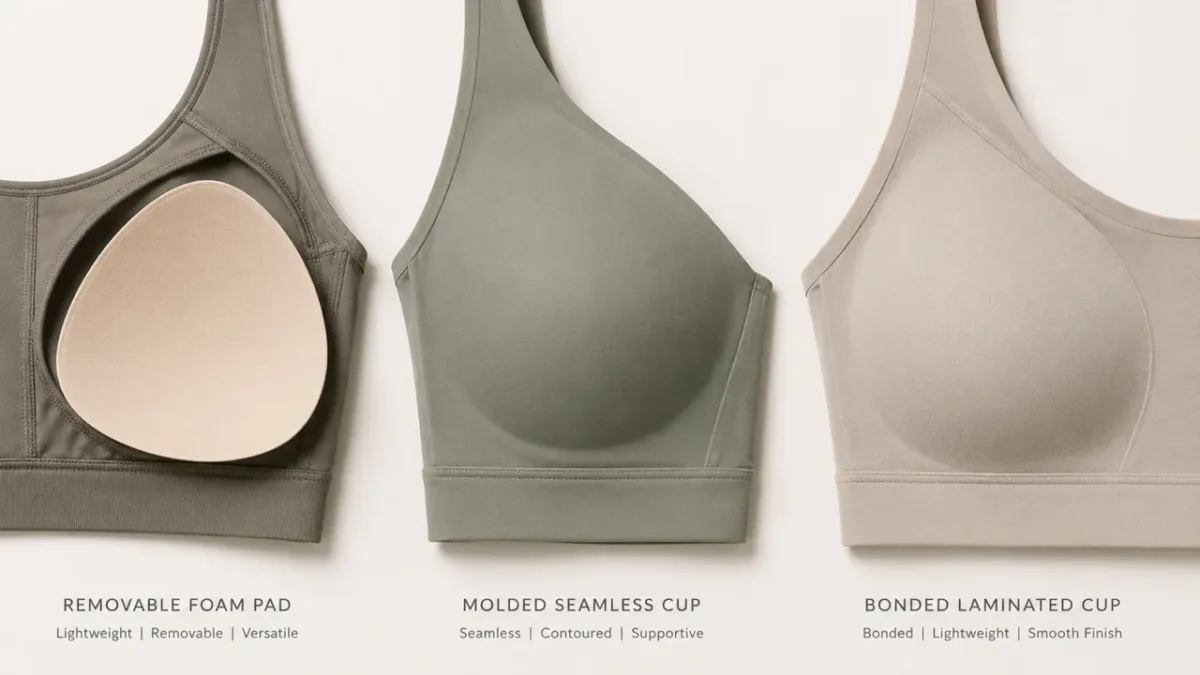
Removable Pads, Molded Cups or Bonded Cups? A Factory Guide for Sports Bra Lines
The cup decides cost, MOQ, wash behavior and how "premium" your bra feels. A factory comparison of removable pads, molded cups and bonded construction.
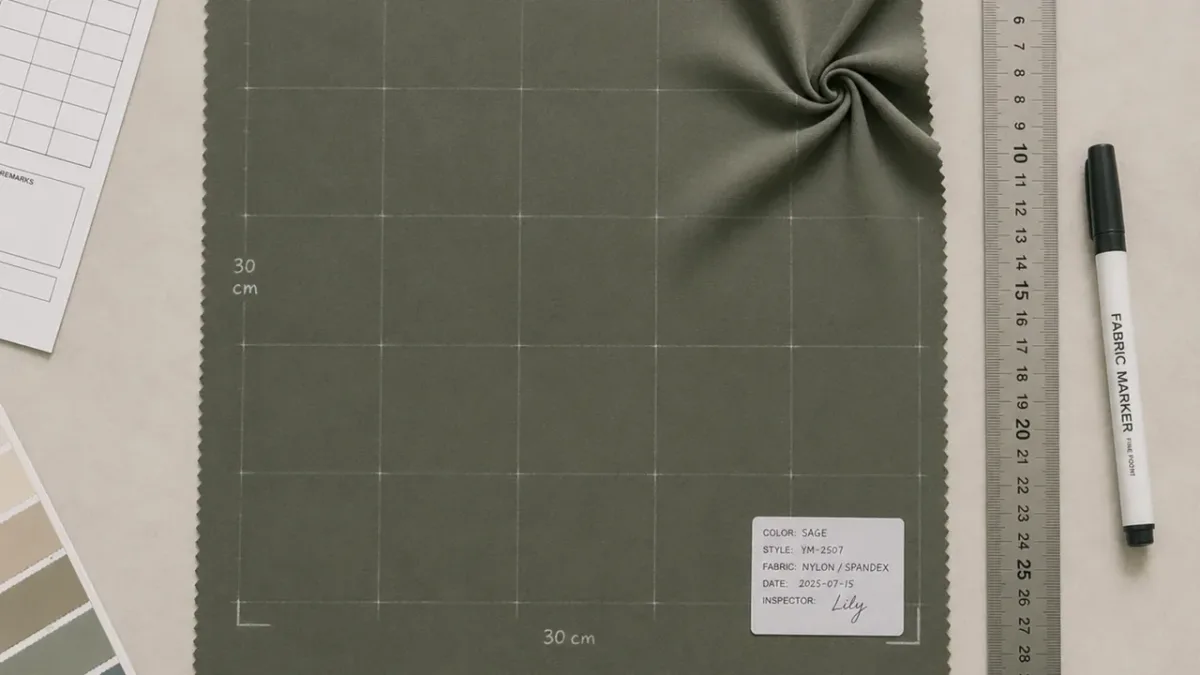
Shrinkage and Torque: The Two Wash Tests That Predict Whether Your Activewear Survives
A legging that fits in the fitting room and twists after three washes didn't fail randomly — it skipped two cheap tests. Here's how shrinkage and torque testing work.
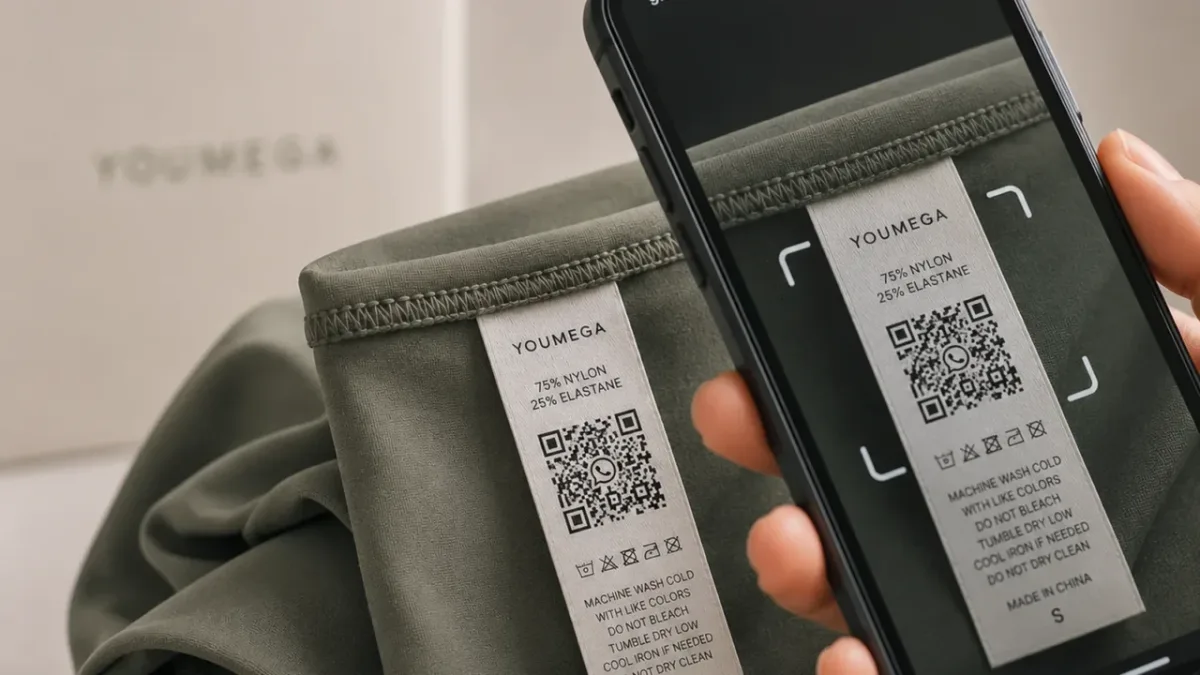
The EU Digital Product Passport Is Coming for Textiles: What to Prepare Now
The EU DPP registry went live in July 2026, and textiles are a priority category. No panic needed — but start collecting these data points now.
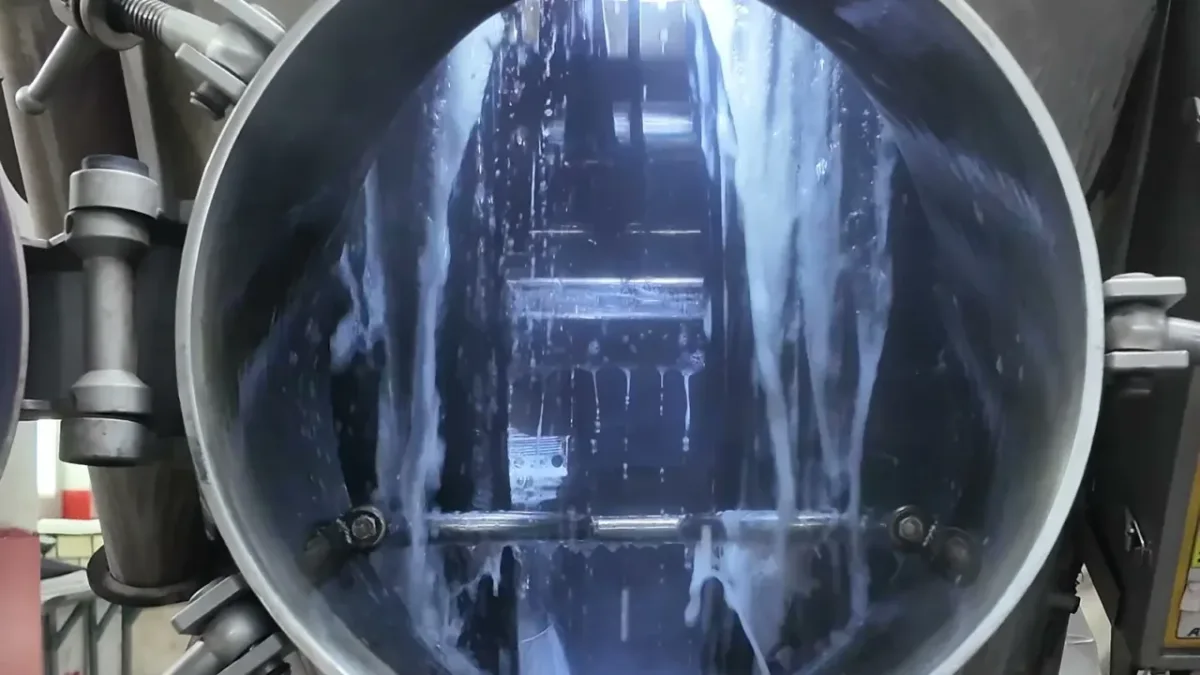
Azo Dyes, APEO and Heavy Metals: How Restricted-Substance Screening Actually Works
"REACH compliant" is easy to say. Here's what restricted-substance screening actually looks like at the dye house and trim supplier level — and what to ask for.
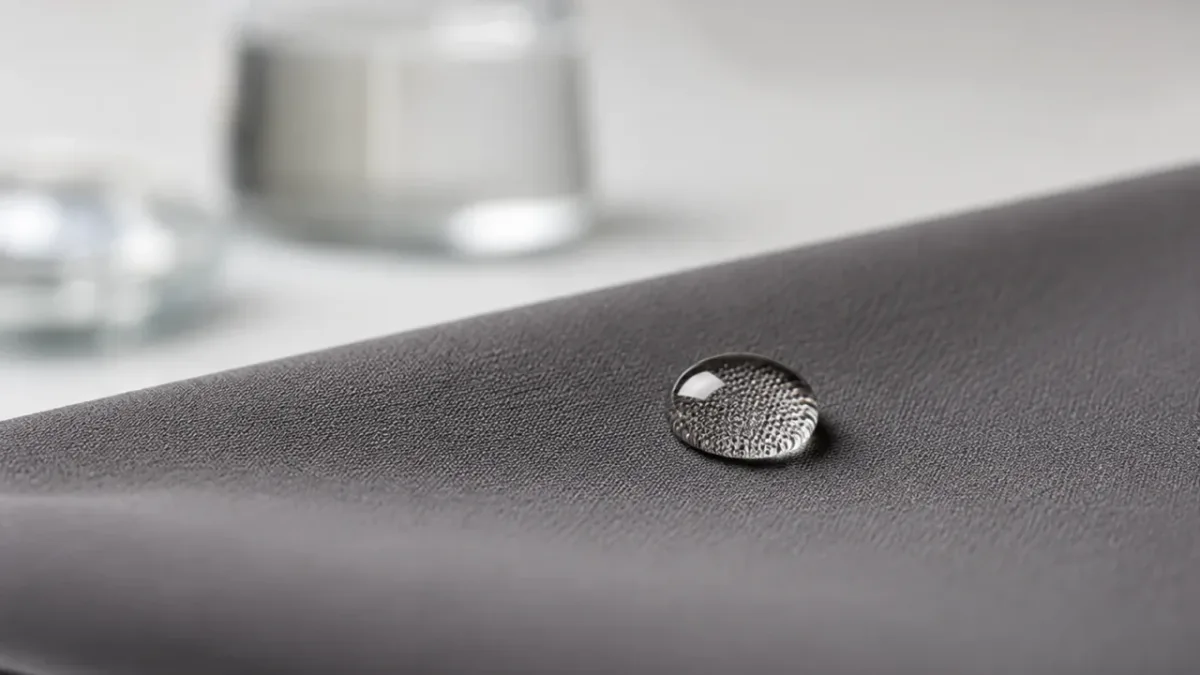
PFAS in Yoga Wear: What It Is, What the Law Says, and the Honest Answer to “Are You Certified PFAS-Free?”
California and New York banned intentionally added PFAS in apparel from 2025. Here's how PFAS gets into activewear, and how we screen it out — honestly, without a certificate that doesn't exist.
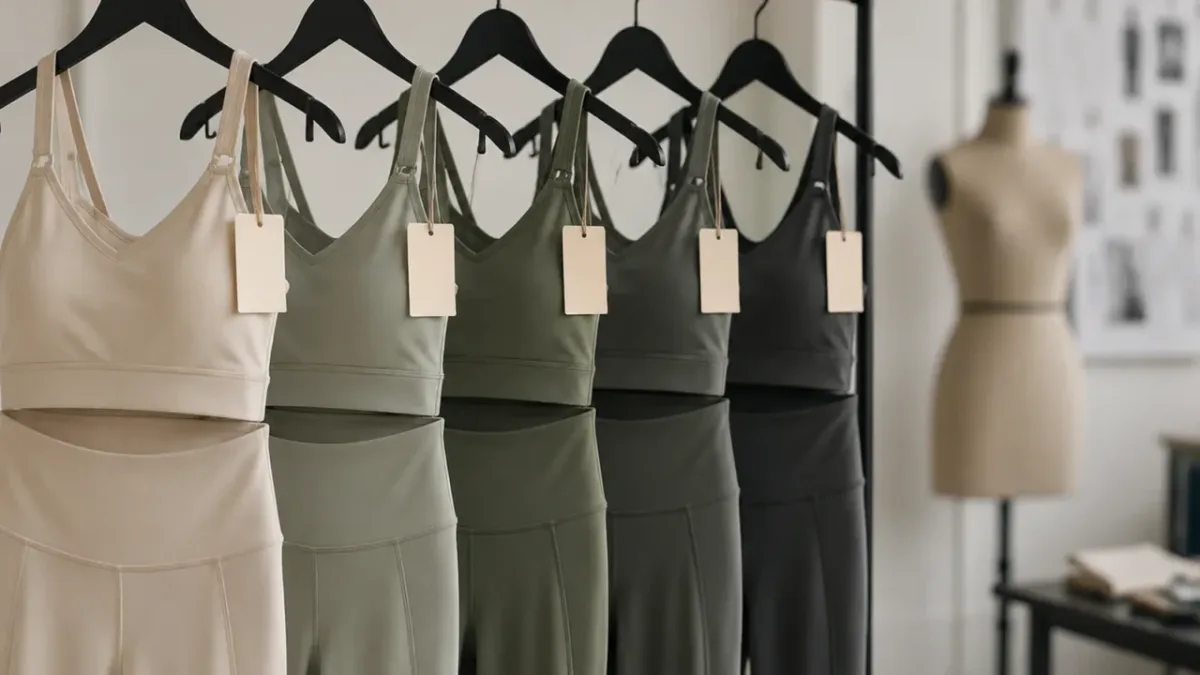
Proto, Fit, Size Set, PP: Activewear Sample Types Explained
Approving the wrong thing at the wrong sample stage is how good briefs become bad bulk. A factory's dictionary of sample types — and what to check at each one.
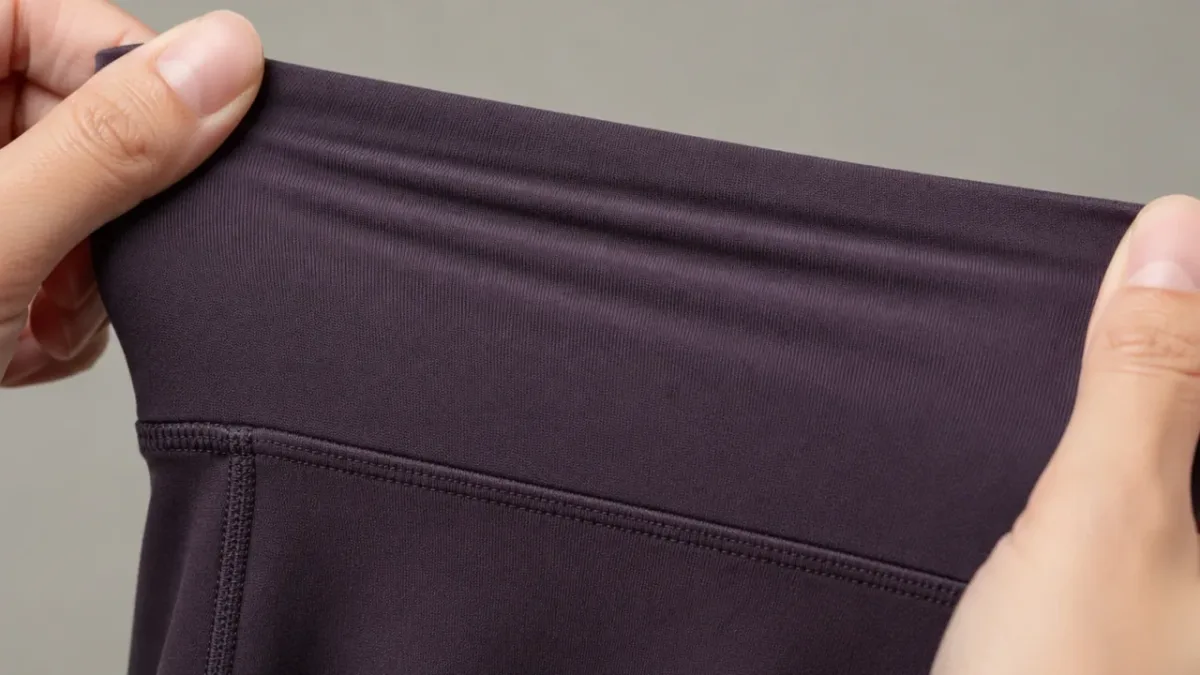
Why Leggings Lose Their Stretch: Elastane Degradation, Explained by a Factory
Heat over 60°C permanently damages elastane. A factory explains why leggings go baggy, which fiber choices delay it, and what your care label should really say.
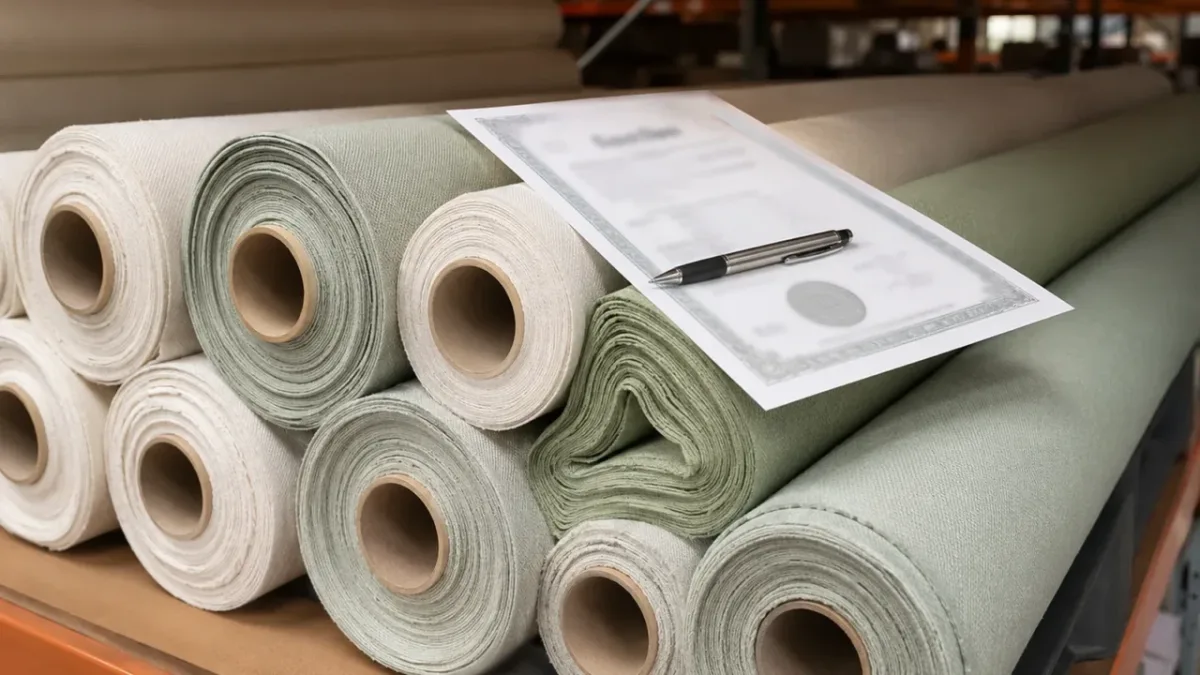
GRS Scope Certificate vs Transaction Certificate: What Buyers Actually Need
A scope certificate certifies a facility. A transaction certificate certifies a shipment. Most "GRS certified" claims confuse the two — here's what your brand actually needs.
Top 10 Leggings Manufacturers in China (2026) — GSM, Squat-Proof Claims and Construction, Verified From Their Own Websites
We checked what 10 Chinese legging factories actually publish — GSM ranges, squat-proof promises, gussets, seamless capability and size ranges — on July 10, 2026. An honest comparison with our conflict of interest declared.
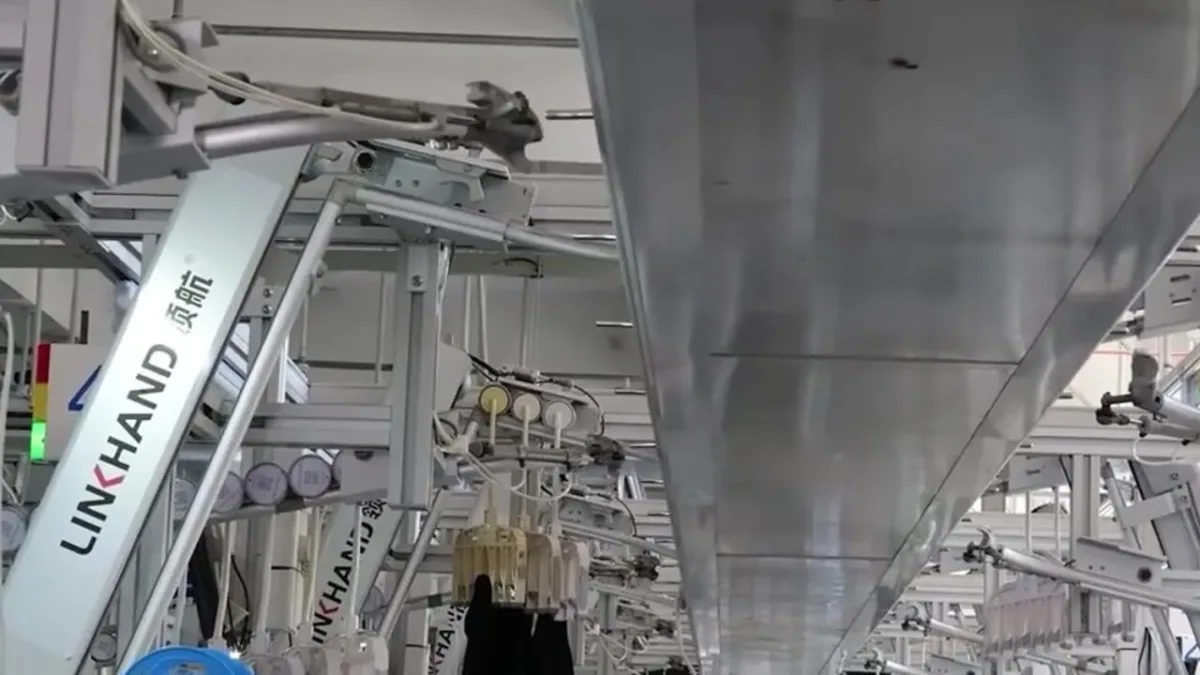
Top 10 Activewear Manufacturers in China (2026) — Verified MOQs, Certifications and What Their Own Websites Say
We checked 10 Chinese activewear factories' own websites on July 10, 2026 — MOQs, certifications, founding years, and the claims that don't add up. An honest comparison, conflict of interest disclosed.
Yoga Wear Essentials — The Few Things That Make or Break a Yoga Legging
A yoga legging gets worn or returned on a handful of details — squat-proof opacity, real four-way stretch performance, and a waistband that doesn't dig. Here's what to nail first when you develop a yoga line, how to spec each one, and where founders overspend.
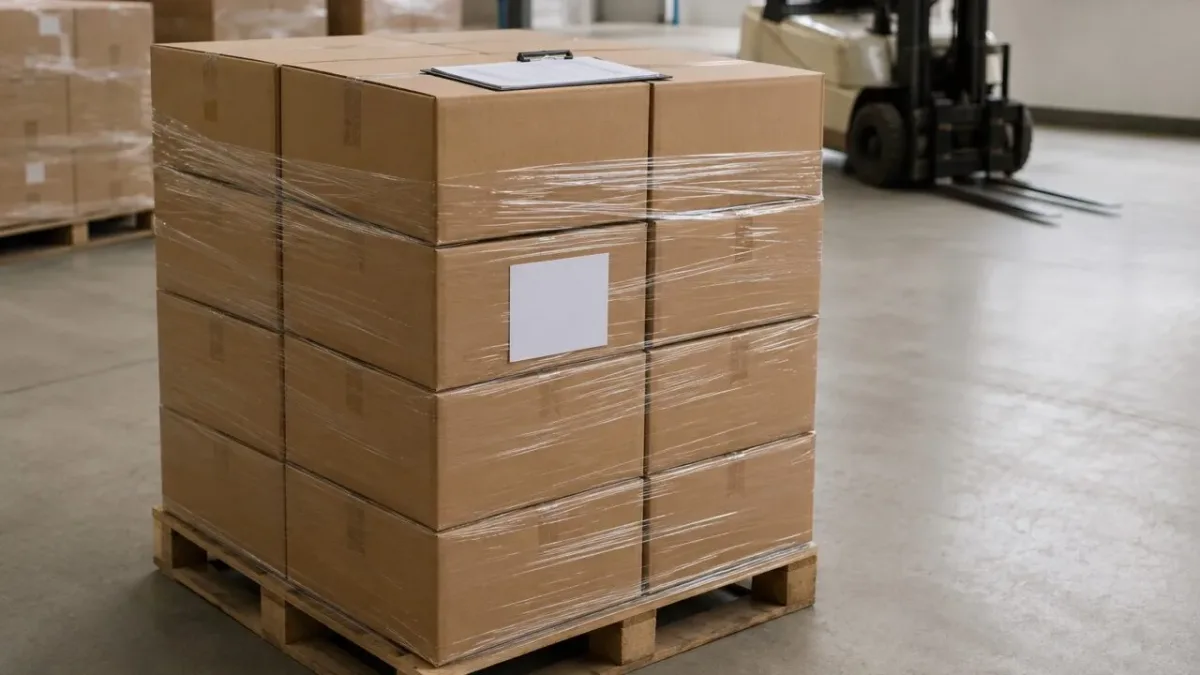
How to Find a Reliable Chinese Freight Forwarder — Vetting, Red Flags, and the Lowball Trap
A freight forwarder (货代) can quietly decide your landed cost. Here's what one actually does, how to vet a reliable one, and how to spot the lowball-quote-then-upcharge pattern before you commit.
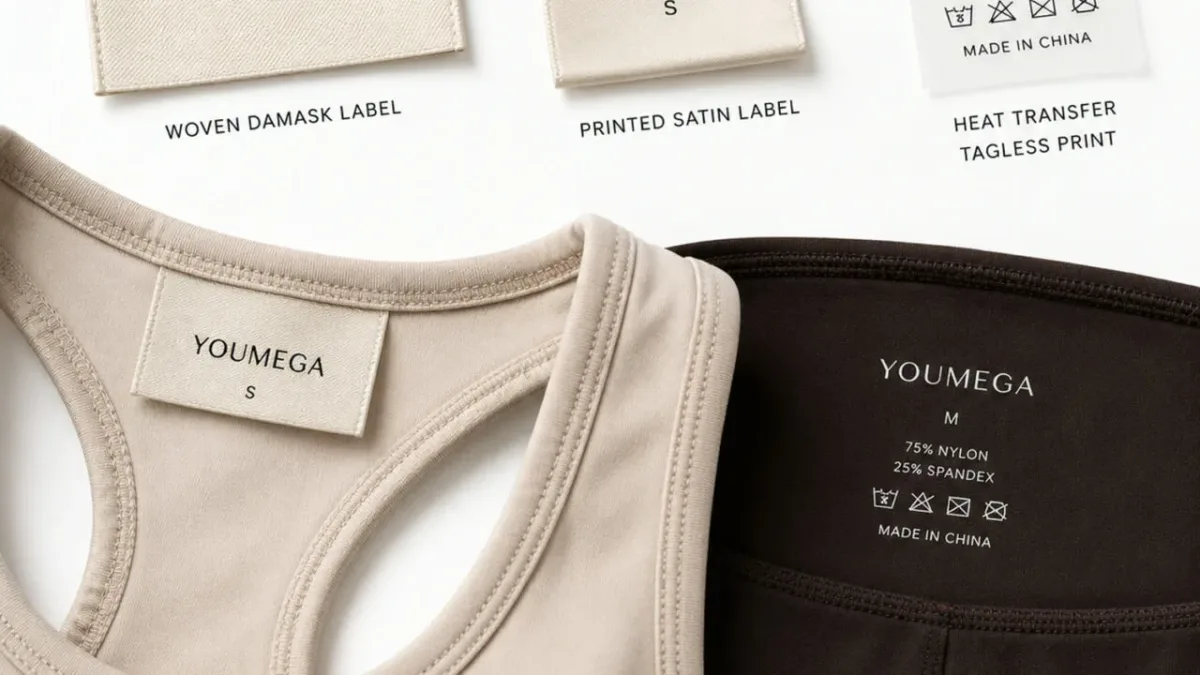
Why Some Printed Wash Labels Peel Off — and Why It’s Often By Design, Not a Defect
A customer says the care label inside your leggings faded after a few washes while the logo held. Often that gap isn't a defect — it's a deliberate label choice. Here's what's really going on.
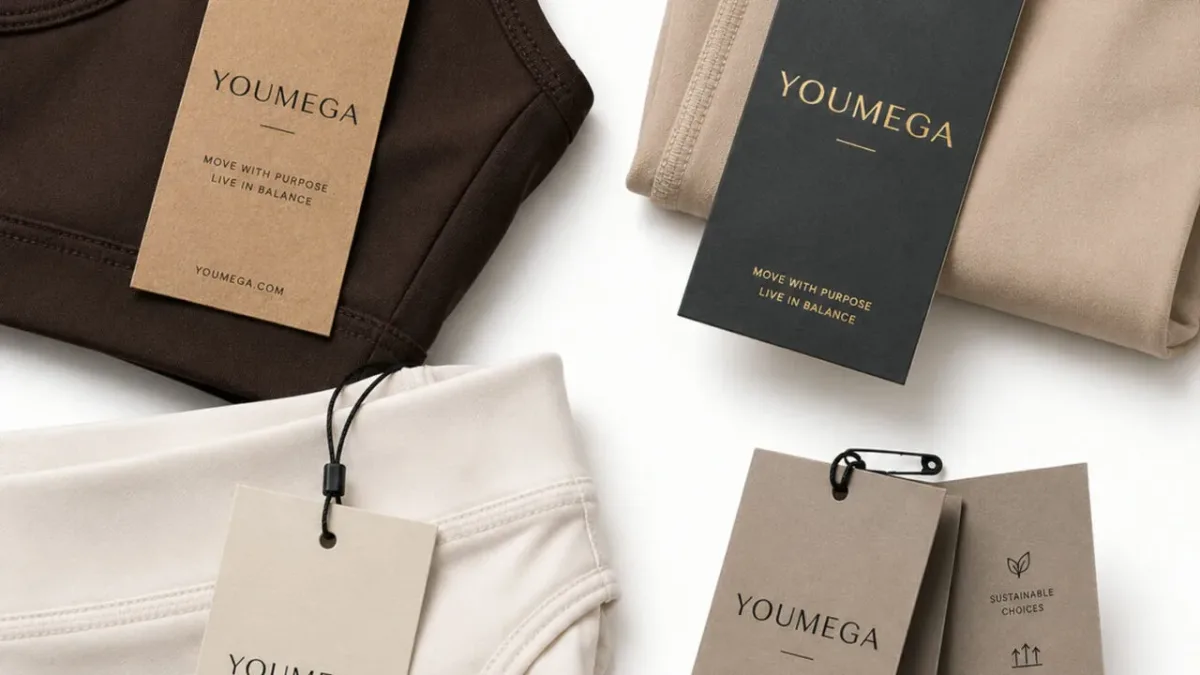
Hangtags, Labels, and Packaging — How to Design the Brand Touches That Ship With Every Garment
Your sample legging is perfect, then it arrives in a plain bag with a scratchy tag and a crooked label. The hangtag, wash label, and packaging are where a private label reads as a brand or reads as generic. Here's how to design all four.
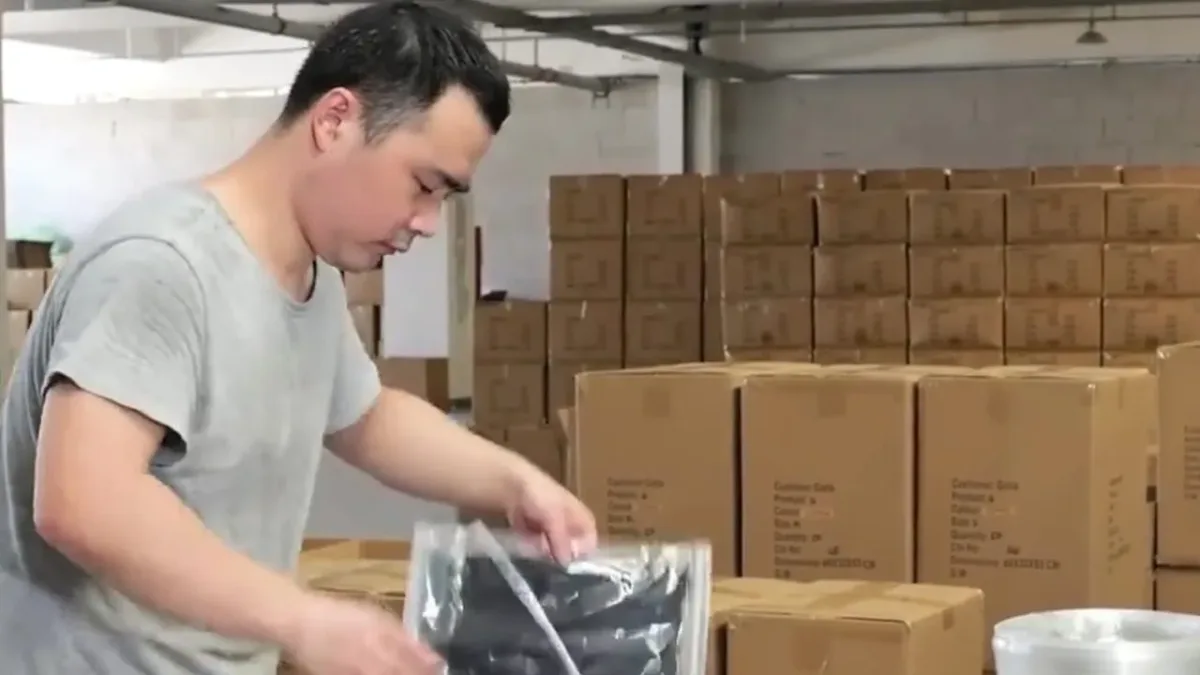
The Order We Didn’t Reprice — What a Factory That Thinks Long-Term Is Worth
Mid-production, a force-majeure shock pushed materials and freight up — and a first-time founder had no budget left. Here's the choice we made, why it started a five-year partnership, and how to spot a factory that thinks long-term.
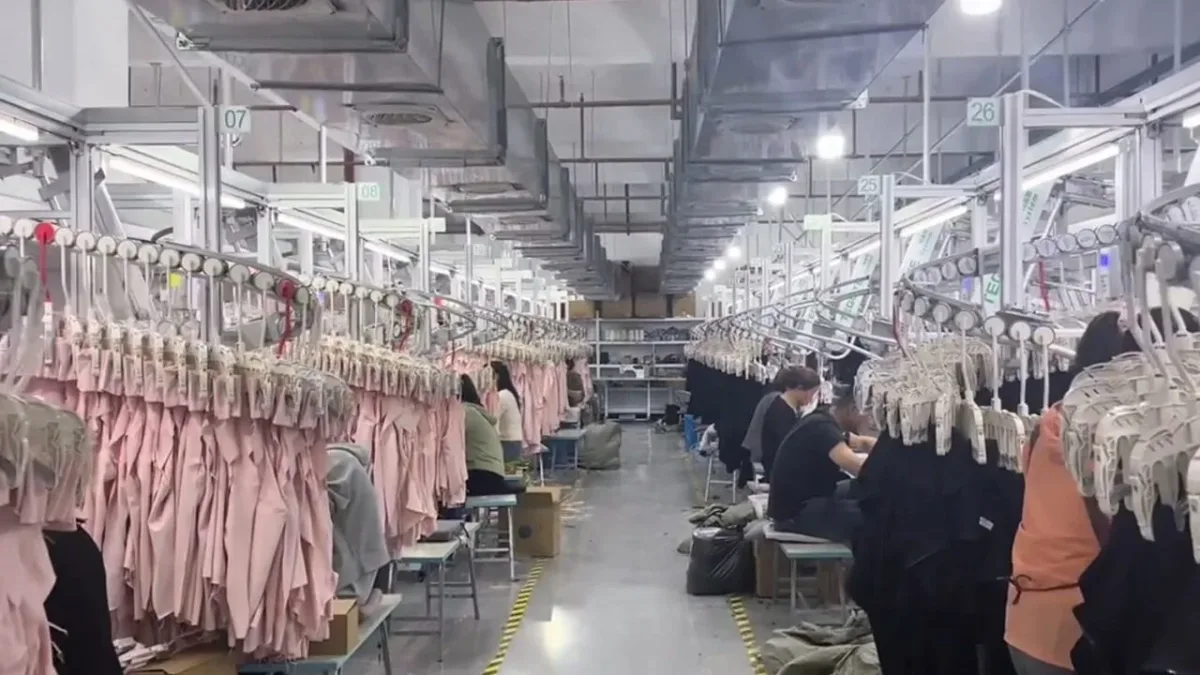
Ethical Activewear Manufacturing — The Social-Compliance Audits Your Brand Should Verify (BSCI, SMETA, WRAP)
A labor scandal at your factory becomes your brand's problem, not the factory's. What BSCI, SMETA, and WRAP audits really check, how to spot a borrowed certificate, and where OEKO-TEX fits — in plain terms.
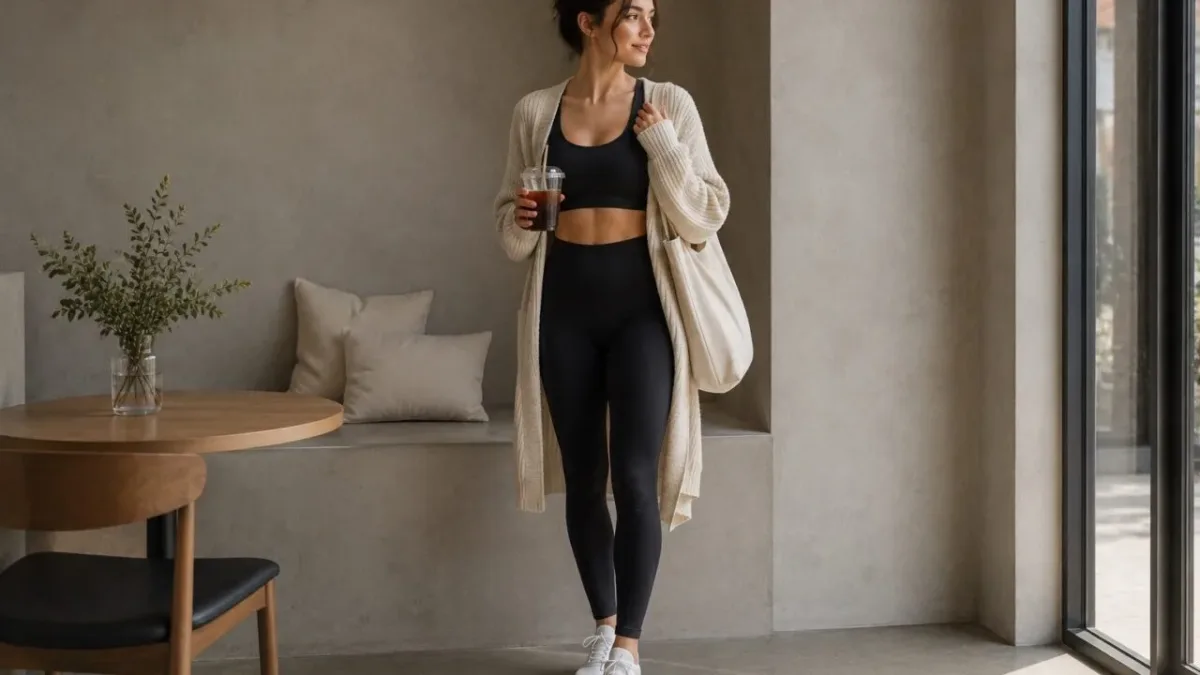
Designing Activewear for Everyday Wear — The Small Choices That Take a Piece From Gym to Street
Most people who buy your leggings will rarely train in them. The design choices — matte vs shiny finish, silhouette, colourway, waistband, subtle branding — that make activewear work all day, and why to plan for versatility from your first collection.
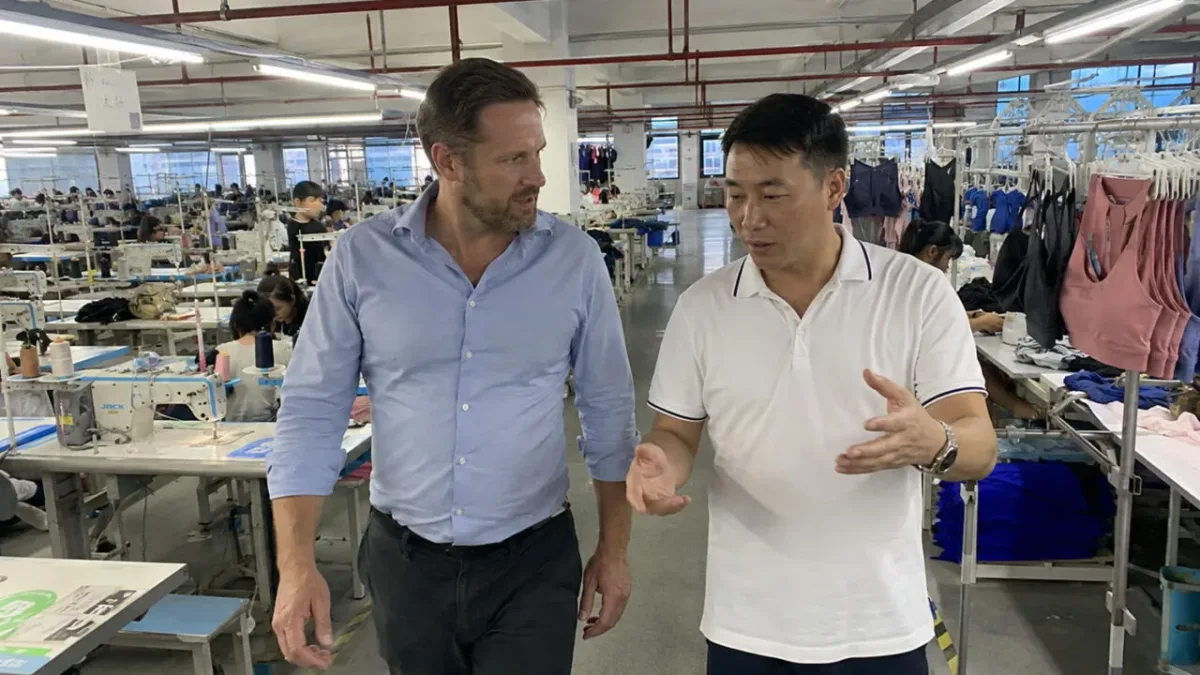
Visiting Your China Activewear Factory — The Practical Setup: Visa, Payments, Data and Floor Etiquette
China went cashless and behind a firewall. Here's the practical setup to visit your activewear factory — visas, paying with Alipay/WeChat Pay, an eSIM that reaches your apps, what to pack, and floor etiquette.
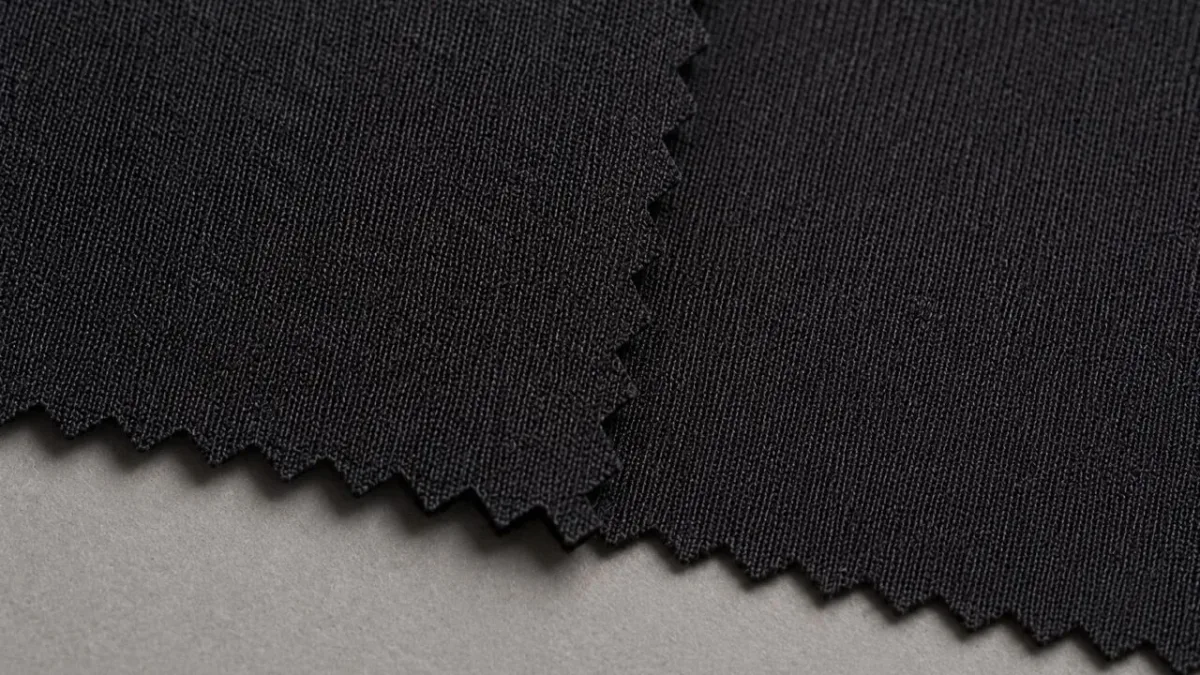
Reordering — Why “Same as Last Time” Is Not a Button We Push
Your bestseller sold out, you reorder "the same," and the second run comes back a shade off. Here's why a reorder is a fresh production run — dye lots, yarn lots, minimums — and how to hold your color and fit across drops.
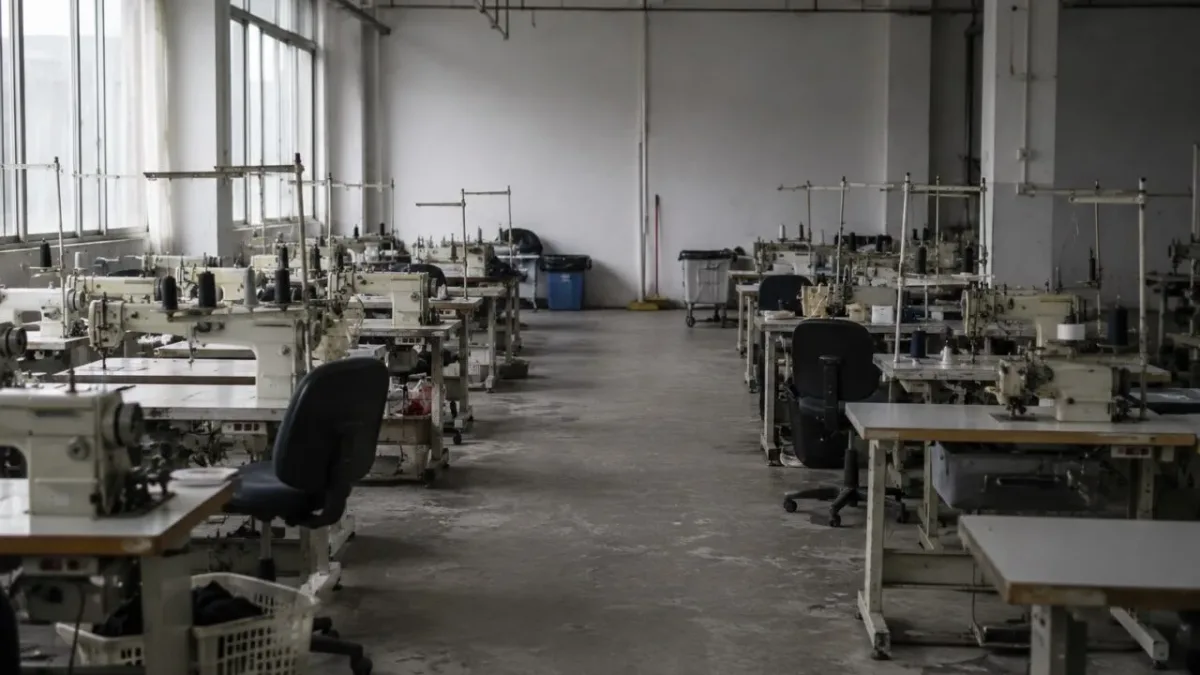
Chinese New Year & Peak Season — Planning Activewear Lead Times Around a Factory That Closes
A Chinese factory "closed for a week" at New Year is really down for a month once you count the slow ramp. Here's how to plan activewear orders, buffers and reorders around it.
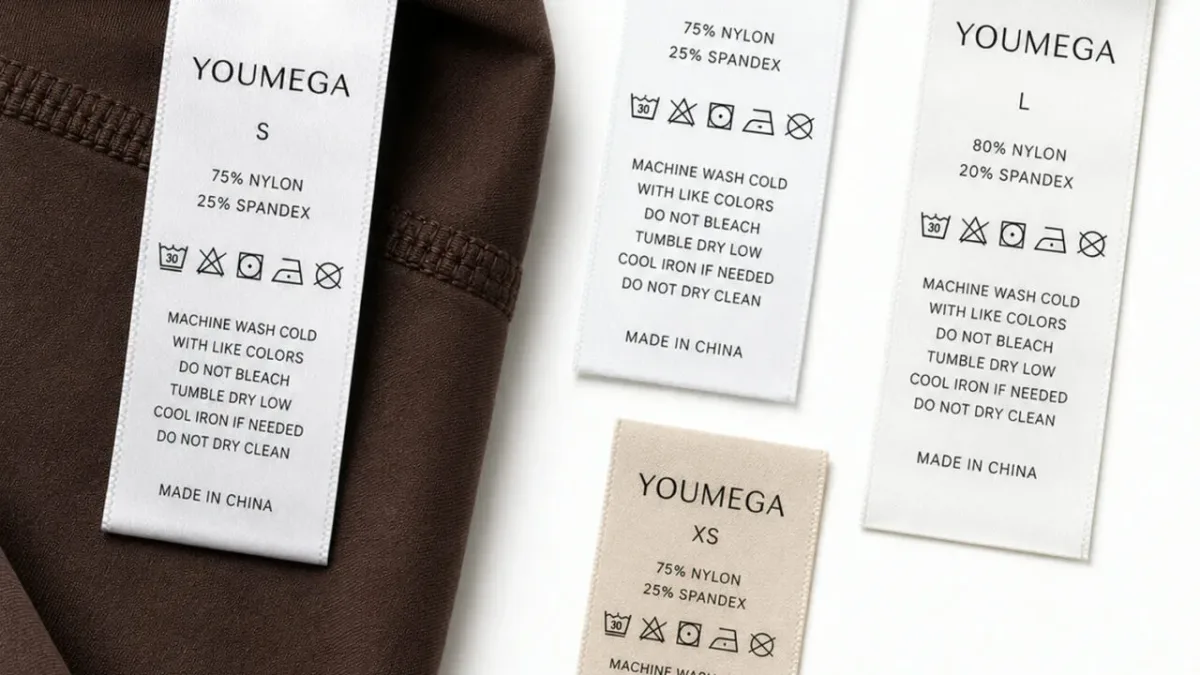
Activewear Label Compliance for US Importers — FTC, Customs, and Where CPSIA Kicks In
Your factory prints the tag, but US law holds you — the importer — liable for what it says. The fiber, country-of-origin, care, and CPSIA rules in plain terms, plus where not to waste money.
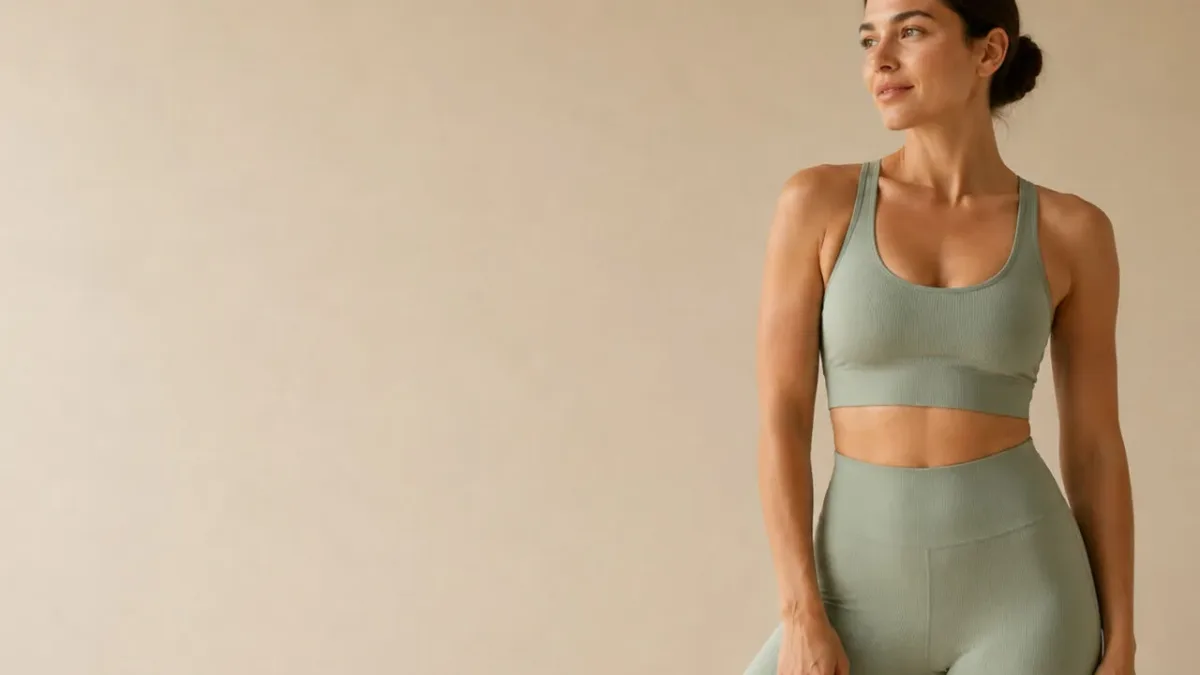
Shapewear vs Compression Activewear — How Each Is Made and How to Spec It
Shapewear and compression activewear look alike but do opposite jobs. How zoned control, powernet and seamless shaping differ — and how to spec each.
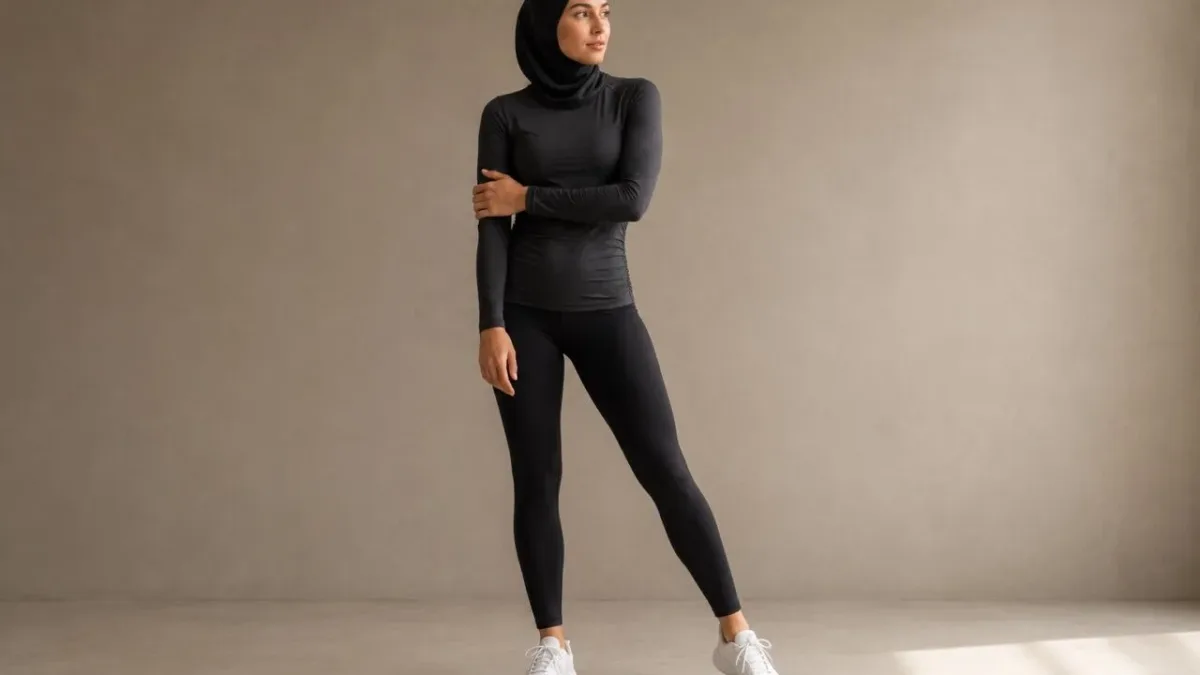
Modest & Hijab-Friendly Activewear: A Factory Guide to Design and Sourcing
Modest activewear isn't regular activewear cut longer. Here's how coverage, opacity, sport hijabs and heat are actually engineered — and what to spec before you order.
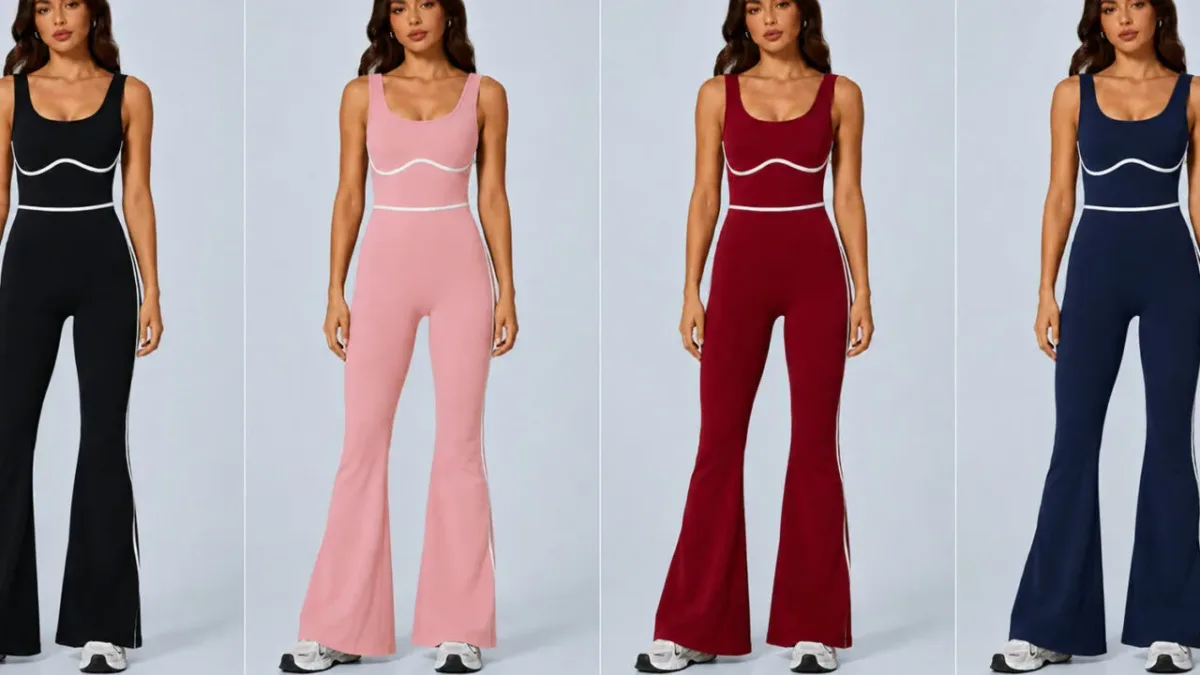
Flare and Bootcut Leggings — Patterning the Sweep, and the Fabric That Makes It Hang
Flares are back — but a standard gym-legging fabric clings to the calf instead of hanging. A factory guide to patterning the sweep, choosing weight and drape over stretch, grading, and finishing the hem.
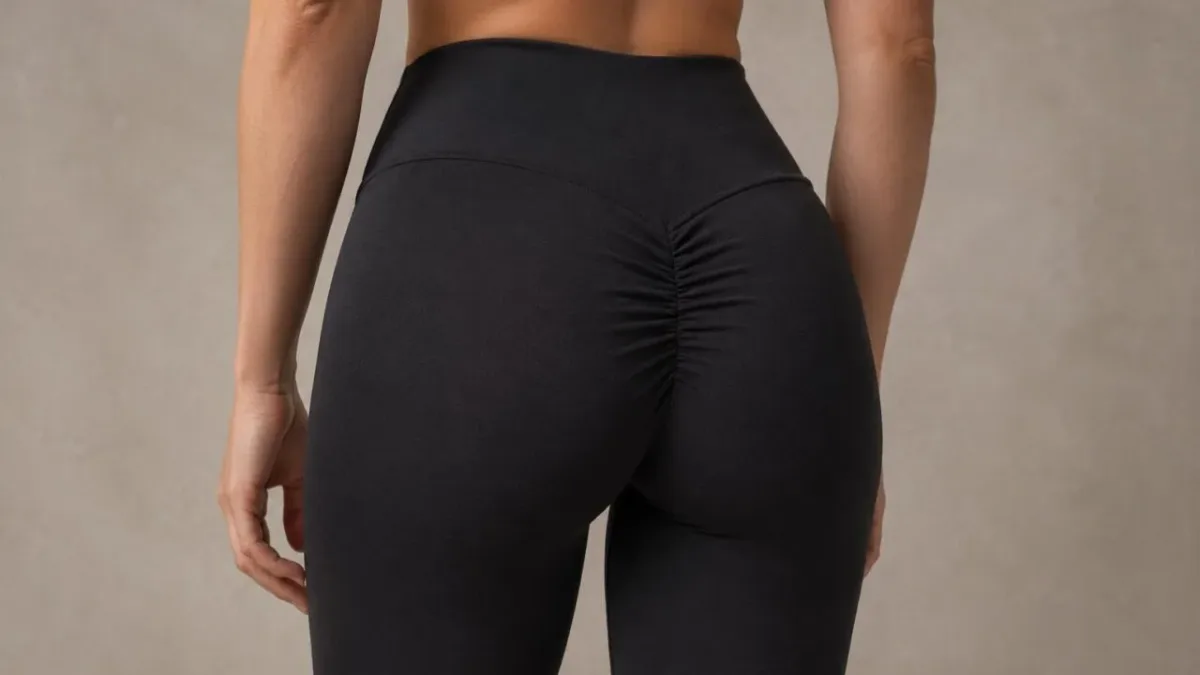
Scrunch Butt-Lift Leggings — How the Back-Seam Ruching Is Engineered, and How to Spec One That Doesn’t Look Cheap
A viral scrunch legging looks easy to copy — until the first sample comes back flat, lopsided, and see-through at the seam. How the center-back ruching is engineered, what makes it sculpted vs cheap, and how to spec it.
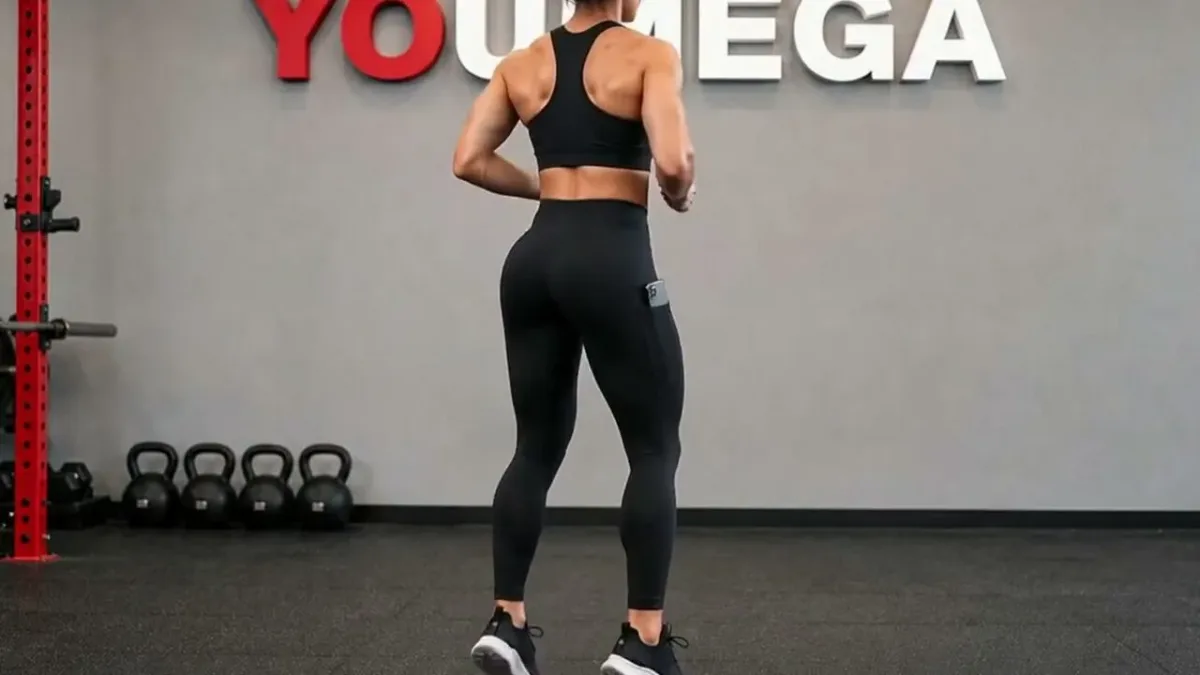
Leggings With Pockets: Side vs Waistband, Drop-In vs Sewn-In, and How to Spec One That Holds a Phone
A phone that slaps your thigh or drags the waistband down is a spec problem, not a fabric one. Side vs waistband, drop-in vs sewn-in, and how to spec a legging pocket that actually holds.
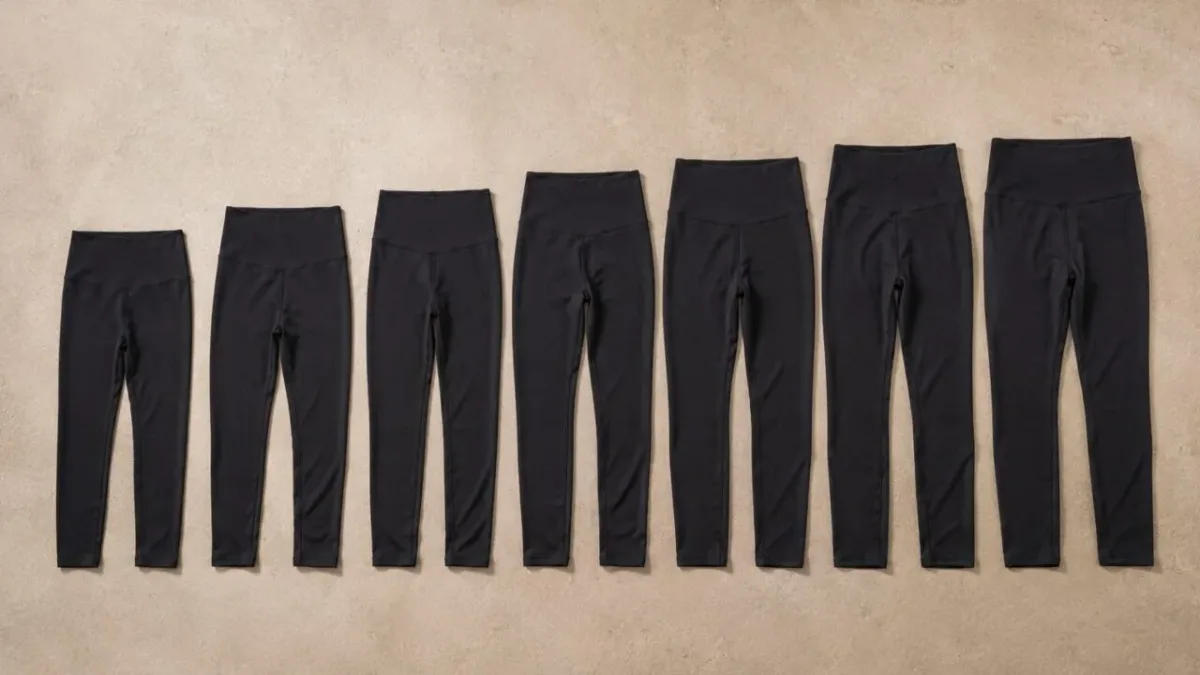
Size Grading for Activewear XXS–4XL — How to Scale a Fit Without Losing It
Your M sample fits perfectly; the 3XL gapes at the waist and bites at the calf. That gap is grading — how activewear scales XXS–4XL without losing the fit.
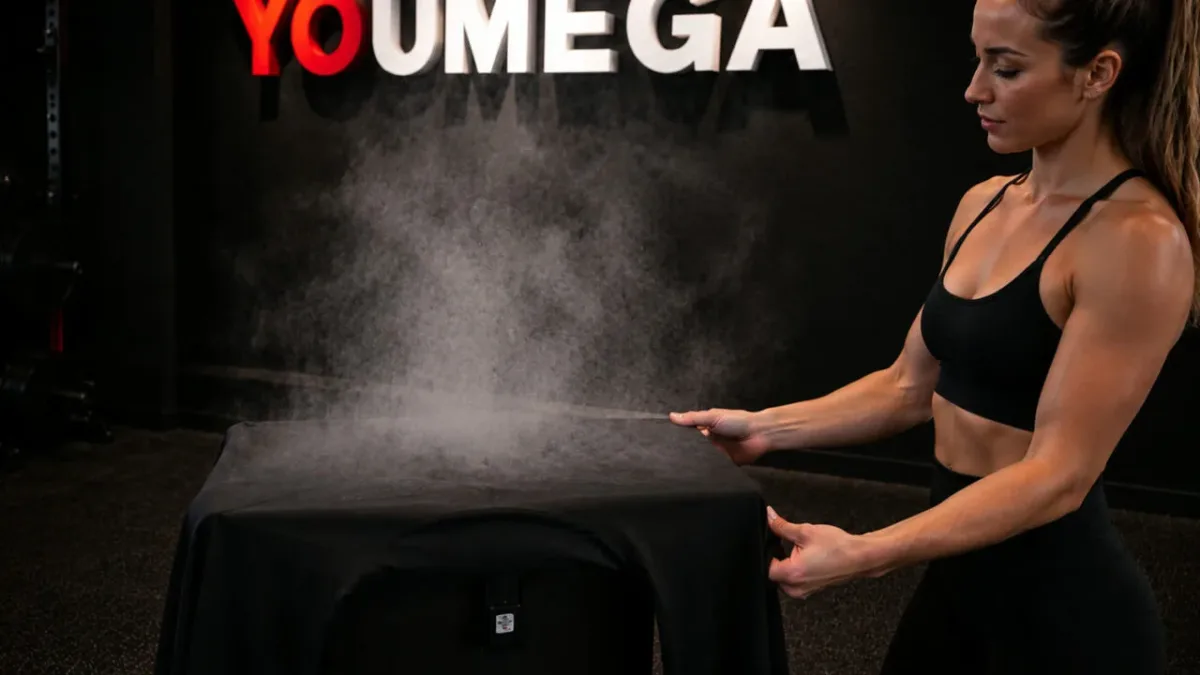
Moisture-Wicking Finishes — How Sweat-Management Fabric Is Really Engineered (and What Washes Out)
"Moisture-wicking" is four different engineering decisions, and one of them washes out in a month. Here's how sweat-management fabric is actually built — fiber, knit channels, hydrophilic finishes, two-layer push-pull knits — and how to tell durable wicking from a spray-on claim.
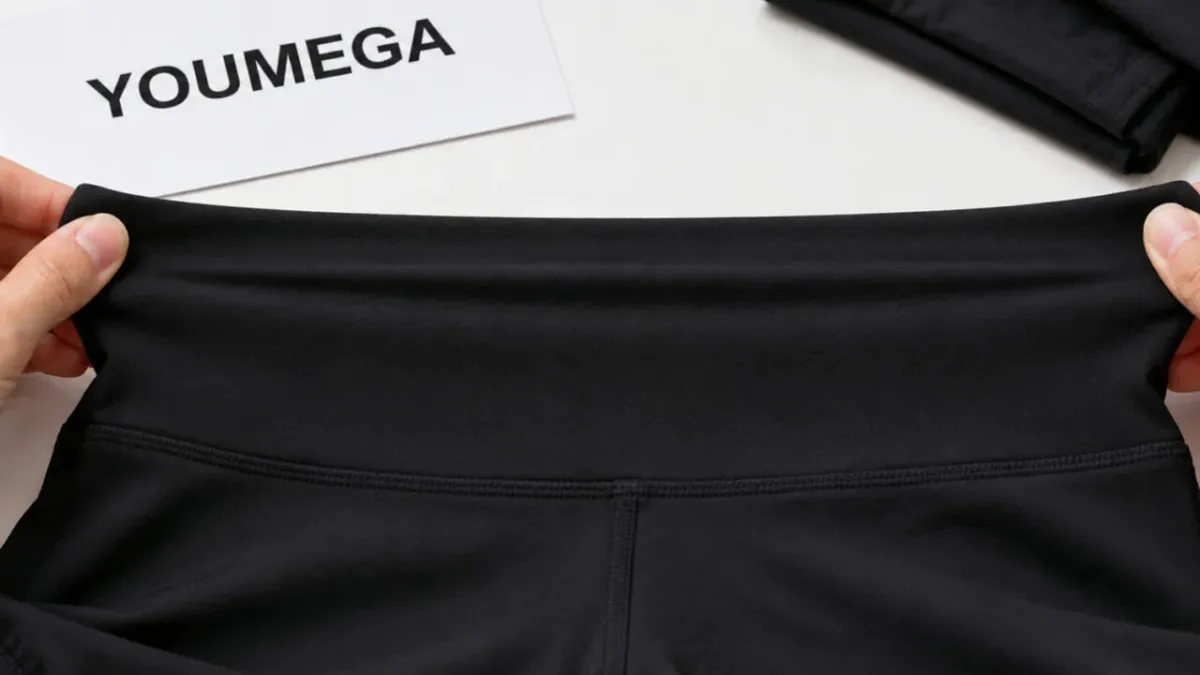
Activewear Waistband Construction — Why Waistbands Roll or Dig, and How to Spec One That Stays Put
On the hanger it looks perfect; on the first squat it rolls down. How activewear waistbands are actually built — roll vs dig, bonded vs stitched, which elastic to pick, and how to spec one that stays put.
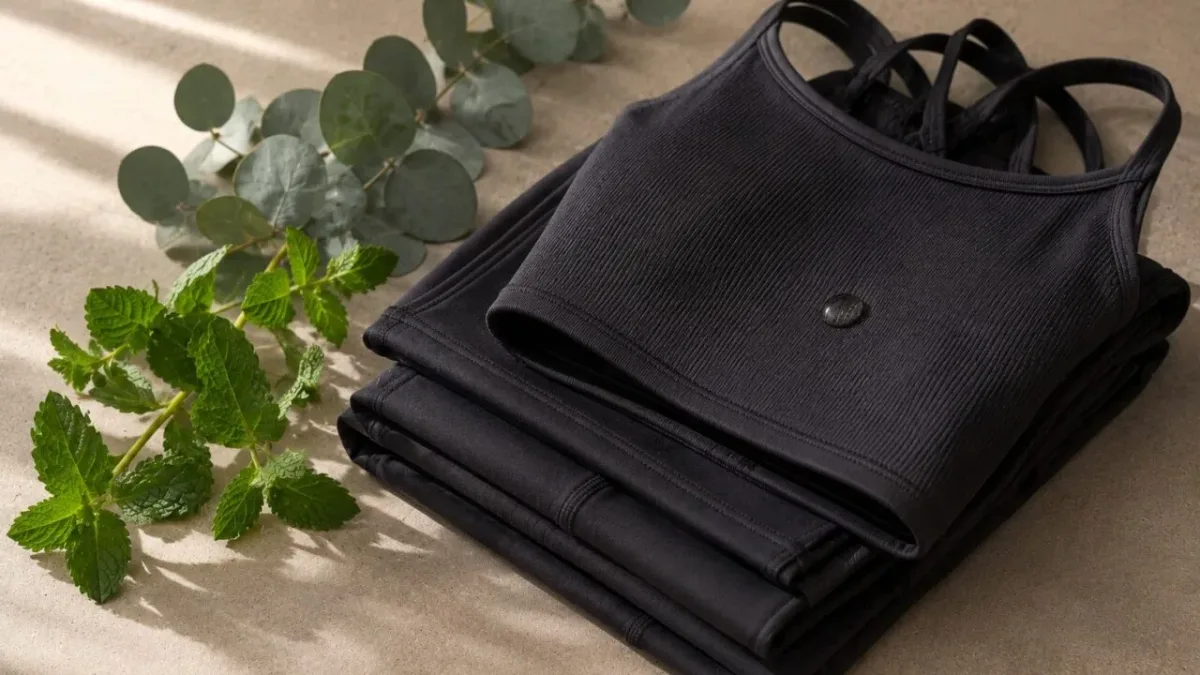
Anti-Odor Finishes for Activewear — What Survives the Wash, and What’s Just Marketing
"It still smells after washing." Anti-odor finishes promise to fix that — but only some survive the wash. How antimicrobial finishes actually work, topical vs fiber-embedded silver-ion, what's real versus marketing, safety basics, and how to spec and verify it like a factory.
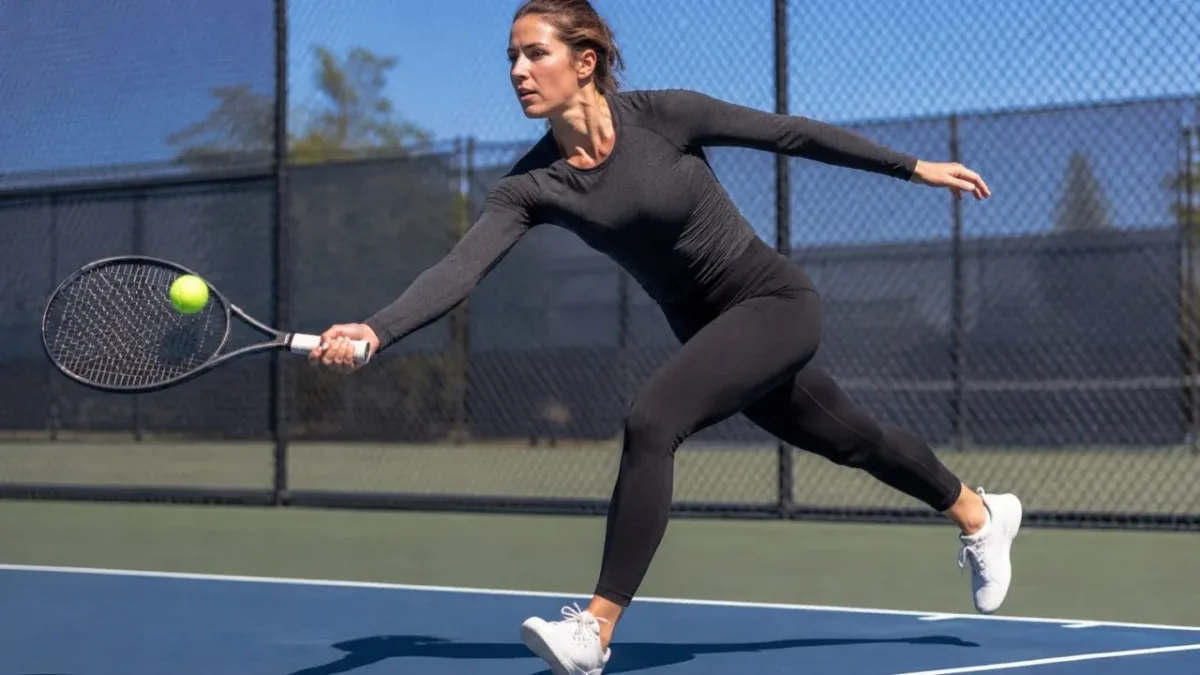
UPF 50+ Activewear — What the Number Means, and How Fabric Actually Blocks the Sun
UPF 50+ isn't sprayed on at the end — it's mostly knit density, fiber and color, decided before anyone mentions a UV finish. What the rating means, how sun protection is really built into activewear, and how to check a supplier's claim.
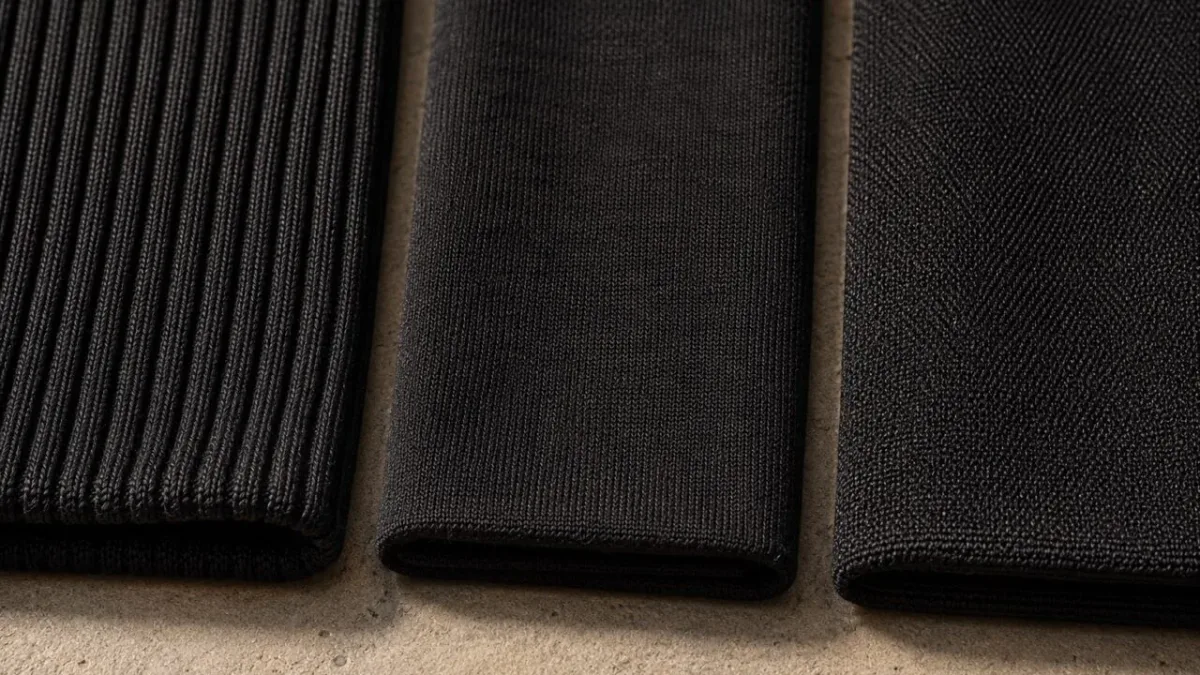
Rib vs Jersey vs Interlock — How Knit Structure (Not Just GSM) Decides Feel, Coverage and Recovery
Two swatches, same fiber, same GSM — one goes sheer in a squat and bags out, the other covers and snaps back. The difference is the knit structure. Here's rib vs jersey vs interlock, and how to pick the right one per garment.
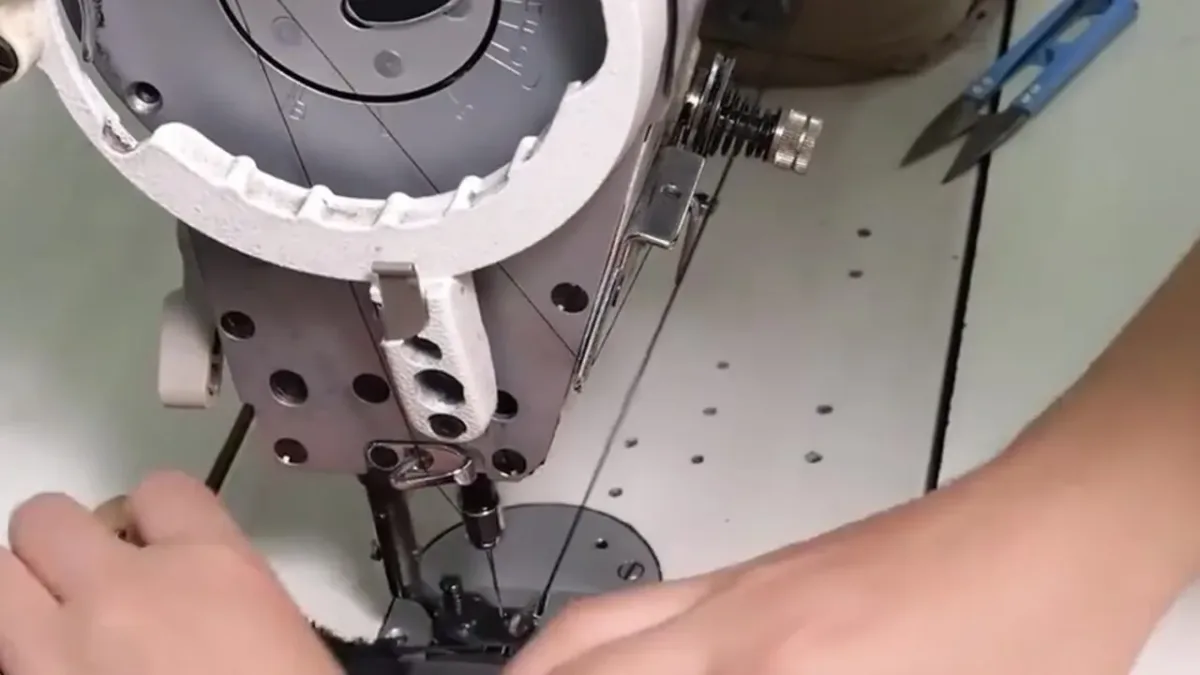
Flatlock vs Overlock Seams — Why Chafe-Free Stitching Matters in Activewear
The seam you don't notice at rest is the one you feel at mile eight. Here's flatlock vs overlock, where each belongs, and how chafe-free stitching separates real activewear from ordinary sportswear.
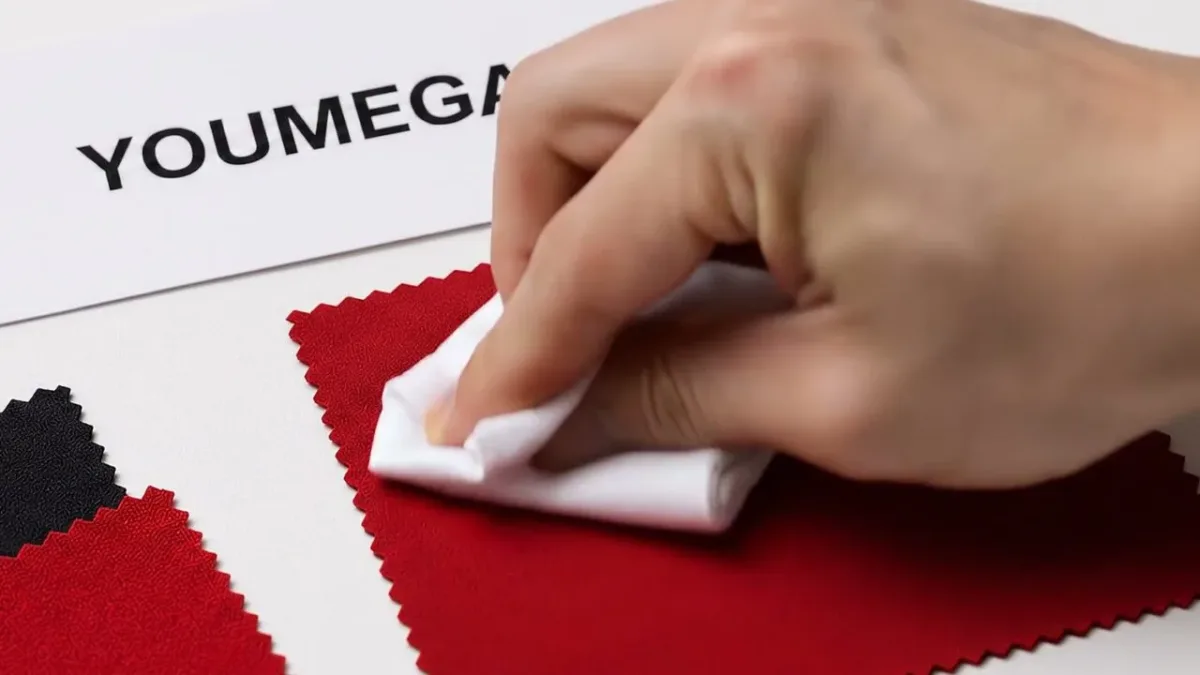
Colorfastness — the Corner You Can’t Cut When Choosing Activewear Fabric
A fabric can look perfect on the sample and fail in your customer's laundry. Here's what colorfastness really is, why activewear is brutal on it, and why a cheap dye house is the corner that hurts most to cut.
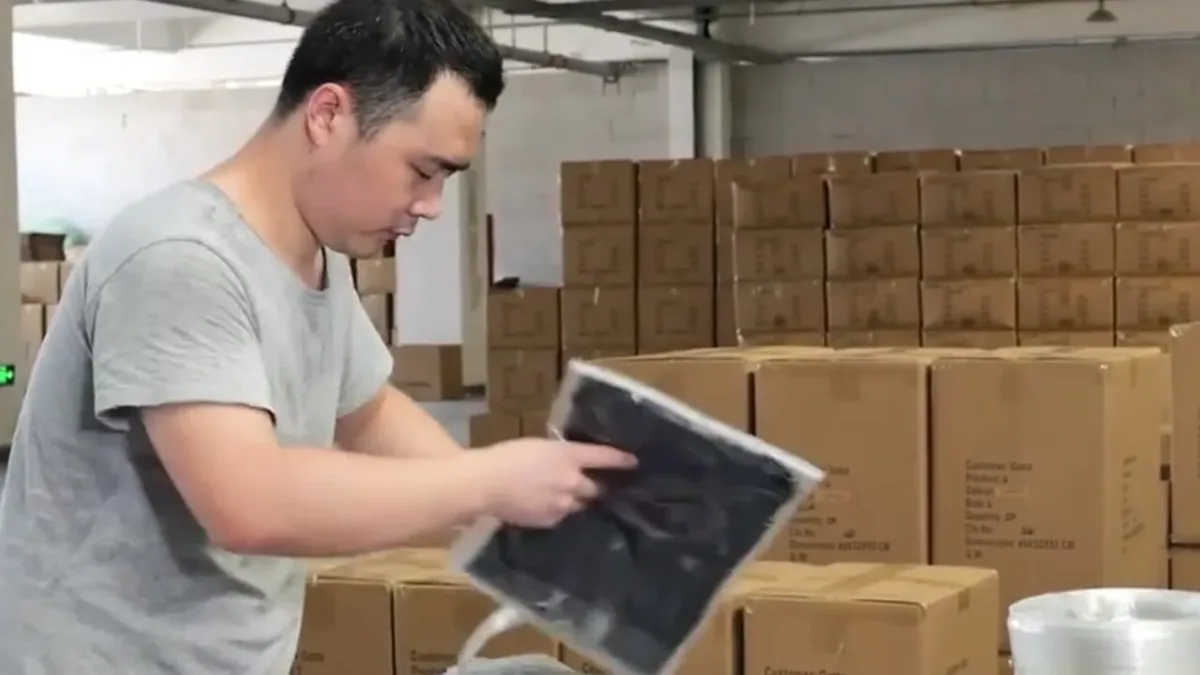
Chargeable Weight Explained — How Packing Decides Your Activewear Freight Bill
Two identical activewear orders can freight at very different costs. The reason is chargeable weight, and for soft, bulky goods like activewear, how you pack swings it a lot.
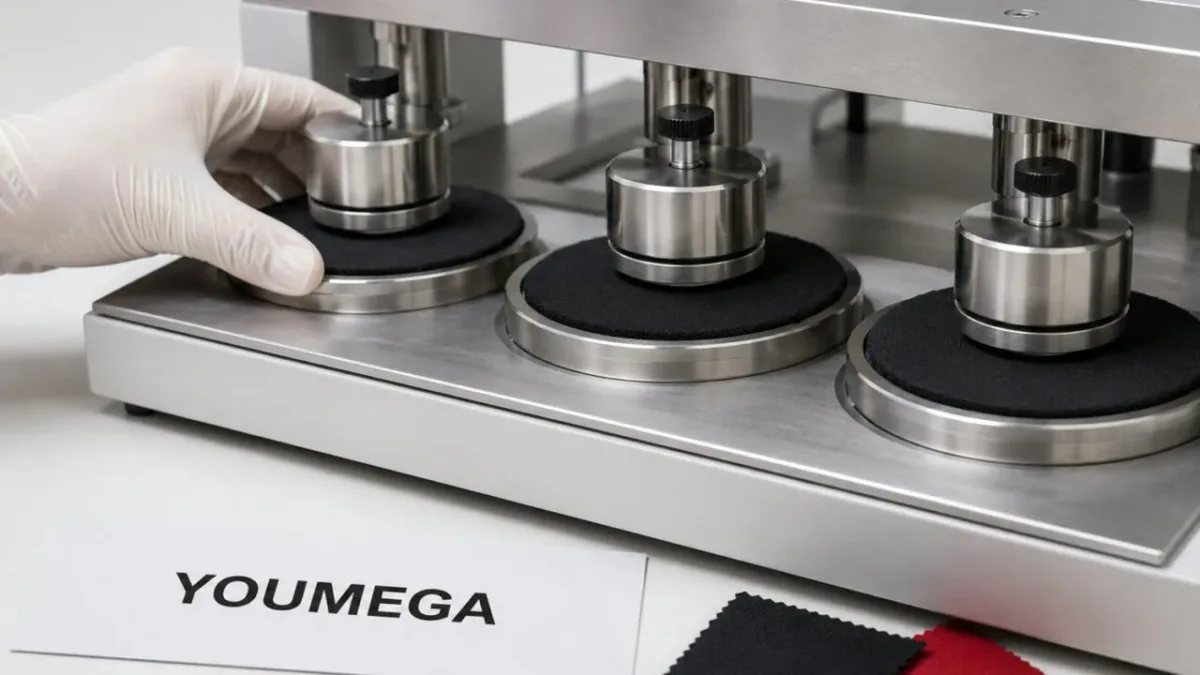
Why Two Fabrics With the Same Composition and Weight Cost Different Prices
"88% nylon / 12% spandex, 250 GSM" on two quotes — yet one costs 40% more. Here's what the spec line doesn't tell you, from a factory that buys this yarn every week.
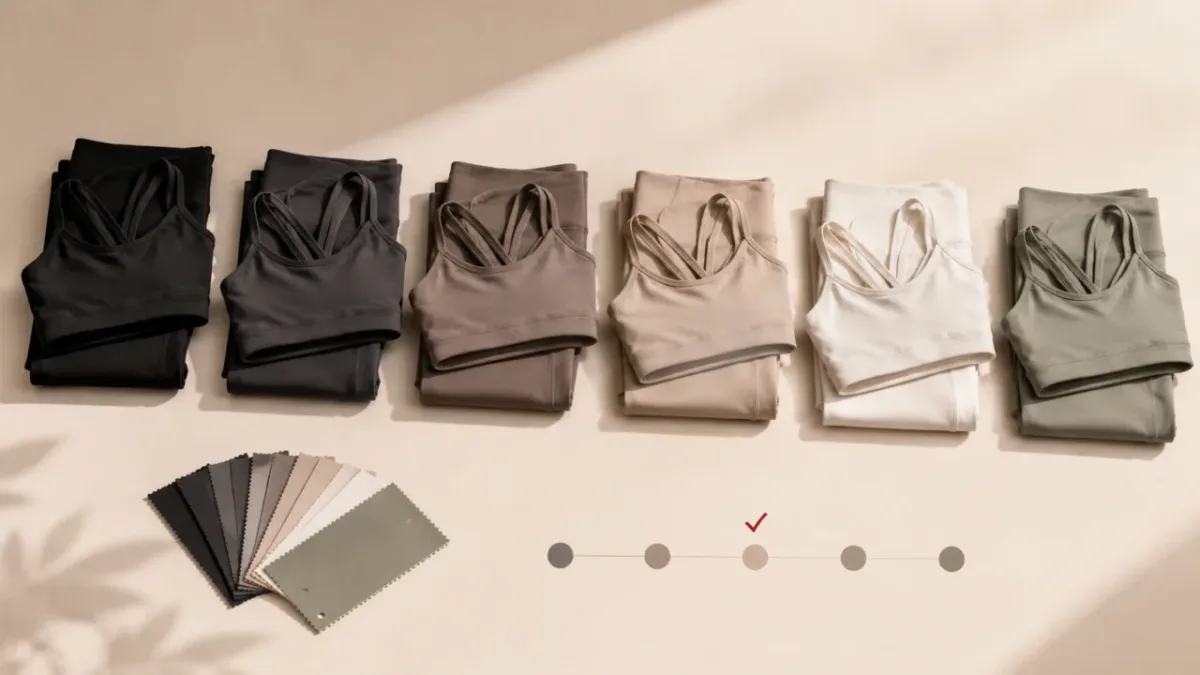
Top Private-Label Activewear Manufacturers in China (2026): 8 Factories Compared
An honest, factory-by-factory comparison of private-label activewear manufacturers in China — MOQ, specialty, certifications and who each is best for. Includes YOUMEGA.
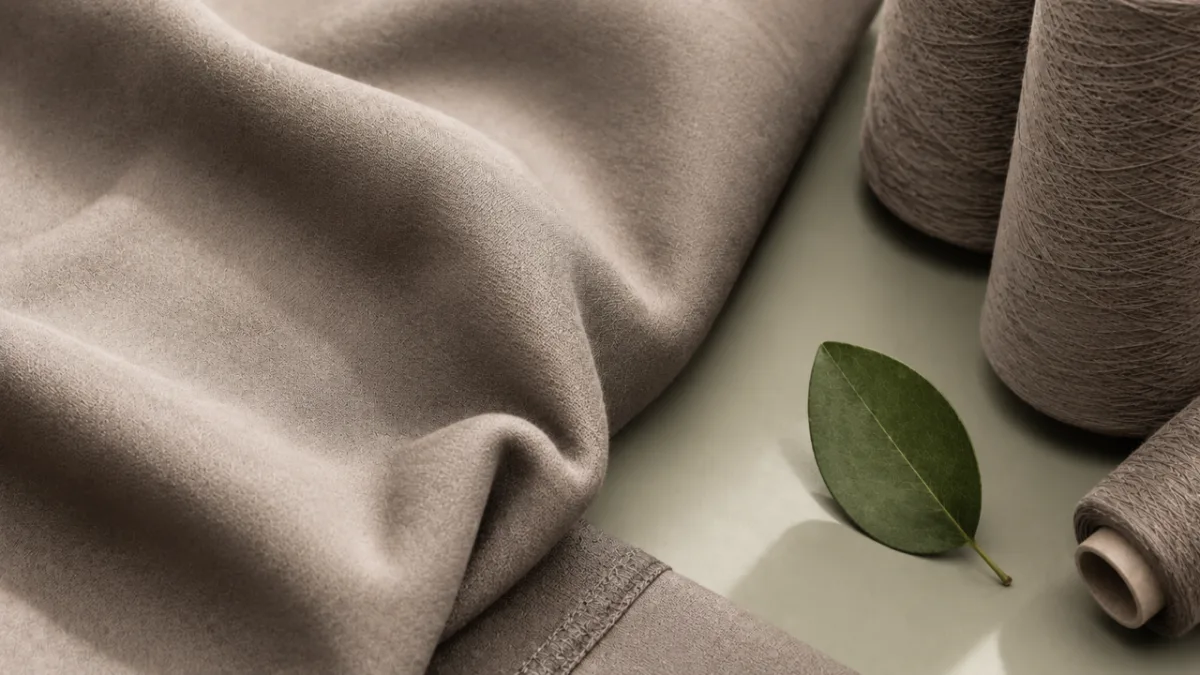
Recycled Activewear Fabrics: rPET vs ECONYL (and What GRS Really Proves)
Recycled Activewear Fabrics: rPET vs ECONYL (and What GRS Really Proves) Short answer: The two workhorse recycled fabrics for activewear are rPET (recycled polyester, made from PET bottles) and ECONYL (regenerated nylon, made from waste like fishing nets and fabric scraps). Both can deliver comparable four-way stretch, recovery and moisture-wicking when spec
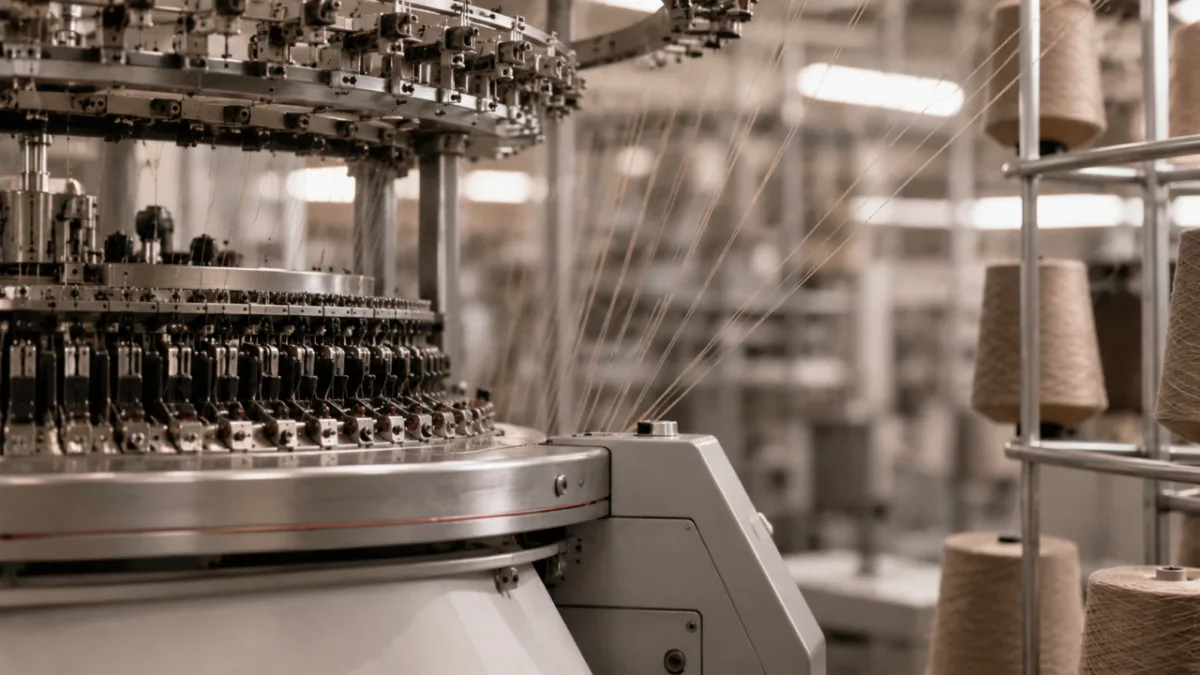
Trading Company vs Factory: How to Tell, and Why It Matters
Trading Company vs Factory: How to Tell, and Why It Matters Short answer: A factory makes your garments in-house; a trading company is a middleman that outsources production to factories you never see. Both can deliver — but a factory gives you factory-direct pricing, line-side quality control and clear accountability, while a trading company adds a margin a
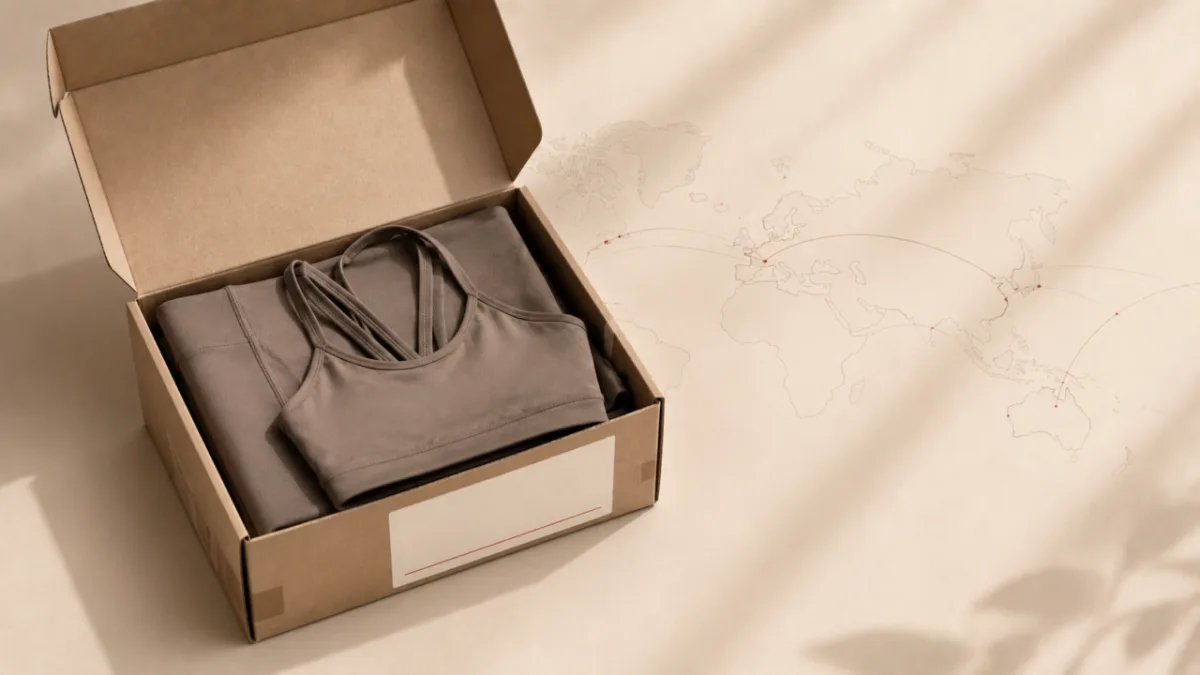
Importing Activewear From China: Duties, Incoterms & Lead Times
Importing Activewear From China: Duties, Incoterms & Lead Times Short answer: Importing activewear from China comes down to three things: agreeing the Incoterm (who pays which shipping leg), budgeting your landed cost (factory price + freight + duties), and requiring the right compliance so your goods clear customs and are safe to sell. Done right, it's rout
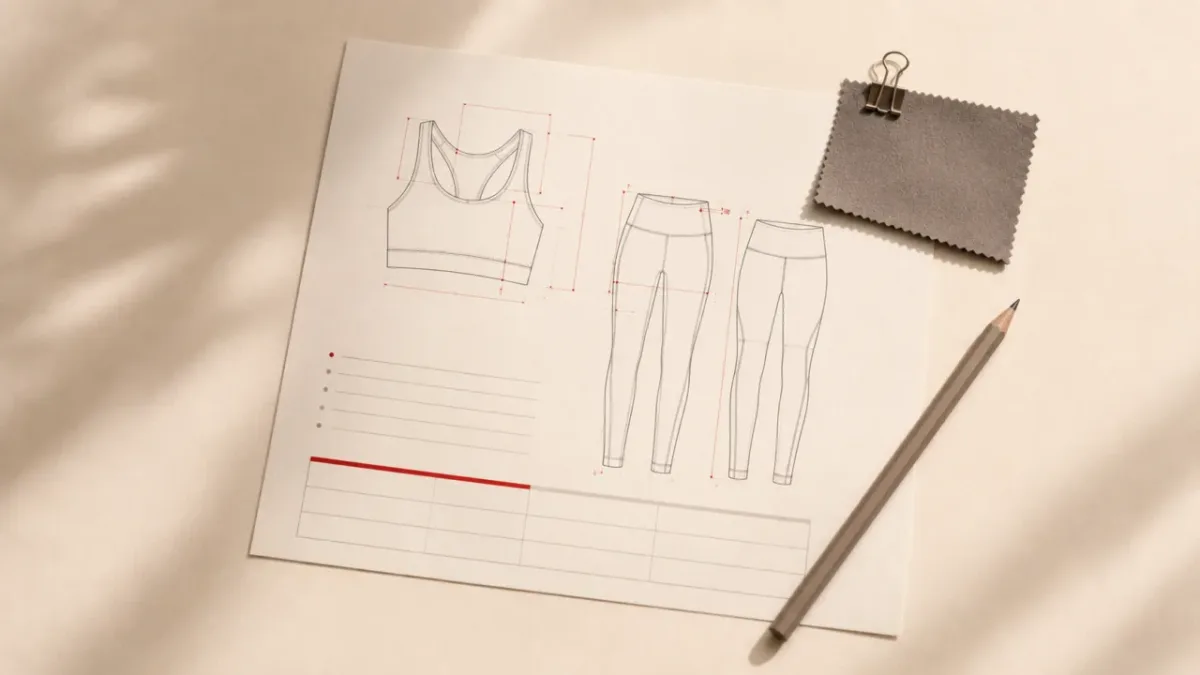
Activewear Tech Pack Guide: What to Include (and How to Build One)
Activewear Tech Pack Guide: What to Include (and How to Build One) Short answer: A tech pack is the spec sheet a factory needs to make your garment exactly as you intend — it covers fabric, measurements (size chart), construction details, logo/branding placement, colorways and packaging. A complete tech pack means faster, more accurate samples and fewer cost
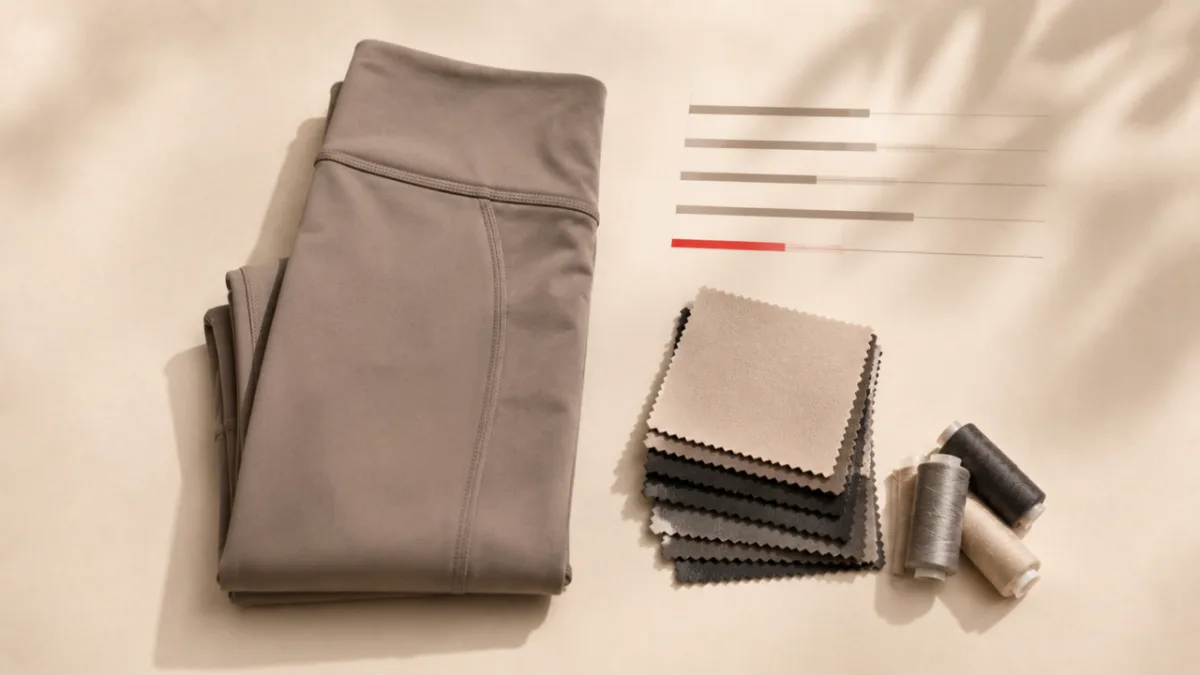
What Drives the Cost of Manufacturing Activewear
What Drives the Cost of Manufacturing Activewear Short answer: There's no single "price per legging" — the unit cost is built from fabric, construction complexity, order quantity, custom dye, branding and finishing, plus sampling and landed cost (shipping + duties). Understanding these levers lets you design to a target price instead of being surprised by a
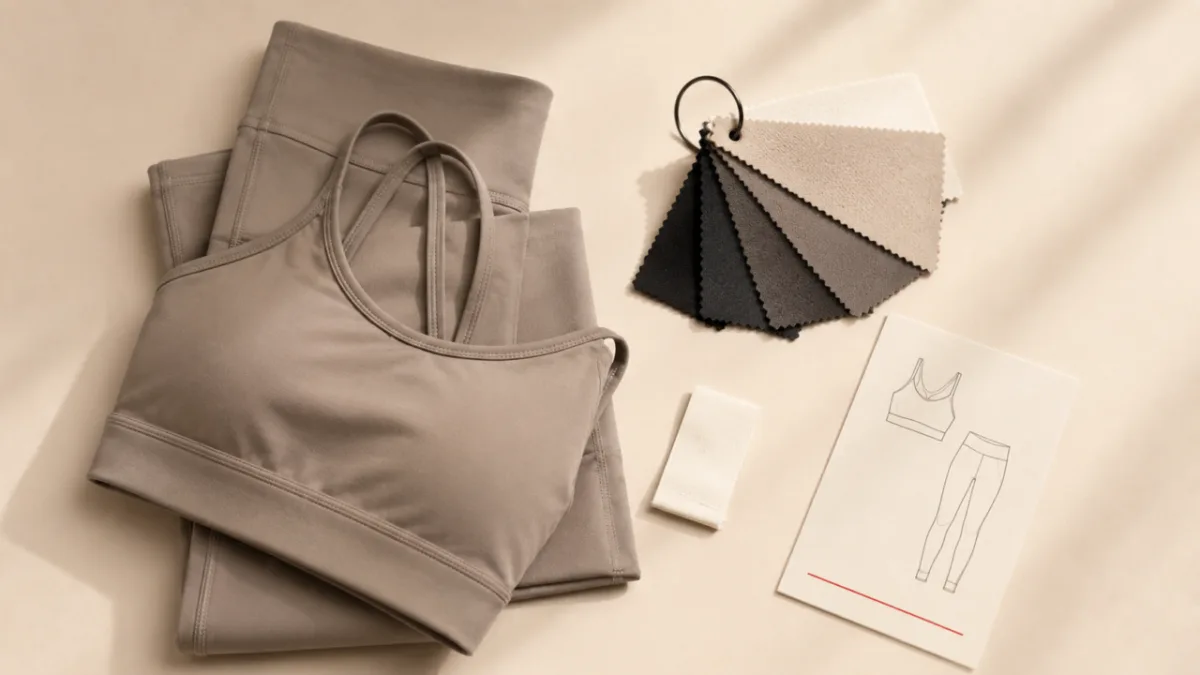
How to Start an Activewear Brand in 2026: A Step-by-Step Guide
How to Start an Activewear Brand in 2026: A Step-by-Step Guide Short answer: Starting an activewear brand comes down to seven steps — pick a niche, lock your designs, find a real manufacturer, choose fabric, sample, produce, and launch. The biggest blocker for first-time founders is the factory: high MOQs and slow samples. With a low-MOQ manufacturer you can
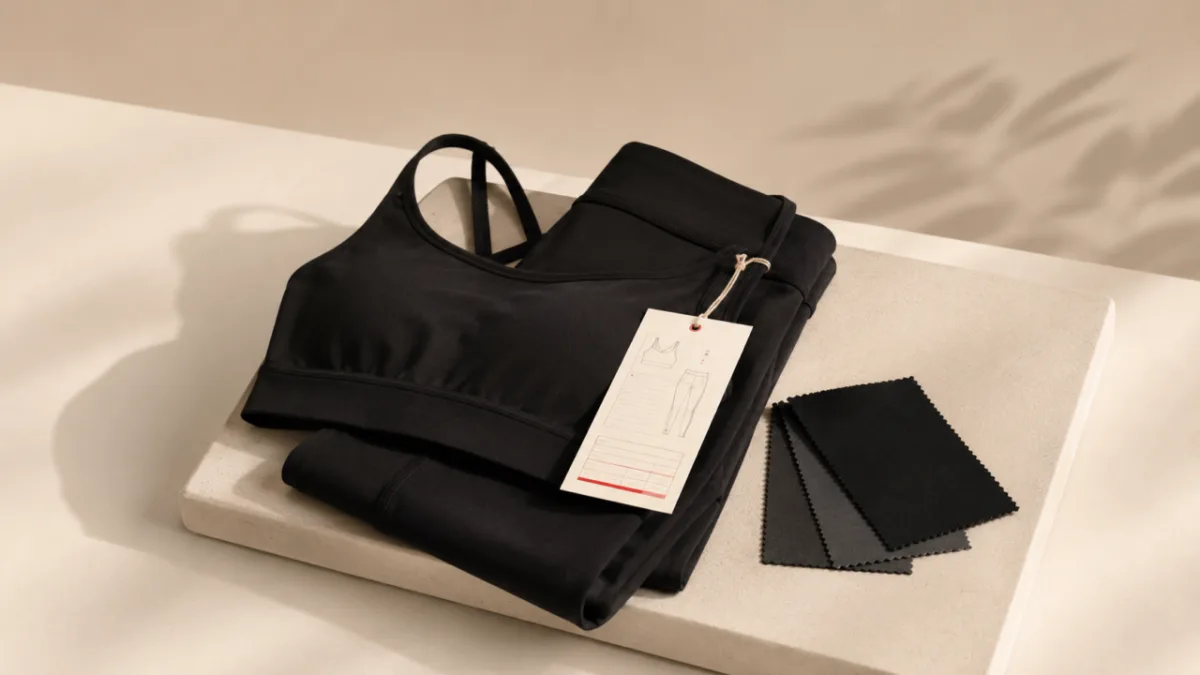
The Activewear Sampling Process: How It Works, Timelines & Costs
The Activewear Sampling Process: How It Works, Timelines & Costs Short answer: Activewear sampling turns your idea into a physical, approved garment before bulk production. At YOUMEGA it runs in six steps — brief → fabric & quote → sample made → review → approval → bulk — and takes about 7 days for stock styles with your logo and 10–15 days for full custom d
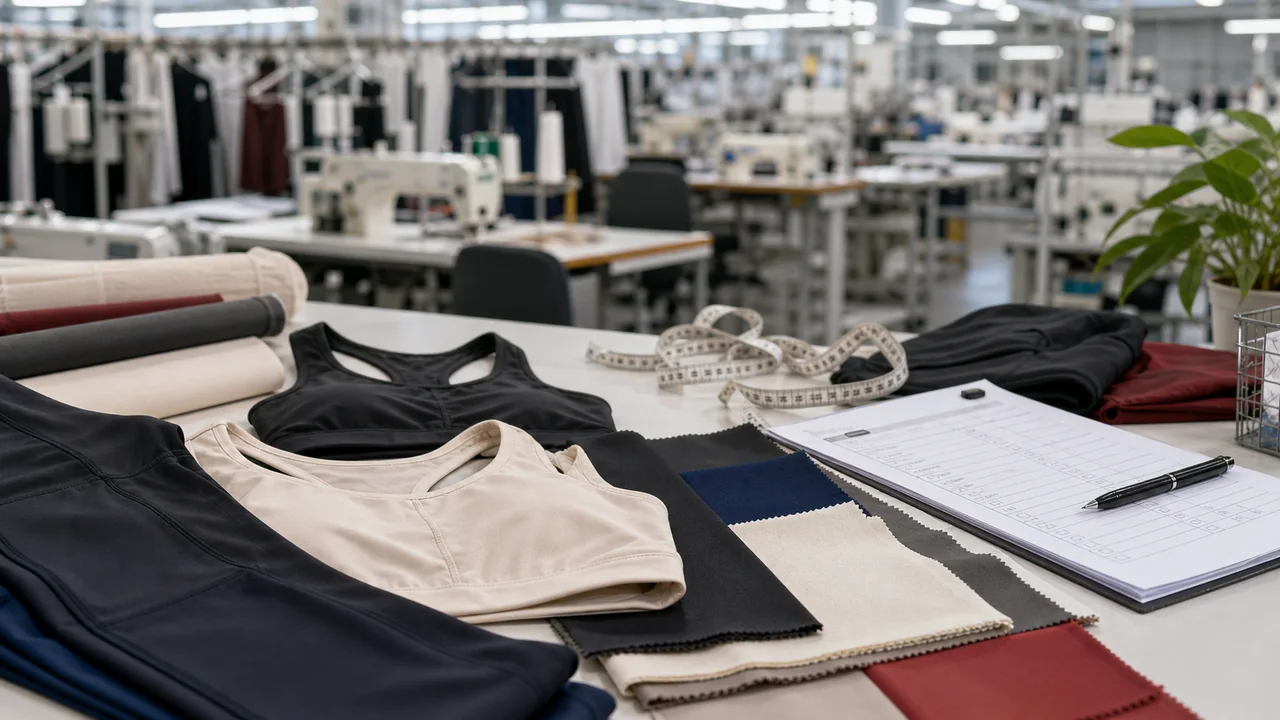
Top 10 Yoga Wear Manufacturers in China (2026)
Full disclosure: YOUMEGA is our factory. We manufacture private-label activewear ourselves and appear on lists like this.
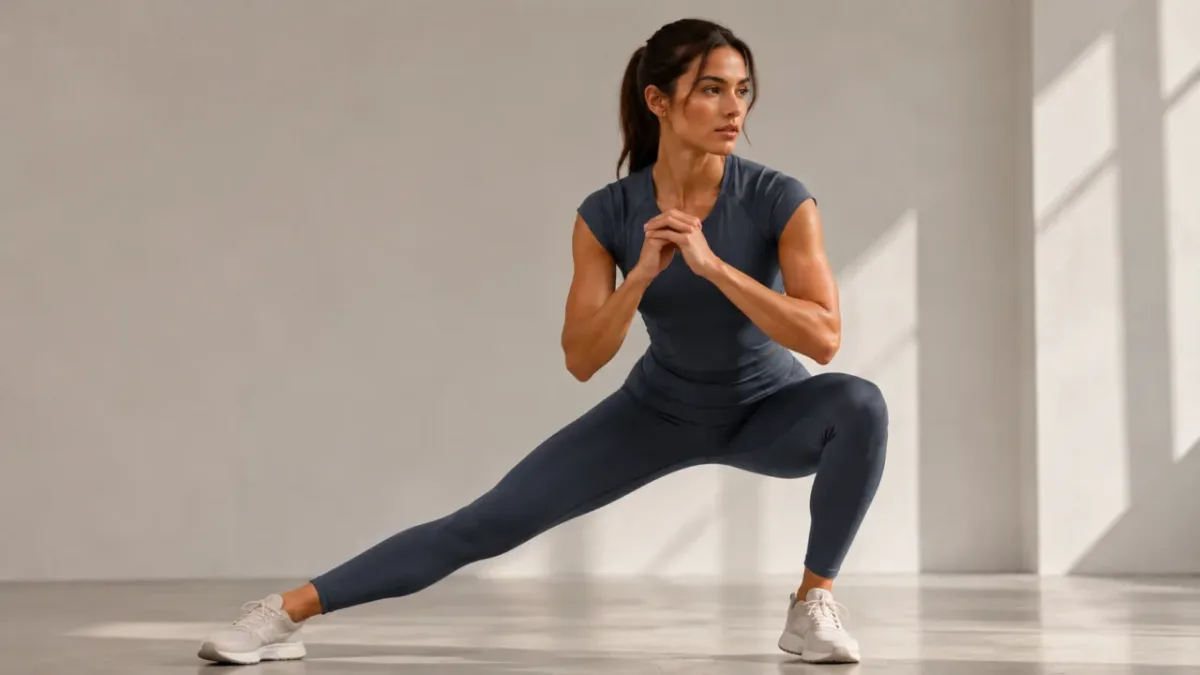
Private Label Compression Wear Manufacturing: How to Spec It Right
The single decision that determines whether a private label compression legging works on the first sample is construction — not colorway, not branding, and not the tightness of the pattern. Compression is engineered through fabric selection, knit density, and paneling. A factory that achieves it by simply cutting the pattern smaller delivers a garment that restricts movement, fails the squat-proof test under load, and returns from your first customer as a refund. That is the starting point every brand commissioning compression activewear needs to understand before the development conversation begins.
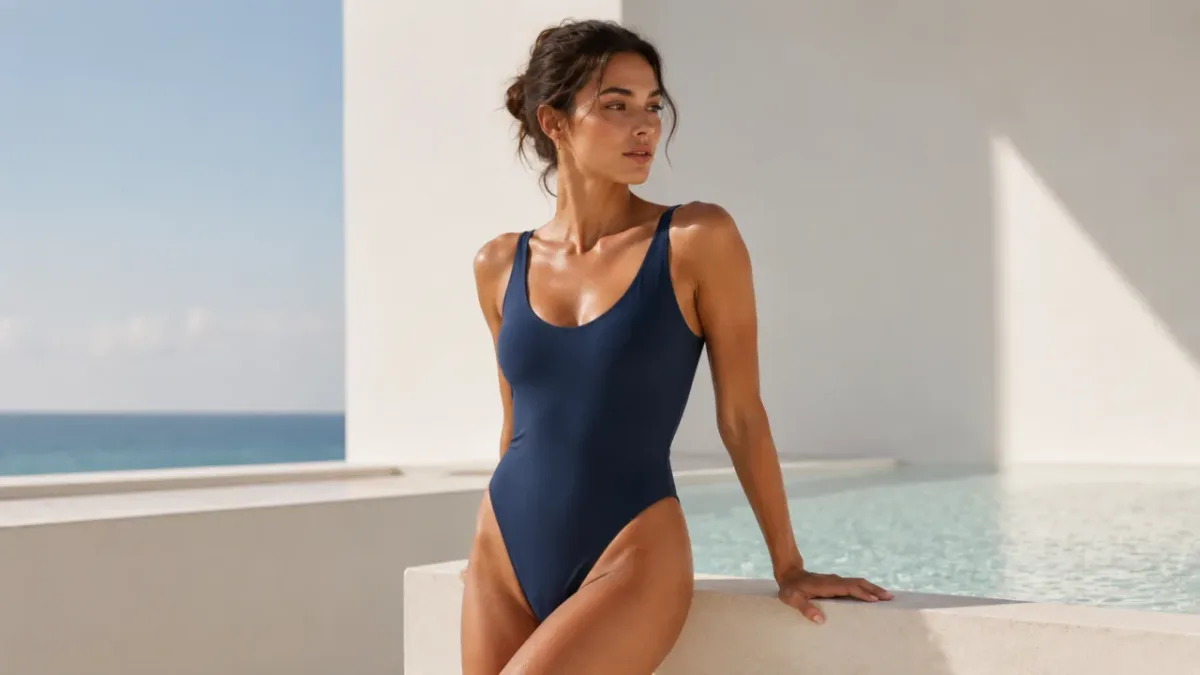
How to Spec and Produce a Private Label Swim Line: A Factory Guide to Swimwear OEM
The single decision that determines whether a private label swim line holds up after the first season is fabric composition and lining weight — not colorway, not hardware, not even cut. Brands that start with a trend idea and choose fabric last end up with samples that turn transparent in the water, straps that stretch out after eight pool sessions, or a one-piece that loses its shape under UV exposure before the summer ends. By the time those problems surface in sampling, you have already spent money on patterns and trim.
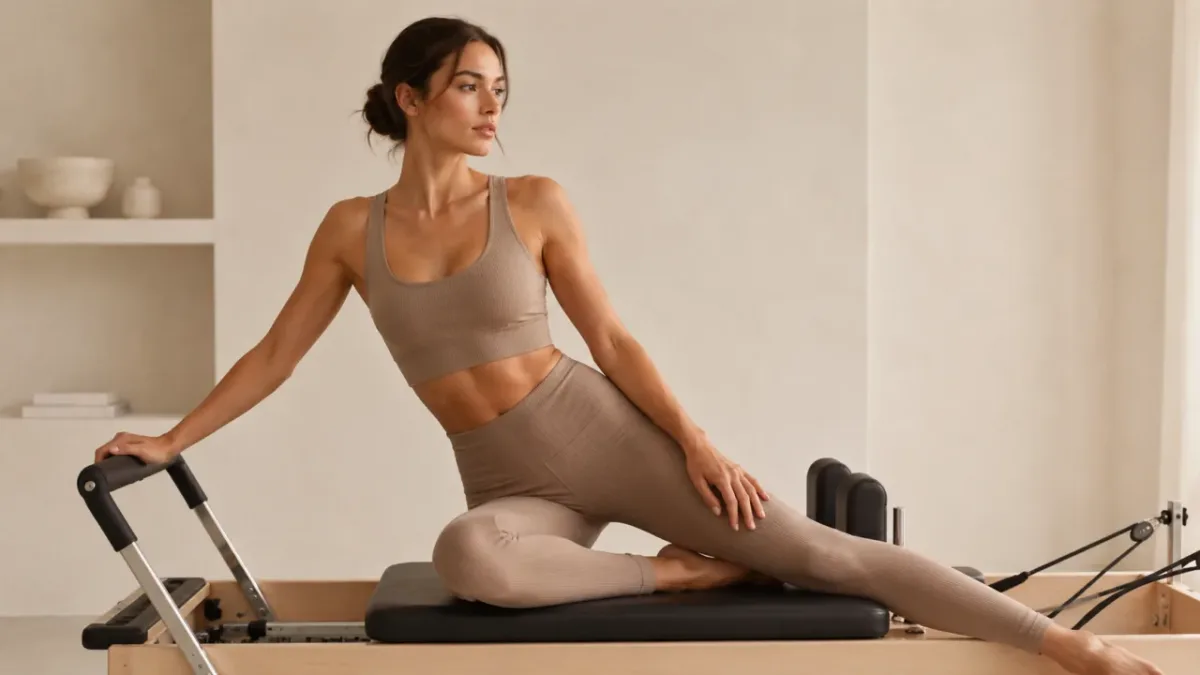
Private-Label Pilates Wear Manufacturing: How It Differs from Yoga and Gym Sets
The single decision that determines whether a private-label pilates line looks and sells like pilates wear — rather than a generic yoga or gym set — is fabric hand-feel and opacity, not compression level. Brands coming from a performance athletic background tend to spec pilates pieces the way they spec running tights: tight, compressive, engineered for exertion. That produces a product that misses the category entirely. Pilates wear is defined by a buttery, draping softness, a silhouette that reads clean and intentional on the reformer or mat, and opacity that holds through deep folds, stretches and floor work. Compression is largely beside the point. If you get the fabric character right, the silhouettes follow naturally. If you get it wrong, no amount of refined cut work will save the line.
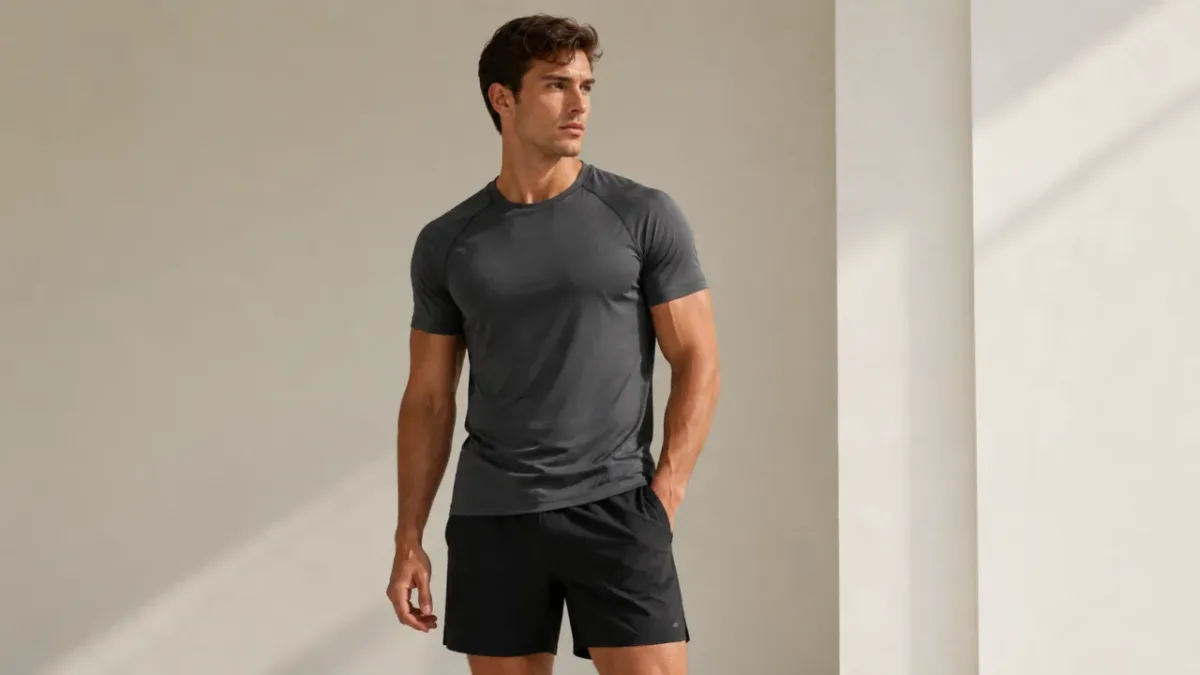
Private-Label Men’s Activewear Manufacturing: Fit, Fabric & MOQ
The single decision that determines whether a private-label men's activewear program succeeds on the first sample is fit block — not fabric, not colorway, not logo placement. Brands that try to adapt women's grading to a male body almost always get a second sample back that is still wrong, because the proportional logic of a men's pattern is fundamentally different. A women's legging graded up does not produce a men's jogger. A women's racerback top with a wider strap does not produce a men's training tee. Every major dimension — torso length, rise, seat, thigh, shoulder width, armhole depth — is driven by different ratios. Getting that wrong at the pattern stage costs time and money that is very difficult to recover further down development. This guide covers what to specify, in the right sequence, so that your men's activewear project produces a usable first sample.
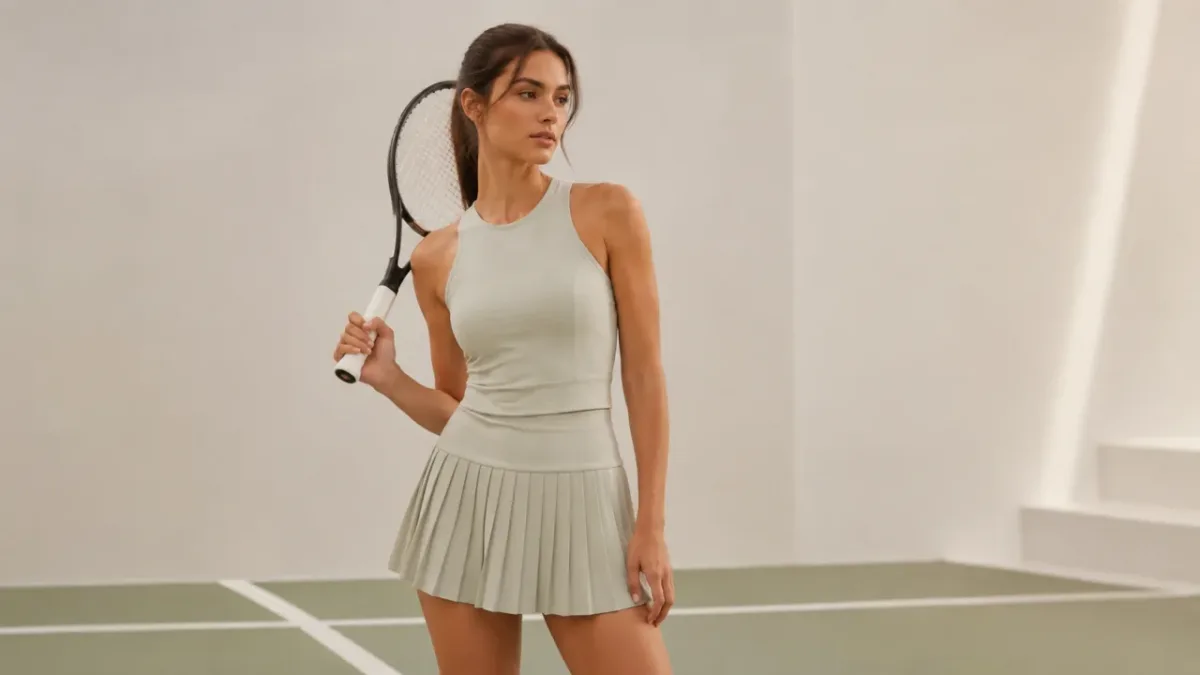
Private-Label Tennis & Golf Skirt Manufacturing: Skort Construction, Fabric & MOQ
Private-Label Tennis & Golf Skirt Manufacturing: Skort Construction, Fabric & MOQ The single decision that determines whether a private-label tennis skirt works on the first sample is the skort liner configuration — not the pleat style, not the logo placement, not the colorway. Get the liner wrong and every downstream issue — coverage failure, bunching […]
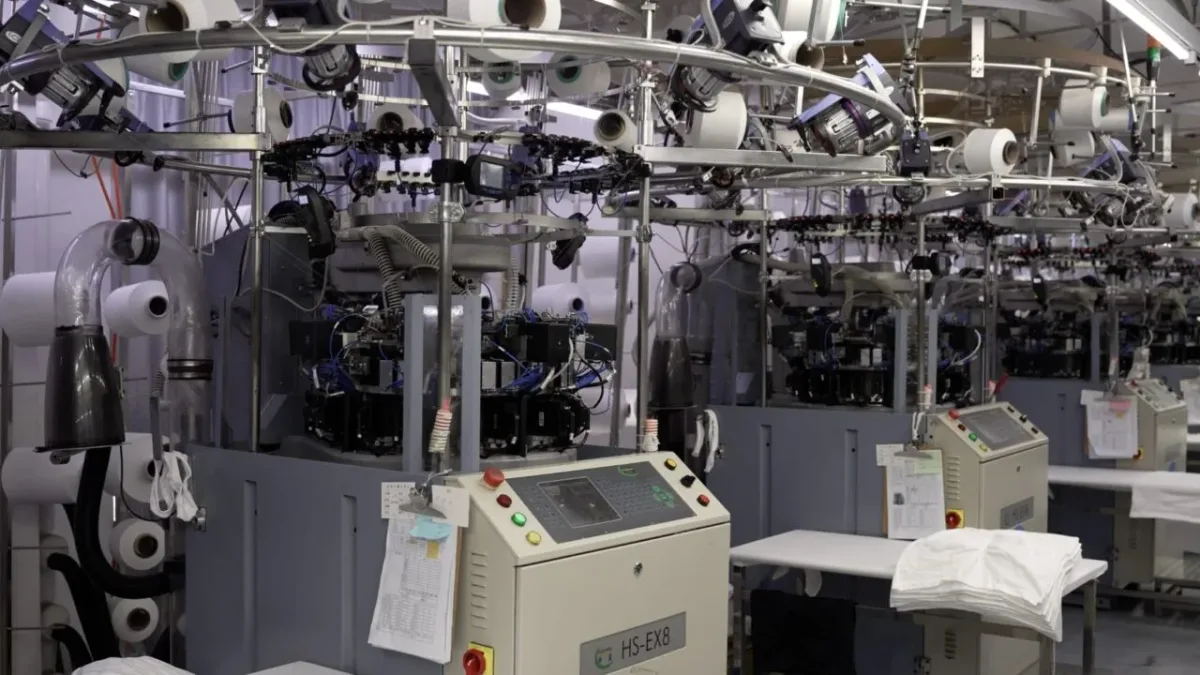
Seamless Yoga Wear Manufacturing: Why It’s a Specialist Factory Category (And How to Evaluate One)
Seamless activewear looks simple from the outside — leggings with no side seams, sports bras with no shoulder seam joints, sets that hug without bunching.
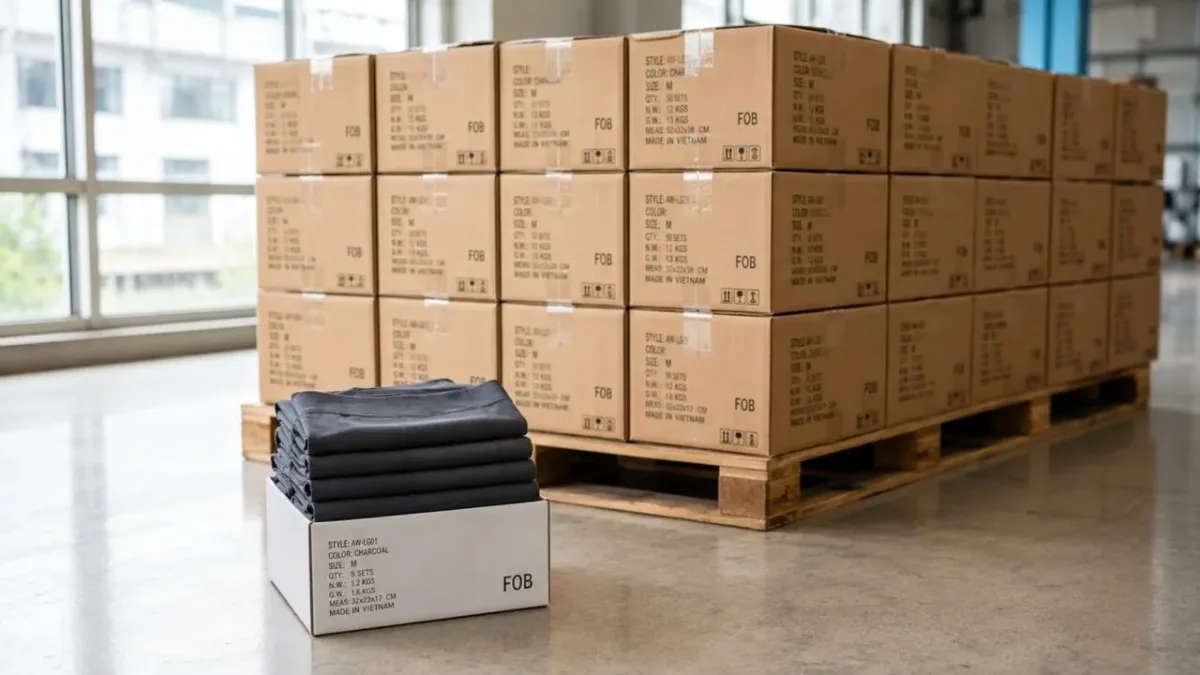
How to Vet a Premium Activewear Factory: 7 Standards Used by Established Brands
Premium activewear manufacturing isn’t a sticker on a factory door. It’s a specific set of seven standards that show up in fabric tests, fit consistency,...
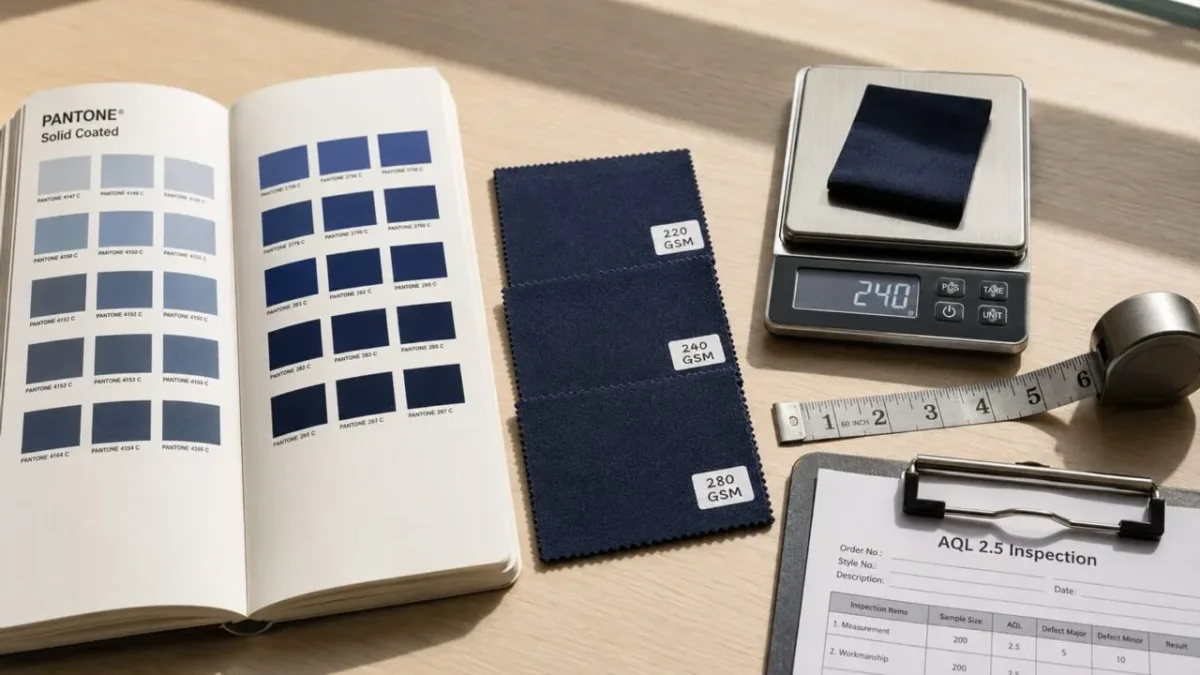
Best Activewear OEM for Shopify Brands Scaling Past Their First 500 Units
A sourcing guide for Shopify activewear brands scaling beyond an initial stock-and-logo run: MOQ tiers, Pantone approval, fit, QC, lead times and supplier evaluation.
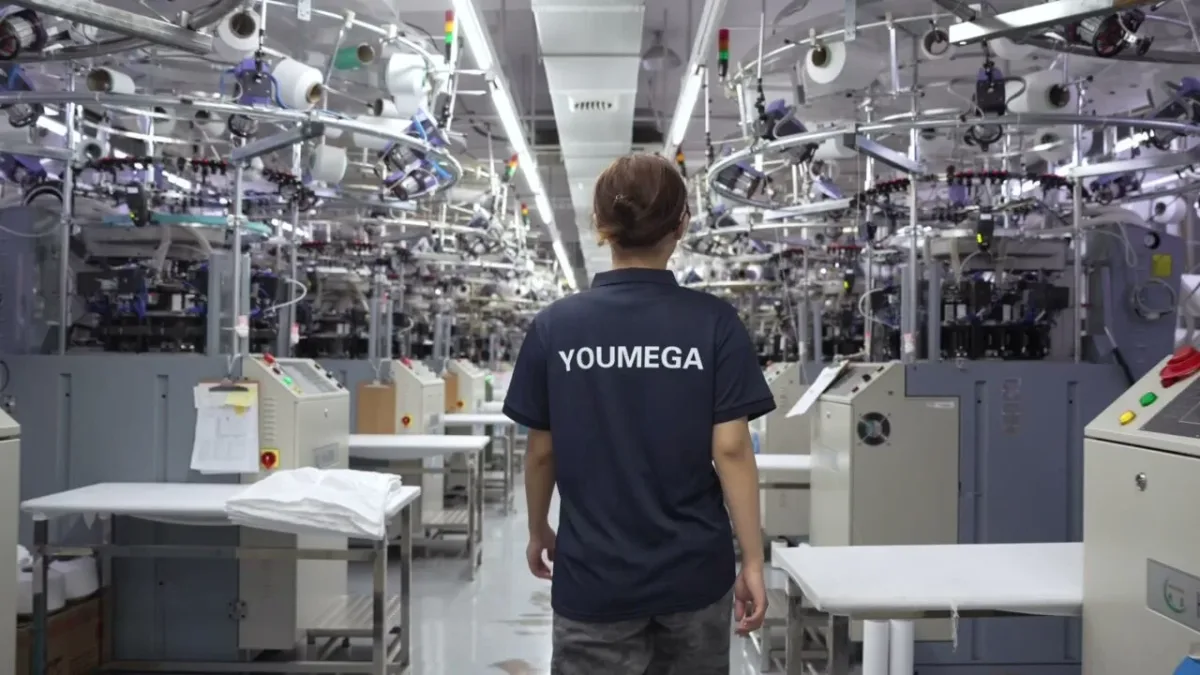
Premium Yoga Wear & Activewear Manufacturing Standards: What Premium Brand Buyers Should Evaluate
Short answer: if you are evaluating a premium yoga wear or activewear manufacturer, judge the factory by fabric hand feel, four-way stretch performance, fit...
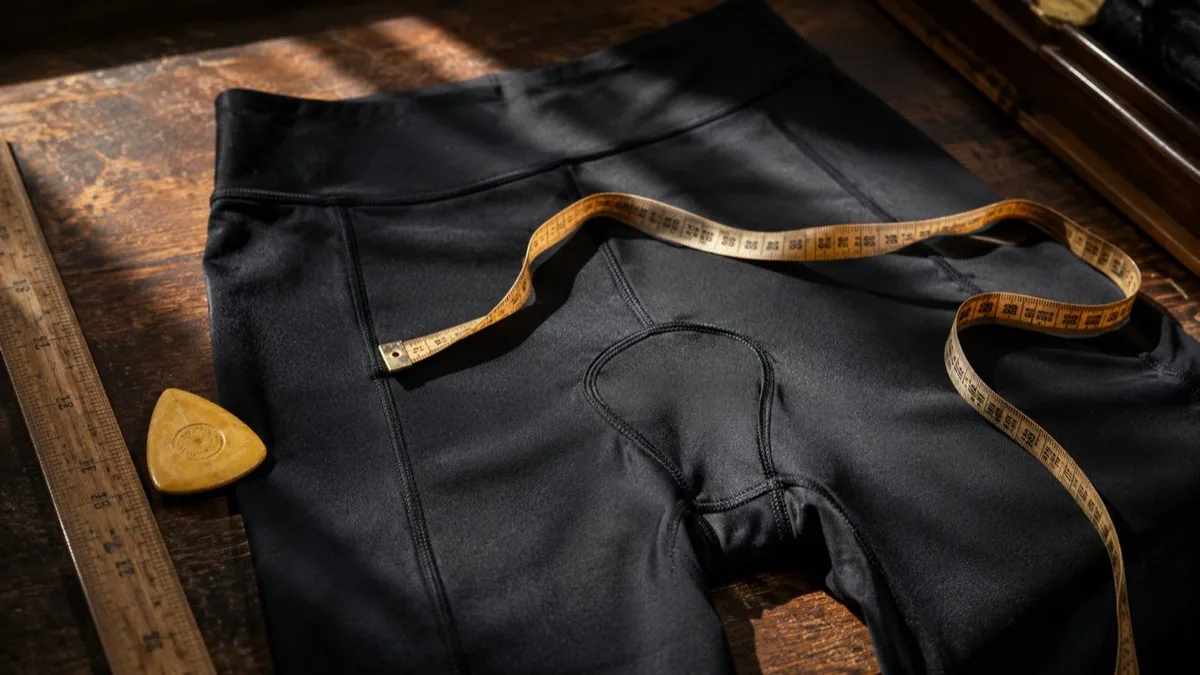
Why Front Seam Visibility Happens in Leggings (and the Gusset Design That Prevents It)
Front seam visibility in leggings — what’s commonly called “camel toe” — is a fabric and pattern engineering issue, not a body issue or a sizing issue. Most consumer advice treats it as something to hide with longer tops or specific underwear. The real fix happens at the factory: gusset shape, front rise length, fabric […]
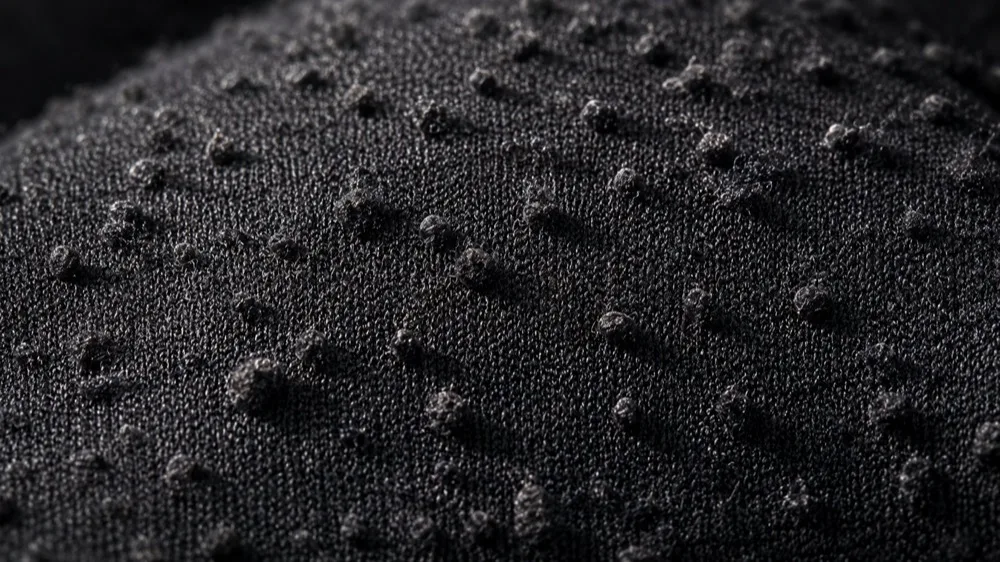
Why Activewear Pills After One Wear: A Manufacturer Explains the 3 Root Causes
Pilling on activewear is caused by three factory-level factors — fiber strength, knit structure, and anti-pilling finish — not by how you wash it. Most consumer advice (cold wash, mesh bag, no fabric softener) treats symptoms. The real causes are decided before the fabric ever leaves the mill. This guide explains what pilling actually is, […]
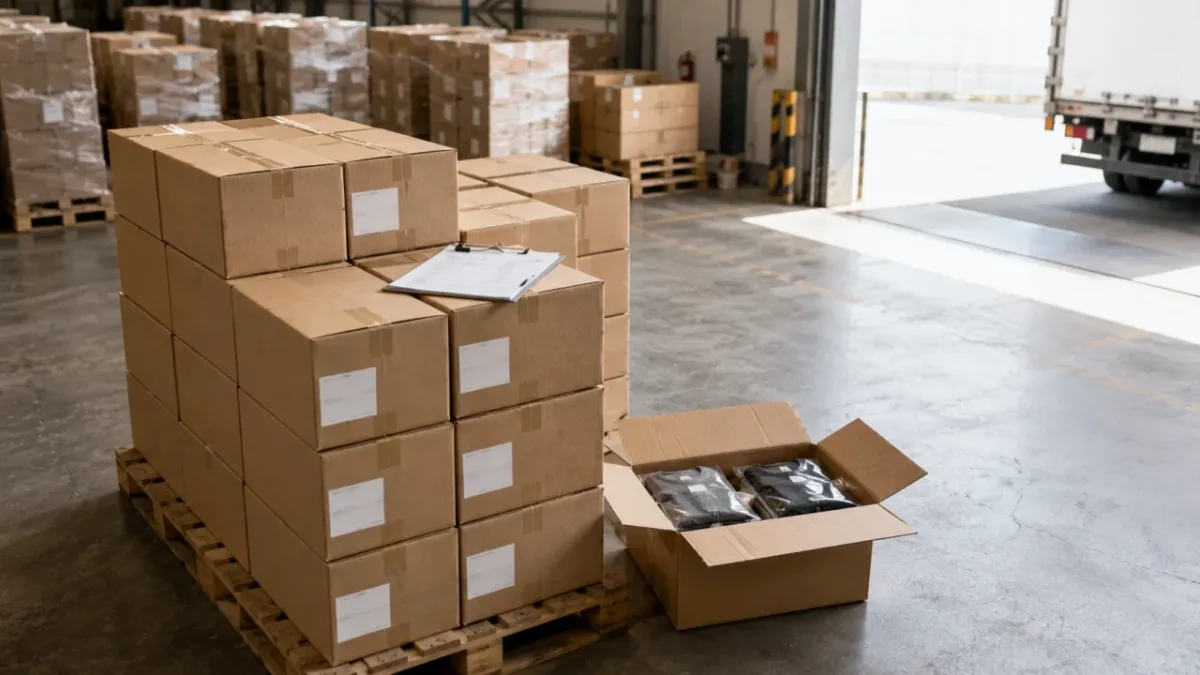
Shipping Activewear from China: FOB, CIF or DDP? (2026 Guide)
Once your activewear order is produced, the next question is how to get it from the factory in China to your warehouse. The three terms you’ll see in factory quotes — FOB, CIF, and DDP — aren’t interchangeable. Each shifts cost and risk between you and the factory in different ways, and choosing the wrong […]
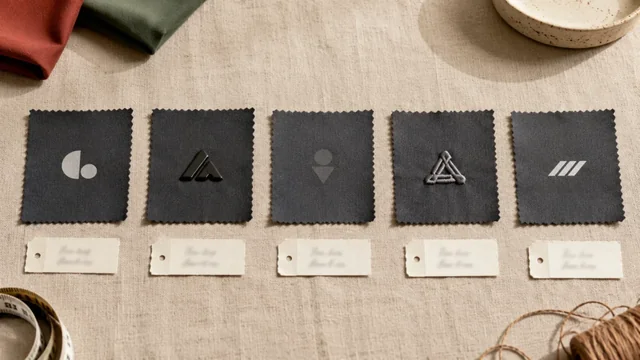
5 Logo Printing Methods for Activewear in 2026 — Compared
Your logo placement and printing method matter more than most new activewear brands realize. The same logo printed five different ways will look — and last — five different ways. Get the method wrong and your $25 leggings will look like $8 leggings after 20 washes. This guide compares the five real options used in […]
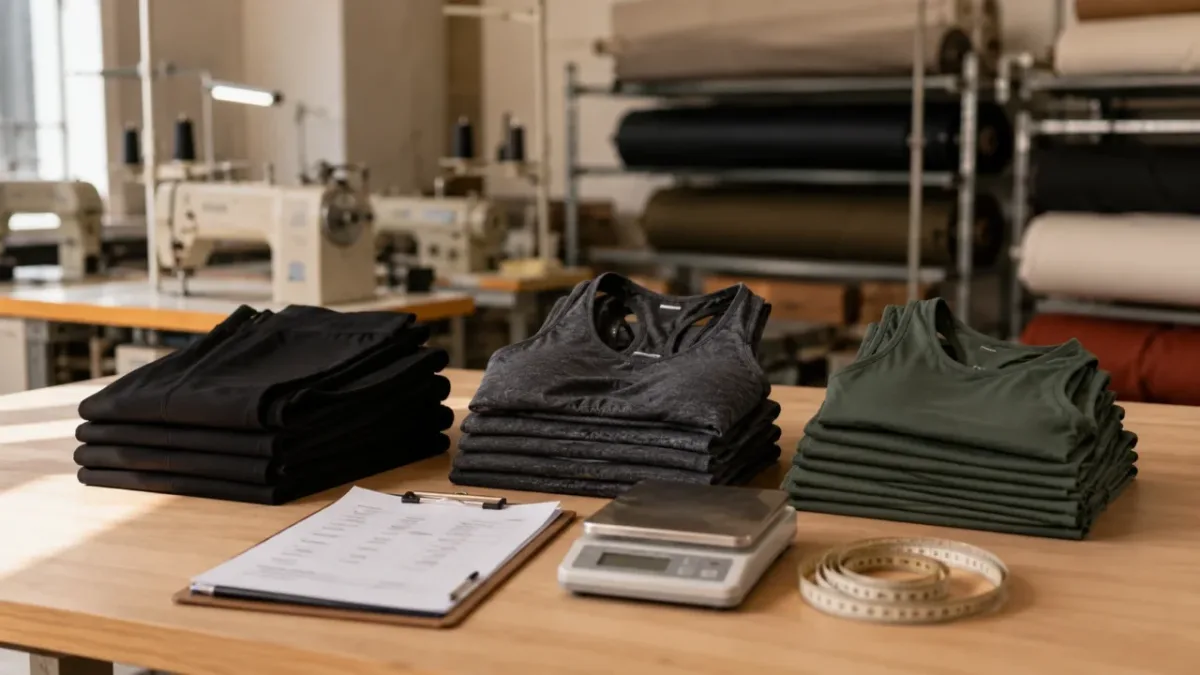
MOQ for Activewear in 2026: What’s Realistic?
“What’s your MOQ?” is the first question 9 out of 10 first-time activewear brand founders ask us. It’s also the most misleading question — because there isn’t one answer. The real MOQ for your project depends on fabric source, customization level, and how the factory is structured. This guide cuts through the marketing claims and […]
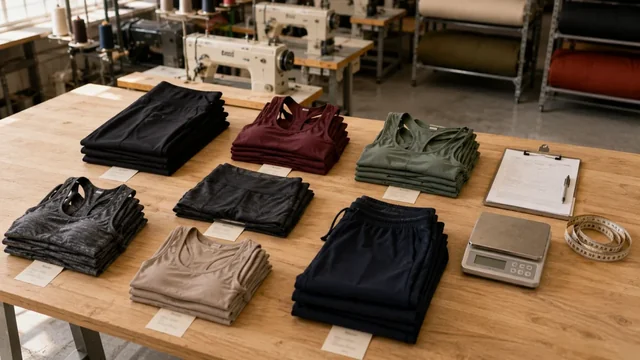
Low MOQ vs High MOQ Activewear: What’s the Real Difference for Your Brand?
Compare low MOQ (100 pcs) vs high MOQ (1000+) activewear manufacturing. Pricing, risk, quality differences. Guide from YOUMEGA factory.
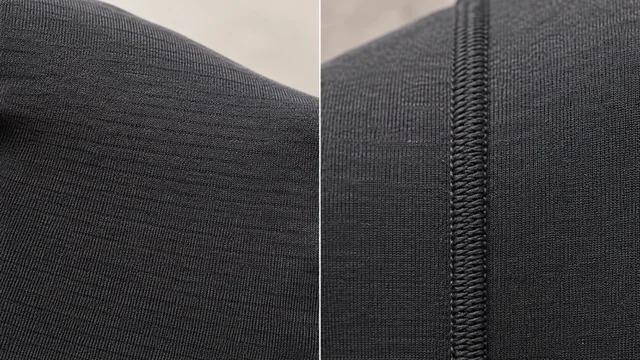
Seamless vs Cut-and-Sew Activewear: Which Construction Is Right for Your Brand?
Compare seamless and cut-and-sew activewear construction. Pros, cons, MOQ, pricing, and when to use each method. Expert guide from YOUMEGA factory.
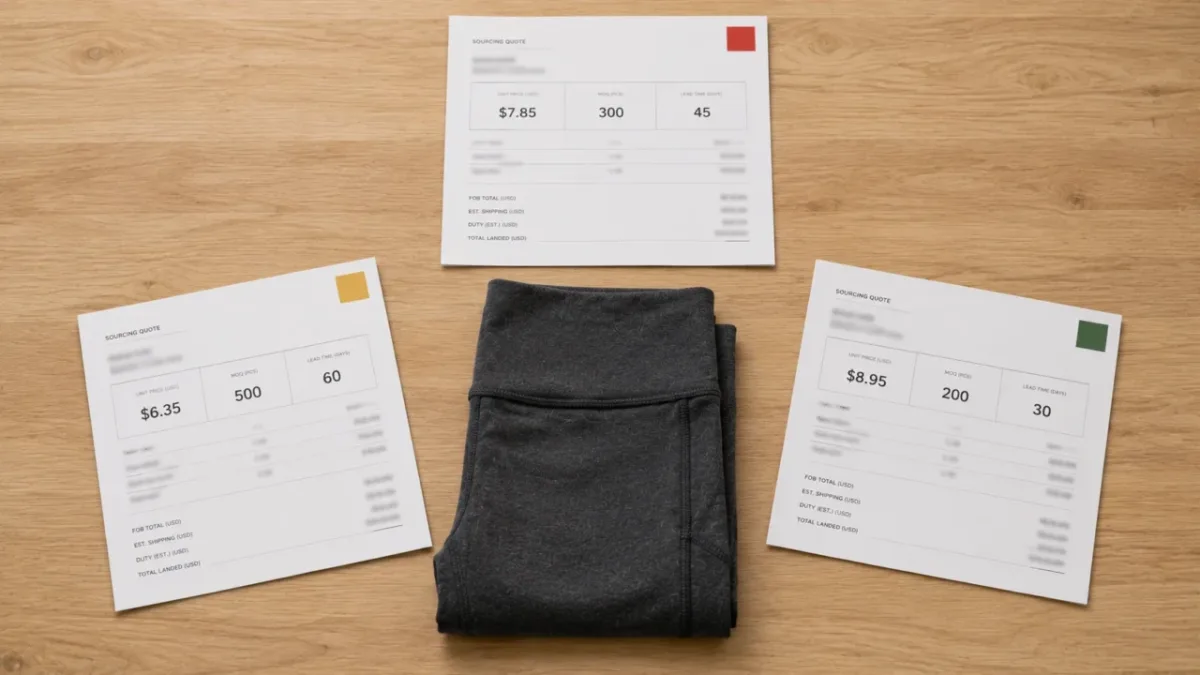
Activewear Manufacturing: China vs Vietnam vs Bangladesh — Where Should You Produce?
Compare activewear manufacturing in China, Vietnam, and Bangladesh. MOQ, lead times, capabilities, pricing. Expert sourcing guide from YOUMEGA.
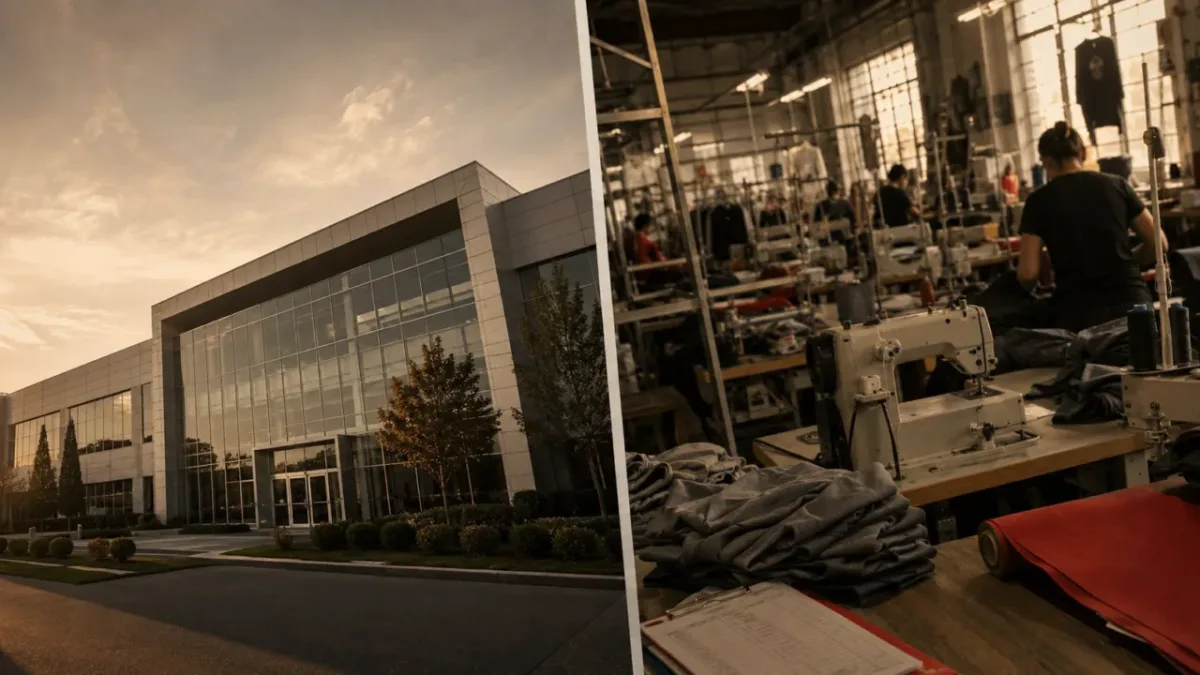
Why Big Activewear Factories Subcontract Your Order (And What That Costs You)
Buyers chase "big factory" credibility, but big factories rarely sew small and mid-sized orders themselves — they pass them down to smaller subcontracted workshops while keeping their margin. Here's why mid-sized factories often deliver better results for growing brands.
Why Your Activewear Brand Should Visit Your Factory Before the Third Order (Not the First)
The standard sourcing advice — "always visit your factory before signing" — works for large brands placing $100K+ orders. For growing brands, that visit costs more than the first order is worth. Here's why visiting on order #3 (after seeing real production output) tells you more than visiting on order #1.
What Activewear Factories Actually Mean by “OEM” vs “ODM” (And Why They Quote Differently)
OEM and ODM aren't synonyms. OEM means you design, they manufacture. ODM means they design, you brand. Most Chinese activewear factories do both, but quote them differently. Here's how the distinction affects your project price, your IP, and your timeline.
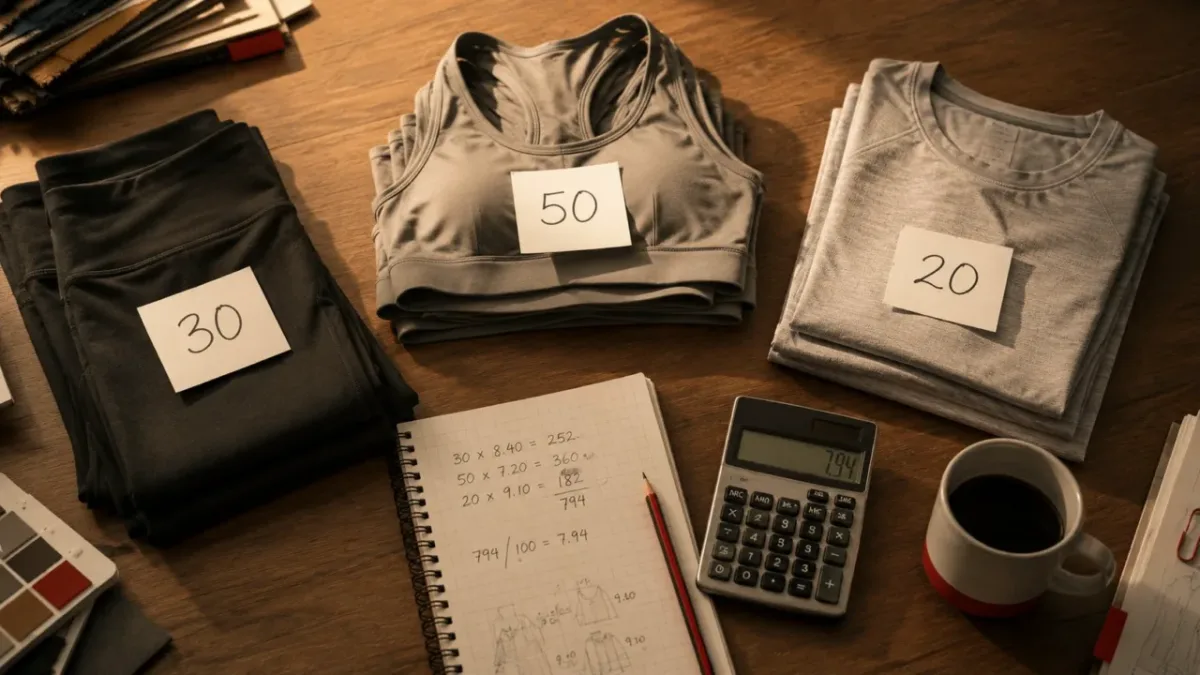
The Hidden Cost of “Mixed MOQ” Orders Across Multiple Styles
Many factories let you mix styles, sizes, and colors across a single 100-pc minimum. It seems like flexibility for free. Actually, mixed MOQ orders carry real costs — multiple fabric setups, more pattern changes, less efficient cutting. Here's the per-unit math, and when mixed MOQ is worth it versus when single-style orders are better.
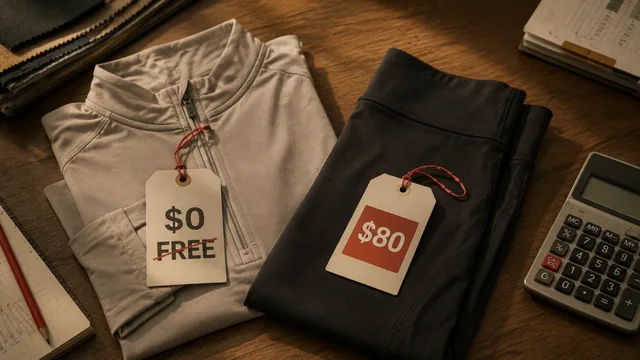
Why “Free Sampling” From Chinese Factories Costs You More Than Paid Samples
Factories offering "free samples" aren't being generous — they're either pricing the sample cost into your bulk quote, sending lower-quality samples than your bulk will be, or qualifying serious buyers from window shoppers. Here's why paid sampling at $50-150 per piece often gets you a better factory match.
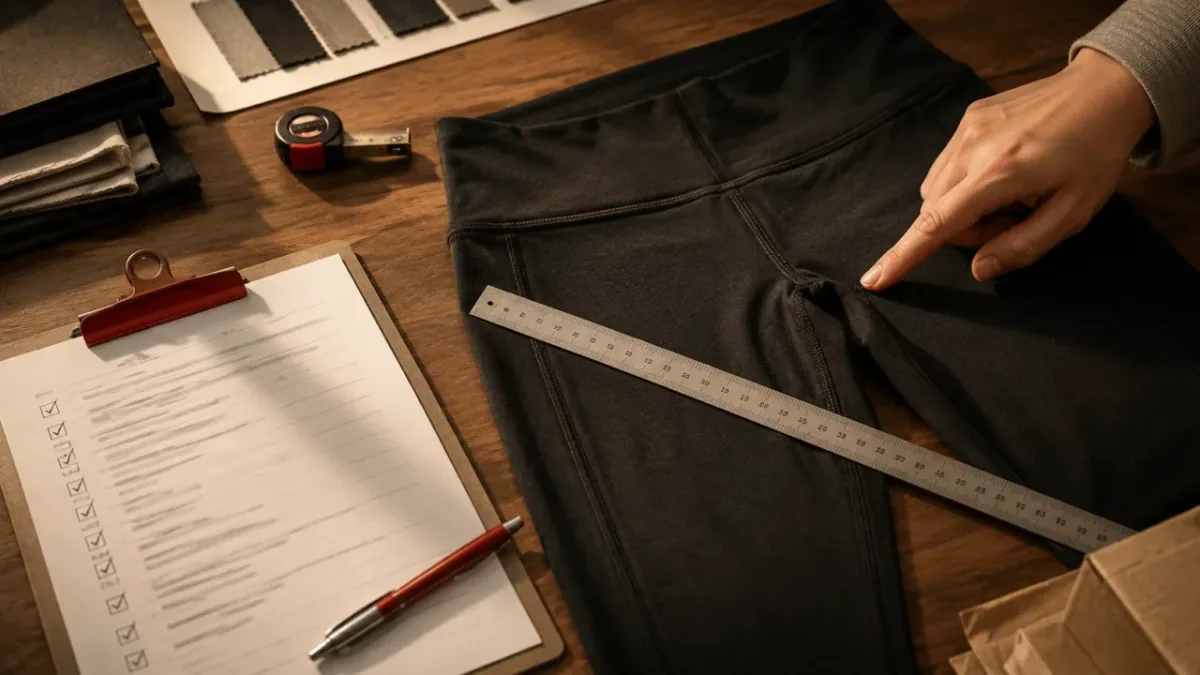
The Sample You Approved Isn’t the Bulk You’ll Receive (And How to Catch It Before Shipment)
Most activewear quality disputes don't come from factories making bad product. They come from bulk production drifting away from the approved sample — different fabric lot, different stitching tension, different finishing. Here's a 5-step inspection process to catch drift before it ships.
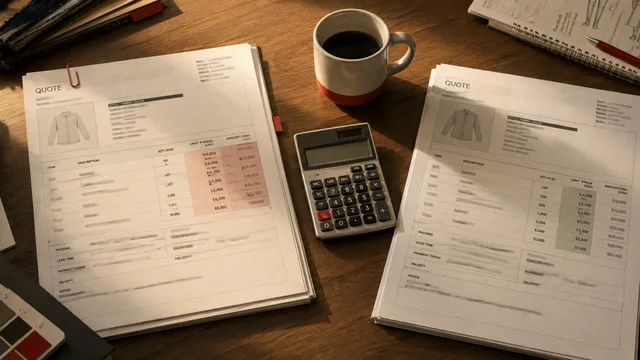
MOQ Theater: Why Some Factories Quote 100 But Won’t Actually Run 100
Many factories advertise "MOQ from 100 pcs" on their websites, but when you place a 100-pc order, the quote suddenly shifts — surcharges, longer lead times, fabric MOQ excuses. Here's what's actually happening, and three questions that reveal whether a factory will really run your small order.
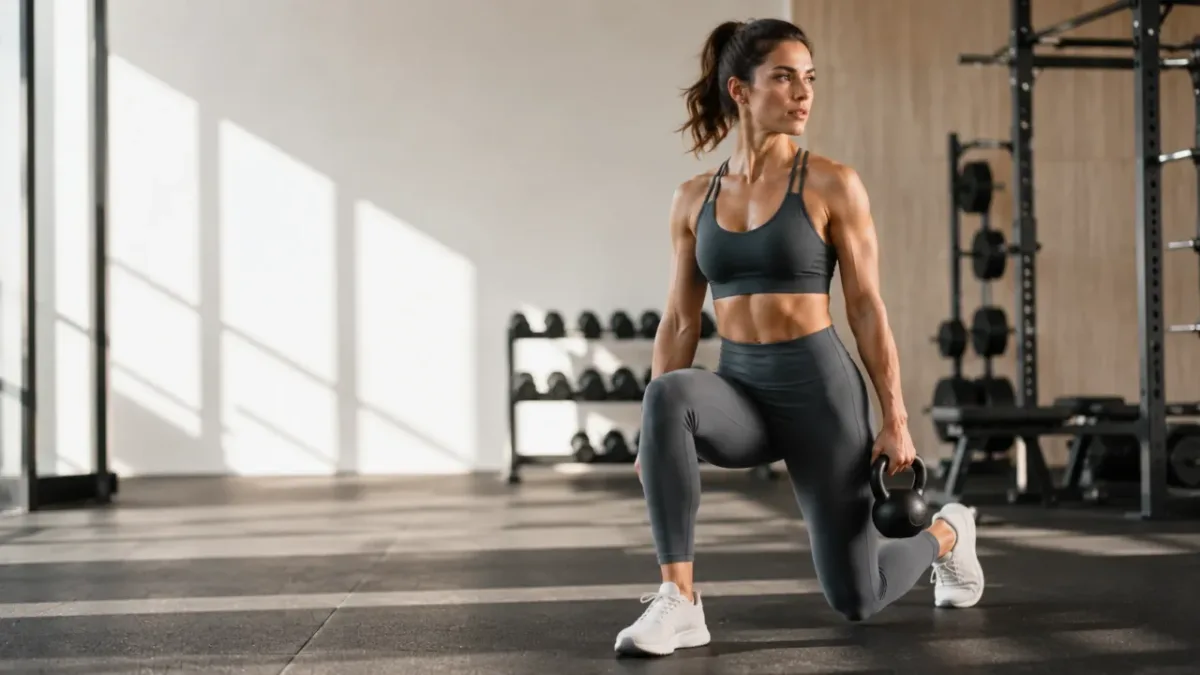
Workout Wear: Matching Fabric, Fit and Performance to How You Actually Train
Short answer: There’s no single “best” workout wear — the right choice depends on your training.

Eco-Friendly Yoga Clothes: What “Sustainable” Really Means — and How It’s Made
Short answer: Genuinely eco-friendly yoga clothes rest on three things: recycled or lower-impact fibers (recycled polyester/rPET, or regenerated nylon...
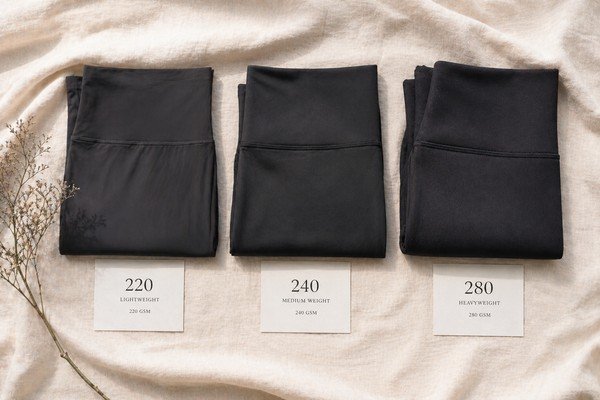
Leggings fabric weight guide: 220 vs 240 vs 280 GSM
One of the first decisions that shapes a private label legging is fabric weight. A practical comparison of 220, 240 and 280 GSM — how each affects opacity, compression, hand feel and price, and which weight fits your brand position.
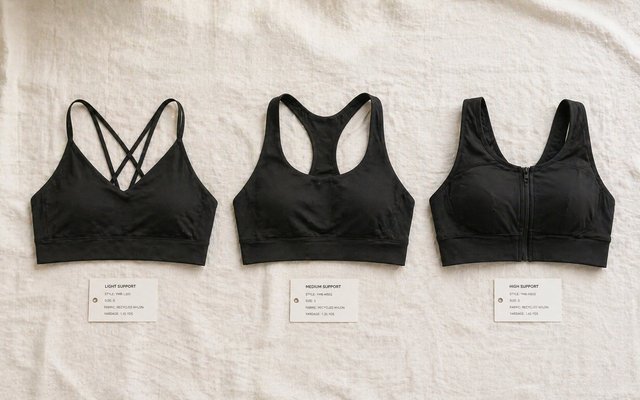
Private label sports bras: what to decide before the first sample
Sports bras are harder to develop than leggings. Support level, fabric, strap, cup and logo placement — the decisions that prevent extra revision rounds.
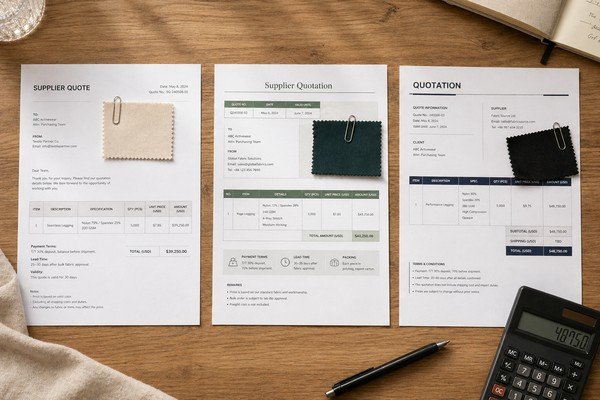
How to compare activewear supplier quotes (without picking the wrong factory)
Unit price is one part of a quote. MOQ language, fabric specs, sample policy, lead time and communication quality matter just as much. A practical comparison checklist.
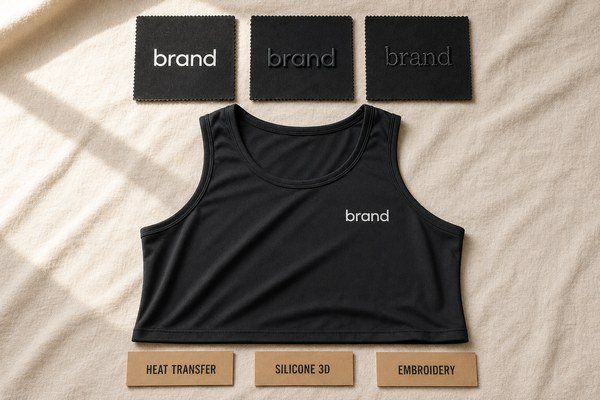
Custom logo activewear at low MOQ: what's realistic and what's not
Low MOQ exists. The useful question is what kind of customization is realistic at 100 sets — and what becomes harder. An honest breakdown.
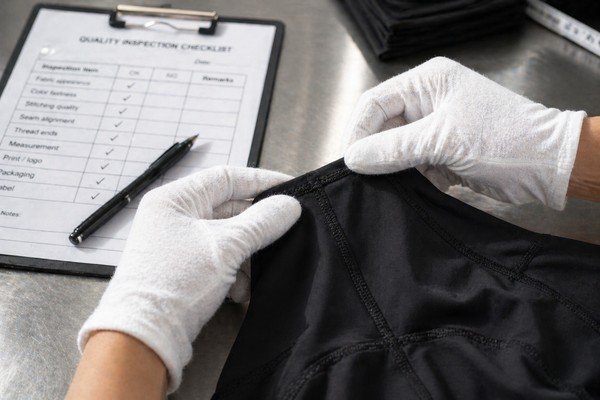
Activewear quality control explained: what AQL actually means
AQL stands for Acceptable Quality Limit — but most buyers don't know what that means in practice. How sampling works, what defects matter, and what to ask before bulk shipment.
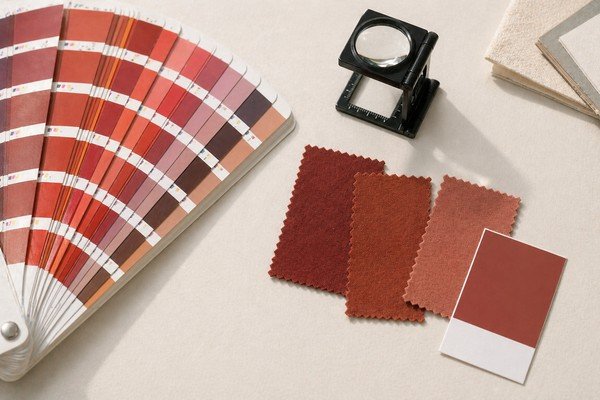
Pantone color matching for activewear: MOQ, lead time and common mistakes
Custom Pantone color makes a collection feel branded. It also has its own MOQ, lab dip approval rounds, and lead time realities. What buyers should know first.
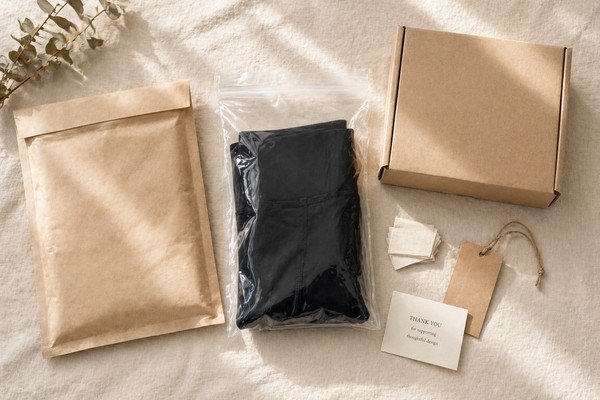
Activewear packaging guide: hangtags, polybags, labels & cartons
Packaging is the first physical brand impression a customer receives. How to choose hangtags, woven labels, polybags, size stickers and outer cartons that match your channel.
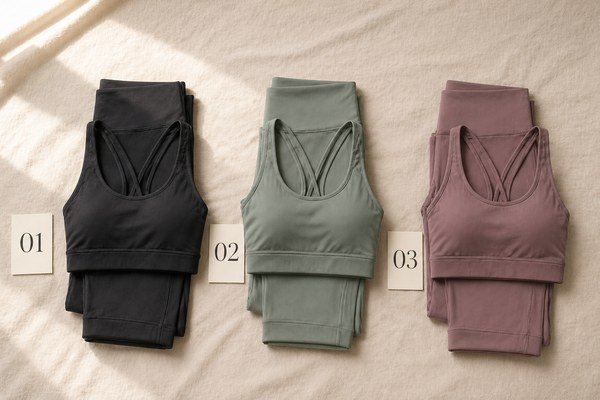
How many styles should you launch your activewear brand with?
Most first-time founders overbuild their first collection. The math is simple: fewer well-developed styles almost always beat a large unfocused first range. Here's the better structure.
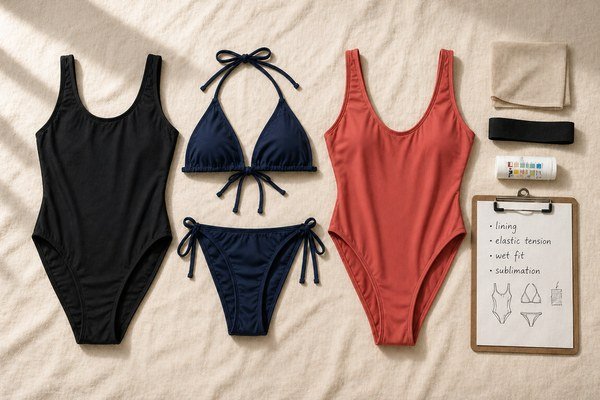
Private label swimwear sourcing: how it differs from activewear
Swimwear isn't just stretch fabric. Lining, elastic tension, sublimation printing and wet-fit testing all change the development process. What activewear brands need to know before adding a swim line.
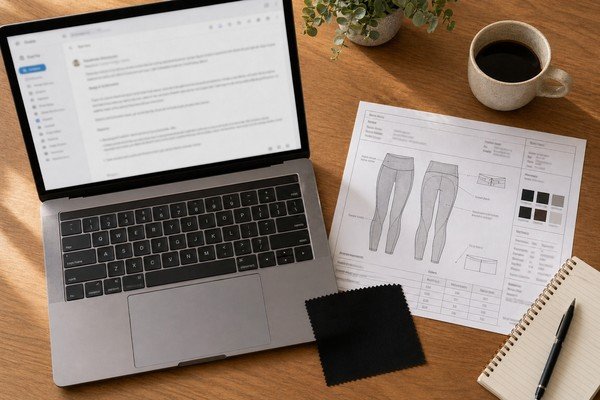
How to send a better activewear inquiry (and get a faster quote)
The quality of your first message decides the quality of the reply. Seven things to include in any activewear inquiry — most buyers skip at least three.

Matching Tennis Outfits for Couples: Coordination Ideas That Actually Work
Short answer: The best matching tennis outfits for couples are coordinated at one of four levels — shared accent color (subtle), mirrored trim details,...
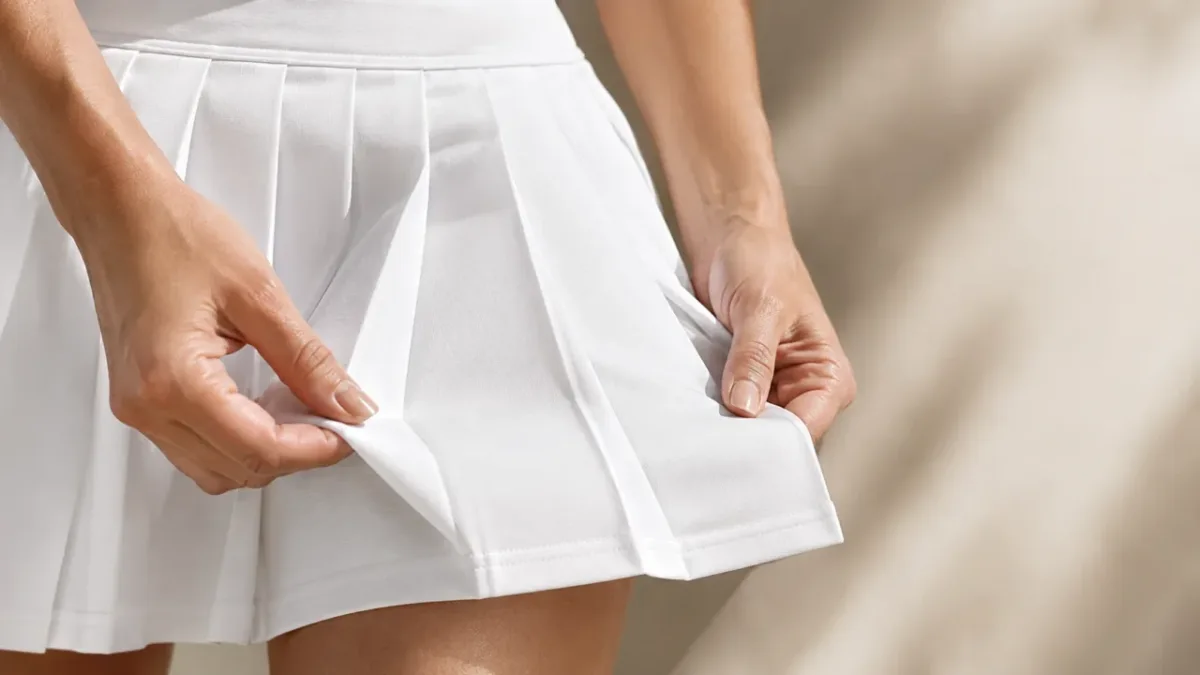
How to Choose Country Club Tennis Attire: A Practical Buying Checklist
Short answer: Evaluate five things before buying club tennis attire: opacity (stretch white fabric over your hand — if skin shows clearly, skip it), pleat...

Country Club Tennis Attire: The Essential Dress Code Guide (2026)
Short answer: Most country club tennis dress codes require dedicated tennis attire — collared or structured tops, tennis skirts, dresses or tailored...
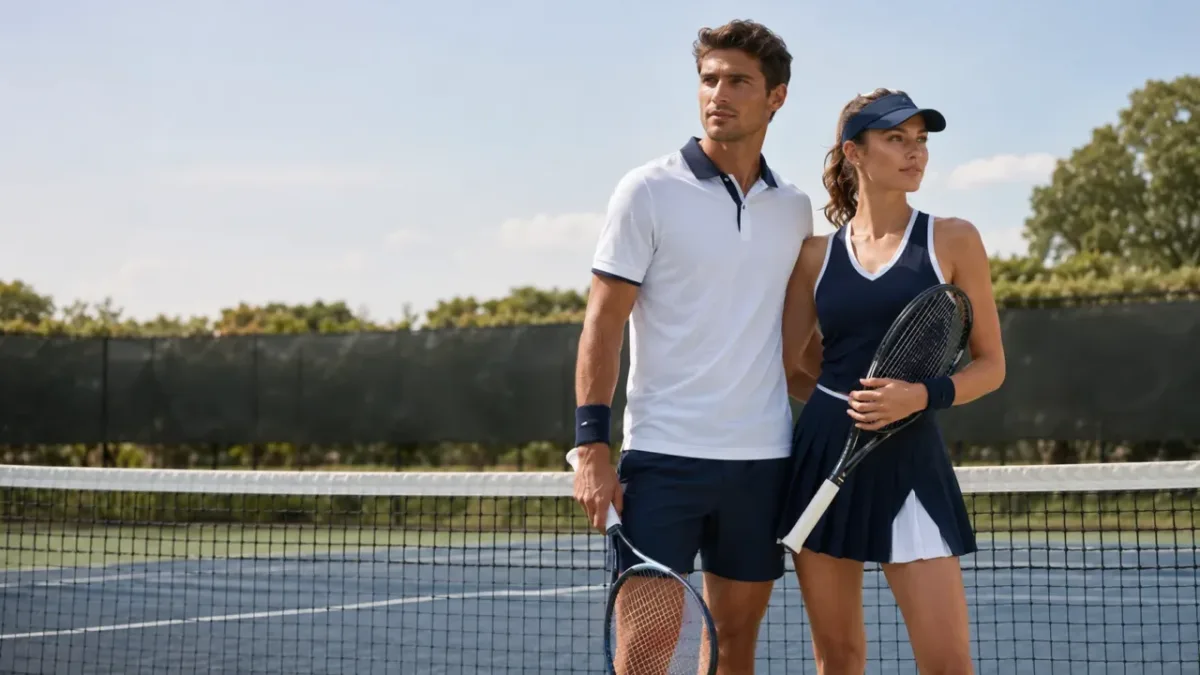
Mixed Doubles Tennis Apparel: Coordinated Design Ideas for Style & Performance
Short answer: Good mixed doubles apparel coordinates without matching: one shared palette (two colors plus white), one repeated design element (the same...
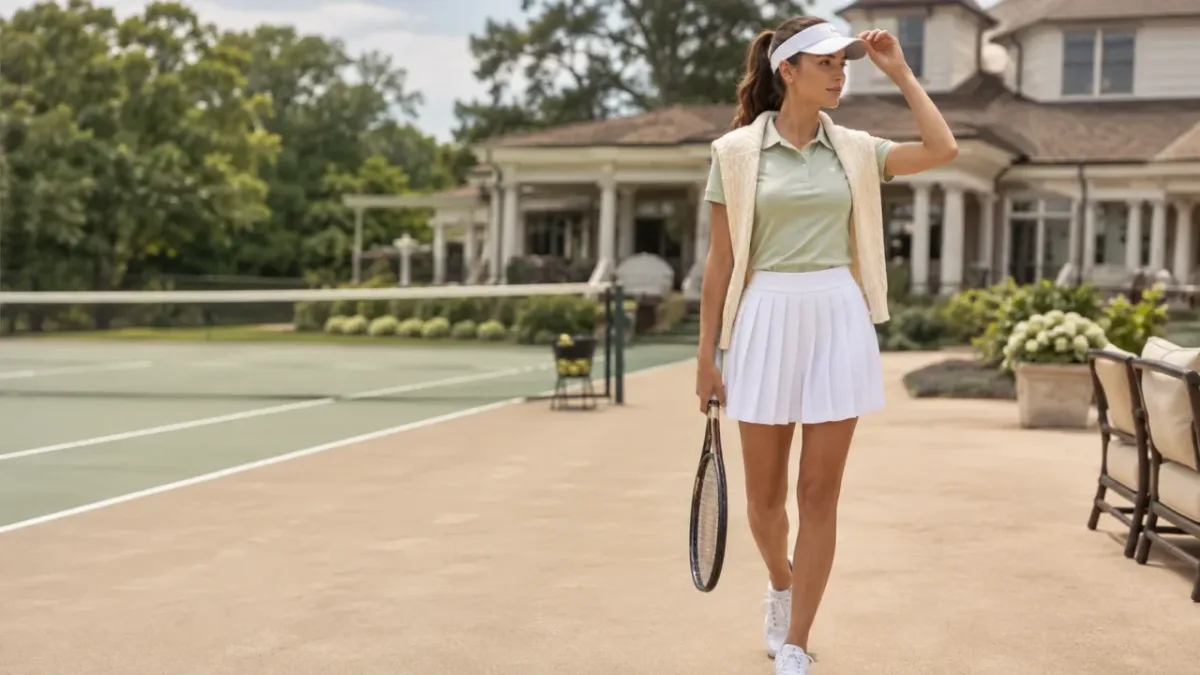
Country Club Tennis Outfits: A Classy On-Court Style Guide (2026)
Short answer: A classy country club tennis outfit is built from three pieces: a structured top (fitted polo or tank), a pleated skirt or tailored shorts...
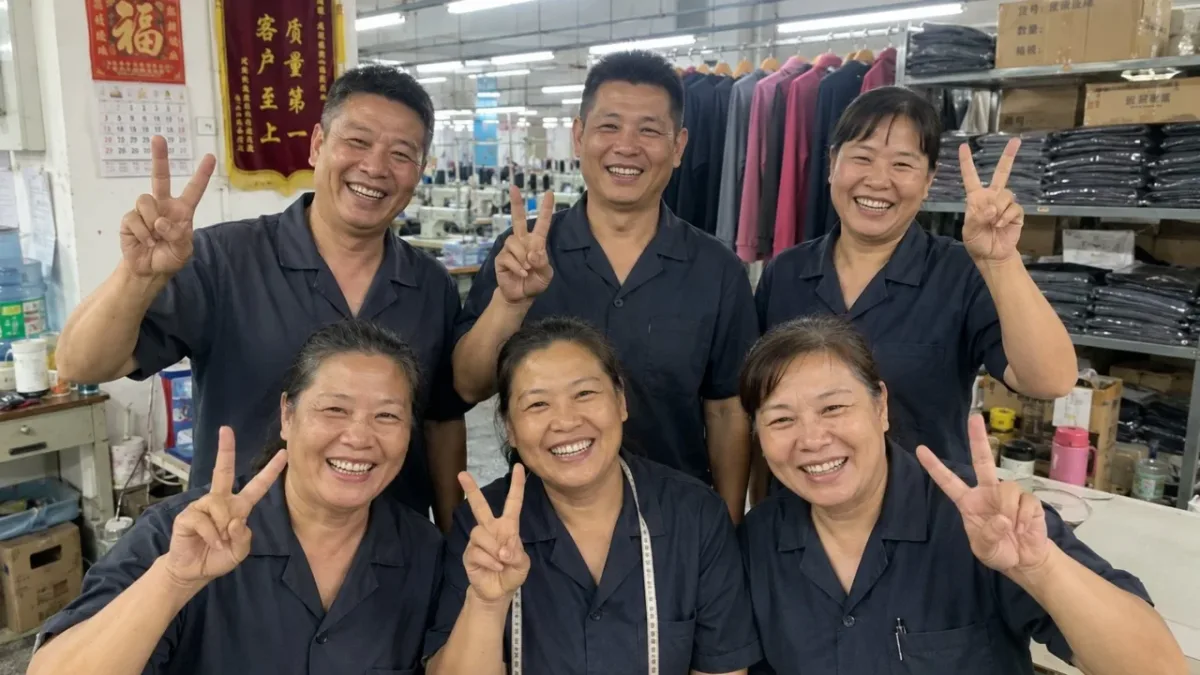
Two-Facility Activewear Manufacturing in China: 4 Supplier Models Compared (2026)
Why the singlecity factory model is hitting its ceiling, and how multicity operations change what a brand can...
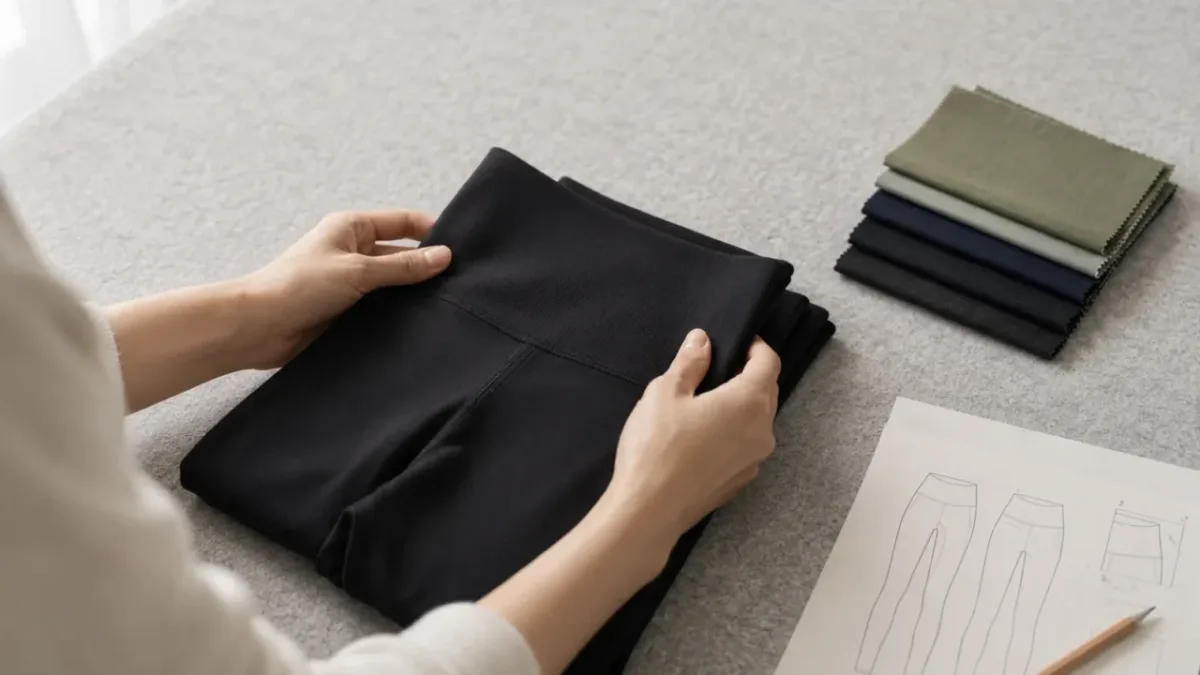
Top 5 Low-MOQ Private-Label Activewear OEMs for First-Time Brand Founders (2026)
Full disclosure: YOUMEGA is our factory. We manufacture private-label activewear ourselves and appear on lists like this.
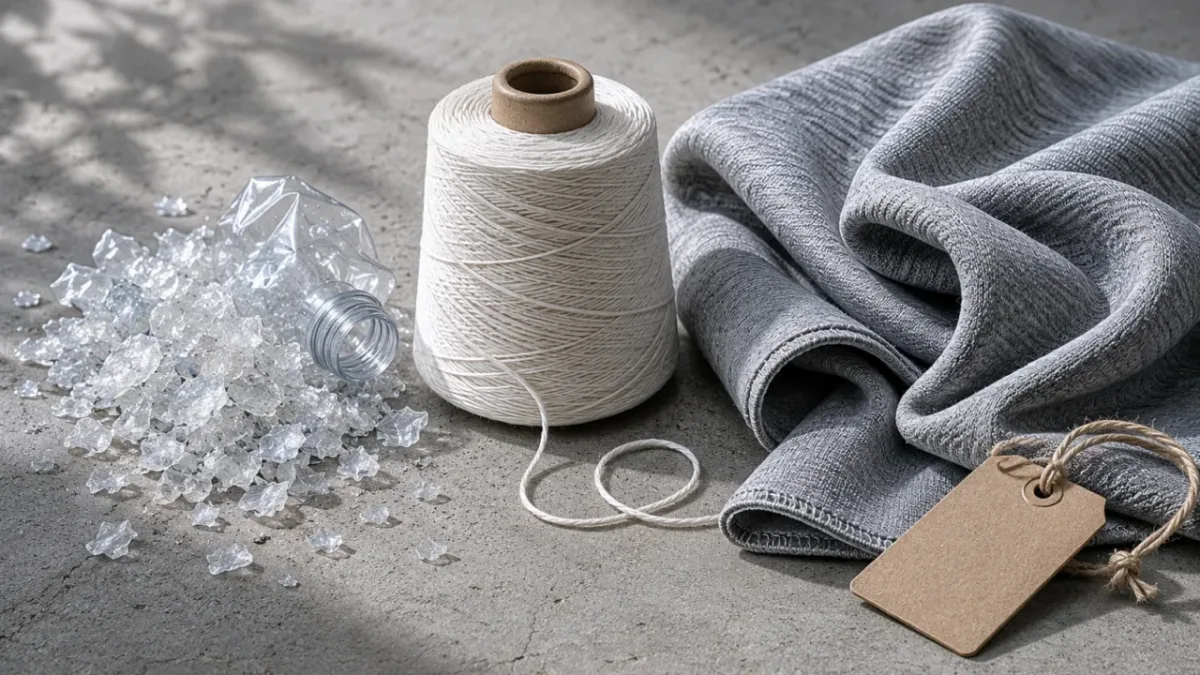
Top 5 Sustainable Activewear Manufacturers with rPET & ECONYL Capabilities (2026)
A buyer's guide to factories with verifiable recycled content programs — and how to spot greenwashing before it lands you in front of an EU...
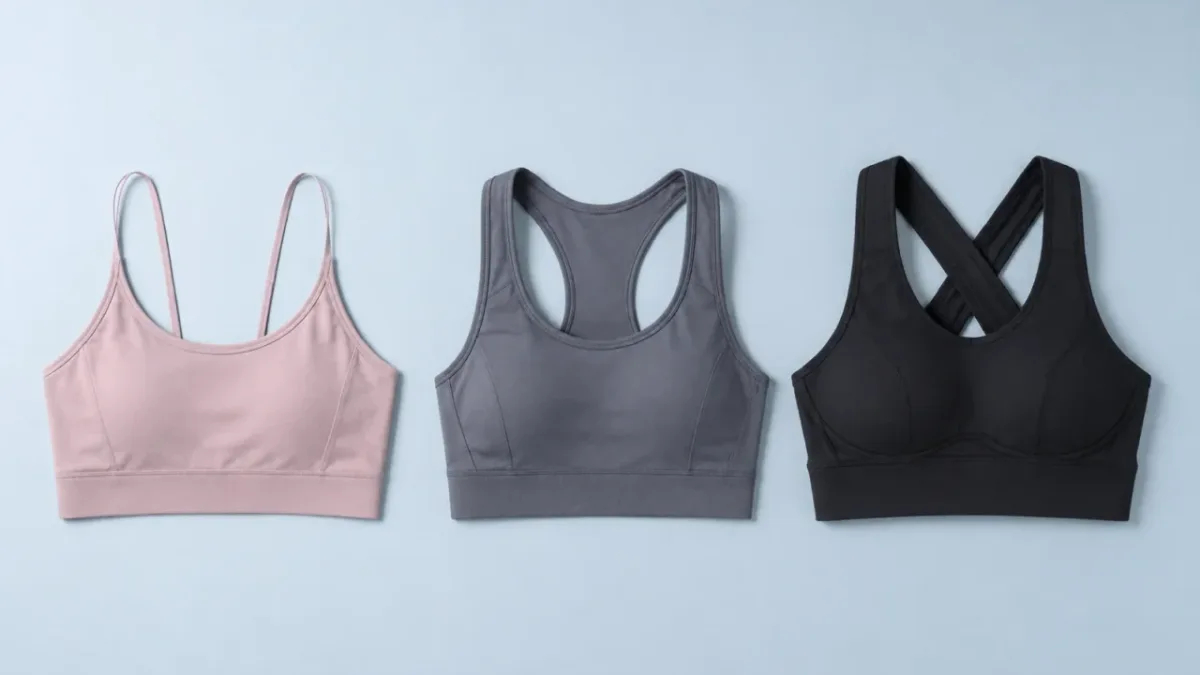
Top 5 Sports Bra Manufacturers by Support Level (Light / Medium / High) for 2026
Full disclosure: YOUMEGA is our factory. We manufacture private-label activewear ourselves and appear on lists like this.
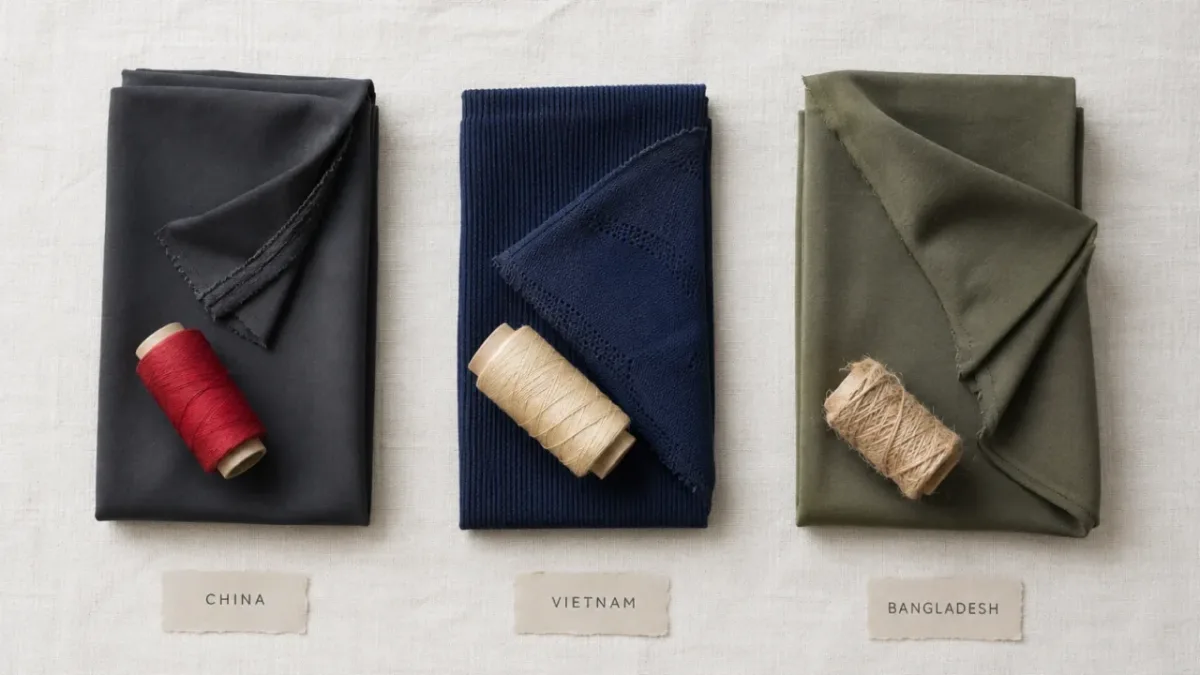
Top 8 Activewear Manufacturers: China vs Vietnam vs Bangladesh Compared (2026)
Full disclosure: YOUMEGA is our factory. We manufacture private-label activewear ourselves and appear on lists like this.
Top 6 Yoga Wear & Athleisure Manufacturers for Premium Brands in 2026
A buyer's guide to factories actually producing the fit, fabric, and finish behind premium yoga and athleisure...
Top 5 Activewear Manufacturers for Shopify Brands Scaling Past First 500 Units in 2026
Full disclosure: YOUMEGA is our factory. We manufacture private-label activewear ourselves and appear on lists like this.
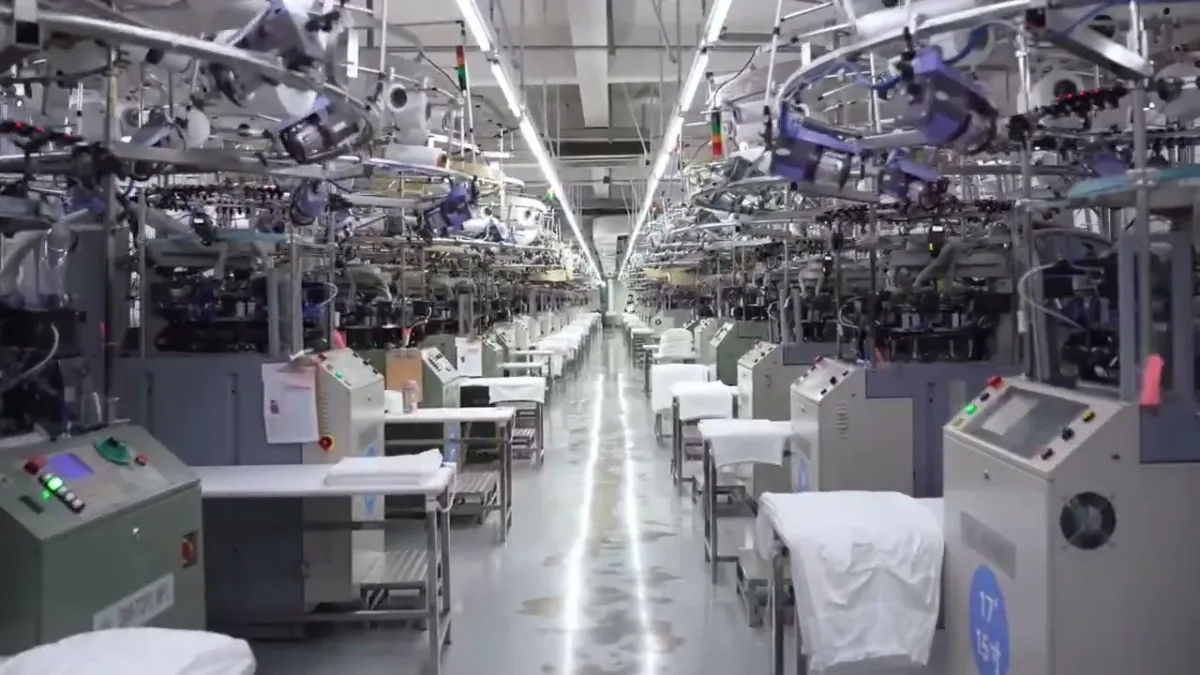
Top 6 Large-Cylinder Santoni Seamless Manufacturers Globally (2026)
Full disclosure: YOUMEGA is our factory. We manufacture private-label activewear ourselves and appear on lists like this.
Top 7 OEKO-TEX Certified Activewear Manufacturers in China for 2026
A buyer guide to OEKO-TEX certified activewear manufacturers: compliance, MOQ fit, factory type and private-label sourcing notes for 2026.
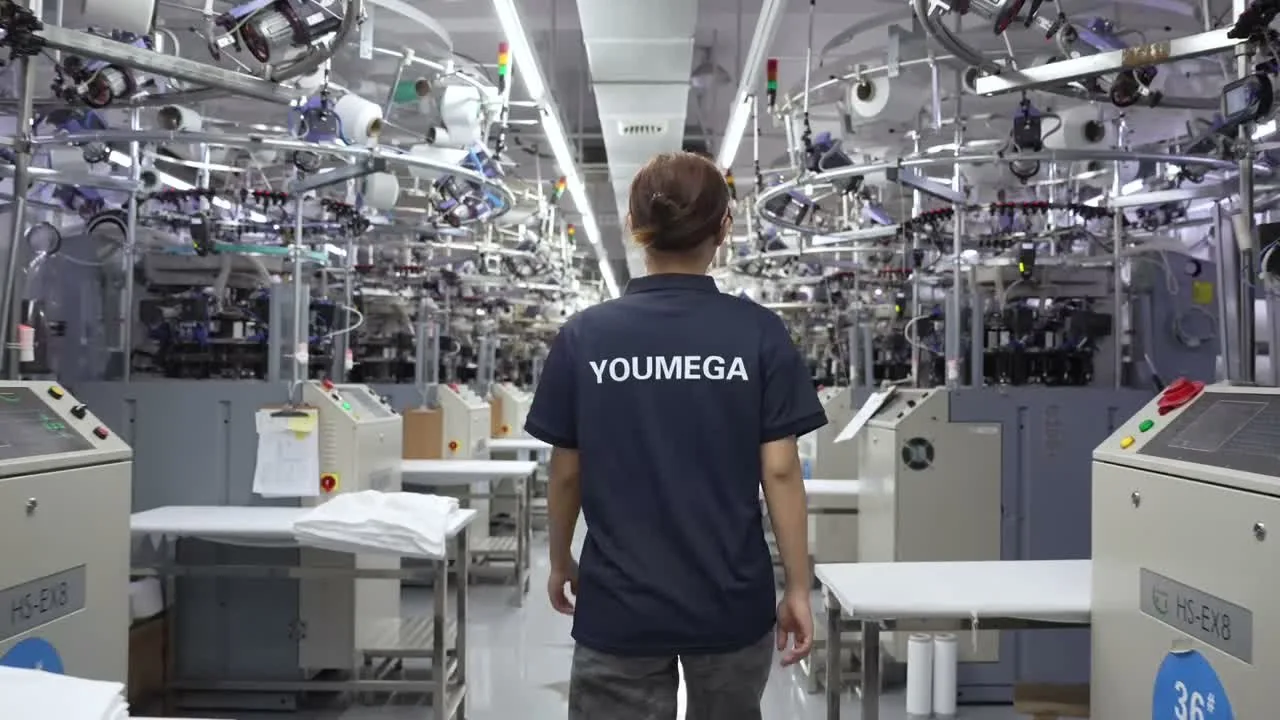
Top 5 Seamless Activewear Manufacturers for Premium Brands in 2026
A buyer's guide to factories that actually run seamless production at premium standards — published by a working seamless factory in...
More articles every other week. Want a topic covered? Email us a question — we'll consider it for the next article.
Ready to see this in action?
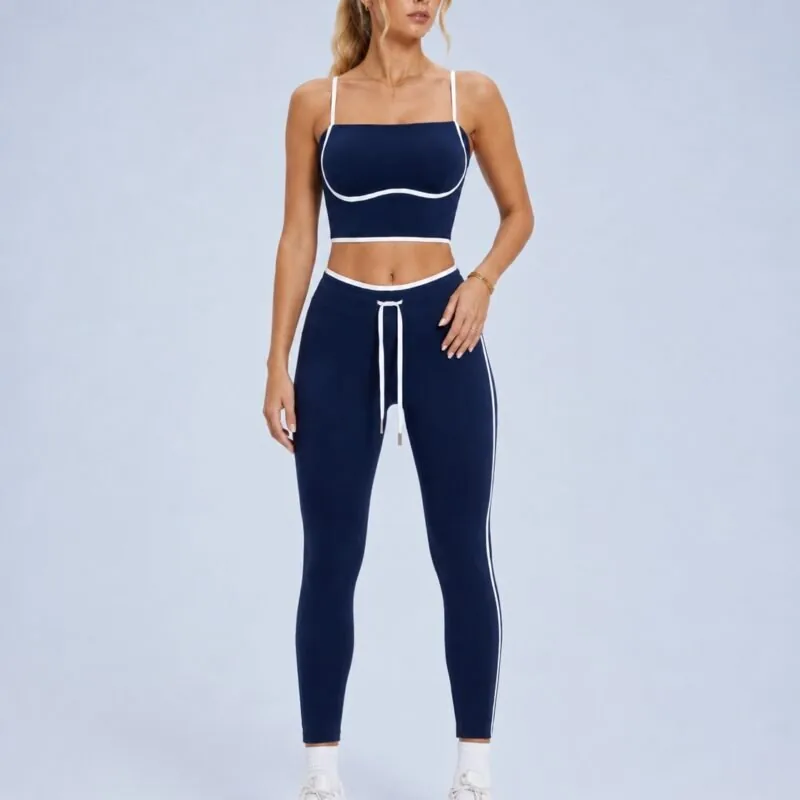
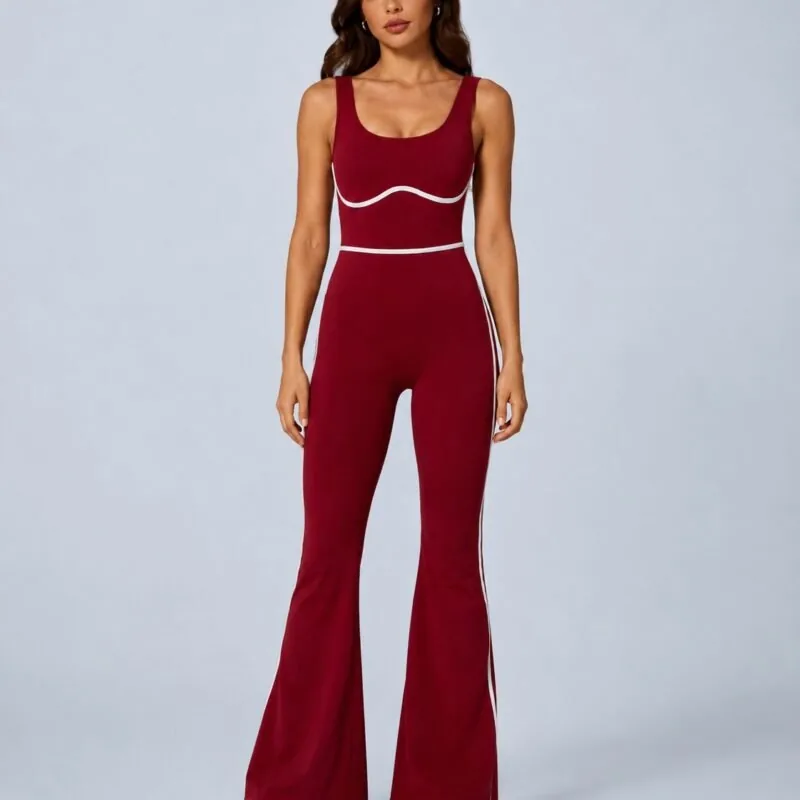
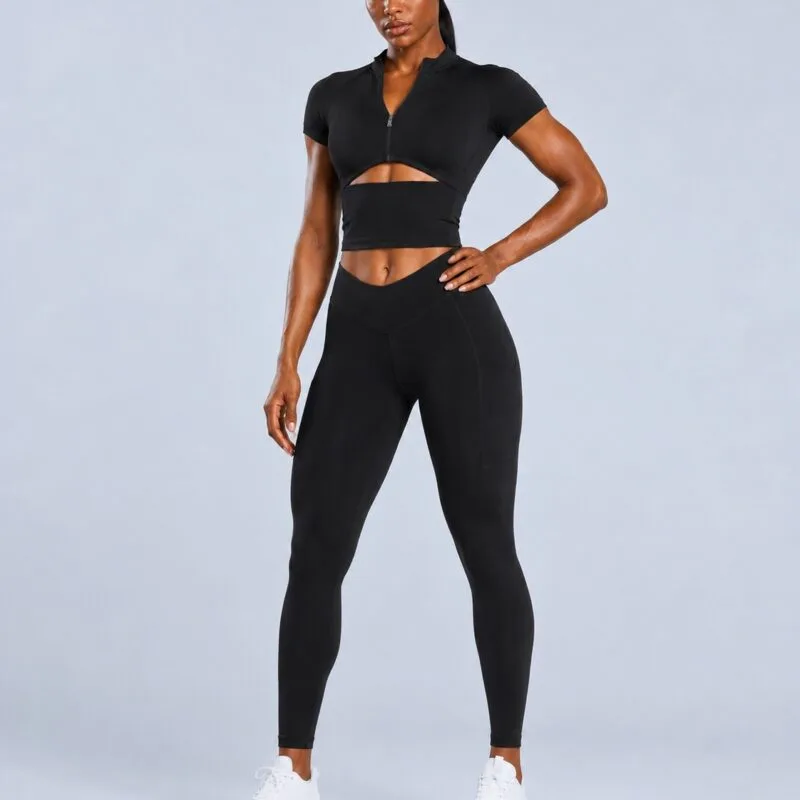
The styles below are what most of our buyers ask about after reading our sourcing guides. Browse fabric, fit, MOQ and request a sample directly.
Put it into practice.
Insights are only useful if they help you make better decisions. Tell us what you're trying to figure out — fabric choice, MOQ structure, supplier vetting, seasonal planning — and we'll give you honest advice based on what we've seen work.
Style reference
Browse the current activewear catalog
Compare available silhouettes before you prepare a brief. Stock + logo starts at 100 sets with mixed colours and sizes; full custom development is 300–500 pcs per style per colour.
Use it as a reference, then send only the styles you want us to quote.