Why Your Logo Changed Color After a Few Washes: Dye Migration, Explained by a Factory
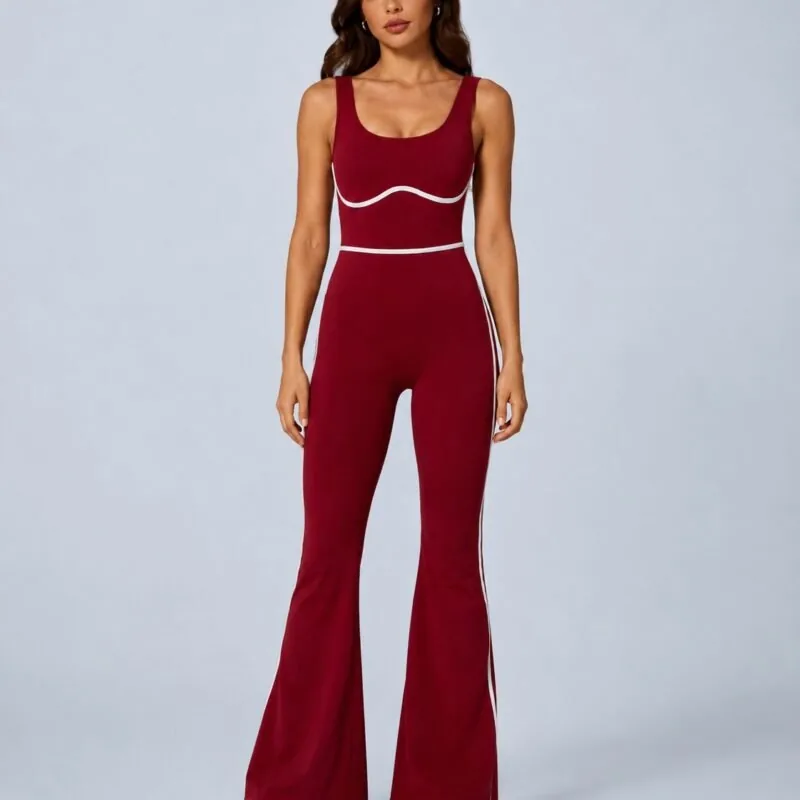
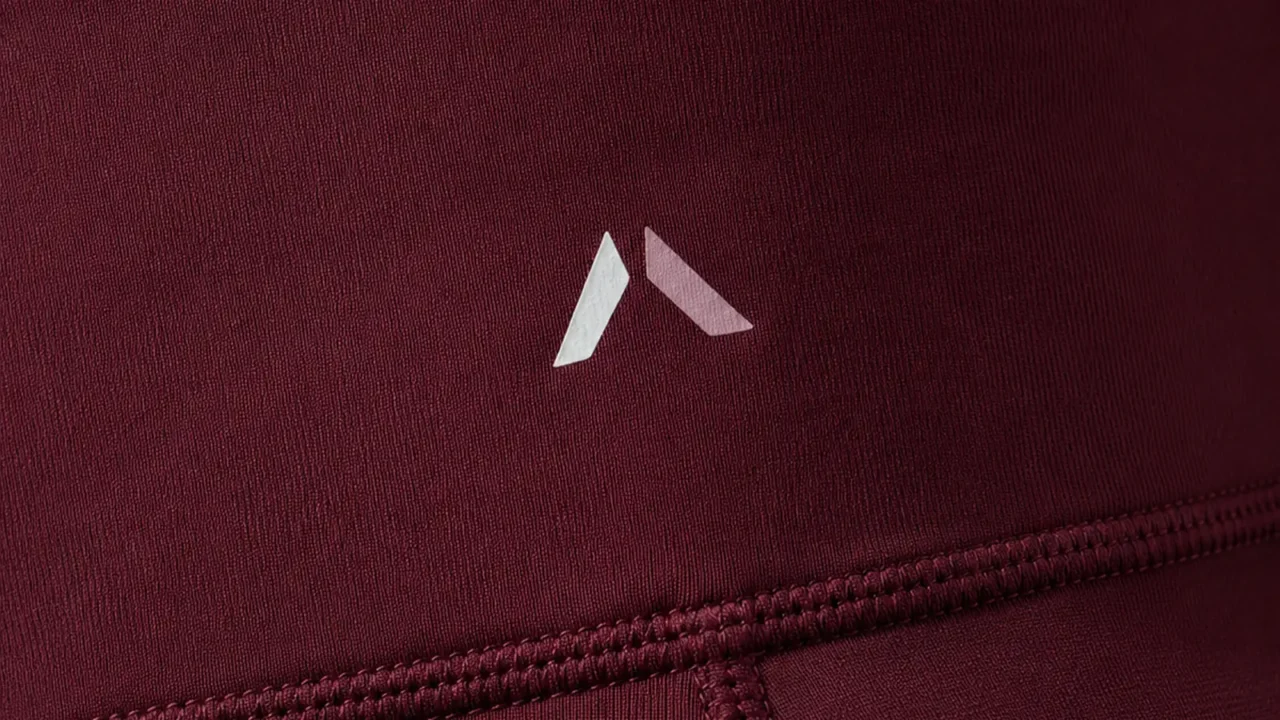
A customer buys burgundy leggings with a crisp white logo. Five washes later the logo is pink. It hasn’t faded, it hasn’t peeled — it has changed color, and nothing says “cheap product” faster, even when the garment itself still performs. The brand looks unprofessional; the factory that caused it is long paid.
Here’s the uncomfortable diagnosis: a color-shifting logo is almost never a printing accident. It’s a fabric quality problem and a logo engineering problem, combined — and both were testable before bulk.
The chemistry: your fabric’s dye is mobile
Polyester is colored with disperse dyes — the same dye family that makes sublimation printing possible. Disperse dyes have a defining property: under heat, they turn to gas and travel. Used deliberately, that’s how an all-over print gets inside the fiber. Used carelessly, it’s how your fabric’s dye travels into your white logo.
This is dye migration (also called sublimation staining), and it has two accomplices:
Accomplice 1: cheaply dyed fabric. Proper polyester dyeing ends with reduction clearing — a wash-off step that strips the unfixed surface dye. Skip or shorten it (it costs time and chemicals, so cheap dye houses do) and the fabric carries a payload of loose dye, waiting for heat. That’s low colorfastness — and it shows up in rub and wash testing long before it shows up on a logo.
Accomplice 2: an unprotected logo. Applying a heat-transfer logo takes roughly 150 °C of press heat — exactly the invitation loose disperse dye needs. Quality transfers for polyester are built with a blocker (anti-migration) layer — a barrier film, low-bleed ink system or grey barrier undercoat that stops dye traveling up into the white. Budget transfers skip the blocker. On cotton it doesn’t matter; on polyester it’s the whole game.
Put cheap dyeing and a blocker-free logo together and the color shift isn’t a risk — it’s a schedule. Press heat starts it, every hot wash and dryer cycle continues it (the same heat abuse that kills elastane), and dark, saturated colors — burgundy, red, navy — are the worst offenders. White and light logos show it first because they have nowhere to hide.
How a serious factory prevents it
| Stage | What actually happens |
|---|---|
| Fabric approval | Colorfastness tested — wash, rubbing, and sublimation fastness under heat — graded on the 1–5 grey scale; we work at grade 4+ for logo-carrying fabrics |
| Dye house screening | Reduction clearing verified as process, not assumed — supplier screening, same discipline as chemical compliance |
| Logo engineering | On polyester: blocker-layer transfers, low-bleed systems, or silicone prints (inherently migration-resistant) — chosen per fabric color and logo method |
| Combo test before bulk | The actual logo on the actual dyed fabric: pressed, then hot-washed repeatedly, then judged. Twenty minutes of oven-and-wash testing versus a container of pink logos |
| Sealed standard | The approved combo becomes the reference; bulk is checked against it at AQL 2.5 |
The combo test is the step that separates factories. Fabric can pass its tests, the transfer can pass its datasheet, and the combination can still fail — because migration is an interaction, not a component property. We test the interaction.
What this costs you — and what it saves
A blocker-layer transfer costs slightly more per unit than a bare one. Properly cleared fabric costs slightly more per meter than the shortcut. Together they’re pennies against the alternative: a hero colorway that turns your logo pink in customer photos, reviews that say “looked cheap after a month,” and a reprint bill. White-logo-on-dark-fabric is a premium look — it just has to be engineered, not hoped for.
Questions that expose the problem before you pay for it:
- What’s the sublimation fastness grade of this fabric under heat?
- Does this transfer have an anti-migration blocker layer?
- Can you show me this logo on this fabric after five hot washes?
A factory that answers with numbers and a test swatch is protecting your brand. One that answers “no problem, we do this all the time” is describing the problem.
FAQ
Why did my white logo turn pink only on the red colorway? Saturated reds and burgundies carry the most mobile disperse dye. Same logo, same transfer — the fabric’s dye load differs per color, which is why we combo-test per colorway, not per style.
Is this the same as the logo peeling off? No — peeling is adhesion failure (covered here). Migration is color traveling into an intact logo. Cheap programs often deliver both.
Can a shifted logo be fixed? No. The dye is inside the logo material. Prevention — cleared fabric, blocker layer, combo testing — is the only lever.
Does this affect embroidery or silicone logos too? Far less. Embroidery thread and silicone are inherently more migration-resistant — one reason logo method choice follows fabric, not just aesthetics.
Do you combo-test every colorway? Every logo-carrying colorway on migration-prone bases, yes — it’s part of pre-production approval, and the sealed sample records the result.
Running light logos on dark polyester? Send us the combo — we’ll press it, wash it hot, and show you what five washes do before you commit a container to it. Reply within 24 hours on weekdays.