Stock Fabric vs Custom-Knitted Fabric: The Decision Hiding Inside Every Quote
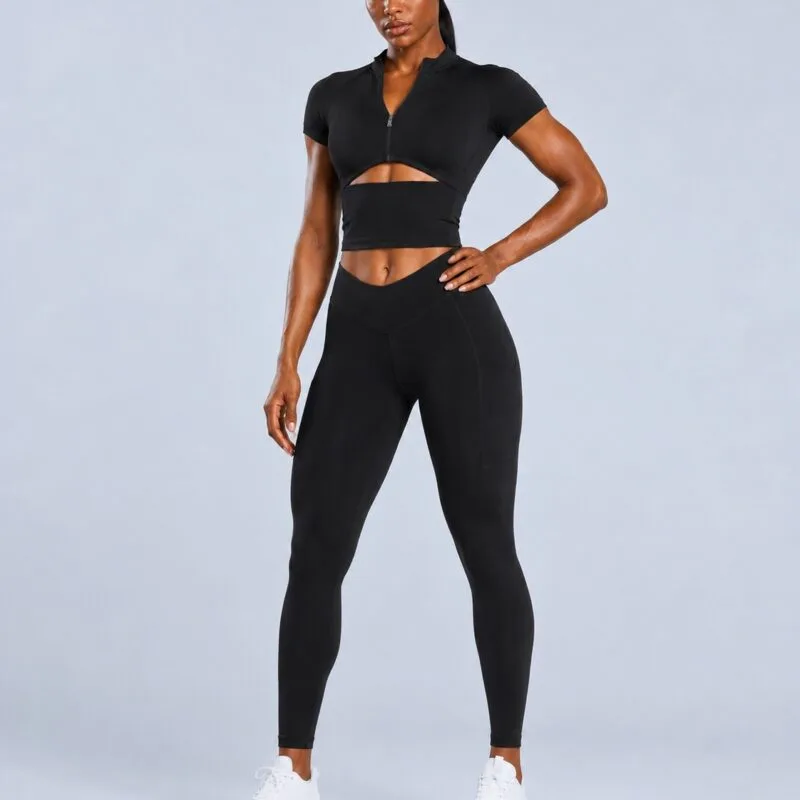
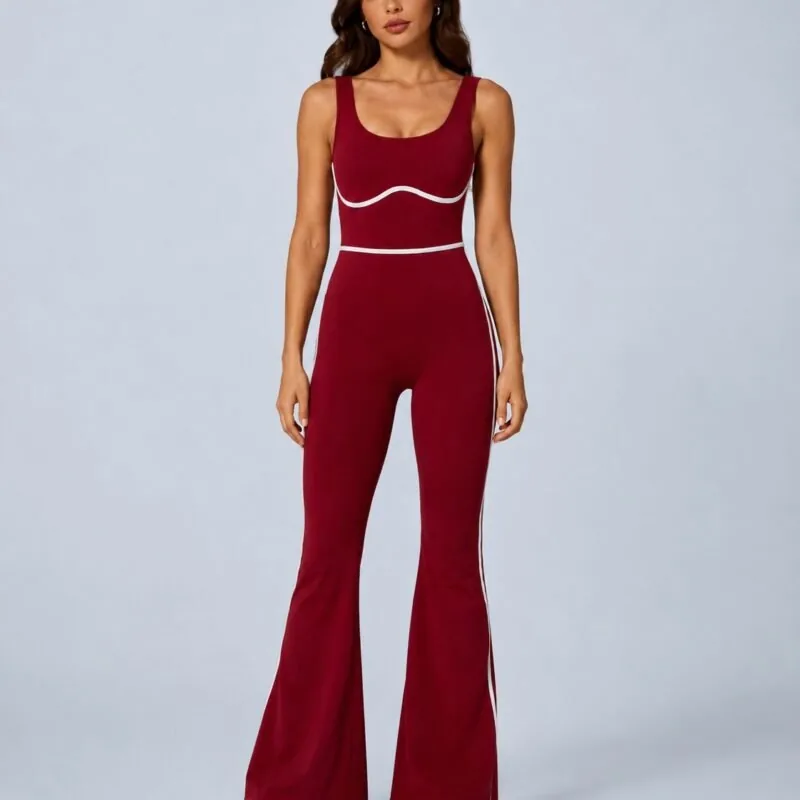
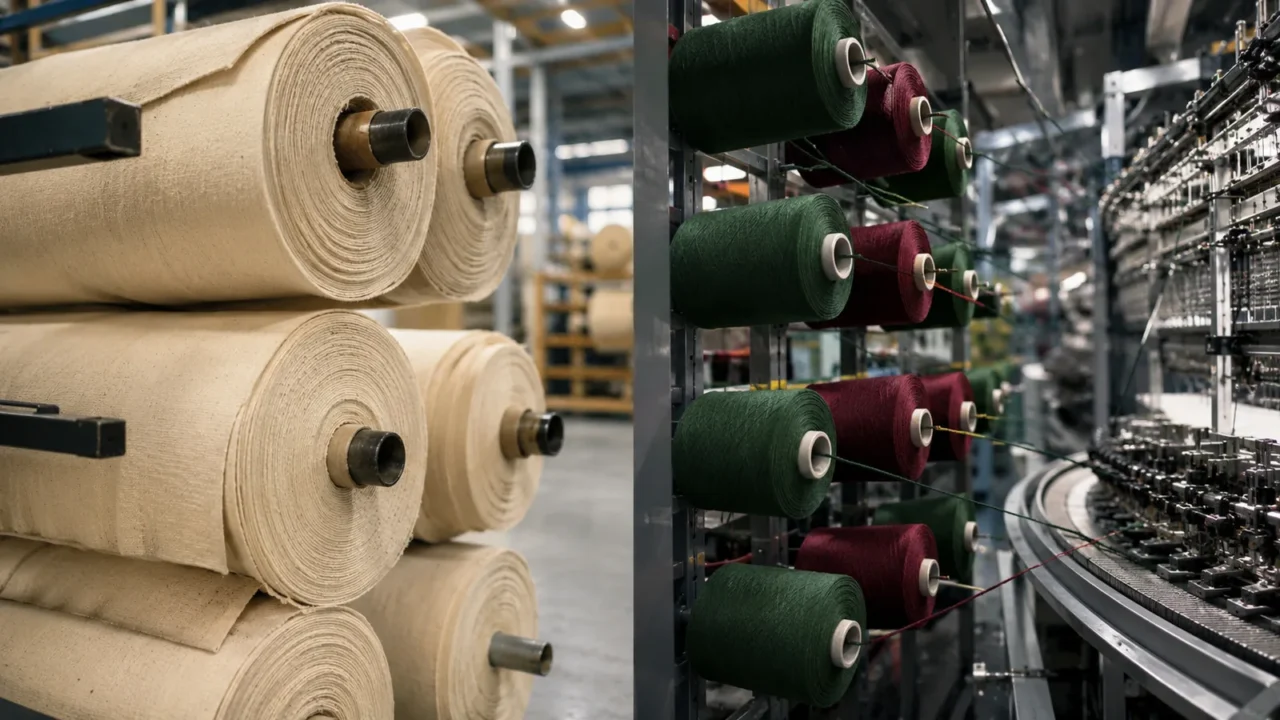
When two suppliers quote the “same” legging 30% apart, buyers assume someone is lying. Often both are honest — they’re quoting different fabric routes. One is dyeing stock greige (fabric already knitted, waiting undyed in a warehouse) to your color. The other is knitting fabric to your specification from yarn. Same garment on the outside; different economics, timelines and control underneath. You should know which one your quote contains — and which one your product actually needs.
The two routes, honestly compared
| Stock greige, dyed to order | Custom-knitted to spec | |
|---|---|---|
| What’s fixed | Composition, weight, knit structure (choose from what exists) | Nothing — you specify fiber, yarn, weight, structure |
| What’s yours | The color (and the garment) | The fabric itself |
| Fabric MOQ driver | Dye lot minimums | Knitting run + dye lot |
| Speed | Fastest — greige exists, only dyeing stands between you and cutting | Adds knitting queue and often yarn sourcing |
| Consistency risk | Between dye lots (covered here) | Between everything — until the spec locks, then excellent |
| Cost | Lower entry | Higher entry, control premium |
| Exclusivity | None — others can dye the same greige | Real — the spec is yours |
When stock greige is the smart answer
For most first collections and many mature basics, stock greige is not a compromise — it’s the reason MOQ 100 programs can exist at all. The knitting risk is already absorbed, quality history on the fabric is known, and your differentiation lives where customers actually feel it: fit, color story, logo, packaging. Our stock-style programs run on proven greige bases for exactly this reason — from 100 sets, mixed colors and sizes, with custom Pantone dyeing available at dye-lot quantities (300–500 pcs per color).
The honest limitation: you’re choosing from fabrics that exist. If your brand’s whole thesis is a hand feel nobody else has, stock greige can get you close — but “close” is the operative word.
When custom knitting earns its cost
Custom knitting is the route when the fabric is the product: a specific weight nobody stocks, a rib structure that defines your look, a compression profile with numbers behind it, or an exclusivity requirement written into your brand story. You gain a spec that competitors can’t dye their way into — and you take on knitting minimums, longer first-run lead times, and the responsibility of locking a spec worth repeating.
Two practical warnings from the factory floor:
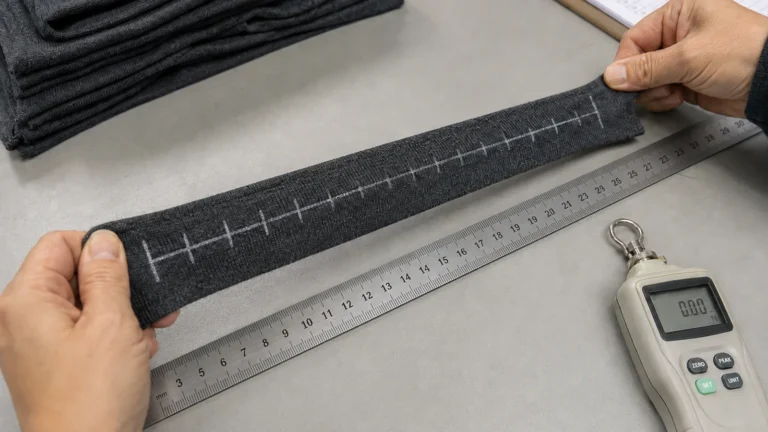
- Lock the spec before you love the sample. A custom fabric approved on hand feel alone, without recorded weight, stretch, recovery and shrinkage numbers, is a reorder dispute waiting to happen.
- Custom fabric changes your reorder math. Reorders wait on knitting runs, not just dye lots — plan inventory accordingly, especially around peak-season windows.
The hybrid most good lines actually run
Hero styles on custom-knitted signature fabric; volume basics on proven stock greige dyed to the same color story. One brand language, two fabric routes, each doing what it’s economically good at. When we quote your line, we’ll tell you which route each style is on — and if a quote you got elsewhere seems too good, asking “stock greige or custom knit?” is the fastest way to find out what it’s really made of.
FAQ
How do I know which route my current supplier uses? Ask for the greige source and whether the fabric spec sheet is theirs or the mill’s stock article number. Hesitation is your answer.
Can stock greige be certified (OEKO-TEX, recycled)? Yes — stock programs run on certified bases too; documentation sits at mill level and is shared per project.
What’s the real MOQ difference? Stock route: garment program minimums (from 100 sets) with dye lots at 300–500/color for custom shades. Custom knit: add the knitting run — quoted per spec, honestly, before you commit.
Can I move from stock to custom later? That’s the healthy path: prove the style on stock greige, then invest the custom spec into a proven winner instead of a guess.
Send your reference fabric or hand-feel target — we’ll tell you whether it’s a stock match, a dye job away, or a genuine custom knit, with both routes quoted. Reply within 24 hours on weekdays.