Why Two Fabrics With the Same Composition and Weight Cost Different Prices
You send the same line to two suppliers — “88% nylon / 12% spandex, 250 GSM” — and the quotes come back 30–50% apart. Same fibers. Same weight. So is someone padding the price?
Usually, no. The spec line tells you what the fabric is made of and how heavy it is. It says almost nothing about how good it is. Four things move the real cost, and none of them appear on that one line.
1. The “same” yarn is not the same yarn
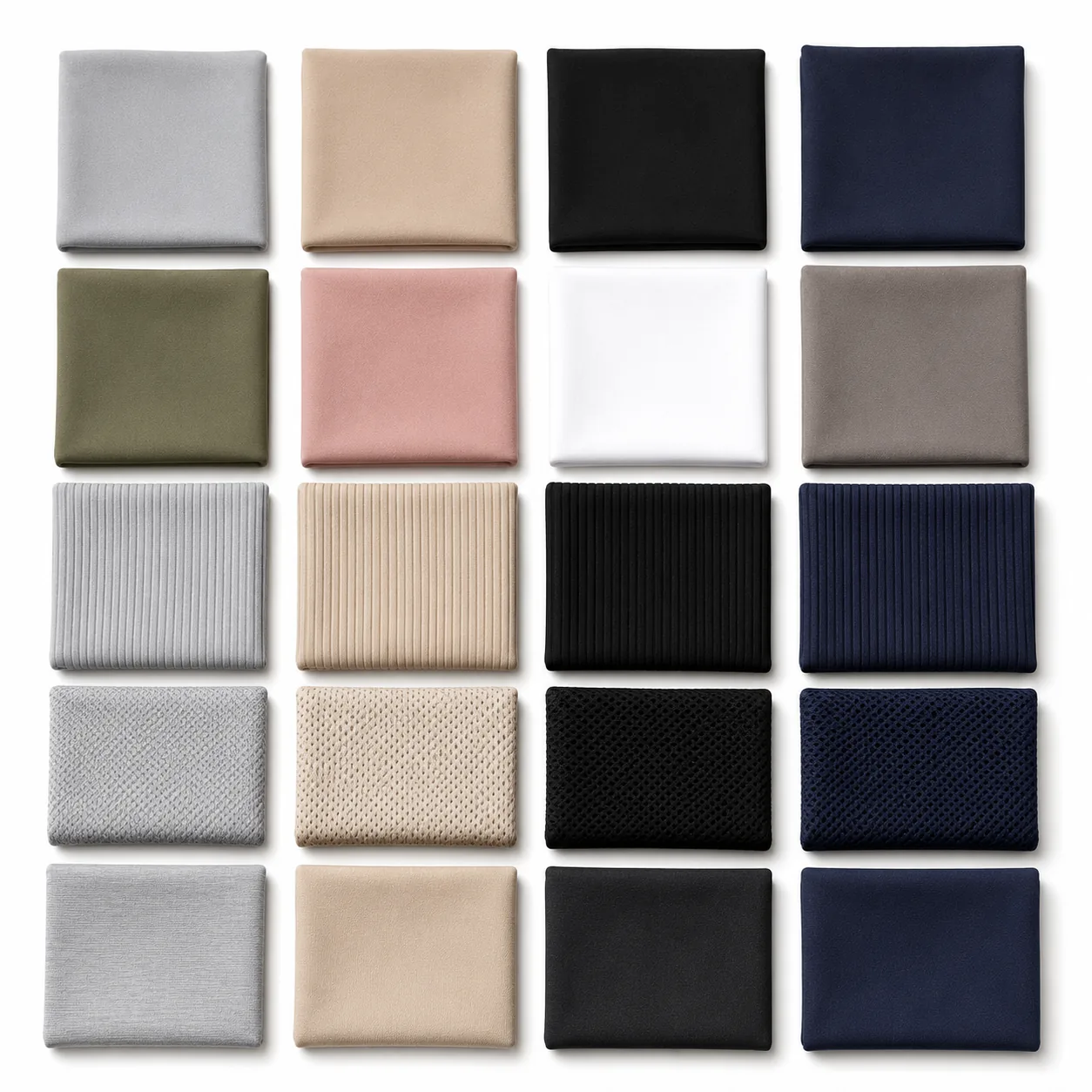
“Nylon” and “spandex” on paper can be very different yarn underneath:
- How the filament was processed (DTY vs FDY vs POY). The same polyester or nylon can be drawn and textured in different ways. Textured, higher-processed yarn feels softer and more consistent — and can run 30–50% more than a basic grade before anything is even knitted.
- Nylon 6 vs nylon 66. Nylon 66 is stronger, holds its shape better, and recovers better after stretch — and it costs more. Both are just called “nylon” on a spec.
- Branded vs generic spandex. A garment made with a reputable, consistent spandex holds its stretch; a legging made with the cheapest spandex bags out at the knees after 20 washes. Same “12% spandex” line, very different life.
- Combed vs carded (for cotton blends). Combing removes the short fibers that cause fuzz and pilling. It’s smoother and stronger — and typically 10–30% more.
2. Same GSM, different construction
Here’s the one most buyers miss: GSM is yarn thickness × knit density — two variables hidden inside one number.
You can hit 250 GSM two ways:
- Thicker yarn, looser knit — cheaper, less dense, thinner-feeling, more likely to go see-through under stretch.
- Finer yarn, tighter knit — more expensive, denser, “buttery,” and more opaque (better squat coverage) at the exact same weight.
Filament count matters here too: a fine, high-filament yarn (think microfiber) feels silkier than a coarse one — again, at identical GSM. So “250 vs 250” on two quotes can be two genuinely different fabrics.
3. Finishing you can’t see on the spec sheet
A spec line rarely lists finishing, but each finish is a real production step with real cost:
- brushed / peached hand-feel
- 4-way stretch heat-setting (so it stretches and recovers in both directions)
- moisture-wicking, anti-pill, anti-odor treatments
- dimensional stability (so it won’t shrink or spiral-twist after the first wash)
Budget fabric skips these. You don’t see it on the quote — you see it after the first wash.
4. Dye quality and colorfastness
Same color code, very different dye. A dye house using certified dyes and proper fixation costs more than a small, unregulated one — and the difference shows up as bleeding, fading, or color rubbing off after a few washes. This is the corner that hurts most to cut, because the fabric can look perfect on the sample and fail in your customer’s laundry.
What the price gap actually buys — a worked example
Two quotes, the same spec line, very different fabric:
| Same spec line | “Budget” quote | “Premium” quote |
|---|---|---|
| Composition | 88% nylon / 12% spandex | 88% nylon / 12% spandex |
| Weight | 250 GSM | 250 GSM |
| Nylon yarn | Generic nylon 6, basic grade | Nylon 66, high-filament |
| Spandex | Generic | Branded-class |
| Knit | Standard gauge, looser | High gauge, denser (more opaque) |
| Finishing | Basic | Brushed + 4-way heat-set + wicking |
| Colorfastness | Small dye house | Certified, higher grade |
| Result | Thinner, bags out sooner | Holds shape, survives more washes |
| Price | Baseline | +30–50% |
(Ranges are illustrative — your real gap depends on order size and which finishes you actually need.)
The part that saves you money: “cheaper” fabric is often more expensive
If a legging pills, fades, and bags out in 20 washes, it gets returned or retired. One that survives 100 washes earns its keep. On a cost-per-wear basis, the pricier fabric is frequently the cheaper one.
That said — the goal isn’t “always buy the priciest.” You can also overpay for a name without getting the performance. The real skill is matching the yarn and finish to how the garment will actually be used: a hard-training compression legging and a soft lounge set don’t need the same fabric, and shouldn’t carry the same cost.
How to read a fabric quote like a factory does
When two quotes disagree, don’t ask “who’s cheaper” — ask “what’s different.” Request:
- The yarn spec, not just composition: nylon type, denier, filament count, spandex grade.
- Which finishes are included (and get them written onto the tech pack).
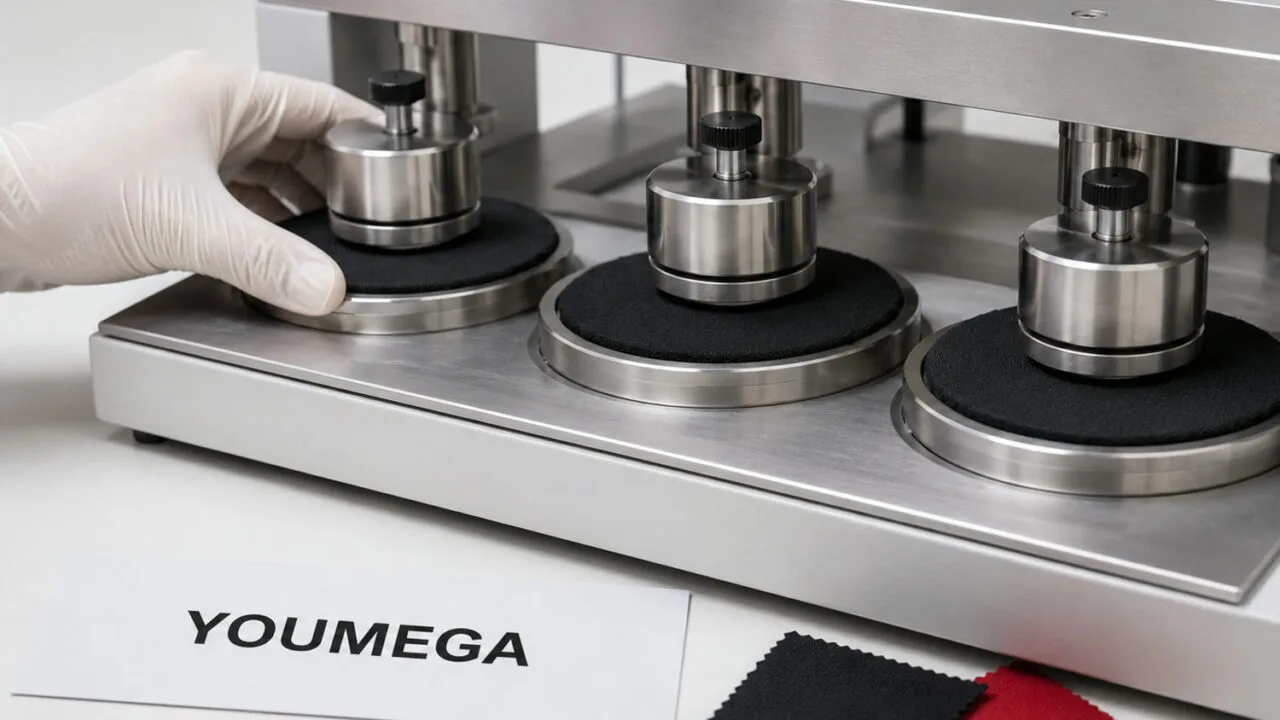
- The colorfastness grade (wash / rub / perspiration), in writing.
- A wash-tested sample — 20+ washes — before you approve bulk.
If one quote is 40% cheaper, one of those four levers was almost certainly dropped. Now you know which questions surface it.
FAQ
Does higher GSM always mean better fabric? No. GSM is weight, not quality. A dense 230 GSM in fine yarn can outperform a loose 260 GSM that feels thin and goes sheer under stretch.
Why is one supplier’s “same” fabric cheaper? Usually a lower yarn grade, a skipped finish, or a cheaper dye house. Ask for the yarn spec and the colorfastness grade and the real difference appears fast.
Is branded spandex worth paying for? For anything that stretches hard and must recover — leggings, sports bras — yes. Cheap spandex loses its recovery first, and that’s what customers feel as “it went baggy.”
How do I compare two fabric quotes fairly? Match yarn type, filament count, spandex grade, finishes, and colorfastness — not just composition and GSM. That’s the like-for-like comparison the spec line hides.
At YOUMEGA we buy this yarn every week for our Xiamen cut-and-sew and Yiwu seamless lines. Send us your target price with a spec or a reference garment, and we’ll tell you honestly which of these levers we’d move to hit it — and which we wouldn’t recommend touching. We reply within 24 hours.