Chinese New Year & Peak Season — Planning Activewear Lead Times Around a Factory That Closes
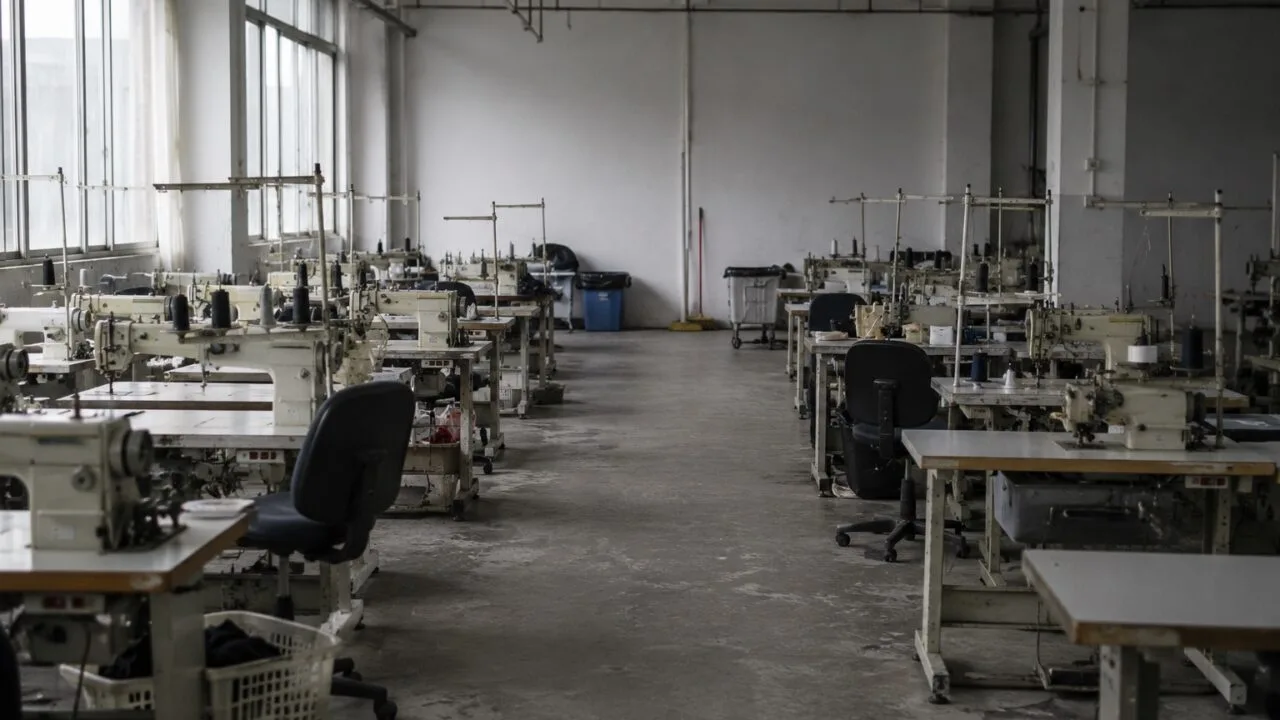
You promise a retailer their first drop for early March. You confirm the order in mid-January, the samples looked good, and the factory said four weeks. Then the replies go quiet. Nobody told you that the whole plant — and the mill dyeing your fabric — goes dark for Chinese New Year, and that the line won’t be back at full speed until well into March. The date you promised was never possible on that calendar.
The Chinese factory year has a few fixed potholes. Drive your timeline over one without knowing it’s there and it costs you weeks. Here’s how the calendar really works, and how to plan around it.
The Chinese factory calendar has three holidays that move your dates
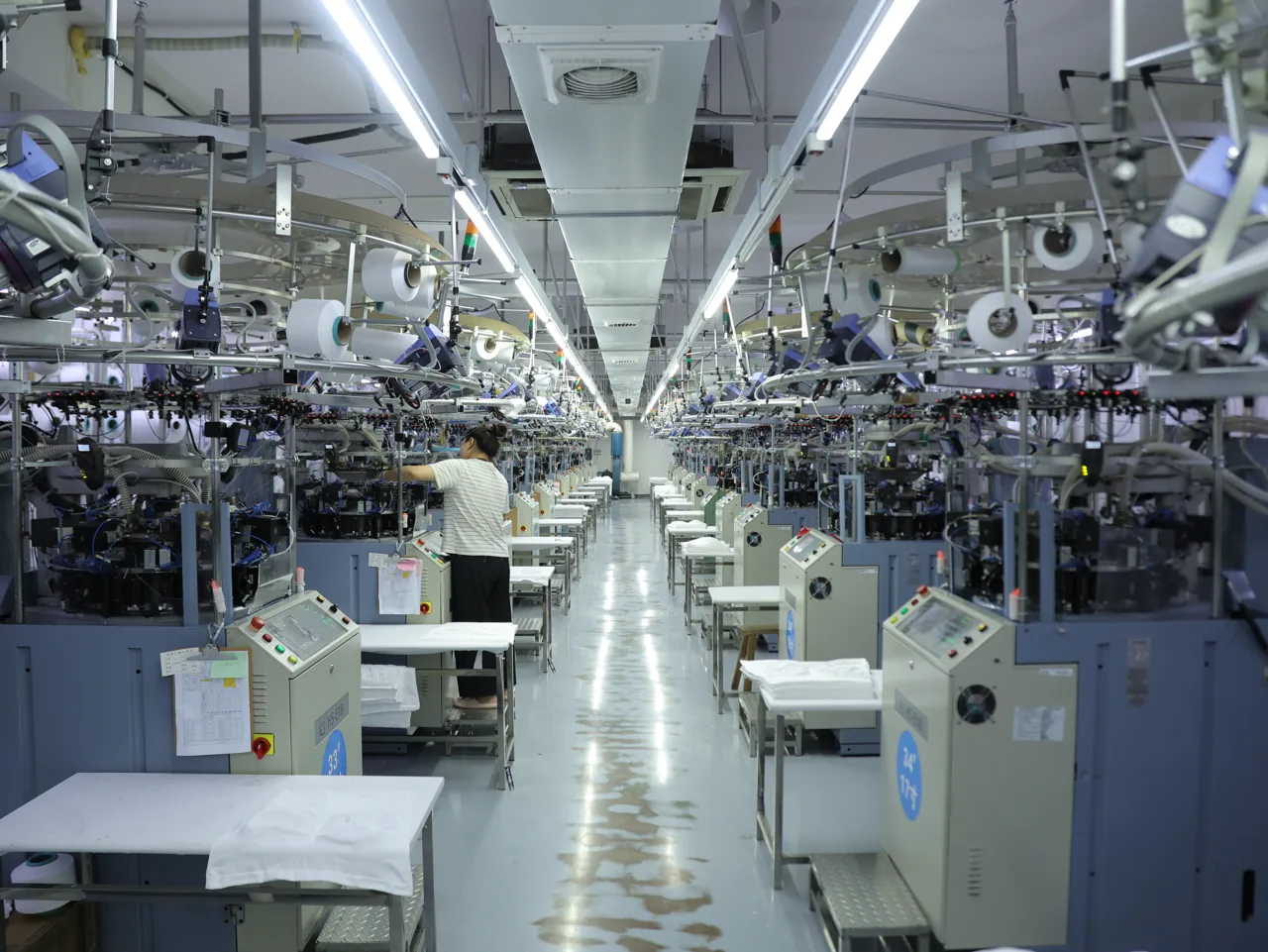
Chinese New Year (Spring Festival) is the big one, but it isn’t alone. There’s also Golden Week in early October and a shorter May Day break around May 1. New Year moves with the lunar calendar — anywhere from late January to mid-February, different every year (for example, February 6 in 2027 and January 26 in 2028), so always check the specific year before you plan.
| Holiday | Rough timing | Official closure | Realistic disruption | Why it matters |
|---|---|---|---|---|
| Chinese New Year | Late Jan–mid Feb (moves yearly) | ~7–8 days | ~2–4 weeks closed + 1–2 weeks slow ramp | The biggest gap in the year — the mills close too |
| Golden Week (National Day) | Oct 1–7 | ~1 week | ~1 week | Lands inside the Q3–Q4 production and freight peak |
| May Day | A few days around May 1 | ~3–5 days | A few days | Minor, but can nudge a tight schedule |
Why “closed for a week” really means a month
The official public holiday is about a week. But most line workers are migrants who travel home for the year’s one long family visit — the largest annual human migration on earth. They leave before the official start and drift back over the following one to three weeks; some don’t return at all, so the factory rehires and retrains, and the first weeks after the break run at reduced, uneven capacity.
And it isn’t only your garment factory. Fabric mills, dye houses and trim suppliers close too — often starting earlier and reopening later than the cut-and-sew floor. The day your factory unlocks the gate is not the day your whole supply chain is running again, and materials are usually the long pole. Plan for New Year as a roughly 4–6 week disturbance, not a one-week holiday.
The pre-holiday crunch: everyone wants to ship before the break
The three-to-four weeks before New Year are the most congested of the year. Every brand wants goods out before the shutdown, so capacity books out and there’s a real cutoff after which a factory won’t take an order it can’t finish in time. A factory being straight with you will say before you order whether your date clears the holiday, and steer you to ship ahead of it rather than promise a date it can’t hit — one reason a complete, specific inquiry sent early is worth so much in this window.
Ocean freight tightens at the same time — rates climb, space gets scarce, bookings get rolled — and who books that space depends on your shipping terms, so settle those and reserve early. To ship before the holiday, the order, deposit and, critically, the materials must be locked in well ahead, because the mills go quiet first. As a rough guide, confirm everything by early-to-mid December; the tighter you cut it, the more you’re competing with the whole country for the same slot.
Golden Week and the Q3–Q4 peak
Golden Week (National Day) closes factories for the first week of October — shorter than New Year, with little ramp — but it lands in the busiest stretch of the year. Western holiday retail, the Black Friday–Christmas season, pulls bulk orders into roughly August–November, so factories are already loaded and freight is at its tightest and priciest right when Golden Week takes a week out. If your Q4 goods cross that window, treat early October like a mini-New-Year and book production and freight space ahead, keeping the wider import timeline in mind.
How to plan and buffer around it
When production timing depends on material choice, consult stock fabric vs custom knitting.
- Work backward, and size the buffer to the season. From your in-store date, count production + transit + customs + a cushion; if a leg crosses a holiday, add the shutdown plus the ramp, not just the official week. A normal cushion won’t cover New Year, so add the ~2–4 week closure and 1–2 weeks of ramp — and don’t let a first-ever order land right after it, when lines are least settled.
- Reorder before the holiday, not after. The post-break queue and slow ramp make a spring reorder painfully slow, so forecast bestsellers and pre-book them ahead.
- Keep delicate work off the shutdown. Sampling goes silent for weeks — finish new development before the break, and don’t time a factory visit to the weeks around New Year, when you won’t see the plant run normally.
A worked count-back (illustrative)
Say you want stock in your warehouse by March 20, and next New Year falls in early February.
- Ocean transit + customs runs ~5–6 weeks, so goods must leave the factory by roughly early February — exactly the shutdown. That order has to ship before the break, or it waits for the line to come back and lands closer to April.
- Further back: ~4–6 weeks production plus ~2–4 weeks to knit and dye the fabric means materials must be moving by about mid-December, with the order locked before then.
- The honest read: for a March delivery you either commit early and ship before New Year, or you accept an April landing. Threading the order through the shutdown is how promises get broken.
(Numbers are illustrative; your real dates depend on the style, the mill, the lane, and that year’s holiday date.)
Read the calendar like a factory
- Look up the exact New Year date for your target year, and block the shutdown plus two weeks of ramp on your calendar.
- Lock the order, deposit and materials before the mills close — aim to confirm by early-to-mid December for a pre-holiday shipment.
- Put spring reorders in before the break; pre-book bestsellers.
- Don’t start new development, or a first order meant to land right after New Year, across the shutdown.
- Book Q4 and pre-holiday freight early; expect higher rates and rolled bookings.
- Give the first post-holiday run extra QC while new hands settle in.
FAQ
When does Chinese New Year fall each year? It moves with the lunar calendar, landing anywhere from late January to mid-February — for example, February 6 in 2027 and January 26 in 2028. Always check the specific year before you build a timeline.
How long are Chinese factories really closed for it? The official holiday is about a week, but the practical shutdown is longer: workers return staggered, so most plants run a ~2–4 week closure plus another 1–2 weeks of slow, uneven ramp before full capacity returns.
When should I place an order to ship before Chinese New Year? Work backward and lock the order, deposit and materials well before the pre-holiday crunch — the mills that knit and dye your fabric close first and are the long pole. As a guide, confirm everything by early-to-mid December.
Should I reorder before or after the holiday? Before, almost always. After New Year the queue is long and lines are still ramping, so a reorder placed then can take far longer than the same order in a normal month — forecast bestsellers and pre-book them ahead of the break.
Send us your launch date and the style you have in mind, and we’ll tell you honestly whether it’s realistic on this year’s calendar — or whether you’re better off shipping before the break and landing a little earlier. We reply within 24 hours.