Training Apparel Fit: How Tight Should It Actually Be?
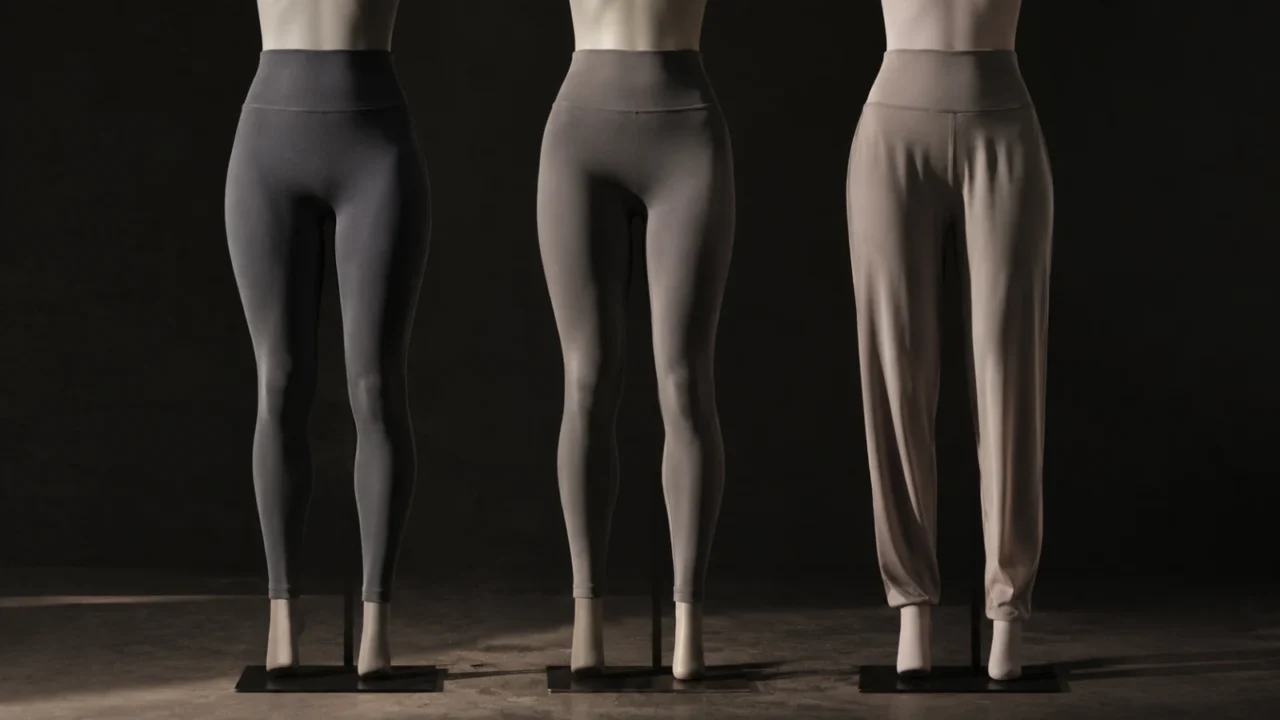
“Should it be tight?” is the wrong question, and it is the one most brands ask first. Activewear fit is not a single dial from loose to tight — it is four different fit intents, each engineered differently, each right for a different kind of training.
Get the intent wrong and the garment fails even when the fabric, the pattern and the sewing are all correct. A compression tight that should have been an athletic fit feels restrictive. A relaxed short that should have been fitted rides up on every rep.
Here is how factories actually think about it.
The four fit intents
| Intent | How it feels | Built with | Typical use |
|---|---|---|---|
| Compression | Firm, continuous pressure; second skin | Higher elastane, denser knit, heavier weight — usually the 280–320 g/m² end | Support-focused training, recovery, high-impact |
| Athletic / fitted | Close but not gripping; follows the body | Balanced stretch and recovery, mid weight | Most gym, studio and everyday training |
| Relaxed-fitted | Skims the body, drapes at the hem | Lighter weight, softer hand, more ease in the pattern | Yoga, warm-up, lifestyle crossover |
| Loose | No body contact except at anchor points | Woven or light knit, ease throughout | Outer layers, shorts, hot-weather training |
The critical point: these are not the same garment in different sizes. A compression legging is not a size-down athletic legging — it is a different pattern, a different fabric spec and a different grading logic. Sizing down an athletic-fit garment to get compression produces something that is tight in the wrong places and fails at the seams.
What actually decides fit (it is not just the pattern)
Four levers, and brands typically only brief the first one:
1. Pattern and ease. How much room the pattern adds over the body measurement. This is where most people think fit lives.
2. Fabric stretch percentage. A pattern that fits in a 4-way fabric with 50% stretch will be tight in one with 30%. Change the fabric and you change the fit even if the pattern is untouched — which is why fabric substitution mid-development is a common cause of “the sample doesn’t fit like the prototype.”
3. Recovery. Stretch is how far it goes; recovery is whether it comes back. A garment with good stretch and poor recovery fits well for an hour and bags out after. This is measured, not felt — see stretch and recovery bench testing — and it is the difference between a legging that stays fitted and one that stops being one.
4. Weight. Heavier fabric holds shape and supports; lighter fabric moves and breathes. Our leggings range runs 220–320 g/m², with compression styles at the upper end and lighter/softer intents below.
How to test fit before bulk (not after)
The most expensive fit failures are the ones discovered in the customer’s hands. Three checks catch nearly all of them:
Wear-test in motion, not in a mirror. Squat, lunge, reach overhead, run stairs. Fit failures appear in movement: waistband roll-down, ride-up, seam pressure, opacity opening under stretch.
Test across the size range, not just the sample size. A fit that works on the middle size can fail at both ends — and it fails differently at each. Grading is not linear scaling, which is the whole point of proper size grading. If you sell 2XL and 3XL, they must be fit-tested, not extrapolated.
Test after washing. Fit measured on a fresh sample is optimistic. Recovery loss shows up after wash cycles, and that is the fit your customer lives with.
Then hold it: measurements checked against spec with defined tolerances, at AQL 2.5 on finished goods. Fit that is not measured is fit that drifts between lots — the tolerance discipline is covered in how inspection judges measurement tolerances.
Primary sources
- ASTM International — standard body measurement tables and sizing standards for apparel — https://www.astm.org/
- AATCC — test methods for fabric stretch and recovery performance — https://www.aatcc.org/
- ISO/TC 133 — international standards for clothing sizing designation — https://www.iso.org/committee/52374.html
What to put in the brief
- Fit intent by style, in words: compression / athletic / relaxed-fitted / loose — not “should fit well”
- Stretch and recovery targets for the fabric, not just fibre content
- Which sizes get fit-tested — and confirm 2XL/3XL are tested if you sell them
- Post-wash fit expectation — state that fit is judged after washing, not only on a fresh sample
Custom development runs 300–500 pcs per style per colour; stock styles with your logo start from 100 sets, mixed colours and sizes — enough to fit-test a real range before scaling.
Questions that expose a fit problem early
- Is this compression, or is it an athletic fit that has been sized down?
- What is the fabric’s stretch and recovery — measured, not described?
- Has this been fit-tested at the largest size we sell, or extrapolated?
- What does the fit look like after twenty washes?
FAQ
How tight should training clothes be? It depends on the fit intent, not on a universal rule. Compression is firm and continuous; athletic fit is close but not gripping; relaxed-fitted skims the body. Each is a different pattern and fabric spec — choose the intent first, then engineer to it.
Is compression the same as a tight fit? No. Compression is engineered pressure — higher elastane, denser knit, heavier fabric, and a pattern designed for it. A regular legging sized down is just tight: it restricts in the wrong places and stresses the seams, without delivering consistent support.
Why does my sample fit differently from the prototype? Most often the fabric changed. Fit is a function of pattern and fabric stretch. The same pattern in a fabric with less stretch fits tighter; with more stretch, looser. Fabric substitutions mid-development change fit even when the pattern is identical.
Why do my leggings fit at first and bag out later? That is recovery, not stretch. A fabric can stretch far and return poorly. Recovery is measured on a bench test and is what determines whether a garment stays fitted through wear and washing.
Do I need to fit-test every size? You need to test across the range, especially the extremes. Grading is not linear scaling — a fit that works mid-range can fail differently at the smallest and largest sizes. If you sell 2XL and 3XL, test them rather than extrapolate.
Not sure whether your style should be compression or athletic fit? Send us the training use and your size range — we’ll spec the fabric stretch and recovery to match, fit-test across the range, and show you how it holds after washing. Reply within 24 hours on weekdays.