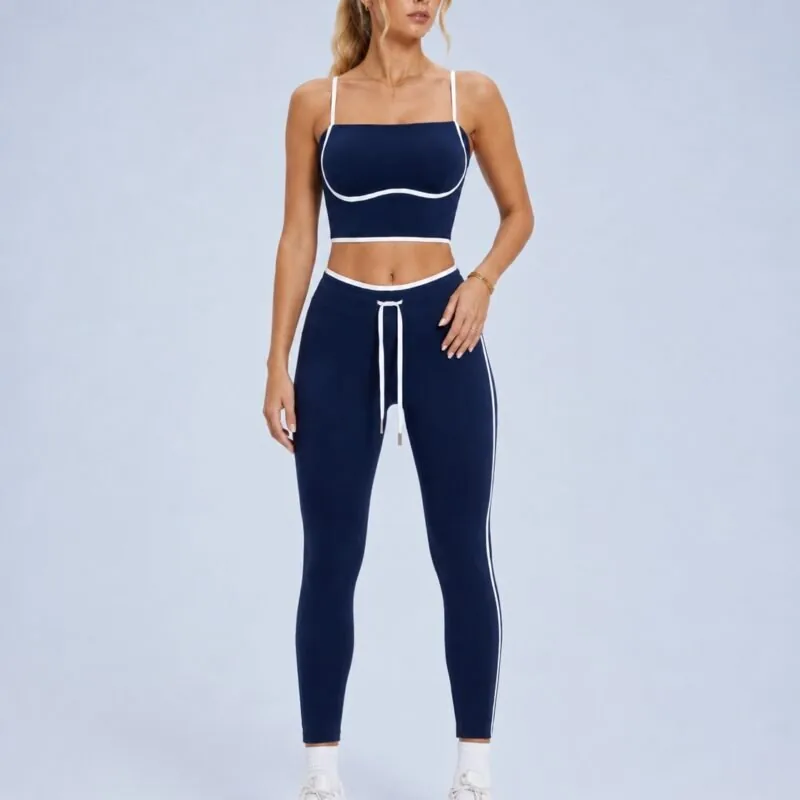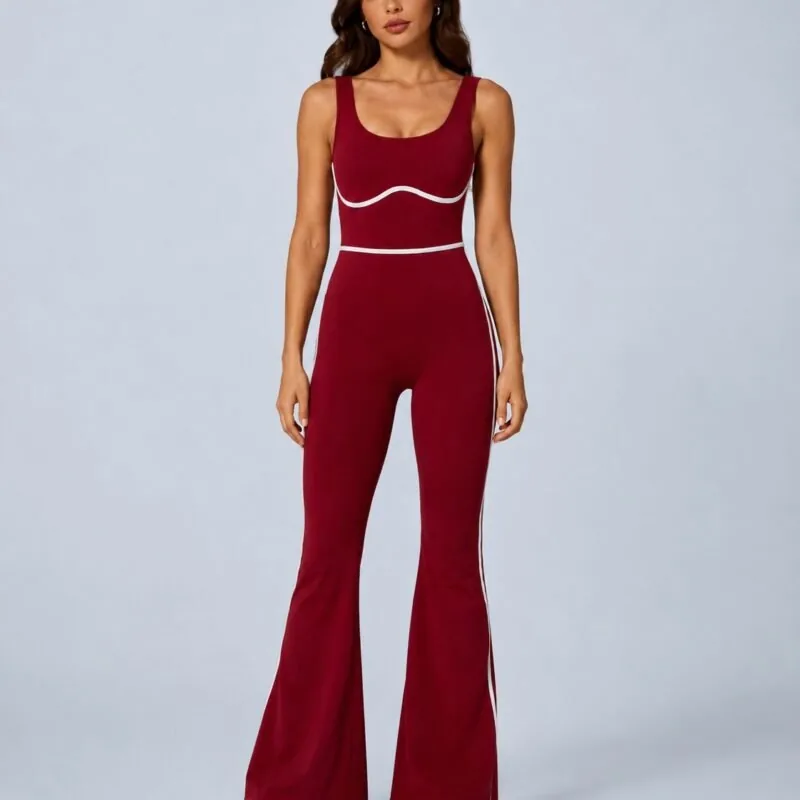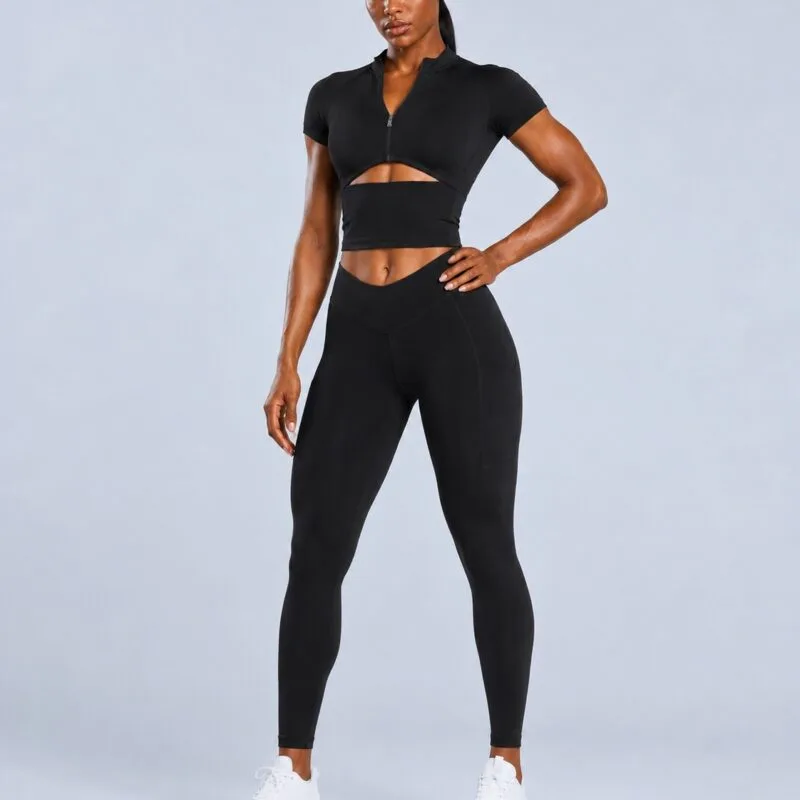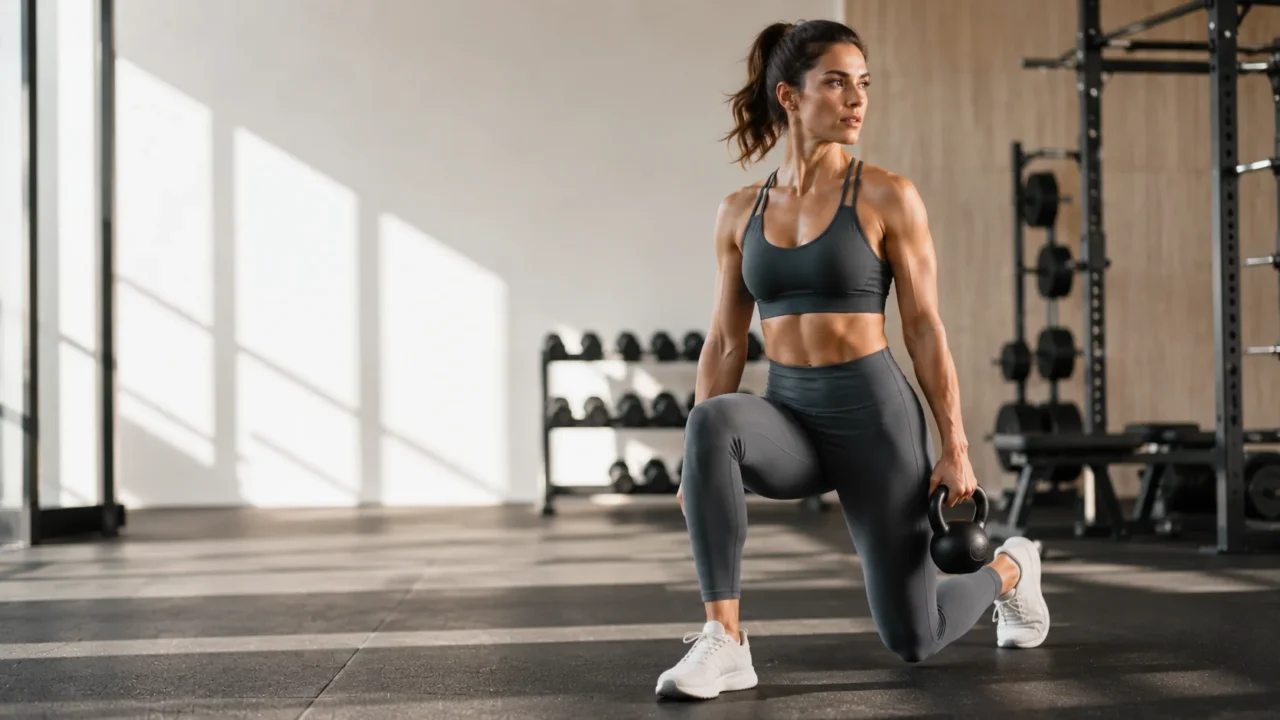
Short answer: There’s no single “best” workout wear — the right choice depends on your training. High-impact training and lifting want compressive, high-recovery fabric; yoga and mobility want softer four-way stretch with squat-proof opacity; running and cardio want the lightest moisture-wicking knits. Match the garment’s compression level, fabric weight and seam construction to the movement, and fit-test it with a squat and an overhead reach before you trust it. Most people buy workout wear by look and brand, then wonder why it bags out, goes see-through, or chafes. The fix is matching the garment to how you train — and, if you’re building a brand, knowing the construction details that separate gym wear that lasts from gym wear that doesn’t.
One Wardrobe Doesn’t Fit Every Workout
Different training loads the fabric differently. Broadly:
- Lifting / HIIT / high-impact: you want compression and recovery — fabric that supports, holds shape through explosive movement, and snaps back. Heavier knits, more support in key panels.
- Yoga / Pilates / mobility: you want soft four-way stretch and squat-proof opacity — freedom of movement without restriction, no show-through in deep poses.
- Running / cardio: you want lightweight, moisture-wicking, quick-dry knits — minimal weight, maximum breathability, flat seams to prevent chafe over distance.
Buying one “do-everything” set is why so much workout wear underperforms — it’s optimized for nothing in particular.
Fabric by the Job
A few practical guideposts (general ranges, not one-size rules):
- Compression pieces lean on higher elastane content in the support panels and a denser knit for hold.
- Training bottoms need enough fabric weight to be squat-proof — very light bottoms go translucent under stretch; mid-weight knits hold opacity.
- Tops and base layers for cardio go the other way — lighter, more open knits for breathability.
- Across all of them: a moisture-wicking finish to move sweat, and good recovery so nothing bags after an hour.
If a bottom fails the bend-over-in-front-of-a-mirror opacity test in the store, no logo will fix it on the gym floor.
Fit That Moves With You
Performance fabric is wasted on bad construction. The details that matter:
- Gussets in bottoms (a diamond panel at the crotch seam) for unrestricted lunges and squats
- Flatlock or bonded seams at high-friction zones to prevent chafe on repetitive movement
- Stable waistbands — wide, high-rise, with good recovery so they don’t roll or slide mid-set
- Sleeve and armhole cut on tops that allows full overhead reach without the hem lifting
The test is simple: do a deep squat and a full overhead reach. If anything rolls, slides, gapes or goes sheer, the construction isn’t there.
The Details That Separate Good From Bad
- Recovery — stretch is easy; snap-back is hard. Poor recovery is why cheap leggings bag at the knee after one wear.
- Moisture management and quick-dry — keeps you dry and the garment lighter through a session.
- Odor-resisting finishes — useful on high-sweat pieces worn often.
- Colorfastness and durability — resisting fade and pilling through frequent washing.
For Brands: Building a Workout / Training Line
If you’re developing a training-wear line private-label, the spec follows the training types you’re serving:
- Define the use case per style — lifting, studio, run — and spec fabric weight and compression to match.
- Set a squat-proof opacity standard for all bottoms, and test it before bulk.
- Require recovery and colorfastness acceptance tests, not just a nice hand-feel on the sample.
- Build the fit around movement — gussets, flatlock seams, stable waistbands.
YOUMEGA is a private-label activewear manufacturer in Xiamen, China, and this is the core of what we build — compression, four-way-stretch, moisture-wicking and squat-proof knits in both seamless and cut-and-sew construction, finished under AQL 2.5 inspection with OEKO-TEX Standard 100, BSCI, REACH and CPSIA compliance. Stock styles with your logo start from 100 sets (mixed colors and sizes allowed); full-custom development runs 300 to 500 pieces per style per color, with stock samples in about 7 days and custom in 12–15.
FAQ
What fabric is best for workout clothes?
It depends on the training. Compressive, high-recovery knits for lifting and HIIT; soft four-way stretch with squat-proof opacity for yoga; lightweight moisture-wicking knits for running. Match fabric to movement rather than looking for one universal best.
How do I know if workout leggings are squat-proof?
Stretch the fabric over your hand toward the light, and do a deep squat in front of a mirror. If you can see through it under stretch, it isn’t squat-proof. Mid-weight knits with a dense construction hold opacity.
Why do my leggings bag out at the knees?
Poor fabric recovery — the material stretches but doesn’t snap back. Recovery, not just stretch, is what keeps a garment’s shape; it’s a fabric-quality issue, not a sizing one.
What seams are best for workout wear?
Flatlock or bonded seams at high-friction areas to prevent chafe, plus a gusset in bottoms for unrestricted movement. Construction matters as much as fabric for training pieces.
Can a brand produce a custom workout-wear line at low minimums?
Yes. With a private-label manufacturer, stock styles with your logo can start from 100 sets (mixed colors and sizes allowed), and full-custom development from 300–500 pieces per style per color.
—
Related YOUMEGA resources
- Products (/products/)
- Services (/services/)
- Sports bra manufacturer (/sports-bra-manufacturer/)
- Low MOQ activewear manufacturer (/low-moq-activewear-manufacturer/)
- Top yoga wear manufacturers in China (/insights/top-yoga-wear-manufacturers-china-2026/)
- Contact YOUMEGA (/contact/)