What It Actually Costs to Make Premium-Quality Leggings (And Why Retail Price Isn’t the Fabric)
A premium legging — a Lululemon Align, say — retails for around $100 to $128. A lot of new founders see that number and assume the garment itself must cost a fortune to make — that “premium quality” means a premium factory bill. It is one of the most useful myths to clear up before you price your own line, because the truth changes what a viable business looks like.
Here is the honest cost structure behind a well-made legging, why the retail price has almost nothing to do with the fabric, and how the number actually moves.
A $100 legging is not $100 of garment
Strip a premium retail price into its parts and the manufactured cost — fabric, trims, cutting and sewing, finishing — is a minority of what the customer pays. The rest is the business around the garment:
| Where a premium retail price goes (illustrative) | Roughly |
|---|---|
| Brand, marketing, influencers | Large |
| Retail margin / wholesale markup | Large |
| Design, overhead, returns, logistics | Meaningful |
| The actual garment (materials + make) | The smallest slice |
This is not a scandal — it is how branded apparel works everywhere. But it has a liberating implication for a new founder: you are not priced out of premium quality. The fabric hand, the recovery, the finishing that make a legging feel like the expensive ones are a manufacturing decision, and the manufacturing cost of getting them right is a fraction of the retail number the big brands charge. What you are really buying at $100 is their brand, not $100 of textile.
What actually drives the factory cost
If the make cost is the small slice, what moves it? Four levers, in rough order of impact:
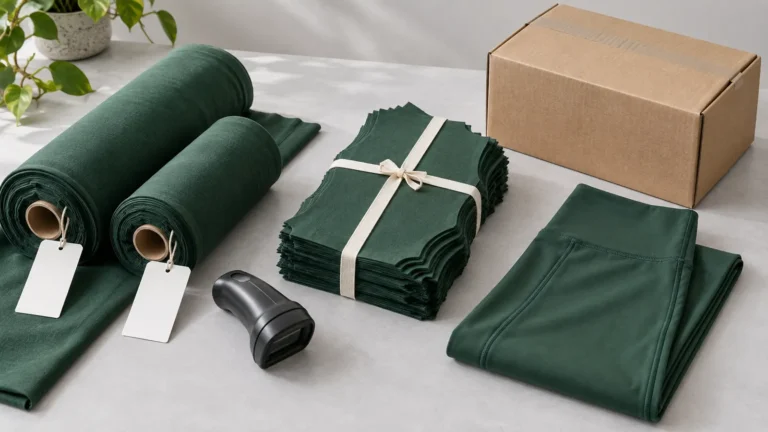
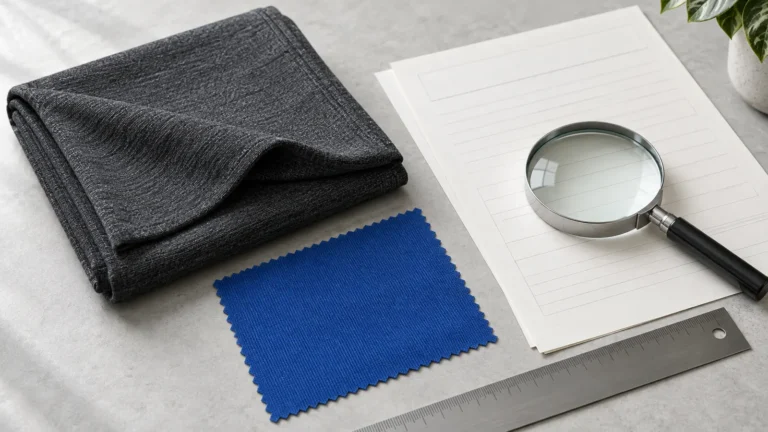
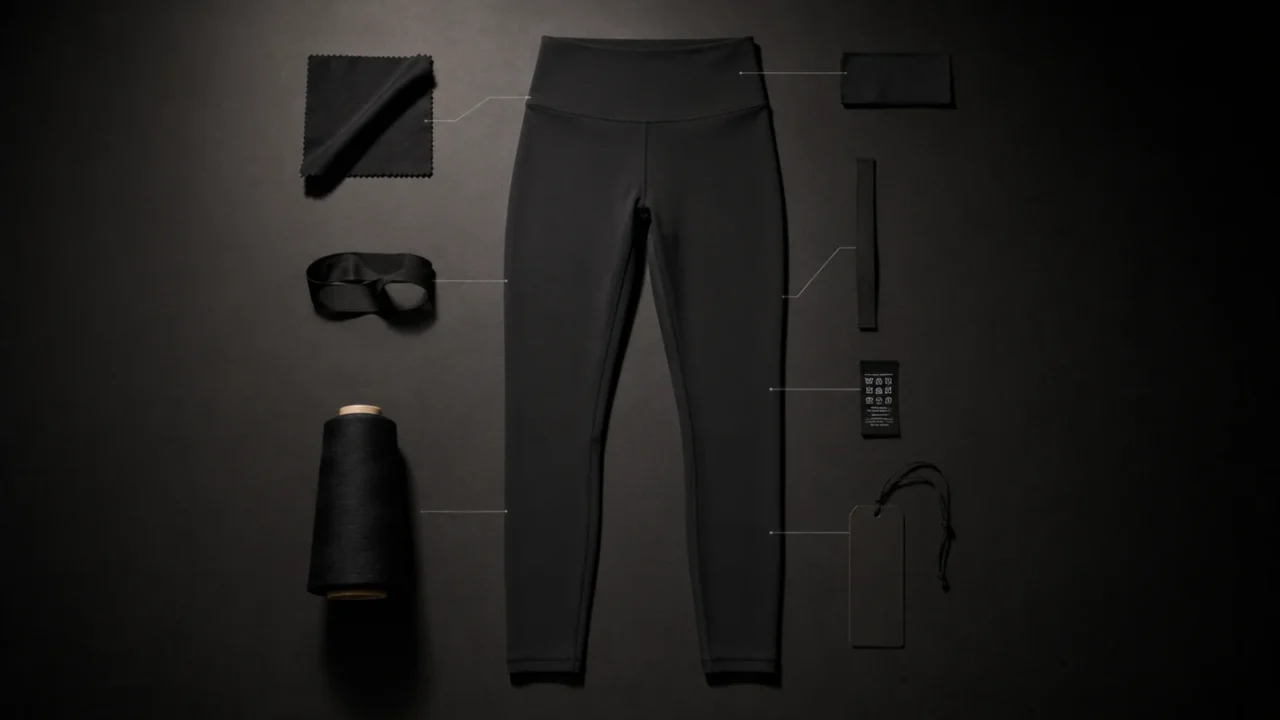
- Fabric. The biggest single input. Weight, fibre and finish drive it — and, crucially, two fabrics of the same composition can cost very differently depending on yarn quality and processing, which is why “same GSM” quotes are not comparable. We unpack exactly this in why same-composition fabrics cost different prices.
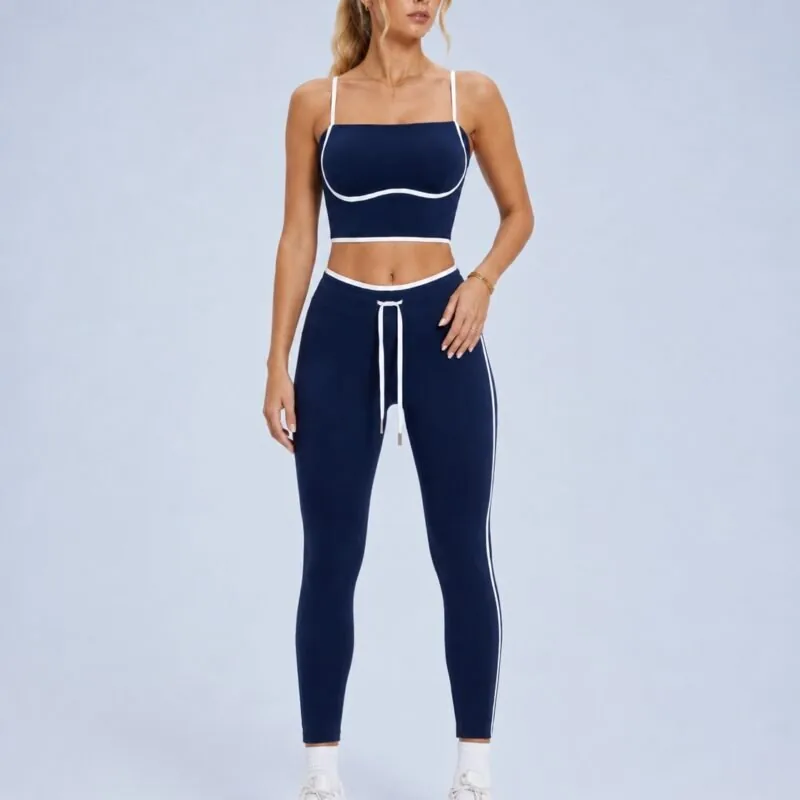
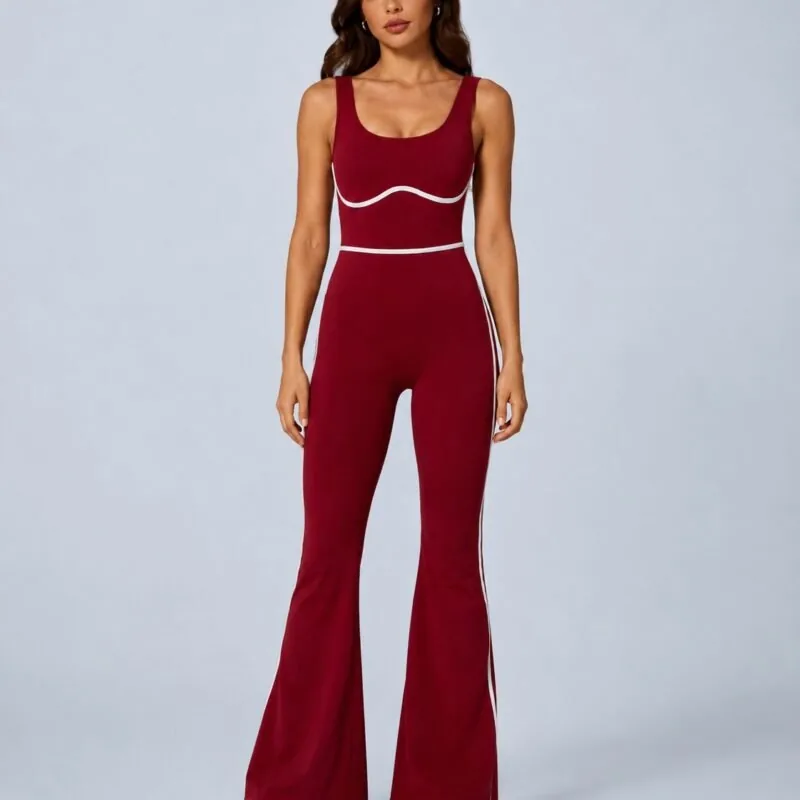
- Construction. Seamless vs cut-and-sew, number of panels, gusset, bonded vs stitched, waistband complexity — every operation is labour.
- Trims and finishing. Elastics, drawcords, custom hardware, logo method, packaging. Small per piece, real in aggregate.
- Order size. The one most under a founder’s control — see below.
Why cheap manufacturing is the expensive option
The instinct to chase the lowest per-piece quote usually costs more, not less. A cheaper fabric that pills, a dye that shifts, a waistband that rolls, sizing that wanders — those do not show up on the invoice. They show up as returns, one-star reviews and a brand you have to rebuild trust for. The real metric is cost per garment that actually sells and stays sold, and on that measure, cutting the make cost to the bone is the priciest choice available. A slightly higher build cost that passes QC at a real standard and holds up is cheaper by the time you count returns. It is the same logic as cost-per-wear for the consumer — quality is the economical option over the life of the product.
How the number moves — volume and terms
Two things shift your cost more than haggling ever will:
- Volume. Per-piece cost drops as quantity rises — fixed costs (setup, sampling, minimums) spread over more units. This is why the same style costs differently at 100 sets, at 300–500 pcs, and at several thousand. Launching small keeps your risk low; reordering into demand is where the unit economics improve. What is realistic at each stage.
- Incoterms. A quote is not a quote until you know if it is FOB, CIF or DDP — the shipping, duties and delivery terms can move your landed cost as much as the garment itself. Always compare on the same terms and understand FOB vs CIF vs DDP.
How we quote it — honestly
We will not print a single per-piece price on a blog, because an honest number depends entirely on your spec — fabric weight, construction, trims, colours, quantity and terms. What we will do is give you a transparent breakdown, not a mystery lump sum: what the fabric costs and why, what the make costs, how it changes at 100 sets versus 300–500 versus scale, and on which terms. Then you can price your line knowing the real structure instead of guessing from a retail tag.
The takeaway for pricing your own brand: the premium feel is affordable to manufacture; the premium price is brand-building you do over time. Start from a real cost breakdown, launch from 100 sets to keep risk low, and let volume improve your margins as you grow.
Questions to ask when you get a quote
- Is this FOB, CIF or DDP — and what is my landed cost, not just the factory price?
- What does the fabric cost, and why — is a cheaper “same GSM” actually the same fabric?
- How does the per-piece price change at 100 sets, 300–500, and a few thousand?
- What is included — trims, logo, packaging, QC — and what is extra?
FAQ
How much does it cost to manufacture a legging? The manufactured cost — fabric, trims, cut-and-sew, finishing — is a minority of a premium retail price; the bulk of what a customer pays is brand, marketing and retail margin. The factory number depends on fabric, construction, trims, quantity and shipping terms, which is why a real quote needs your spec.
Why does a Lululemon legging retail for $100+ if it costs less to make? Because retail price reflects the whole business — brand-building, marketing, retail margin, returns, overhead — not just the garment. The quality that makes a legging feel premium is a manufacturing choice available at a fraction of that retail number.
Is cheaper manufacturing a good idea? Usually not. The lowest quote often hides costs that appear later as pilling, colour shift, poor recovery, returns and bad reviews. Cost per garment that actually sells and stays sold is the metric that matters, and quality wins it.
How does order quantity affect price? Per-piece cost falls as volume rises, because fixed costs spread over more units. The same style costs differently at 100 sets, 300–500 pcs, and several thousand — launch small, reorder into demand, and the unit economics improve as you scale.
Can you give me a price? Yes — with your spec. Send fabric, construction, colours, quantity and target market, and we will give you a transparent breakdown on defined terms, rather than a headline number that hides what is in it.
Pricing your first line and want to know the real numbers? Send us your spec and target quantity — we’ll give you a transparent cost breakdown, not a mystery quote, so you can price with confidence. Reply within 24 hours on weekdays.