From Audience to Activewear: How a Creator Starts a Real Brand (Not Just Merch)
If you are a creator with a fitness, wellness or lifestyle audience, you already have the thing every brand spends millions trying to buy: attention and trust. The most-copied activewear success stories of the last decade were built exactly this way — audience first, product second. You are not starting cold. You are starting with the hard part done.
The part that stalls creators is the other end: turning that audience into a real product. Not a print-on-demand tee with your logo slapped on — actual activewear your followers will wear to the gym and judge you on. That is a manufacturing problem, and it is the one nobody in the creator economy explains. Here is the honest version.
Print-on-demand got you started. It cannot get you a real brand.
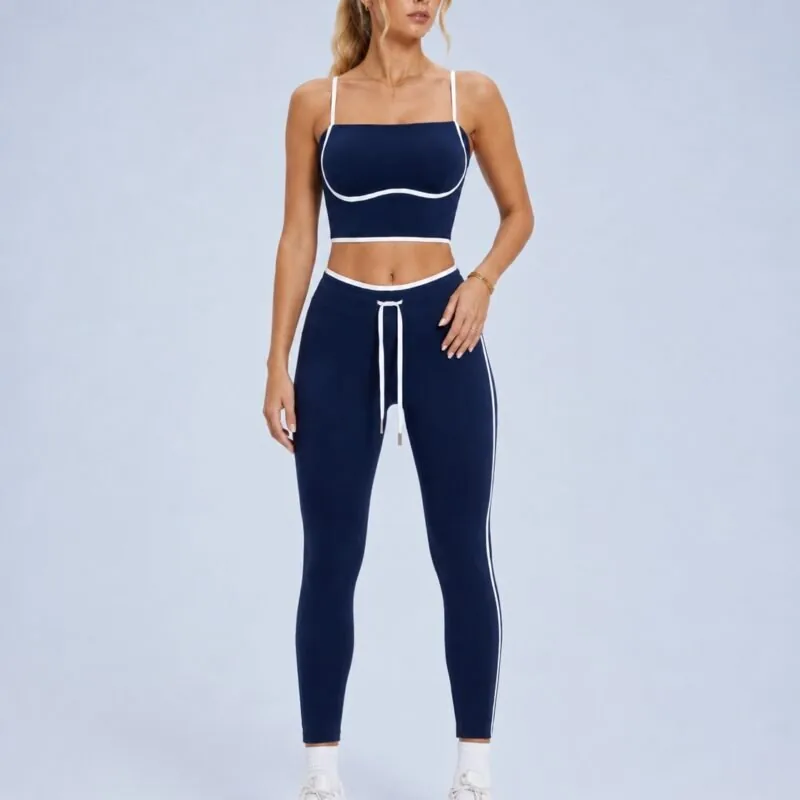
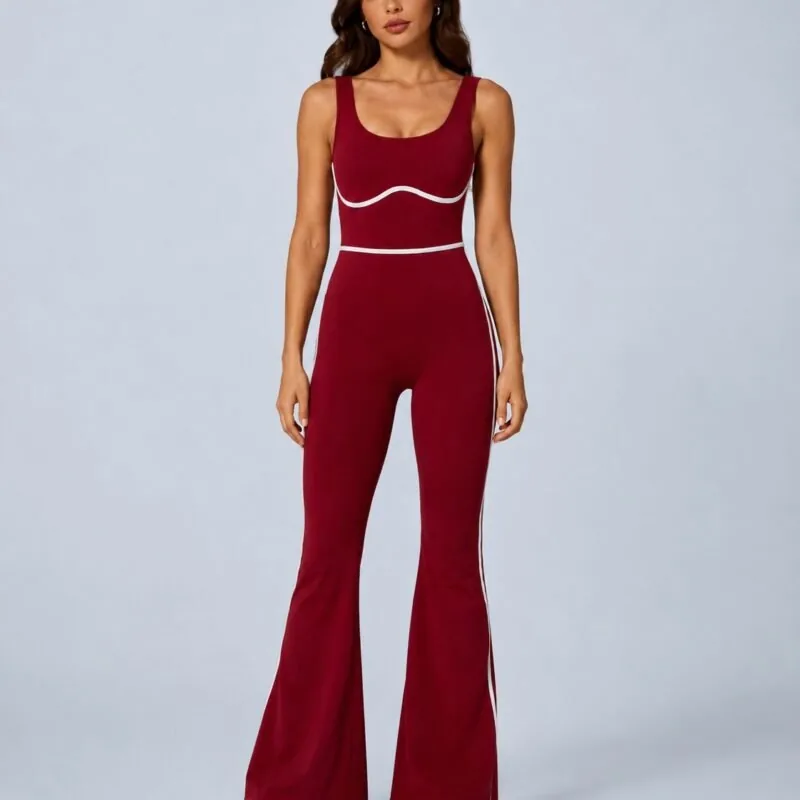
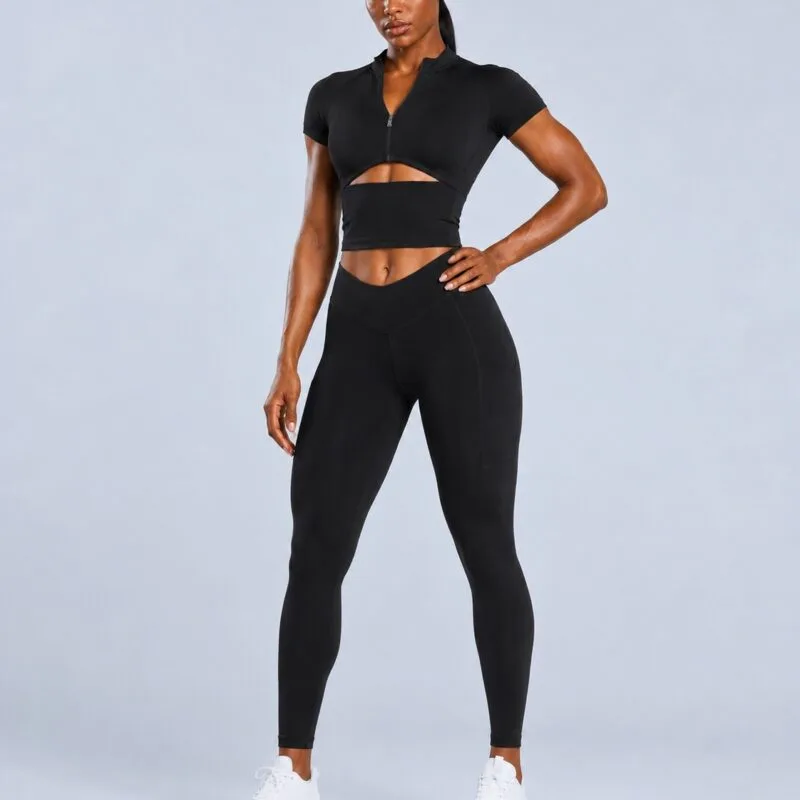
Most creators test the water with print-on-demand or basic blank merch, and that is a smart, zero-risk first step. But it hits a ceiling fast: you cannot make a squat-proof legging, a supportive sports bra or a seamless set on a print-on-demand platform. Those are engineered garments — specific fabrics, patterns, construction, fit — and they require a factory, not a fulfilment app.
The moment your audience wants real product, you have crossed from merch into manufacturing. That is not a downgrade in convenience for no reason — it is the difference between “a creator with a logo” and “a brand.” And it is exactly the jump a low-MOQ factory exists to make possible.
Your unfair advantage: you can prove demand before you produce
A cold brand launches blind. You do not. You can read your audience, gauge interest, even soft-poll a design before a single unit exists. That changes the whole risk equation, and it means you can run the disciplined version of the playbook the big audience-first brands used:
- Start small and validated. You do not need thousands of units — launch from 100 sets, mixed colours and sizes, sized to a demand you can already estimate. What is realistic at each stage.
- Launch one hero tied to your identity. Not fifty SKUs — the one piece that is your brand. How many to open with matters more for you than for anyone, because your audience is watching.
- Reorder into your drops. Sell, read the response, produce more of what moved. Your feed is a live demand signal most brands would kill for.
The trap creators fall into (and it is worse for you)
Two mistakes end creator brands, and both are more damaging when your name is on the label:
- Over-ordering on hype. Excitement is not a purchase order. Producing thousands of units off a launch buzz — instead of a small proven run you reorder — is how creators end up with a garage of unsold stock and a cash-flow hole.
- Going cheap and getting exposed. A faceless brand survives a mediocre product. You will not. If the legging pills, the seam fails or the sizing is off, your own audience posts it — with your name attached. Quality is not optional when the brand is you. That means real fabric, real fit, and QC at AQL 2.5, not “close enough.”
The creators who build lasting brands treat the product with the same care they treat their content. The ones who treat it as an afterthought get one bad drop and a comment section that remembers.
The creator’s sourcing playbook
- Nail one hero. The piece your audience actually asked for, engineered properly — fabric, fit, hand-feel. Sampling done right: about 7 days for stock-style, 12–15 for full custom, revisions before bulk.
- Launch small, from 100 sets. Proportional to demand you can already read. Prove it before you scale it.
- Use a factory that scales with your growth. From a first drop of 100 sets to thousands when a launch pops — same standards, so a reorder is a reorder, not a re-source.
- Protect your name with QC. Finished-goods inspection at a real standard, because your audience is your quality-control department whether you like it or not.
How we work with creators — honestly
We are a manufacturer, not a fulfilment shortcut, and we will not pretend real activewear is as simple as uploading a design. What we do is make the jump from audience to product manageable: low-MOQ development from 100 sets, honest sampling timelines, custom work at 300–500 pcs per style per colour, and a supply chain that grows with your drops. We build to your brand — we are not anyone else’s label, and referencing creator-built brands is a template, not a client claim.
You brought the audience. That is the part that cannot be manufactured. The product, we can help you get right.
Questions to ask before your first real drop
- Can this factory take a small validated launch and scale when a drop pops?
- Is my hero a real engineered garment, or a blank with a print? (Your audience can tell.)
- What is realistic for MOQ, sampling and cost at my stage?
- Is QC at AQL 2.5 on finished goods — the thing that protects my name?
FAQ
Can I turn my audience into a real activewear brand? Yes — that is the strongest starting position there is, because demand is the hard part and you already have it. The gap is manufacturing: moving from print-on-demand merch to engineered activewear, which needs a real factory and a low first order, not thousands of units.
What is the difference between print-on-demand and real activewear? Print-on-demand puts a design on a blank garment. Real activewear is engineered — specific fabric, pattern, construction and fit for a legging, bra or seamless set. Your audience will judge the product on the second standard, so it is worth making properly.
How many units should a creator order to start? Start small — from 100 sets, mixed colours and sizes — sized to demand you can already estimate from your audience, then reorder into what sells. Over-ordering on launch hype is the most common creator mistake.
Do I need a big budget? No — a validated small run keeps your risk proportional. The capital danger is over-producing, not manufacturing itself. Launch a hero, prove it, scale it.
Will the quality be good enough for my followers? It has to be — your name is on it. That means real fabric and fit, and finished-goods QC at AQL 2.5. Quality is the cheapest reputation insurance a creator brand can buy.
Have the audience and want to give them real product, not just merch? Send us your hero idea and roughly what your audience looks like — we’ll spec a launch you can validate and a supply chain that scales with your drops. Reply within 24 hours on weekdays.