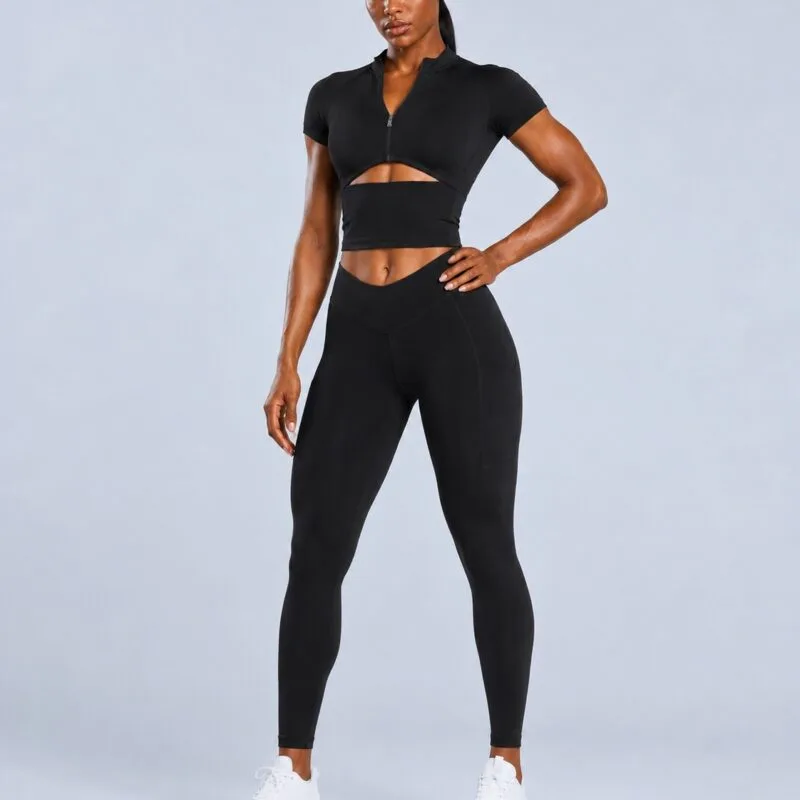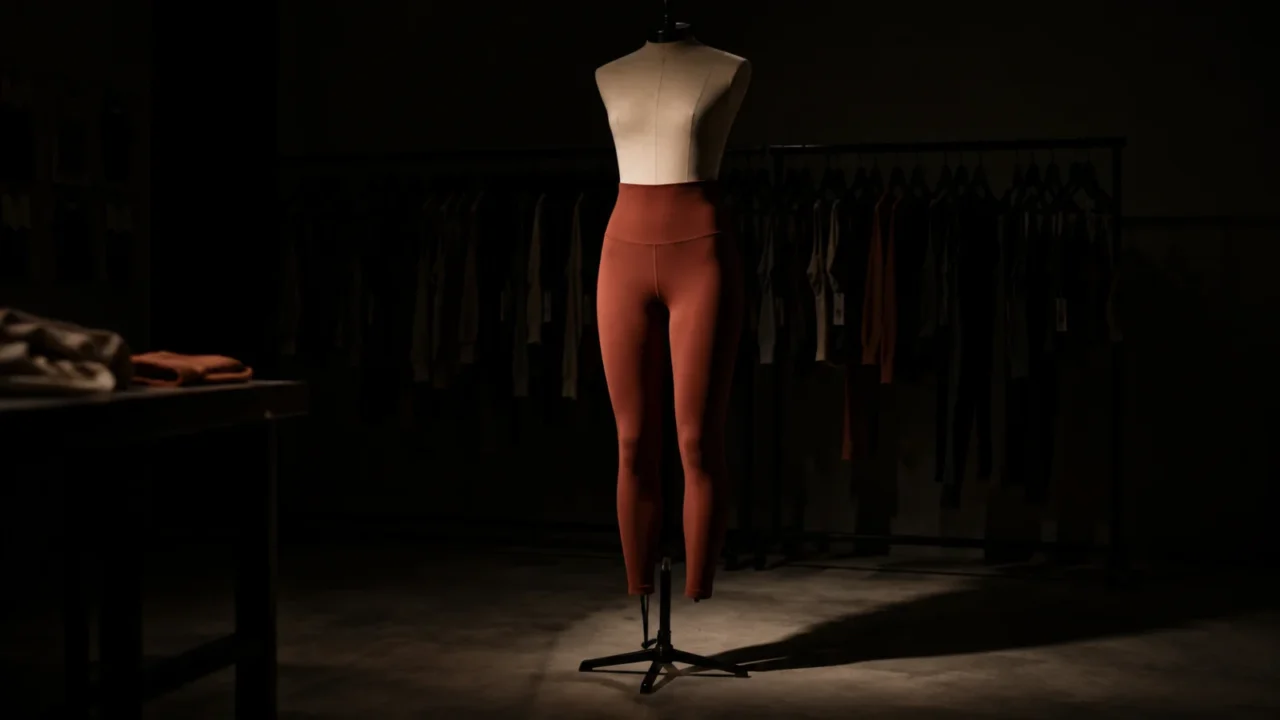
How to Start an Activewear Brand Like Gymshark: The Sourcing Playbook
Almost every activewear founder we talk to has studied the same story. A university student starts screen-printing gym clothes at home in 2012, builds a following with fitness creators on social media, sells in small drops, and a decade later runs a billion-pound brand. “I want to build the next Gymshark” is probably the single most common ambition we hear.
Here is the honest part nobody puts in the highlight reel: the thing you can actually copy is the sourcing discipline, not the timing. The virality, the era, the specific creators — those were once-off. But the operational decisions underneath — start small, prove the product, reorder into demand — are a repeatable playbook. This is that playbook from a factory’s side of the table.
What actually made the early model work (and what to copy)
Strip away the social-media legend and the early Gymshark model was disciplined in a way most first-time brands are not:
- It started tiny. Not a 10,000-unit factory order — small, self-funded runs. The lesson is not “print in your garage.” It is do not bet your launch budget on inventory you have not proven.
- It led with a hero. A small range done well, not fifty styles done thinly. Focus beat breadth.
- It reordered into demand. Sell, learn, produce more of what moved. The growth came from iterating on winners, not from guessing big up front.
The most expensive mistake we watch new founders make is the opposite of all three: they over-order at launch, spread thin across too many styles, and sink their capital into stock before a single customer has voted. The Gymshark-style path is the reverse — and it maps directly onto how a serious factory can support a brand from first sample to first container.
The sourcing playbook, step by step
1. Launch small — you do not need thousands of units
The biggest myth in this category is that manufacturing means huge minimums. It does not have to. A first collection can launch from 100 sets, mixed colours and sizes — enough to build a real range, photograph it, and sell it, without gambling your budget on unproven inventory. That is exactly the “start small” discipline the famous brands used, made available to you at the sourcing level. More on the numbers that are actually realistic.
2. Nail one or two heroes before you go wide
A focused launch — how many styles to open with — outperforms a sprawling one every time. Get the fabric, the fit and the hand-feel of your hero piece right, and it carries the brand. Sampling makes or breaks this: stock-style samples run about 7 days, full-custom development 10–15 days, with revisions handled before bulk.
3. Build on a factory that scales with you
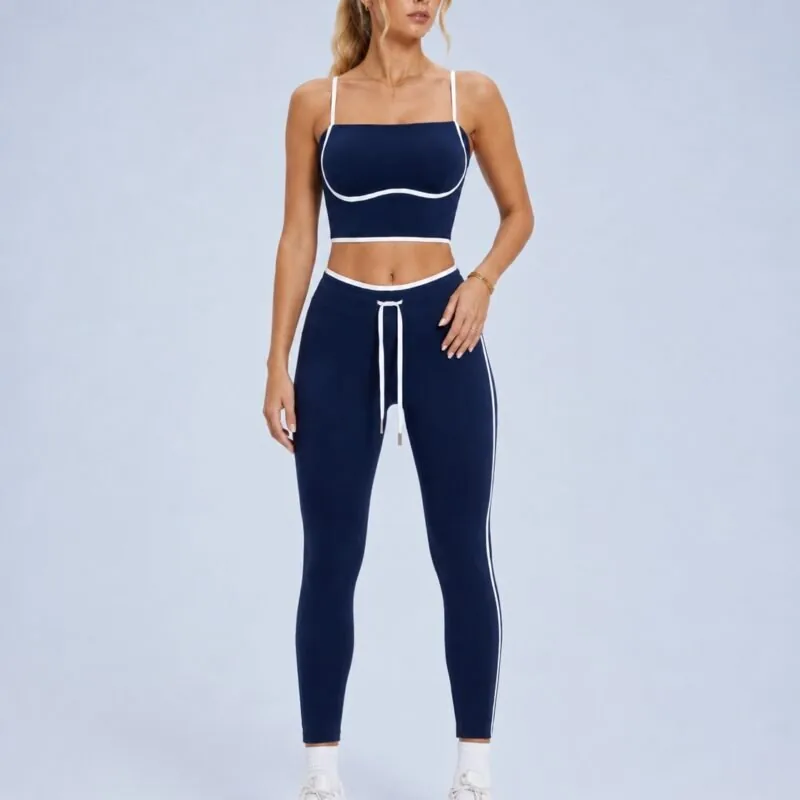
Here is where founders get trapped. The workshop that will take your 100-set launch order often cannot scale to 8,000 pieces when you succeed — so you have to re-source mid-growth, re-sample, and hope the quality holds. The better setup is one supply chain that runs the whole arc: 100 sets to 8,000-plus pieces, same standards, same patterns, so a reorder is a reorder and not a restart. If seamless sets are your look, that is a specialist machine category worth choosing on purpose.
4. Make the fundamentals boringly good
The brands that scaled did not go viral on marketing alone — the product held up. Squat-proof opacity, waistbands that stay put, recovery that survives washing, consistent sizing. That is QC at AQL 2.5 on finished goods, not a promise. Good reviews are the cheapest growth engine there is, and they are made on the production floor.
What it takes — and what it does not
You do not need a warehouse, a 10,000-unit order, or a fabric mill of your own. You need a hero product, a small proven run, a factory that can scale, and the discipline to reorder into demand instead of guessing big. That is the founder-friendly version of the path the household-name brands actually walked.
To be clear about what we are and are not: we are a manufacturer, not any brand’s spokesperson, and referencing a well-known brand as a template is not a claim to make their product. What we offer is the sourcing side of that playbook — low-MOQ development, honest sampling timelines, and a supply chain that grows from a first drop to a scaling program.
Custom development runs 300–500 pcs per style per colour; stock-plus-logo starts from 100 sets. Send a reference and a target quantity and we will tell you, honestly, what your first run should look like.
Questions to ask before you place a first order
- Can this factory take my 100-set launch and my 8,000-piece reorder, or will I have to re-source?
- What is realistic for my category — MOQ, sample lead time, cost per piece?
- Which one or two heroes should I launch with, and what should I not make yet?
- Is QC at AQL 2.5 on the finished goods, or just “we check”?
FAQ
How much money do I need to start an activewear brand? Less than most people assume, if you start small. Launching from 100 sets (mixed colours and sizes) instead of a several-thousand-unit order keeps your first outlay proportional to an unproven range. The capital risk is in over-ordering, not in manufacturing itself.
Do I need thousands of units like the big brands order now? No — and they did not start there either. The scaled brands began with small runs and reordered into demand. A supply chain that runs from 100 sets to 8,000-plus pieces lets you do the same without re-sourcing when you grow.
How long does sampling take? Roughly 7 days for stock-style samples and 10–15 days for full-custom development, with revisions before bulk. Getting the hero sample right is worth the time; it is the piece that carries the launch.
Can you make seamless sets like the popular activewear brands? Yes — seamless is a specialist machine category, and large-cylinder knitting is what allows a clean seamless fit across the full size range. It is a construction choice to make deliberately, not an afterthought.
Do you manufacture for [a named brand]? We reference well-known brands only as a recognisable template for founders — not as clients. We name our actual partners in our case studies, with their permission. What we offer you is the same sourcing discipline, applied to your brand.
Building the next big activewear name starts with one proven run, not a warehouse. Send us your hero idea and a target quantity — we will spec a launch you can afford and a supply chain that scales when it works. Reply within 24 hours on weekdays.