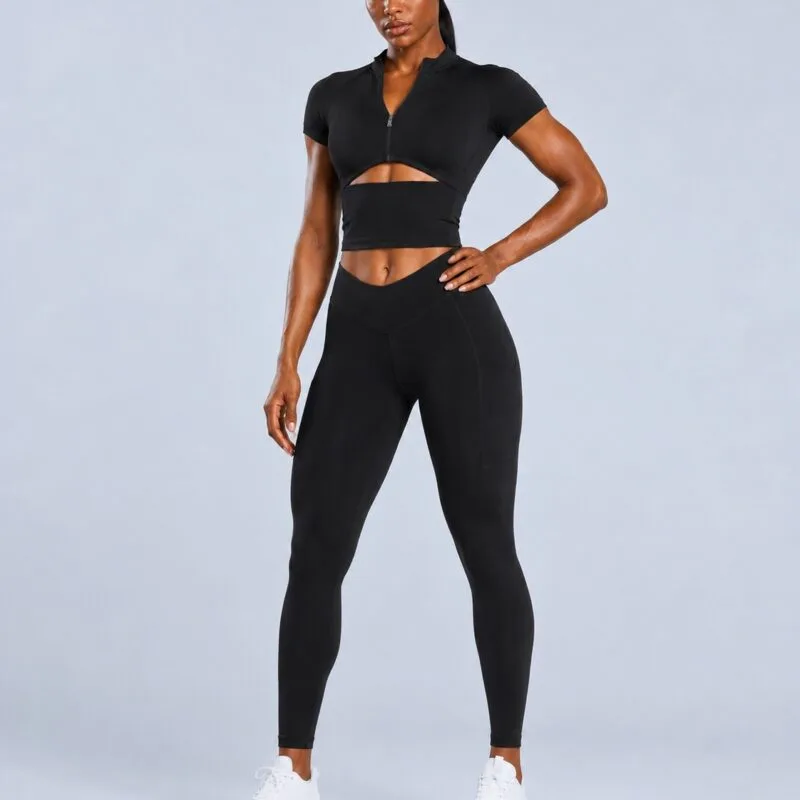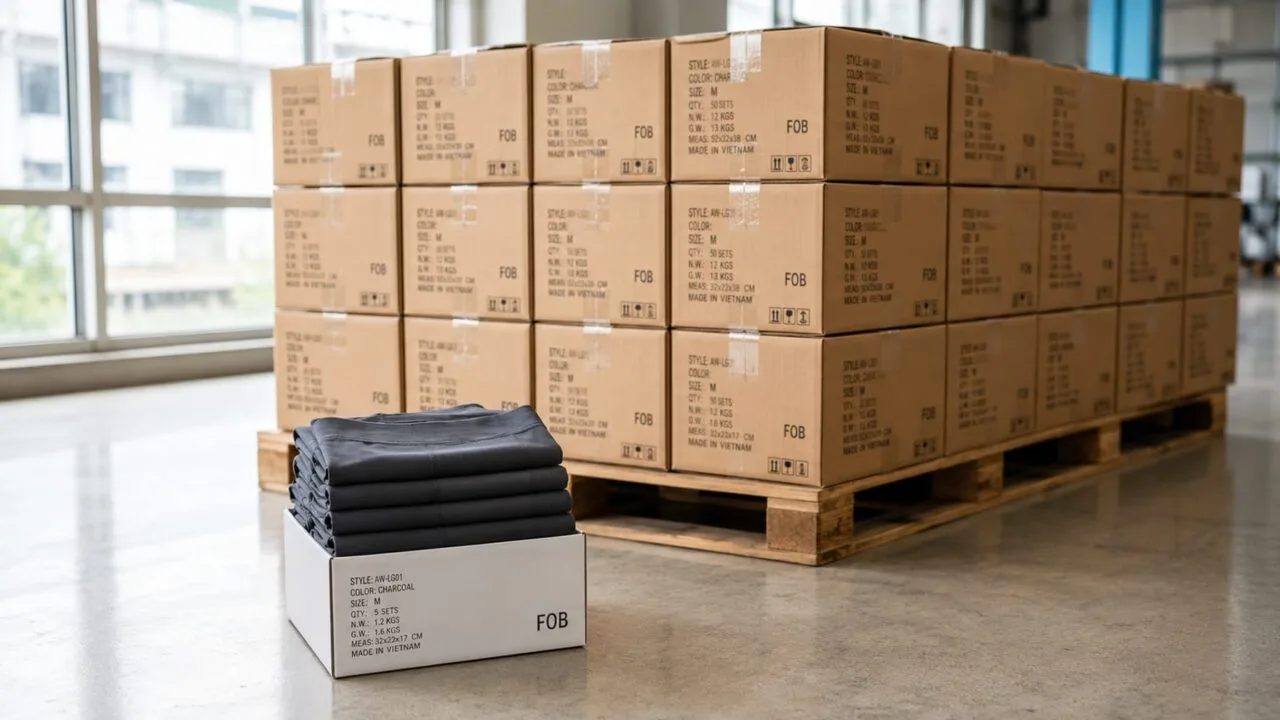
The first 500 units sell through. The Shopify dashboard shows repeat customers. You’re tagged in DMs. Now the supplier question is no longer only “who can make a small first run?” It is “who can reproduce fit, fabric, color and timing while I keep the brand moving?” The factory that supported an initial stock-and-logo capsule may not have the same systems needed for a custom repeat program, while a supplier built only for very large programs may not fit a growing brand. This guide explains how to evaluate that transition.
What actually changes between 100 sets and your first 1,500-piece season
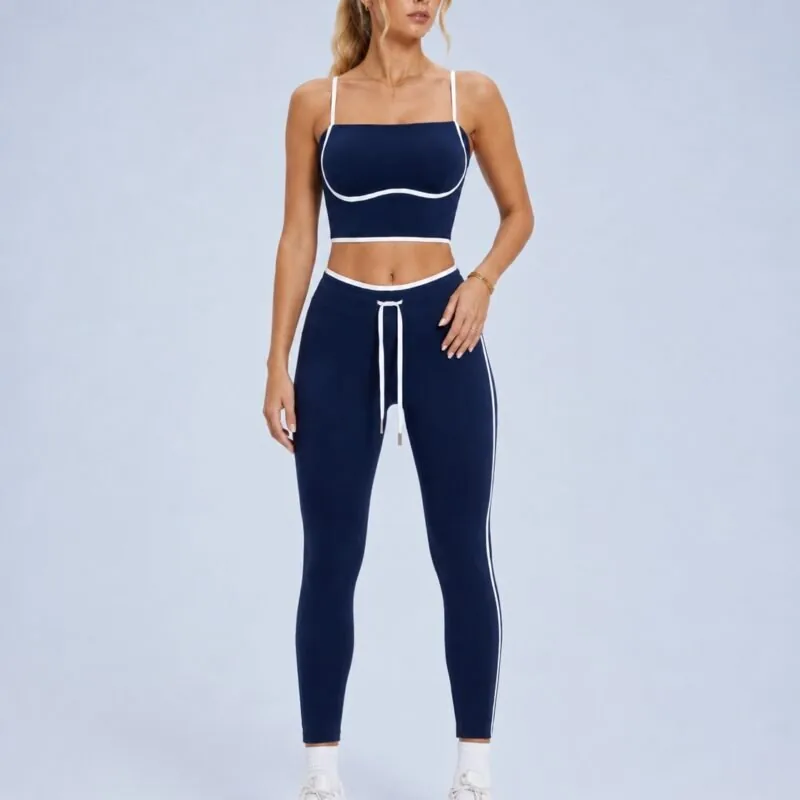
At 100 sets with logo, you’re buying a stock style with your label on it. Fit, fabric, color and pattern are already defined by the factory. Your job is to choose from the available catalog and apply your brand identity.
At 1,500 pieces and up, things change:
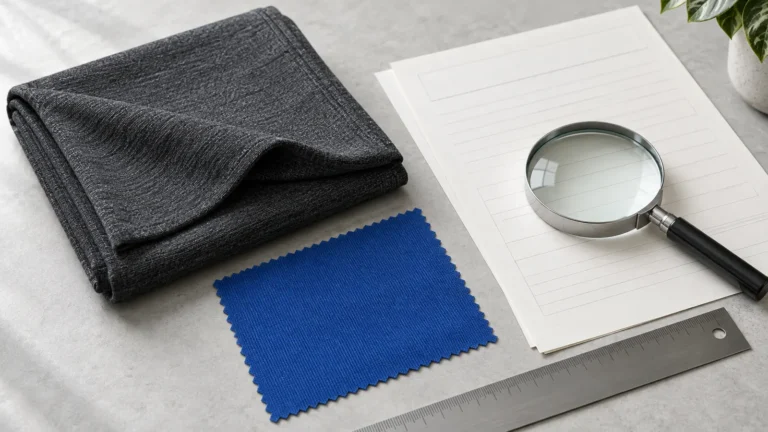
- You may want custom Pantone color matching, which means a documented lab-dip approval and a locked production reference. YOUMEGA’s current custom Pantone MOQ is 300–500 pieces per style per color.
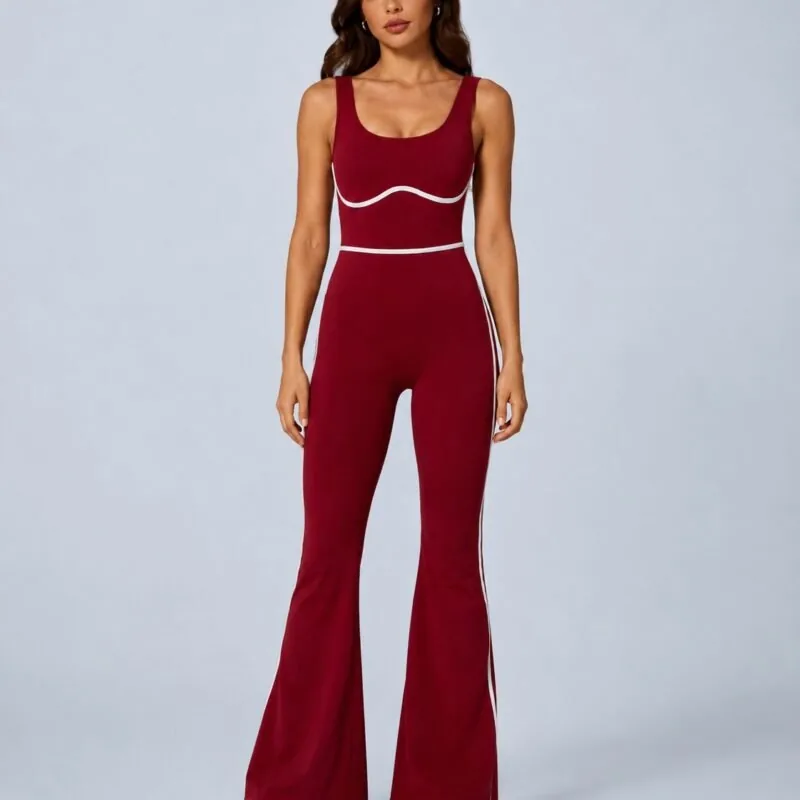
- You usually want fit changes from the stock block — extending the rise, narrowing the waistband, raising the gusset — which means pattern revisions and a paid sample round.
- You need repeatable QC across multiple production batches in the same season, not just one good sample.
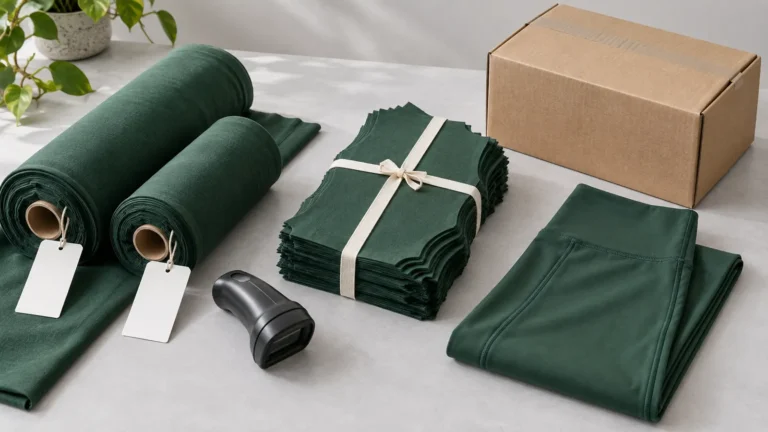
- You need a factory that holds fabric for your reorders instead of dyeing fresh every time (cheaper, faster, but only viable if the factory invests in fabric stock for you).
A supplier focused on stock-and-logo orders may not have the systems required for custom development. A factory built only for very large programs may not fit a growing brand that needs careful revisions. The right partner should match the current stage and show a credible path for repeat production.
The 7 questions Shopify brands should ask their next factory
1. “What’s your MOQ at three tiers — stock-style + logo, full custom OEM, and Pantone color?”
A useful answer separates the available production routes. YOUMEGA’s current terms are: stock styles plus your logo from 100 sets, with mixed colors and sizes allowed; full-custom OEM/ODM at 300–500 pieces per style per color; and custom Pantone dye at 300–500 pieces per style per color.
2. “How does your factory manage repeat orders after first delivery?”
Do not rely on an unsupported headline percentage. Ask how repeat orders are archived and how the factory preserves approved patterns, specifications, color references and QC records. Request an anonymized example that shows how a reorder was reproduced.
3. “Show me a real Pantone lab-dip approval workflow”
Ask the factory to show the actual approval path for your order: Pantone reference, lab dip, review under controlled light, physical or documented approval, revision if required, and a locked production reference. Treat a generic promise to “match the color” without an approval record as a risk.
4. “Who handles your customs and export documentation?”
YOUMEGA holds its own import and export license and supports FOB, CIF, EXW and DDP. For any supplier, confirm the named party responsible for export documents, freight coordination and exception handling in the written quotation.
5. “What’s your in-house QC inspection standard, and at what stage?”
Ask for the documented inspection standard, checkpoints and evidence for your exact order. YOUMEGA’s canonical QC level is AQL 2.5. A generic statement such as “we check everything” is not a substitute for an inspection plan and report.
6. “Can I see logo durability test results — silicone 3D vs heat transfer vs embroidery on stretch fabric?”
Request method-specific test evidence for the exact fabric, logo material, application parameters and stretch zone used on your sample. Do not accept generic wash-count claims that are not supported by a report for the tested construction.
7. “What’s a brand client roughly my size that you currently run for, and how did the first 12 months go?”
The factory may need to protect client identities, but it should be able to show a public case study or an anonymized trajectory covering order scope, approval steps, quality controls, delivery and lessons learned.
The MOQ math at each tier — what scaling actually costs
| Stage | Typical order | MOQ assumption | What you get |
|---|---|---|---|
| First capsule | From 100 sets, mixed colors and sizes allowed | Stock style + custom logo | Fast launch, no fit control |
| Second season | 300–500 pcs per style/color | Custom OEM/ODM, stock color palette | Pattern + fit changes possible |
| Third season | 500–1,500 pcs per style/color | Custom Pantone dye: 300–500 pcs per style/color | Brand identity color locked |
| Repeat program | Volume confirmed per program | Approved specification + reorder plan | Reorders use documented references |
The factory you want at “scaling year” should ideally have known you since the first capsule. That’s the hidden value of picking a supplier who’ll actually take your 100-set call.
Real example: how Goosgym Sports went from zero to a 40HQ container in 12 weeks
Goosgym Sports (Netherlands) placed its first order with YOUMEGA after developing the brand through earlier test runs. The documented order moved through Pantone lab dips, pre-production samples, bulk production, AQL 2.5 final inspection and export packing, then arrived in Rotterdam within the committed twelve-week window.
This case shows how a documented approval, QC and export process supports a scaling brand. Read the full Goosgym Sports case study.
Cash-flow reality at this stage
Cash-flow pressure can push a growing brand toward the lowest unit quote. Compare the total landed cost and operational risk instead: written payment terms, fabric and pattern records for reorders, export responsibilities, quality evidence and response ownership.
- States payment terms clearly in the written quotation
- Documents whether and how fabric and color references are held for repeat orders
- Explains export documentation and freight responsibilities before the order
- Provides a named contact and a documented response window
Compare cost and risk across the full reorder cycle, not only the first unit quote.
Buyer FAQ
What MOQ should a Shopify activewear brand expect at the 500–1,500 piece stage?
For full-custom OEM/ODM with pattern and fit changes, YOUMEGA’s current MOQ is 300–500 pieces per style per color. Custom Pantone dye uses the same 300–500-piece range. Stock styles plus your logo start from 100 sets, with mixed colors and sizes allowed.
How long should a 1,500-piece custom activewear order take from PO to shipment?
YOUMEGA’s current reference windows are 10–15 days for a full-custom sample, about 40–50 days for OEM bulk production and about 45–55 days for ODM. Revision rounds, material availability and shipping method can extend the calendar, so confirm the written critical path for the specific order.
Is it worth paying a premium factory at 1,500 pieces, or stay with the cheapest quote?
Compare total landed cost and execution risk, not an unsupported percentage premium. Review the approved sample, QC plan, color and fit controls, export responsibility, reorder records and written delivery terms before comparing quotations.
How should an emerging activewear brand evaluate repeat-order readiness?
There is no universal repeat-order percentage or 90-day benchmark that applies to every emerging brand. Channel, sell-through, seasonality, cash flow and product fit all matter. Evaluate whether the supplier can reproduce approved specifications and support a documented reorder process.
Should I expect to see other client brand names from a factory I’m evaluating?
Some public references may be available, while other clients are protected by privacy or NDA terms. Ask for named public case studies where permitted and anonymized operational evidence where names cannot be disclosed.
What’s the single most useful question to ask a candidate factory before sampling?
Ask how the factory preserves approved patterns, specifications, color references and QC records for a repeat order, then request a real example. This tests whether the supplier has a reproducible system without relying on an unverifiable percentage.
Next step for your scaling activewear program
If you’re past your first 500 Shopify units and ready to discuss a second-season run with Pantone, fit and QC control, send YOUMEGA your existing sample, Pantone references and a rough volume target. We reply within 24 hours on working days with fabric options, lead-time guidance and a sample plan.