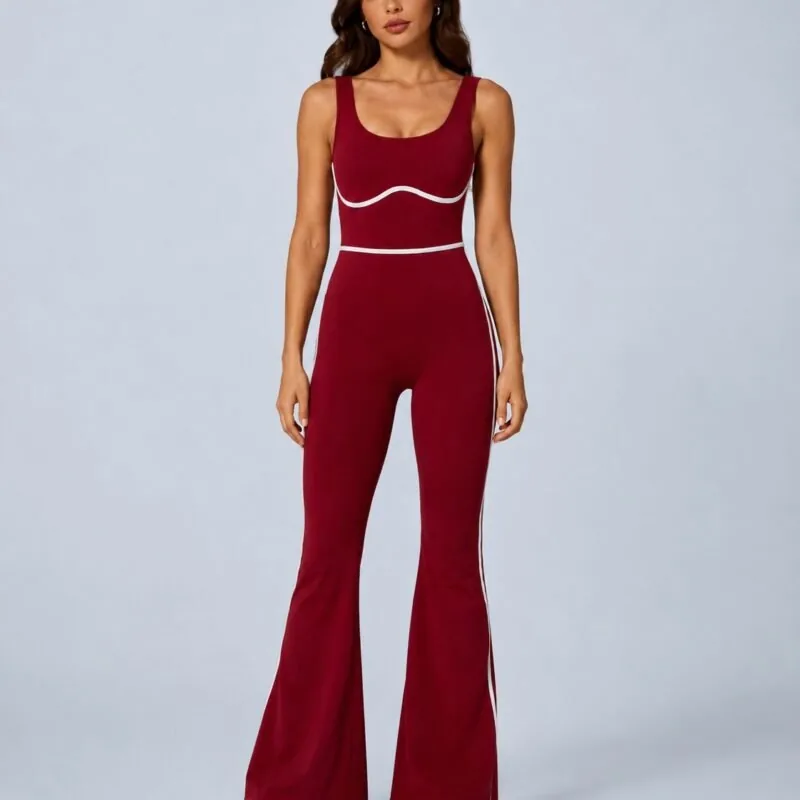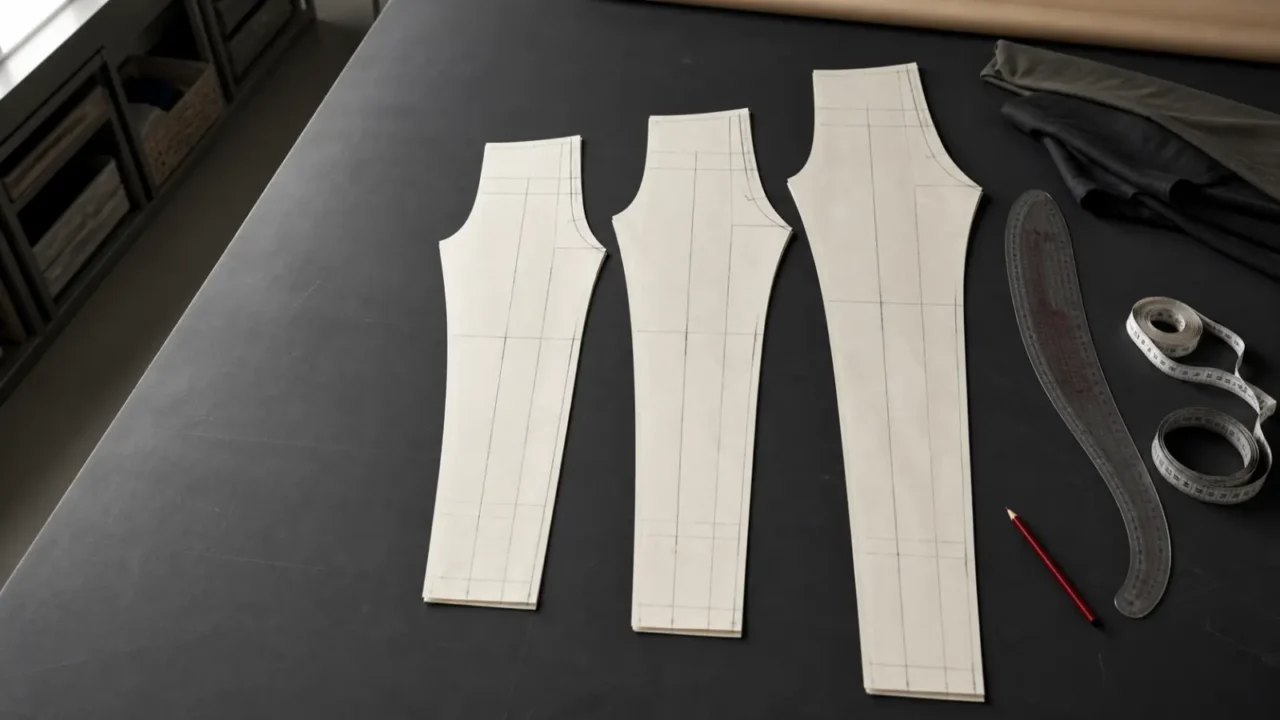
Inclusive Activewear Sizing: Why More Sizes Do Not Fix Proportion
The short answer: inclusive sizing is not the same as adding more labels to one grade rule. A broader XS-to-4XL range addresses circumference only if every body changes in the same proportions. Petite, tall and curvy customers often need different rise, inseam, torso length, waist-to-hip relationship or bra-block geometry. When those relationships change, the pattern architecture must change too.
That is why a legging can technically match its waist and hip chart yet still bunch at the ankle, pull down at the back rise or cut into the waist. The label may be right; the block may be wrong for the body it is trying to fit.
Three fit problems that one size chart cannot solve
| Fit dimension | What changes | Typical activewear symptom | Pattern response |
|---|---|---|---|
| Circumference | Waist, hip, bust or underbust girth | Overall tightness or looseness | Grade circumference and test stretch/negative ease |
| Vertical proportion | Height, torso length, rise or inseam | Knee placement is wrong, leggings stack, bra hem rises, waistband sits too high or low | Create petite/tall length logic or a separate height block |
| Shape relationship | Waist-to-hip, bust-to-underbust or thigh-to-hip relationship | Waist gaps while hip fits, band fits while cup does not, thigh binds while waist is loose | Use a curvy/full-bust or shape-specific block instead of scaling every point equally |
The first problem can often be handled through conventional grading. The second and third frequently cannot.
What ISO sizing standards actually contribute
ISO 8559 does not give a brand a ready-made activewear size chart. It gives a disciplined way to define and organize body measurements.
- ISO 8559-1:2017 defines anthropometric measurements and the anatomical basis for taking them.
- ISO 8559-2:2025 identifies primary and secondary body dimensions used to designate garment sizes.
- ISO 8559-3:2018 sets out a methodology for body-measurement tables and intervals, and explicitly recognizes that body shape and proportions differ across target population groups.
The practical lesson is important: start with the bodies in the target market, not with a generic garment chart copied from another brand. A measurement is only useful when everyone takes it the same way and the pattern team knows how it controls the garment.
Petite activewear needs more than a shorter hem
Shortening only the inseam can leave every other vertical point in the wrong place. On leggings, review:
- Front and back rise
- Knee level
- Calf shaping
- Pocket position
- Gusset length and angle
- Waistband height
- Inseam and outseam balance
On tops and sports bras, petite fit can require changes to torso length, armhole depth, strap length and neckline position. If the garment is simply shortened at the bottom edge, the functional zones may remain built for a taller body.
Tall activewear needs length in the right places
Adding length only at the hem creates the opposite problem. A tall legging may need added vertical distance above and below the knee, not one long extension at the ankle. A tall one-piece style may need torso length through the body and strap system, not just a longer leg.
The correction should follow body landmarks. That is exactly why primary and secondary body dimensions matter: they tell the pattern team where length belongs.
Curvy grading is a shape decision
“Curvy” should not be treated as a marketing synonym for a larger size. In product development it describes a different relationship between key girths and contours.
For leggings, the usual warning signs are:
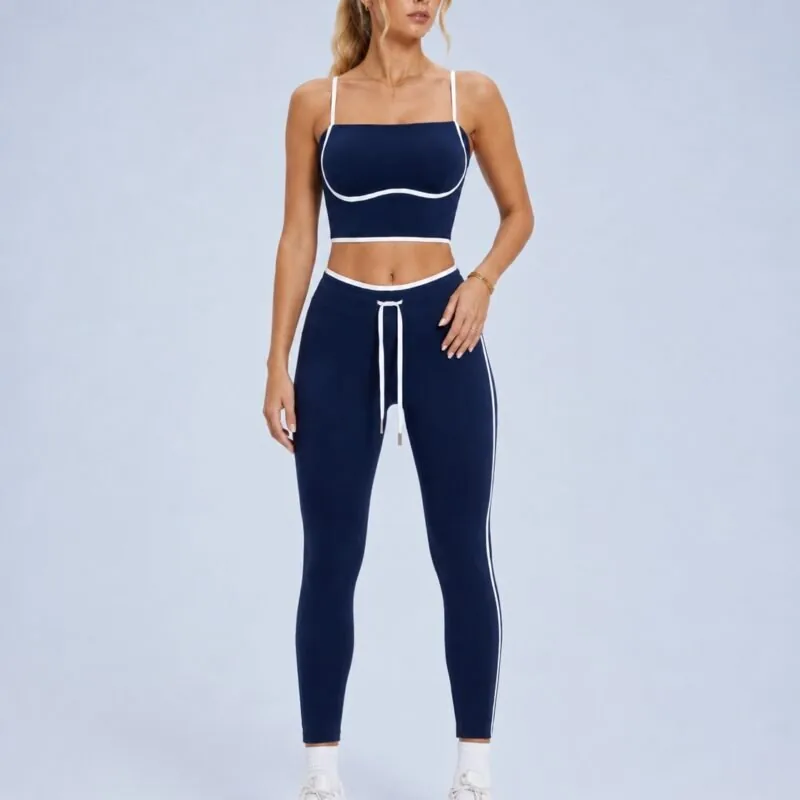
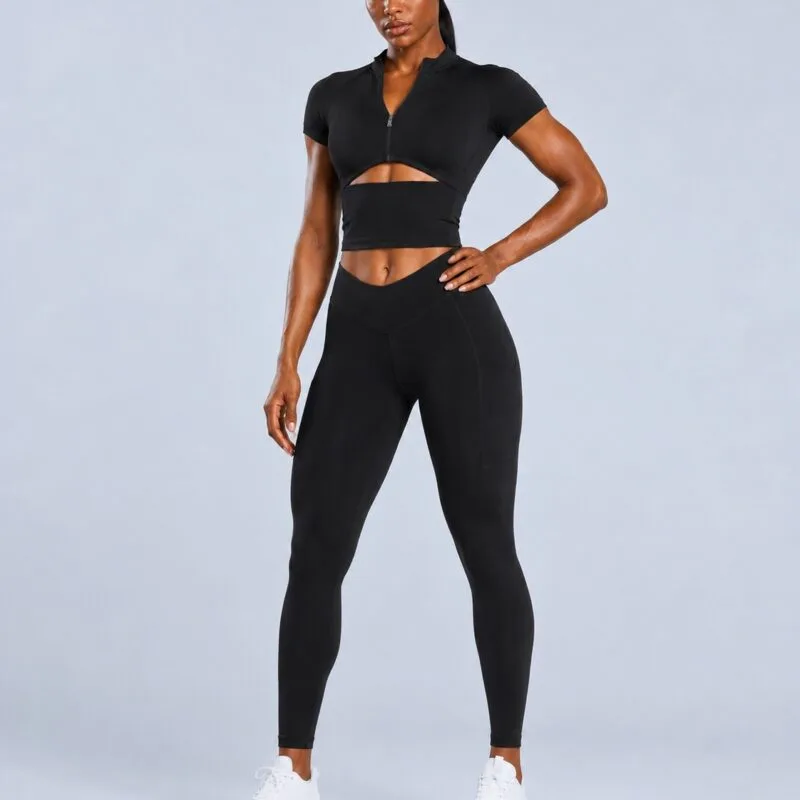
- Waistband gapes while hip and seat fit
- Back rise pulls down during a squat
- Side seam rotates toward the back
- Front waist sits too high when the back is correct
- Thigh tension changes the intended compression through the hip
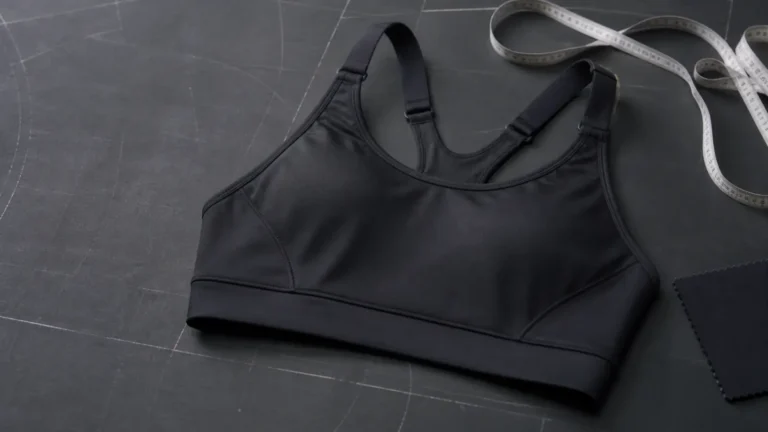
For sports bras, a fuller-bust/smaller-band relationship can require a different cup, neckline, strap and underband strategy. Scaling the same bra uniformly can increase the band and cup together even when the target wearer needs them to change differently.
When does a brand need a separate block?
A separate petite, tall or curvy block becomes the safer choice when corrections repeat across more than one size or affect multiple linked pattern points.
Use this decision test:
- Does the problem appear at a body landmark, such as knee, rise, bust apex or underband?
- Does fixing one measurement create a new problem somewhere else?
- Does the same correction recur across the relevant end of the size range?
- Would a customer need a different proportion, not merely more or less circumference?
If the answer is yes, changing the base block is usually clearer than forcing an aggressive grade rule onto the original pattern.
A development sequence that protects fit
1. Define the target population
Specify market, wearer, activity and fit intent. “Women 18–35” is not enough. The useful brief says whether the collection prioritizes short inseams, tall torsos, pronounced waist-to-hip difference, fuller bust support or another measurable relationship.
2. Build a body-measurement chart
Use consistent anthropometric landmarks. Keep body measurements separate from finished-garment measurements. The body chart describes the wearer; the garment spec describes how the product fits that wearer.
3. Choose the anchor size for each block
Do not assume the same anchor can represent every proportion family. A petite or curvy extension may need its own fit model and base pattern before grading begins.
4. Fit the movement, not only the pose
Activewear must be checked through squat, lunge, reach, run or the intended activity. Record waistband movement, seam rotation, knee position, compression and recovery. Static front/side/back photos are necessary but not sufficient.
5. Approve a size set before bulk
Fit the anchor and selected adjacent/end sizes rather than trusting the grading table alone. A mathematically clean grade can still produce a poor garment at the edges of the range.
6. Keep inventory planning separate from fit architecture
The decision to stock more units in M than in 3XL is an inventory decision. It must not determine whether the 3XL pattern is properly engineered. Use the first-order size-ratio guide for quantity planning and the XXS-to-4XL grading guide for the broader grade process.
What to put in the tech pack
An inclusive-size brief should identify:
- Body-measurement definitions and landmarks
- Finished-garment measurements by size
- Stretch direction and negative-ease intent
- Separate petite/tall/curvy block names where used
- Rise, inseam, knee and pocket positions
- Fit-model measurements for each block
- Movement-test sequence
- Size-set approval points
- Tolerance and inspection method
If the product serves changing body requirements, maternity activewear grading needs its own logic rather than being folded into ordinary extended sizing.
Primary sources for the measurement framework
- ISO 8559-1:2017 — anthropometric definitions for body measurement
- ISO 8559-2:2025 — primary and secondary dimension indicators
- ISO 8559-3:2018 — body-measurement tables and intervals
FAQ
Is inclusive activewear sizing just XS to 4XL? No. A wider label range can improve circumference coverage, but petite, tall, curvy and fuller-bust wearers may need different vertical proportions or shape relationships that one grade rule cannot provide.
Can a factory make petite leggings by shortening the inseam? Shortening the inseam alone may leave the rise, knee, pocket and gusset in positions designed for a taller body. Those linked landmarks should be reviewed together.
When should a brand create a separate curvy block? Use a separate block when waist-to-hip or bust-to-underbust corrections recur across sizes and cannot be fixed without distorting other fit points. Curvy is a proportion system, not simply a larger label.
Do tall sizes need a completely different pattern? Not always, but added length must be distributed around the correct body landmarks. If torso, rise and knee placement all change, a dedicated tall block is usually clearer than extending the hem.
How should inclusive sizes be tested before production? Fit each block on a representative wearer, test the intended movements, approve a size set that includes edge sizes, and lock body definitions and finished-garment measurements in the tech pack before bulk.
Building petite, tall or curvy activewear? Send the target market, body chart, size range and reference style. YOUMEGA can identify where one grade rule is enough and where a separate block is safer.