Reordering — Why “Same as Last Time” Is Not a Button We Push
Your first drop worked. One legging outsold everything else, the reviews are good, and you’ve sold clean through your hero style. So you send the easiest email in the business: “Same as last time — 500 more, please.” A few weeks later the reorder lands, and a customer who owns both drops lays them side by side on the bed: the new black reads a touch warmer, and the waistband feels a hair firmer. Nothing is wrong — but it isn’t the photocopy you pictured.
That gap surprises almost every repeat buyer, and it isn’t carelessness. A reorder is not a saved file we reprint. It’s a fresh production run, built from fresh materials, and a few things quietly reset every time. Knowing which ones — and pinning them down in advance — is the whole game.
What carries over — and what quietly resets
There’s no master switch that stores your exact garment and stamps out an identical copy on demand. What actually carries over is the tooling and the paperwork: your patterns, your grading, your tech pack, your logo setup. Those are real, and they save you money — you should not be re-charged full development on a true reorder.
What does not carry over untouched is anything born from a wet, physical process on a specific day: the dye, the yarn or fabric lot, and, to a small degree, how a fresh fabric batch behaves on the machine. Same recipe, different day, slightly different result. The honest way to hold it in your head: a reorder keeps the design perfectly and the materials within a tolerance.
The dye lot: the number-one reorder surprise
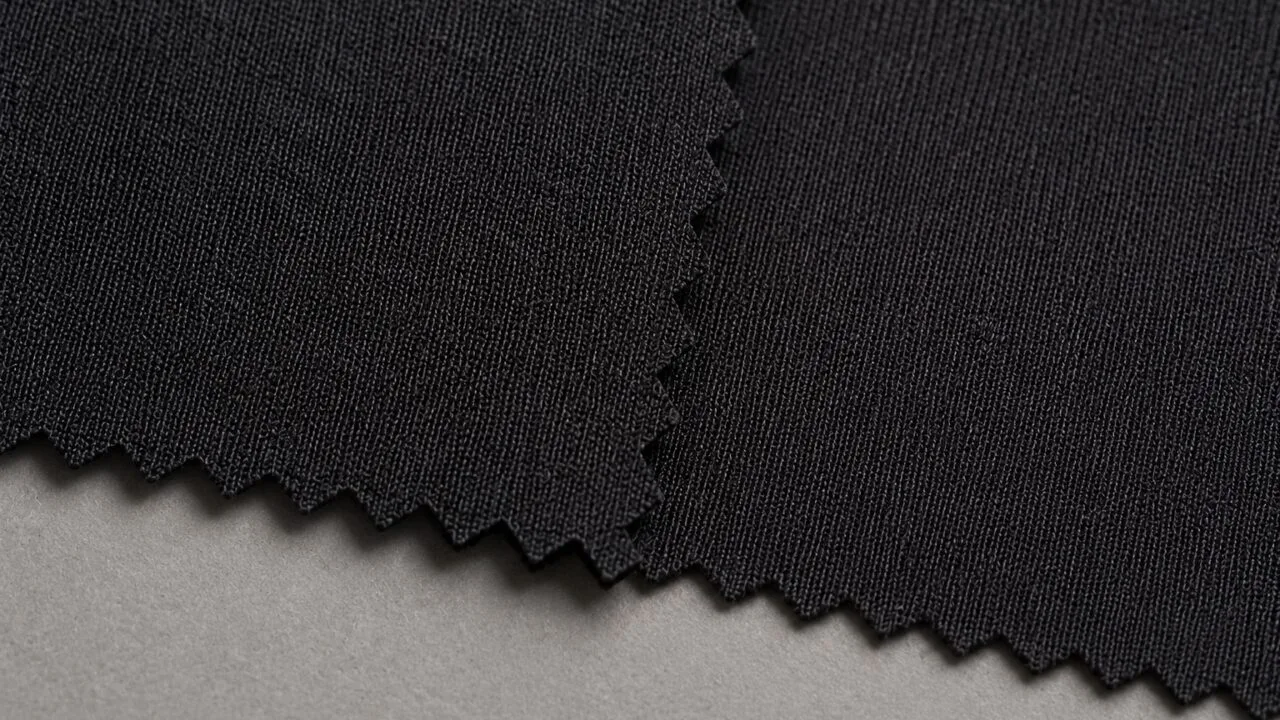
Color is where repeat buyers get caught most. Dyeing is chemistry in a bath — dyestuff batch, water, temperature, time, the operator’s hand — and two lots of the “same” color run weeks apart will drift a little. This is normal across the whole industry; the only question is how tightly it’s controlled.
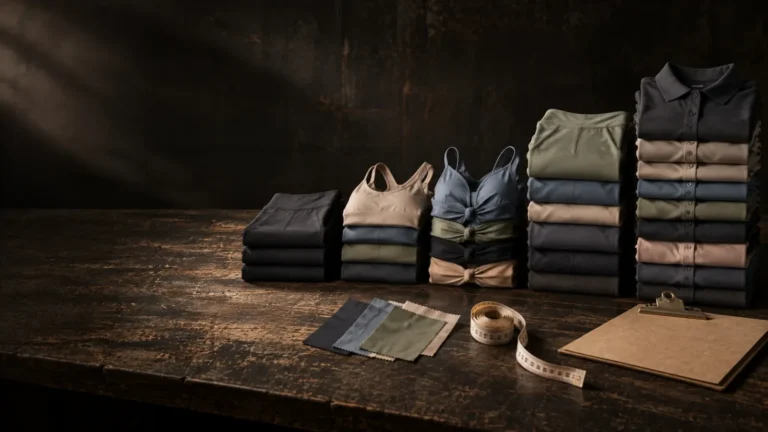
The control is a physical standard. At first bulk approval, seal a swatch of the approved color — a lab-dip, or a piece of the actual production fabric — and have the dye house match the reorder against that sealed reference, not against a screen or the memory of last time. Then agree a tolerance up front (dyers grade the difference on a grey scale, often aiming for around 4 and up). Expect a small delta; don’t expect zero. It’s the same discipline as first-run color work — see our guides to Pantone color matching and to colorfastness and the dye house — carried into the second run.
One place not to spend: don’t burn a week and several fees chasing a “perfect” match your eye can’t see standing next to the standard. Agree the tolerance, approve within it, move on.
The fabric may not be sitting on a shelf
“In stock” does a lot of quiet work in most reorder conversations. Often the exact fabric isn’t waiting on a roll; it gets re-knitted from yarn for your run. Yarn arrives in lots too, and a new yarn lot can take dye a shade differently or feel marginally different in the hand. If the mill has moved on from that exact base, you may be matching to the closest current equivalent.
This matters even more for seamless. A seamless garment isn’t cut from a roll — the tube is knitted directly from yarn on the machine, so a seamless reorder means re-setting the machine and knitting fresh every time, which makes holding the same yarn lot the priority. (If you’re weighing the two routes, we cover the trade-offs in seamless vs cut-and-sew.) The practical move is simple: if you already know you’ll reorder soon, buy the fabric or yarn in one lot up front, so both drops come from the same batch.
Reorder minimums: the garment floor and the fabric floor
A reorder isn’t automatically minimum-free, and there are two separate floors. The garment floor is often flexible — the patterns exist, so a factory can usually run a smaller repeat of an established style than it took to develop it the first time (as a rough frame, our stock-plus-your-logo programs start around 100 sets, and full custom development around 300–500 pieces). The fabric floor is the one that bites: mills and dye houses have their own batch minimums, so even a modest garment reorder can require buying a full fabric lot or meeting a dye-lot minimum.
That’s why a small second run sometimes costs more per piece than the first — you lose volume efficiency and may buy fabric you don’t fully use. The honest fix isn’t to reorder in tiny dribs; it’s to consolidate: order a realistic quantity, or dye the whole projected run in one lot, rather than splitting a color you care about across several small lots that then don’t match each other.
How to protect consistency
Most reorder pain disappears if you build a standard on the first run and reorder against it.
| What you assume is “saved” | What really happens on a reorder | How to hold it |
|---|---|---|
| The exact color | A new dye lot drifts slightly | Seal a physical color standard; match against it and agree a tolerance |
| The fabric | Re-knitted from a fresh yarn lot; may hit its own MOQ | Buy in one lot if reordering soon; keep the fabric code |
| The fit & measurements | Patterns carry over, but a new fabric lot can stretch a little differently | Keep a sealed production sample + tech-pack tolerances |
| The price | A small run loses efficiency and may trigger a fabric minimum | Consolidate; don’t over-split quantities |
| The lead time | Fabric and dye are the long pole, not sewing | Reorder early, before a seasonal peak |
On that last row: fabric and dyeing set the clock, so place a reorder well ahead of a seasonal sell-through — and give it extra room around factory shutdowns, as we lay out in planning around Chinese New Year.
Read your reorder like a factory
- On the first bulk, seal three things: a color standard (lab-dip/swatch), a signed production sample, and the approved tech pack with tolerances. Both sides keep a copy.
- Reorder by style/color/fabric code and PO number, not “same as last time.”
- Ask for a new lab-dip approved against the sealed standard before bulk — and agree the tolerance in writing.
- If two drops must match perfectly, dye them in one lot (or buy the yarn/fabric in one lot).
- Don’t accept a full development re-charge on a true reorder — and don’t chase invisible perfection.
- Place the reorder early; fabric and dye, not sewing, set the lead time.
FAQ
Why is my reorder a slightly different color than the first run? Because it came from a new dye lot. Dyeing is a wet chemical process, and small lot-to-lot variation is normal industry-wide. It’s controlled — not eliminated — by matching each run to a sealed physical standard within an agreed tolerance.
Can I reorder fewer pieces than my first order? On the garment side, often yes, since the patterns already exist. The limit is usually the fabric or dye-lot minimum, which can force you to buy more fabric than the reorder alone needs. Ask about both floors before you plan quantities.
How do I make sure the second batch matches the first? Seal a physical color standard and a production sample on the first run, reorder against those (not against memory), agree a tolerance, and — if a match across drops is critical — dye the whole projected quantity in one lot.
How far ahead should I place a reorder? Earlier than you’d think, because fabric and dyeing, not sewing, set the timeline. Forecast your bestsellers and reorder before a seasonal peak or a factory shutdown, so the run isn’t waiting in a queue.
Send us your original style number, a photo of what you’re holding, and the quantity you’re planning, and we’ll tell you honestly what will carry over exactly, what sits within a tolerance, and whether it’s worth dyeing a larger lot now to keep your drops matching. We reply within 24 hours.