Seamless vs Cut-and-Sew Activewear: Which Construction Is Right for Your Brand?
Choosing between seamless and cut-and-sew activewear is not just a technical decision. It affects comfort, design freedom, MOQ, fabric weight, logo application, sample timing, and the way your collection feels in the hand. Seamless garments are knitted into shape on circular machines, while cut-and-sew garments are built from fabric panels that are cut and stitched together. Both can produce premium activewear, but they solve different brand problems.
At YOUMEGA, we manufacture both construction types, so the decision does not need to be ideological. The right answer depends on your target customer, product category, price point, and how much visual complexity you need. A yoga brand building a soft second-skin capsule may lean seamless. A training brand that needs pockets, zippers, color blocking, or statement silhouettes may need cut-and-sew.
What Is Seamless Activewear?
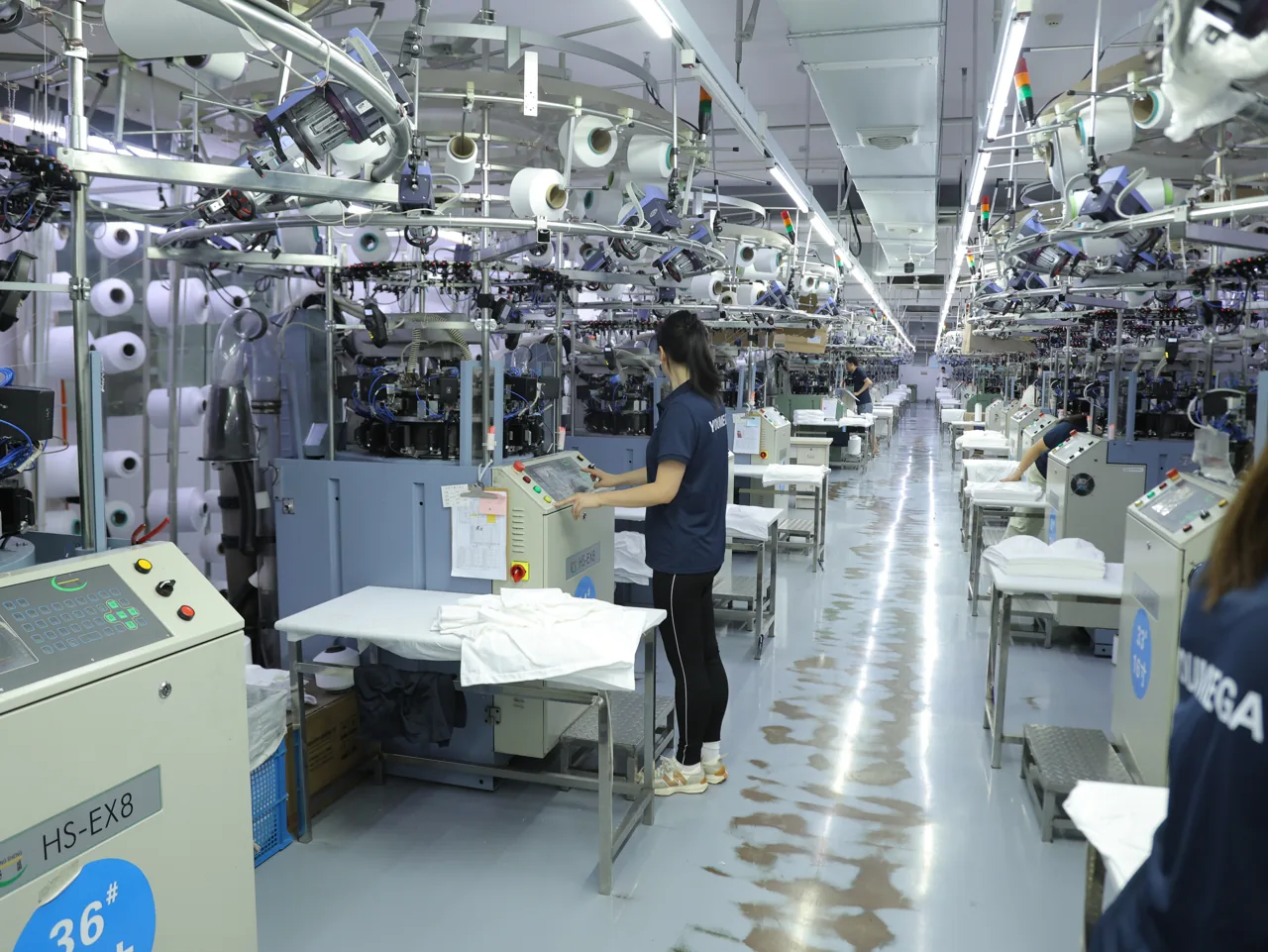
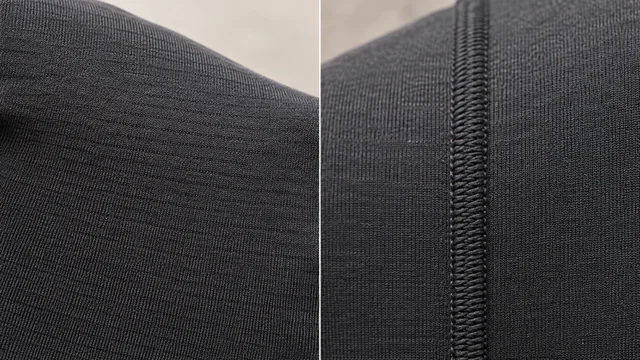
Seamless activewear is made on circular knitting machines that create tubular garment components with little or no side-seam stitching. Instead of cutting flat fabric panels, the machine knits the shape, compression zones, rib textures, and sometimes ventilation areas directly into the garment. This is why seamless leggings, shorts, sports bras, jumpsuits, and base layers often feel smoother against the body.
The biggest advantage is comfort. Without bulky side seams, the wearer experiences less rubbing during yoga, pilates, stretching, dance, or long casual wear. Seamless fabric also works well for compression because the knit can hug the body consistently. The typical YOUMEGA seamless fabric is 90% polyamide and 10% spandex at 280-300 GSM, giving it a thicker, sculpting hand feel.
The trade-off is design flexibility. Seamless machines are powerful, but they are not magic. They are less suitable for complex pockets, sharp cutouts, structured zippers, multi-panel color blocking, or fashion silhouettes that require precise pattern pieces. Logo methods are also more limited. Heat transfer and silicone 3D work well, while heavy embroidery is usually avoided because needle holes can disturb elasticity.
- Pros: smooth hand feel, fewer seams, compression, fast stock-style development, premium yoga/lifestyle positioning.
- Cons: less pattern freedom, fewer hardware options, machine-limit constraints, higher base cost for fully custom development.
What Is Cut-and-Sew Activewear?
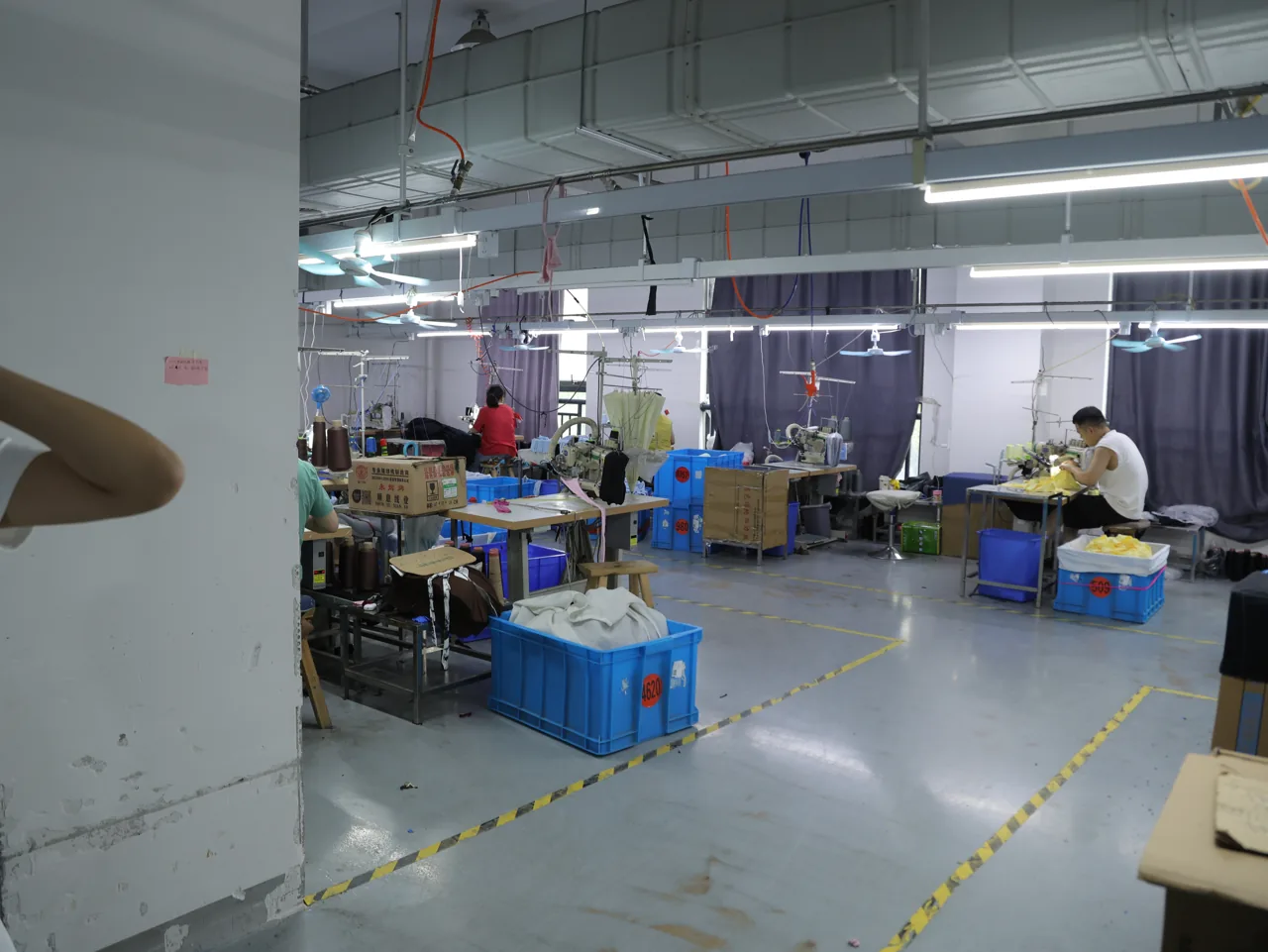
Cut-and-sew activewear starts with flat fabric rolls. Panels are cut according to the pattern, then stitched together with flatlock, overlock, coverstitch, bonded, or other seam constructions. This is the traditional method used for leggings, sports bras, crop tops, jackets, tennis sets, swimwear, men’s training wear, and almost any style that needs structure or visual detail.
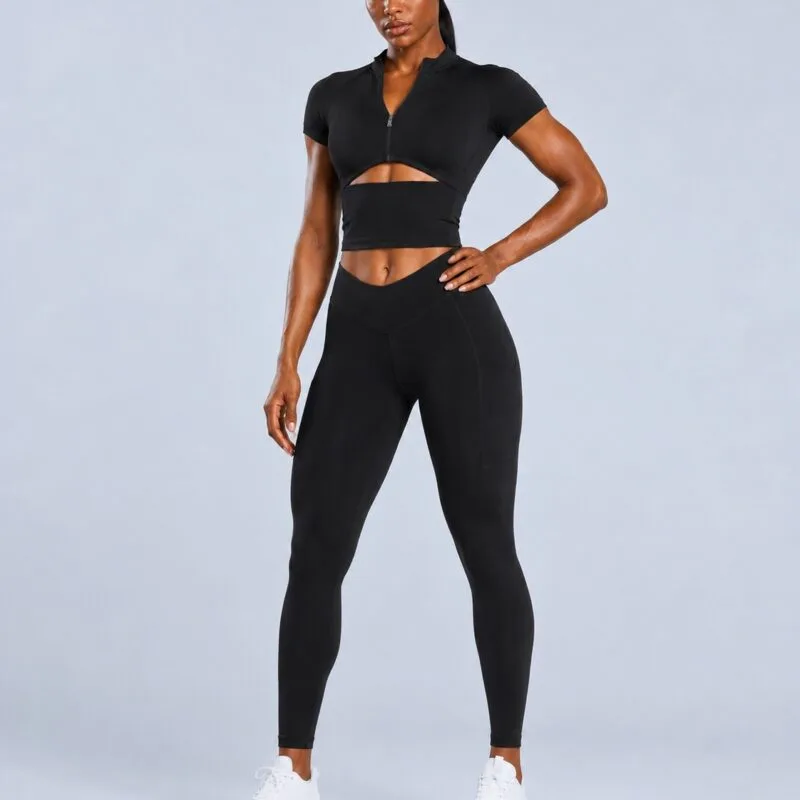
The strength of cut-and-sew is control. You can place seams exactly where you want, combine different fabrics, add mesh panels, build side pockets, use contrast piping, create crossover waistbands, add half zippers, or develop full custom silhouettes from a tech pack. YOUMEGA cut-and-sew fabrics are commonly 80% polyamide and 20% spandex at 220-230 GSM, which works well for training, running, gym, and athleisure.
The trade-off is seam management. A poorly finished seam can irritate skin, especially in leggings or sports bras. That is why factory skill matters. A good cut-and-sew factory chooses the right stitch type, seam allowance, thread, and quality-control standard so the garment performs without twisting, popping, or rubbing. At YOUMEGA, cut-and-sew development is handled with the same sample approval and 2.5 AQL inspection process as seamless.
- Pros: maximum design flexibility, pockets, zippers, panels, embroidery, color blocking, wide product range.
- Cons: more sewing operations, seam comfort depends on finishing, complex designs need tighter quality control.
Side-by-Side Comparison
| Factor | Seamless | Cut-and-Sew |
|---|---|---|
| Construction | Circular knit, no side seams | Panels cut from flat fabric, sewn together |
| Comfort | No seam irritation, second-skin feel | Depends on seam finishing (flatlock, bonded) |
| Design flexibility | Limited by knitting machine capability | Unlimited — any panel, color block, pocket, zipper |
| MOQ at YOUMEGA | 100 pcs (stock) / 300 pcs (custom) | 100 pcs (stock) / 300 pcs (custom) |
| Fabric weight | 280-300 GSM typical | 220-230 GSM typical |
| Composition | 90% Polyamide / 10% Spandex | 80% Polyamide / 20% Spandex |
| Best for | Yoga, pilates, lifestyle, base layers | Training, running, golf, swim, fashion-forward |
| Price range | $$-$$$ | $-$$$$ |
| Lead time | 15-30 days | 15-30 days |
| Logo methods | Heat transfer, sublimation | All methods including embroidery |
When to Choose Seamless
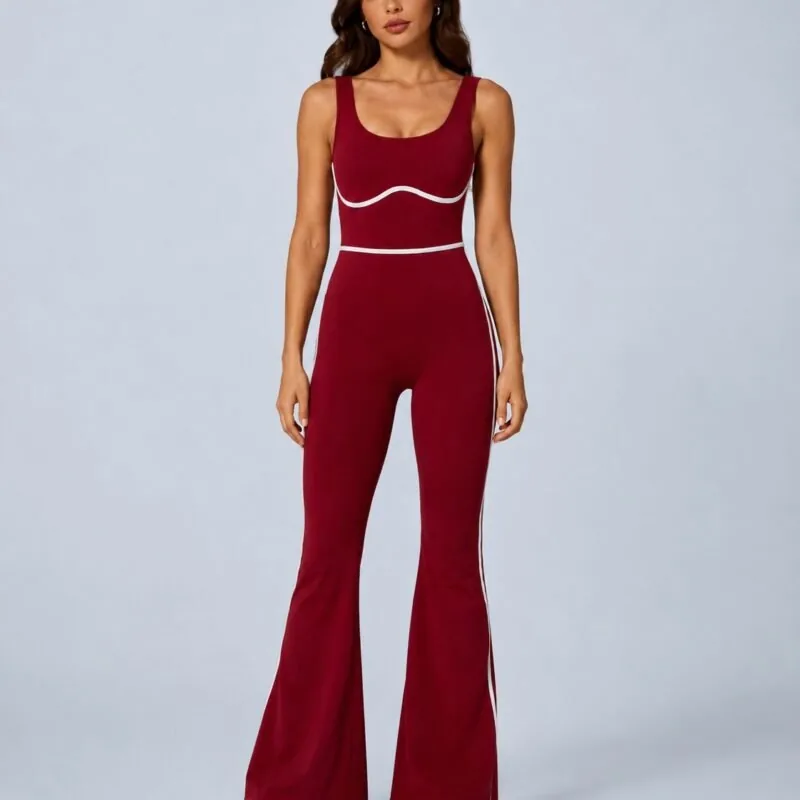
Choose seamless when comfort is the headline. If your brand promise is second-skin fit, no-chafe movement, sculpting compression, or all-day softness, seamless is usually the better starting point. Yoga leggings, pilates shorts, ribbed sets, scoop-back jumpsuits, and halter training sets are strong seamless candidates.
Choose seamless when you want a clean minimal aesthetic. Many DTC brands use seamless for monochrome capsules because the garment itself feels premium even without complicated panel design. This is useful when your branding relies on fabric hand feel, color, and fit rather than visible construction details.
Choose seamless when you need fast stock-style validation. A stock seamless style with custom logo can start at 100 pieces. That lets you test color, sizing, and audience response before committing to a fully custom circular-knit development.
When to Choose Cut-and-Sew
Choose cut-and-sew when design is the differentiator. If your style needs side pockets, front cutouts, half zippers, contrast piping, mesh panels, swim silhouettes, tennis skorts, or unusual shaping, cut-and-sew gives the pattern freedom you need.
Choose cut-and-sew when branding requires embroidery or woven details. Embroidery, woven labels, structured logo positions, and mixed materials are easier to manage on cut-and-sew garments because the panels can be stabilized before sewing.
Choose cut-and-sew when you are building a wider product line. A brand that sells leggings, sports bras, tops, jackets, swim, and men’s wear will usually need cut-and-sew for at least part of the catalog. It is the most flexible construction system for complex merchandising.
Can You Mix Both in One Collection?
Yes. In fact, many strong activewear collections combine both. A brand might launch seamless leggings and a seamless halter set for comfort-driven products, then add cut-and-sew crop tops, pocket leggings, swimwear, or tennis pieces for design variety. This lets the collection feel broad without forcing one construction method to do every job.
The practical question is how to manage MOQ, color consistency, and timeline. YOUMEGA can coordinate seamless and cut-and-sew within one order so the same brand colors, logo files, packaging, and QC standard apply across the full capsule. The sample process is still style-by-style, but communication and production planning stay under one roof.
How YOUMEGA Handles Both Construction Types
YOUMEGA is positioned for growing private-label activewear brands that need factory flexibility without losing quality control. For seamless, we help you choose from stock styles or develop custom structures based on your compression, GSM, rib, and fit requirements. For cut-and-sew, we work from reference images, sketches, or tech packs and translate them into patterns, samples, fabric choices, and production-ready specs.
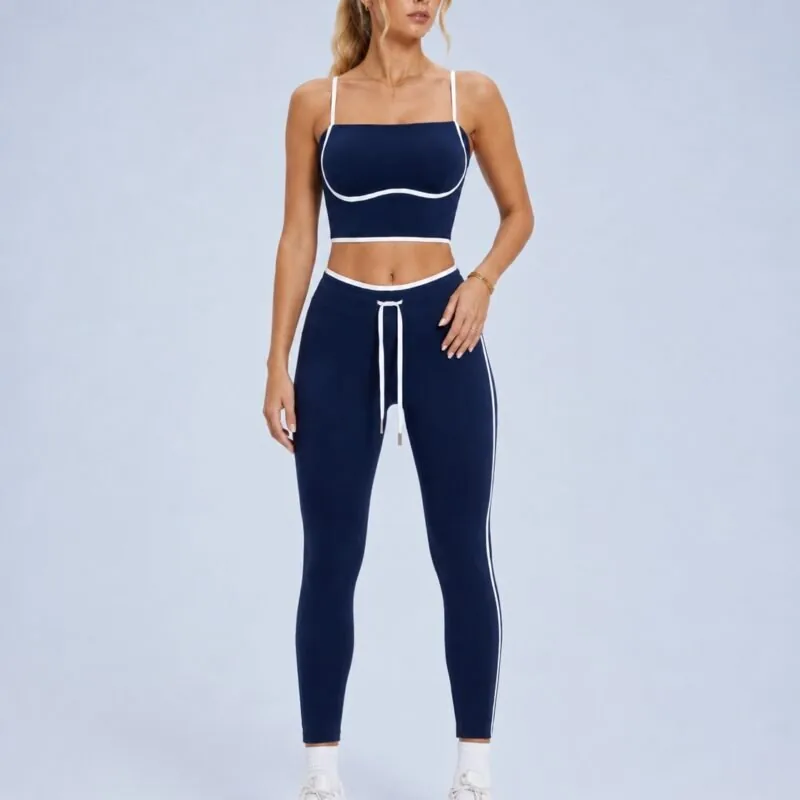
For real product examples, compare our Seamless Scoop-Back Flare Jumpsuit with the Contrast Piping Crop Top & Leggings Set. You can also review our manufacturing process and OEM/ODM services before deciding which construction path fits your launch.
Practical Decision Checklist
If your design has complex panels, hardware, side pockets, contrast colors, or structured seams, start with cut-and-sew. If your design is minimalist, body-hugging, compression-led, or comfort-led, start with seamless. If your brand is still testing demand, choose a stock style with custom logo first, then scale into custom development after sales data confirms the product.
See our complete Activewear Manufacturing Glossary for all industry terms. For sourcing-location context, read China vs Vietnam vs Bangladesh for activewear manufacturing. For order-size strategy, read Low MOQ vs High MOQ activewear manufacturing.
Buyer Notes Before You Brief the Factory
Before asking for a quote, decide whether your priority is fit, visual detail, or launch speed. If fit and comfort are most important, send the factory the body feel you want: compressive, soft, ribbed, brushed, light, or sculpting. If visual detail is the priority, send reference images that show seam lines, pocket placement, zipper length, strap width, and color-block layout. The more specific the visual brief, the faster the factory can tell you whether seamless or cut-and-sew is the right path.
Also separate what is essential from what is optional. A brand may want seamless comfort, a side pocket, embroidery, contrast panels, and a half zipper in the same style, but those requests point in different construction directions. YOUMEGA usually helps buyers split this into a realistic product map: seamless for body-hugging essentials, cut-and-sew for technical statement pieces, and shared packaging or color standards to make the collection feel unified.
For buyers preparing a first tech pack, it is useful to mark each detail as required, flexible, or exploratory. Required details should not move during sampling. Flexible details can be adjusted if the factory finds a better construction solution. Exploratory details are ideas to test only if they do not slow the core product. This keeps the sample round focused and reduces back-and-forth.
Frequently Asked Questions
Is seamless activewear better than cut-and-sew?
Depends on your product goals. Seamless is best for yoga and lifestyle with zero seam irritation. Cut-and-sew offers unlimited design options for training, running, and fashion-forward collections.
What is the MOQ for seamless activewear at YOUMEGA?
100 pieces for stock styles with your custom logo. 300-500 pcs per style per color for fully custom seamless development.
Can I combine seamless and cut-and-sew in one order?
Yes. YOUMEGA manufactures both construction types in-house. Many brands order seamless leggings alongside cut-and-sew tops in a single order.
Which construction is cheaper?
Cut-and-sew generally starts at a lower unit price for simple designs. Seamless has a higher base cost but eliminates seam finishing labor.
How long does production take for each?
Both construction types take 15-30 business days for bulk production at YOUMEGA after sample approval.
The Real Cost Difference Per Piece
Seamless and cut-and-sew aren’t just different aesthetics — they have meaningfully different cost structures that affect your retail price tier.
| Aspect | Seamless | Cut-and-Sew |
|---|---|---|
| Per-piece FOB (1000 pcs) | $11–18 | $8–13 |
| Setup cost per design | $200–400 machine programming | $80–150 pattern + sample |
| MOQ (stock yarn / stock fabric) | 200 pcs / style | 100 pcs / style |
| MOQ (custom yarn / custom fabric) | 1,000+ pcs / style | 300–500 pcs / style |
| Sample cost | $80–150 per design | $40–80 per design |
| Sampling lead time | 25-40 days | 15-25 days |
Seamless costs 30-50% more per piece at equivalent specs because of two structural reasons: (1) seamless circular knit machines cost $80,000-150,000 each and process slower than industrial sewing machines, and (2) seamless production requires specialized yarn that costs more per kilogram than cut-and-sew fabric.
Use Case Decision Tree
Choose seamless when:
- Brand position is performance, contour, or shapewear-adjacent
- Target retail price is above $35
- You want to compete on body-sculpting silhouette
- Customer base values smooth-against-skin feel (no chafing for runners, cyclists, yoga)
- You’re producing matching sets where consistency between top and bottom matters
Choose cut-and-sew when:
- Brand position is general activewear or athleisure
- Target retail price is below $35
- You want design flexibility (panels, piping, contrast fabric, pockets, zippers)
- You need lower MOQ for testing collections
- You want shorter sampling cycles to iterate quickly
The Hybrid Approach Many Brands Use
Some of the most successful activewear brands run both production methods in the same collection. A typical mix:
- Seamless hero pieces: 2-3 signature leggings + sports bras that define the brand’s “feel” — sold at premium price ($45-65)
- Cut-and-sew range extension: Crop tops, shorts, joggers, lounge pieces — sold at mid price ($25-40)
- Cut-and-sew outerwear: Hoodies, jackets, jumpsuits — where seamless construction isn’t practical anyway
This hybrid approach gives the brand a premium anchor (seamless) plus volume products (cut-and-sew). It also balances cash flow — the cut-and-sew pieces have shorter lead times and lower MOQ, so they refresh inventory faster while seamless pieces sit in core year-round.
What to Look For When Sampling Both Methods
Sample evaluation differs between the two methods. For seamless, check:
- Stitch density at high-stress zones (waistband, underbust, knee)
- Fabric weight consistency across the body — seamless can be inconsistent if machine tension drifted
- How the seamless yarn handles 50+ wash cycles (color fade, pilling on inner surface)
- Whether the body-shaping bands actually compress where they should
For cut-and-sew, check:
- Seam strength when pulled (4-thread overlock minimum for activewear)
- Whether seams sit flat or roll up at high-friction zones
- Hardware quality (zipper pulls, drawcord aglets, snap closures)
- Whether the fabric stretch direction is correct (lengthwise stretch should run vertically on leggings)
We covered the full sampling evaluation framework in our sample vs bulk activewear guide.
Frequently Asked Questions
Which is more durable: seamless or cut-and-sew?
Both can be highly durable when made well. Cut-and-sew has a structural weak point at the seams — poorly stitched seams can split under heavy stretch. Seamless has no seam weak point but the entire fabric structure is one continuous knit, so any yarn flaw affects the whole garment. In practice, both methods at YOUMEGA quality level last 100+ wash cycles before noticeable wear.
Can I do seamless production at 100-piece MOQ?
Not realistically. Seamless machines need to be set up per yarn color and per construction pattern, and the setup time is hours. A 100-piece run barely covers the setup cost. The genuine seamless minimum is around 200 pieces per style using stock yarn. Anyone quoting 50 or 100 pieces of fully seamless production is either subcontracting to a small workshop or shipping sample-quality goods.
Why are seamless leggings more expensive than cut-and-sew?
Three reasons: (1) seamless machines cost $80-150K each and process slower than industrial sewing, (2) seamless yarn costs more per kilogram, (3) machine programming for each new design takes 4-8 hours, which gets amortized into the per-piece cost. At equivalent fabric quality, expect 30-50% higher cost for seamless.
Do I need different fabric weight (GSM) for seamless vs cut-and-sew?
Yes. Seamless fabric typically runs 10-30 GSM heavier than cut-and-sew equivalent feel, because seamless construction has less inherent structure than panel-stitched. A “230 GSM cut-and-sew feel” usually translates to “250-260 GSM seamless.” See our leggings fabric weight guide for full GSM ranges.
Can I switch from cut-and-sew to seamless mid-collection?
Operationally yes, but the visual continuity is hard. A seamless legging next to a cut-and-sew legging from the same brand looks like two different products. Most brands either commit fully to one method per category, or design their collection so seamless and cut-and-sew pieces serve different purposes (seamless = signature, cut-and-sew = volume).
About YOUMEGA
YOUMEGA produces both seamless and cut-and-sew activewear in-house at our Xiamen facility. This is unusual — most factories specialize in one or the other, which forces brands to split their orders across multiple suppliers. We help 200+ brands run hybrid collections from a single supplier relationship.
If you’re choosing between seamless and cut-and-sew for your collection, send us your three reference garments. We’ll send back swatches in both construction methods so you can compare hand-feel, stretch, and finish in person before committing to either.