The “Dupe” Economy and Private Label: How to Make Your Own Version — Legally
“Dupe” went from a niche word to a billion-dollar demand signal. Shoppers who love the look of a premium activewear piece but not the premium price now actively search for affordable alternatives — “Lululemon dupes” and “Alo dupes” are among the most-typed queries in the whole category — and social platforms reward the brands that deliver them. For a new label, that is a genuine opening — a proven appetite you can build a business on.
It is also a legal minefield, and the difference between a smart product and a lawsuit comes down to one distinction most founders never get explained. So here it is, from the manufacturing side — plus the honest version of what a factory will and will not make for you.
> This is general industry context, not legal advice. IP law varies by country and by product — run your specific design past qualified IP counsel before you produce.
The line: inspired-by vs knockoff
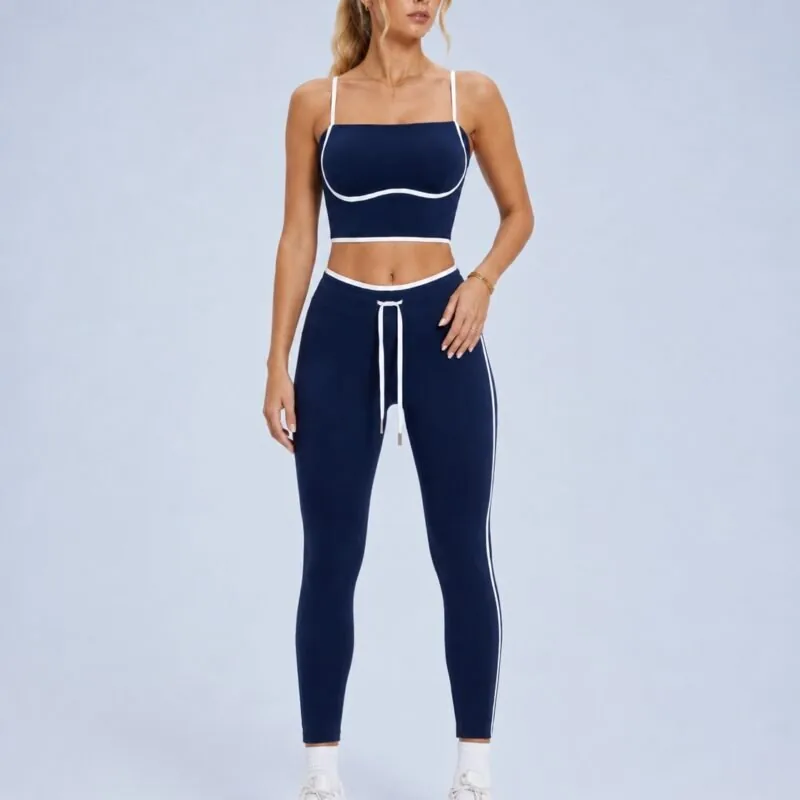
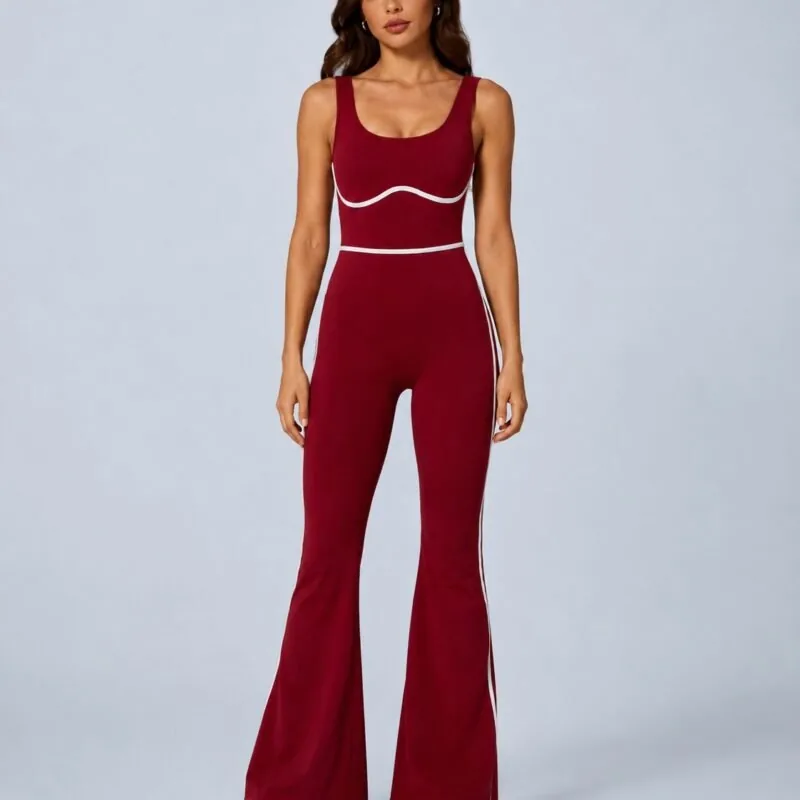
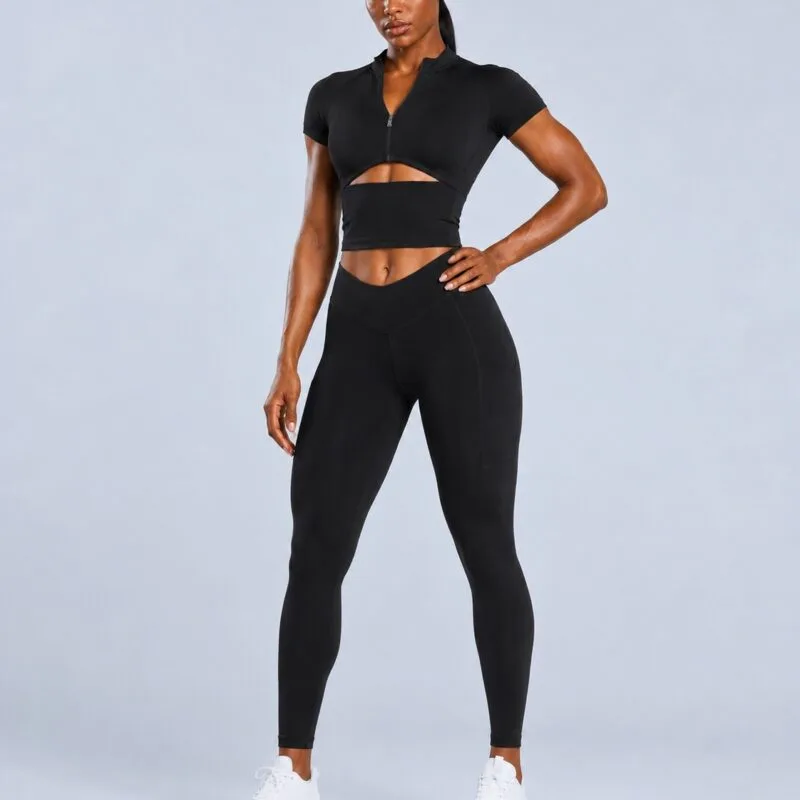
Fashion sits in an unusual legal spot. A great deal of what a garment is — its silhouette, its general construction, the fact that it is a high-waist legging with a crossover band — is functional or generic, and generally not protectable. That is why a whole category can share a look and why “dupes” of a style can exist at all.
But some things are firmly protected, and copying them is where brands get sued:
| Generally free to be inspired by | Never copy — this is infringement |
|---|---|
| General silhouette and cut | A brand’s logo, name or wordmark (trademark) |
| Functional features (waistband height, pocket placement) | A distinctive, recognisable trade dress (a signature look courts treat as a brand identifier) |
| Fabric type, colour, a category “look” | A patented technical feature or construction |
| A trend everyone is doing | A print, graphic or artwork (copyright) |
So the honest translation of “can I make a dupe?” is: you can make your own original piece inspired by a trend or a category; you cannot copy a specific brand’s logo, protected design, print or patent. One is how the entire fashion industry works. The other is counterfeiting.
How to build on the right side of it
The founders who win the “affordable alternative” game do not photocopy a hero product — they out-execute the category with their own identity:
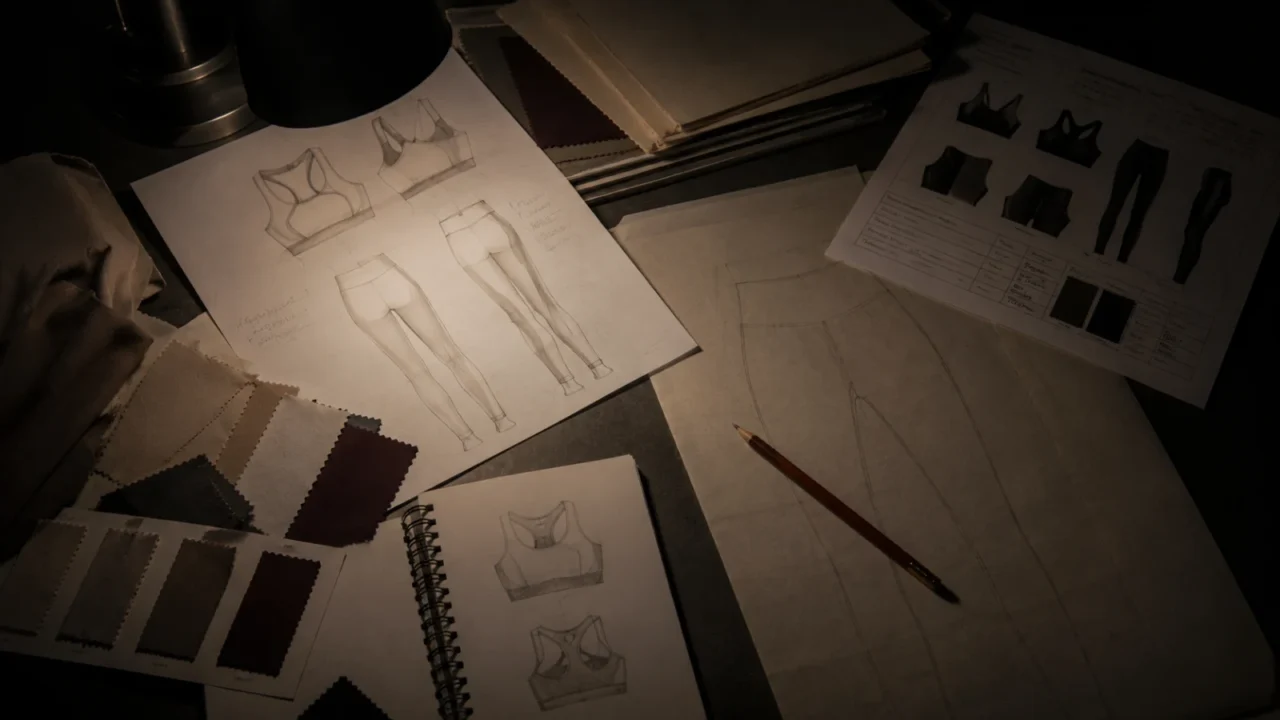
- Design your own version, from a brief. Bring the trend and the fit you want as inspiration; develop an original pattern and detailing. That is ODM/OEM development, and the output is yours, not a traced copy. A tech pack turns “like that but mine” into a producible spec.
- Put your own brand on it — properly. Your logo, your labels, your print method. Never reproduce anyone else’s mark; that is the fastest way to a cease-and-desist and a seized shipment.
- Compete on value the original left open. Better price, a size range the premium brand ignores, a colour they never dropped, a fabric weight that fits your customer. The gap in the market is usually not “the same thing cheaper” — it is “the thing they should have made.”
- Start focused. One or two heroes done as strong originals beats a rack of near-copies — how many styles to launch.
What a factory will — and will not — make
Here is where a serious manufacturer protects you from yourself. We develop original designs to your brief, matched to the trend and quality bar you are chasing. What we will not do is reproduce a protected design, copy a logo or trademark, or ship counterfeits — because that exposes you to legal action and us to liability, and because a copied product is a fragile business anyway.
The stronger play, and the one we are built for: take the inspiration, engineer your version — your fit, your fabric, your branding — and own it. That is private-label development done right. Custom development runs 300–500 pcs per style per colour; stock-plus-your-logo starts from 100 sets, so you can test an original hero without a warehouse.
The dupe economy rewards brands that give customers the look and value they want. It punishes the ones who cross into copying. Build on the first side and you have a business; build on the second and you have a liability with a shipping date.
Questions to ask before you produce an “alternative”
- Is my design an original pattern inspired by a trend, or a traced copy of a specific product?
- Am I reproducing anyone’s logo, wordmark, print or patented feature? (If yes — stop.)
- Where is my version actually better — price, sizing, colour, fabric — not just cheaper?
- Has qualified IP counsel reviewed anything I am unsure about?
FAQ
Is it legal to make a “Lululemon dupe” or an “Alo dupe”? It depends what you copy. Making your own original piece inspired by a trend or a general style is how fashion works and is broadly fine. Copying a specific brand’s logo, distinctive trade dress, patented feature or artwork is infringement. The safe path is an original design, your own branding — confirmed with IP counsel for your specific case. (General context, not legal advice.)
What is the difference between an “inspired-by” product and a knockoff? An inspired-by product shares a trend or category look but is your own original pattern and brand. A knockoff copies protected elements — a logo, a signature design, a print or a patent. The first is a legitimate business; the second is counterfeiting.
Can you copy a specific legging for me? No. We develop original designs to your brief — matched to the fit, trend and quality you want — but we do not reproduce protected designs or anyone’s branding. That protects your business as much as ours.
How do I make an affordable alternative that still sells? Compete where the original left a gap: price, an ignored size range, a colour they never made, a fabric that suits your customer. Out-execute the category with your own identity rather than trace a hero product.
What is the minimum to test an original hero piece? Stock-plus-your-logo starts from 100 sets; full-custom original development runs 300–500 pcs per style per colour. Enough to launch and prove an original without over-committing.
Have a trend you want to build your own version of? Send us the inspiration and your customer — we’ll develop an original, put your brand on it, and keep you on the right side of the line. Reply within 24 hours on weekdays.