PFAS in Yoga Wear: What It Is, What the Law Says, and the Honest Answer to “Are You Certified PFAS-Free?”
Since January 1, 2025, California and New York prohibit selling new apparel with intentionally added PFAS. Buyers have started asking every supplier the same question: “Are you certified PFAS-free?”
Here is the uncomfortable truth most suppliers won’t say out loud: there is no single “PFAS-free certificate” a garment factory can hold. Anyone who answers that question with a simple “yes, certified” is either confused about their own paperwork or hoping you are. This article explains what PFAS actually is, where it hides in activewear, what the law now requires — and what honest screening looks like instead of a certificate that doesn’t exist.
What PFAS is, in one paragraph
PFAS (per- and polyfluoroalkyl substances) are a family of thousands of synthetic “forever chemicals” — they don’t break down in the environment, they accumulate in the body, and they are linked to serious health concerns, including certain cancers. In textiles, they historically earned their place doing one thing brilliantly: repelling water, oil and stains.
How it gets into activewear — and why most yoga wear never needed it
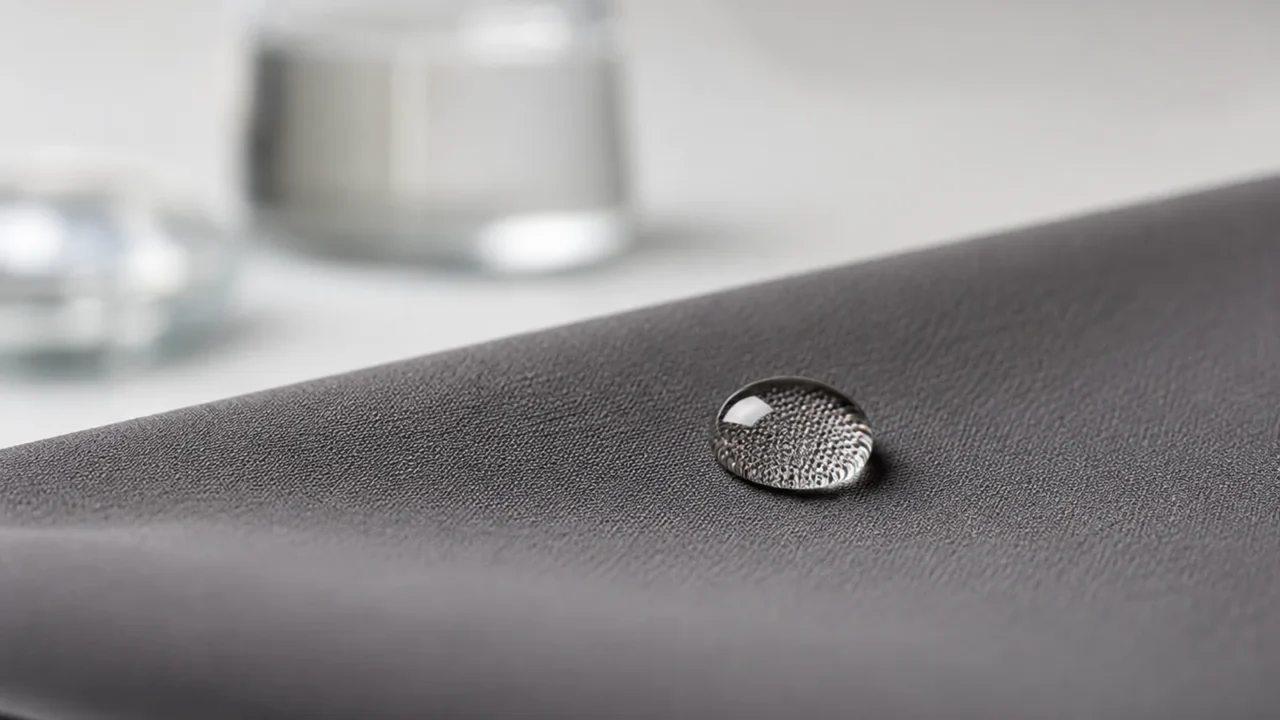
PFAS doesn’t grow on polyester. It arrives through finishing chemistry — mostly durable water repellent (DWR) treatments and stain-resistant coatings, and occasionally through contaminated processing aids at the mill.
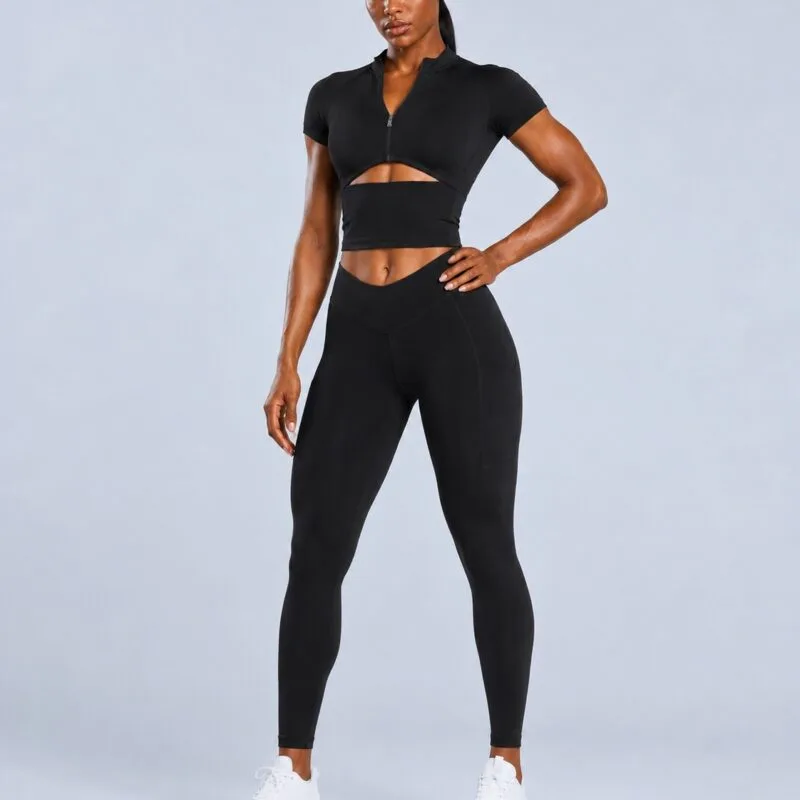
Here is the part that matters for your line: basic yoga wear has no functional need for PFAS chemistry. A legging doesn’t need a rain-shell finish. When PFAS shows up in everyday activewear — and independent testing has repeatedly found it in big-brand leggings and period underwear, triggering consumer lawsuits — it is usually there as an unexamined finishing choice, not a product requirement.
That is good news for buyers: for this category, the fix is not exotic chemistry. It is specifying untreated fabric and screening what the mill actually applies.
What the law now says (US first, EU next)
| Rule | What it requires | Timing |
|---|---|---|
| California AB 1817 | No intentionally added PFAS in new textiles; total organic fluorine ≤100 ppm | From Jan 1, 2025; tightens to 50 ppm in 2027 |
| New York apparel ban | No intentionally added PFAS in apparel | From Jan 1, 2025 |
| Outdoor severe-wet exception | Both states temporarily exempt severe-condition outdoor gear (with disclosure) | Until 2028 |
| EU | PFAS restrictions advancing through REACH; a broad restriction proposal is in process | Phasing in |
If you sell into California, note one more detail: sellers can ask their producer for a compliance certification that the item contains no regulated PFAS. Your supply chain needs to be able to back that statement up.
The honest answer we give buyers
When a brand asks us “are you PFAS-free certified?”, here is our real answer, in four parts:
1. We don’t hold a “PFAS-free certificate” — because none exists at the garment-factory level. What exists is fabric-level testing and finishing-level discipline.
2. Our default spec for yoga wear is untreated fabric. No DWR, no stain-repellent finish — the chemistry that carries PFAS into this category simply isn’t applied. Where a buyer wants water-repellency (outerwear, golf layers), we quote PFAS-free (C0) DWR alternatives explicitly, never silently.
3. Our OEKO-TEX® STANDARD 100 fabric options are tested against a total fluorine limit of 100 mg/kg (in force since January 2024). Two honest footnotes, because precision is the point of this article: OEKO-TEX itself states this is a total-fluorine limit, not a “PFAS-free” certification — and the certificates sit at fabric level, held where the testing happens. We show you the documentation per project; we don’t rebrand it as ours.
4. If your market requires proof, we arrange testing to your spec. Total organic fluorine (TOF) screening or targeted PFAS panels through accredited third-party labs, on your actual production fabric — not a generic swatch from a drawer. For California-bound programs, that is how a compliance statement gets real numbers behind it.
The bigger principle: screening beats logos
This is how we treat every “do you have X certificate?” question, not just PFAS. Some certificates we hold; many sit upstream with the mill or dye house, where the certified process actually happens. What we own is the screening: which mills get qualified, what declarations and test reports they must produce, and what gets re-verified when your order runs. If your brand has environmental or chemical requirements beyond our defaults — specific restricted-substance lists, recycled content, vegan trims, specific test protocols — we source fabric and trim suppliers against your requirement sheet and require the certificates from them.
A logo on our homepage would be easier to sell. Documentation tied to your actual order is worth more.
FAQ
Is PFAS banned in all activewear sold in the US? No — California and New York ban intentionally added PFAS in apparel from January 1, 2025, with a temporary exception for severe-condition outdoor gear. Other states are following with their own rules, which is why screening at the source beats chasing each law.
Does OEKO-TEX STANDARD 100 mean a fabric is PFAS-free? It means the certified article passed testing that, since January 2024, includes a total fluorine limit of 100 mg/kg and a ban on intentional PFAS use. OEKO-TEX explicitly does not market this as “PFAS-free” — and neither do we. It is strong screening, described honestly.
Can you test my specific order for PFAS? Yes — TOF screening or targeted PFAS testing through accredited labs, quoted per project on your production fabric.
Do moisture-wicking finishes contain PFAS? Wicking is usually achieved through fiber structure and non-fluorinated hydrophilic finishes — a different chemistry from water-repellent (DWR) treatments, which is where PFAS historically lived. See our wicking finishes guide for how the functional side works.
What should I put in my tech pack about PFAS? One line: “No intentionally added PFAS; finishing chemistry to be disclosed; TOF ≤100 ppm on request.” That sentence tells every factory you’ve read the law — and tells you a lot from how they respond.
Selling into California, New York or the EU? Send your requirement sheet — we’ll tell you honestly what’s screened by default, what needs testing, and what it costs. Reply within 24 hours on weekdays.