Trading Company vs Factory: How to Tell, and Why It Matters
Short answer: A factory makes your garments in-house; a trading company is a middleman that outsources production to factories you never see. Both can deliver — but a factory gives you factory-direct pricing, line-side quality control and clear accountability, while a trading company adds a margin and a layer between you and the people actually sewing your order. Here’s how to tell which you’re dealing with, and when each makes sense.
The core difference
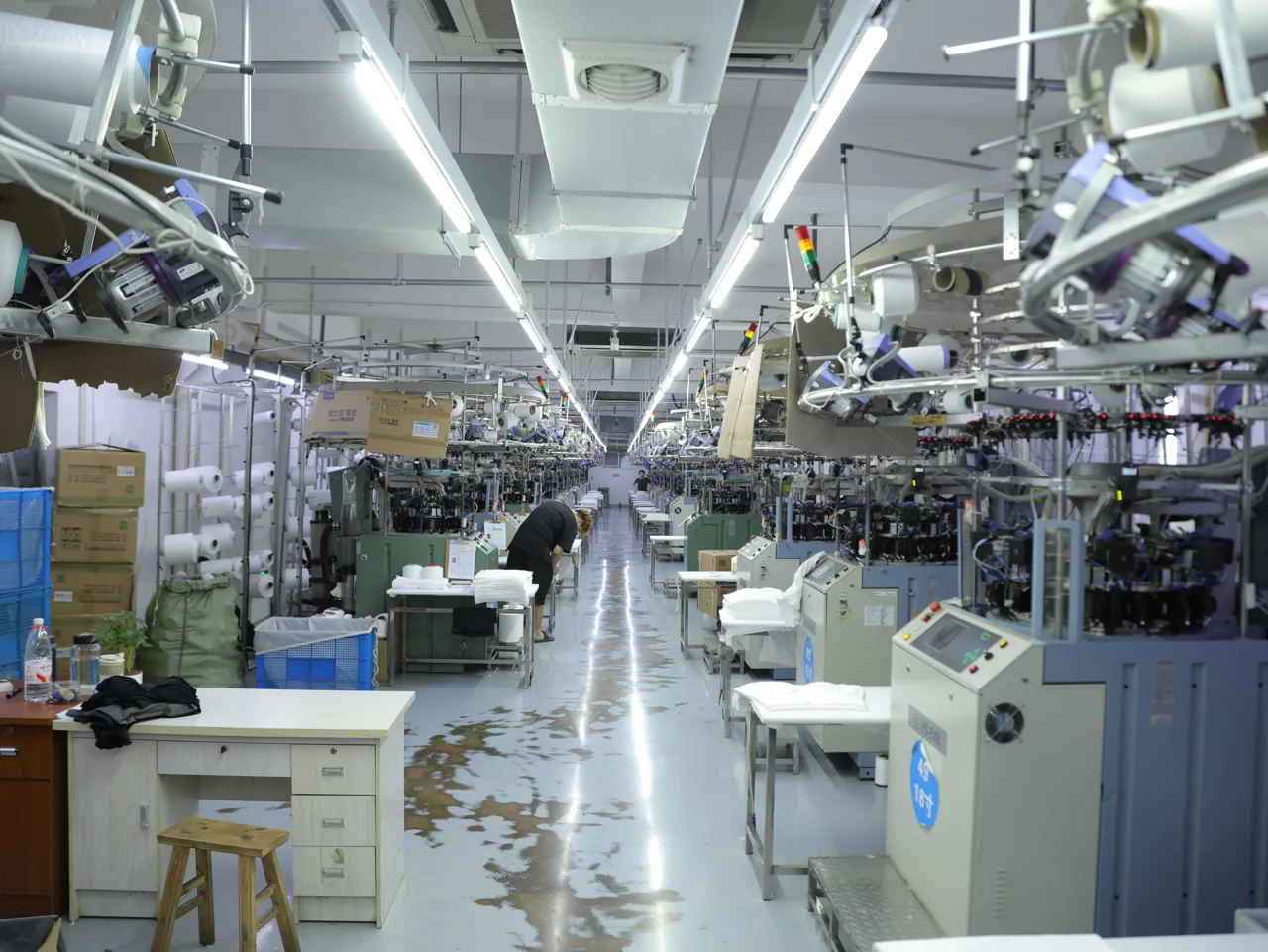
- Factory (manufacturer): owns production lines, patterns and QC; quotes factory-direct; controls quality on its own floor; exports under its own license.
- Trading company: sources and coordinates across multiple factories; doesn’t own the production; adds a service margin; quality depends on a factory you don’t choose or control.
Neither is “scam vs legit” — many trading companies are professional. The point is to know which one you’re paying, because it changes price, control and who’s accountable when something goes wrong.
Side-by-side
| Factory (e.g. YOUMEGA) | Trading company | |
|---|---|---|
| Owns production | Yes — two own facilities (Xiamen cut-and-sew + Yiwu seamless) | No — outsources to other factories |
| Price | Factory-direct, no middleman margin | Factory price + service margin |
| Quality control | Direct, line-side, AQL 2.5 | Relayed to an unknown factory |
| Accountability | One owner of the result | Split between trader and factory |
| Customs/export | Own export license | Often routes through a third party |
| Fix issues on the floor | Direct control | Depends on the subcontracted factory |
When a trading company can make sense
- You’re sourcing many different product types that no single factory makes (a trader aggregates them).
- You want one point of contact to manage a complex multi-category order and will pay for that convenience.
For a focused activewear line, though, a specialist factory usually wins on price, fit consistency and speed.
How to verify you’re talking to a factory
Ask for these — a real manufacturer can produce all of them quickly:
- Factory address (and a video walk-through or live video of the line).
- Export license in the manufacturer’s own name.
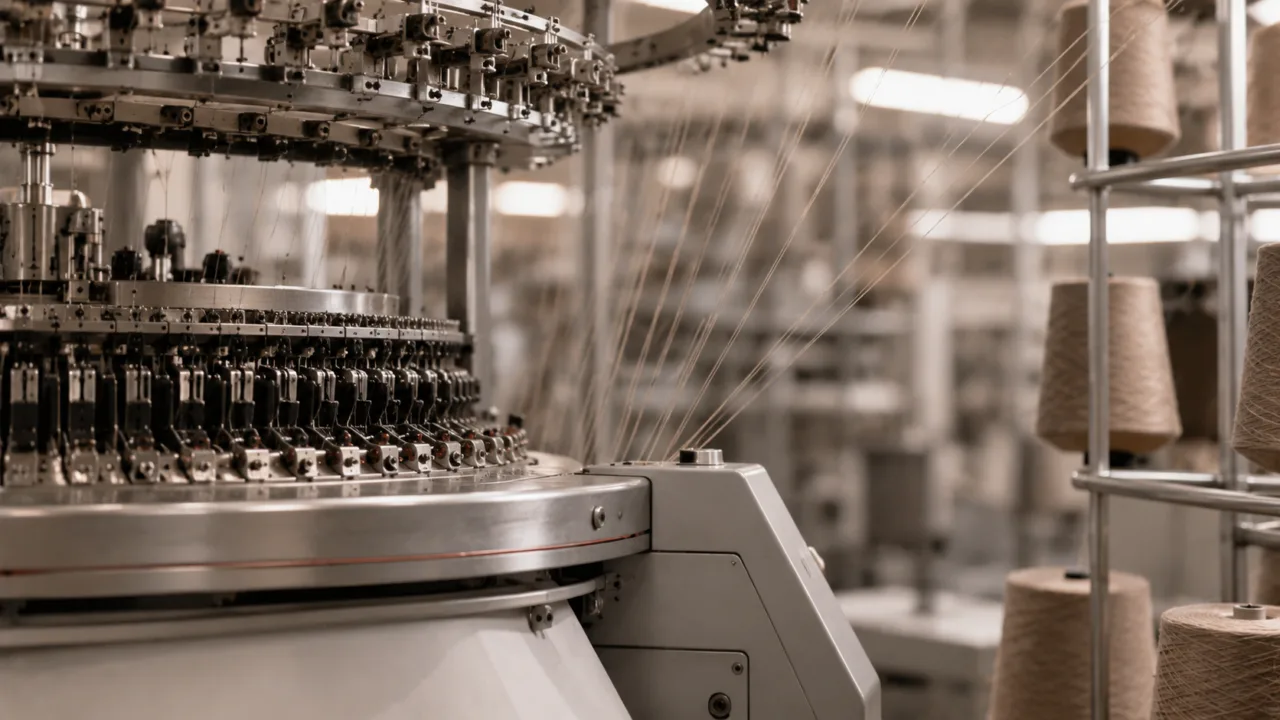
- The machines — e.g. for seamless, Santoni cylinder machines on site.
- In-house QC — how they run inspection (e.g. AQL 2.5, first-production-line check).
- Direct technical answers — a factory answers fabric/GSM/construction questions without “checking with the supplier.”
If answers are vague, slow, or always “let me confirm with the factory,” you’re likely talking to a middleman.
Why it matters for your margin and your brand
A middleman markup quietly raises your unit cost. Worse, when a quality issue appears — a fit drift, an off dye lot, a logo that fails after washes — a factory can fix it on its own line, while a trader has to negotiate with a factory it doesn’t own. Consistency batch to batch is what protects your margin (fewer returns) and your reputation.
FAQ
Is a factory always cheaper than a trading company?
Usually, because there’s no middleman margin — but verify it’s a real factory, not a trader claiming to be one.
How do I know if a supplier is a real factory?
Ask for the factory address, an export license in their name, a production-line video, and direct technical answers. A manufacturer can show all of these.
Is YOUMEGA a factory or a trading company?
A manufacturer — we run two of our own facilities (cut-and-sew in Xiamen, seamless in Yiwu) and export under our own license.
When should I use a trading company?
When you need many unrelated product types aggregated under one contact and will pay a margin for that convenience.
Talk to the factory directly
Send your styles or tech pack to [email protected] (or +86 156 0697 2725) — factory-direct answers, pricing and samples, no middleman.