What Drives the Cost of Manufacturing Activewear
Short answer: There’s no single “price per legging” — the unit cost is built from fabric, construction complexity, order quantity, custom dye, branding and finishing, plus sampling and landed cost (shipping + duties). Understanding these levers lets you design to a target price instead of being surprised by a quote. Below is the honest breakdown from a factory, and how to lower each line.
The cost is built from these levers
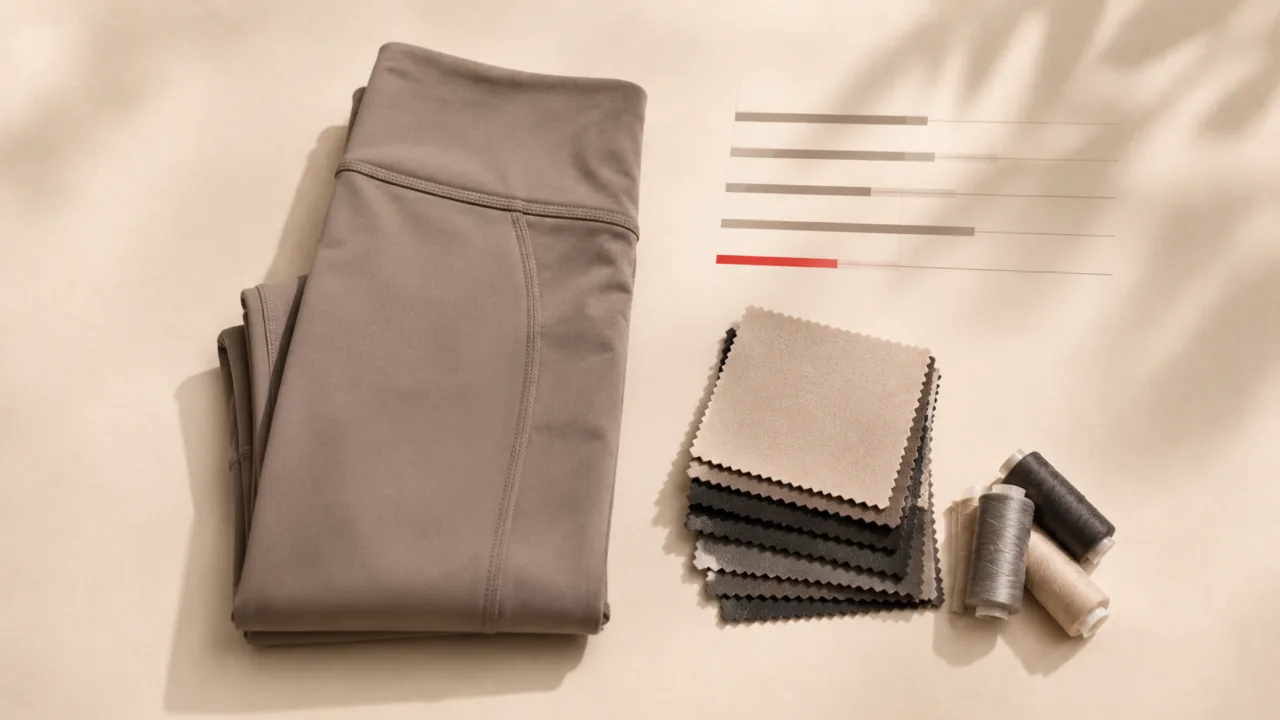
1. Fabric — usually the biggest single input. Weight (GSM), composition (e.g. four-way-stretch polyamide-elastane), and special finishes (squat-proof, moisture-wicking, recycled rPET/ECONYL) all move the price. Heavier, premium and recycled fabrics cost more.
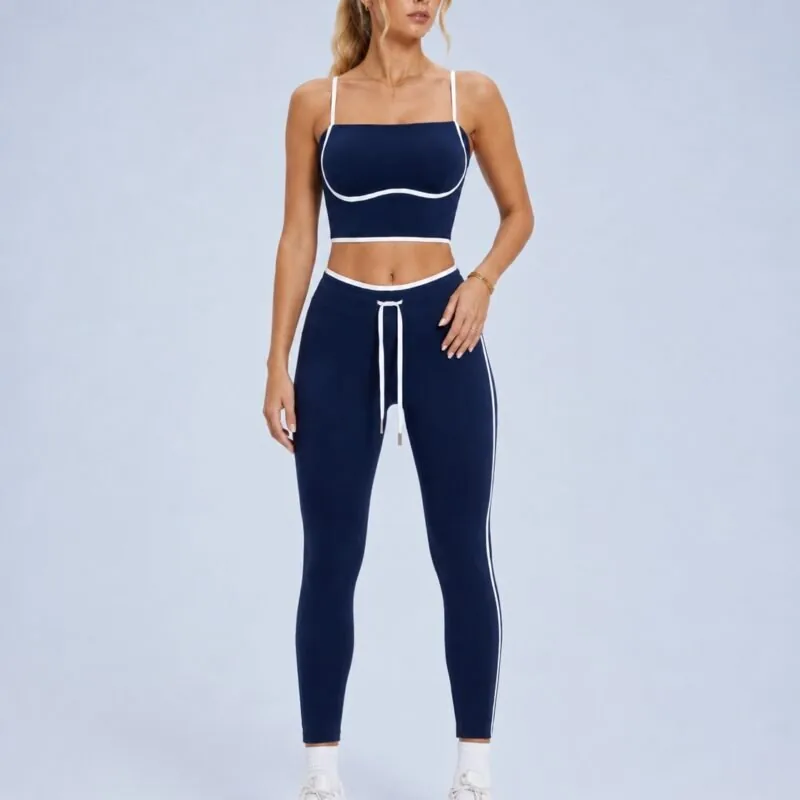
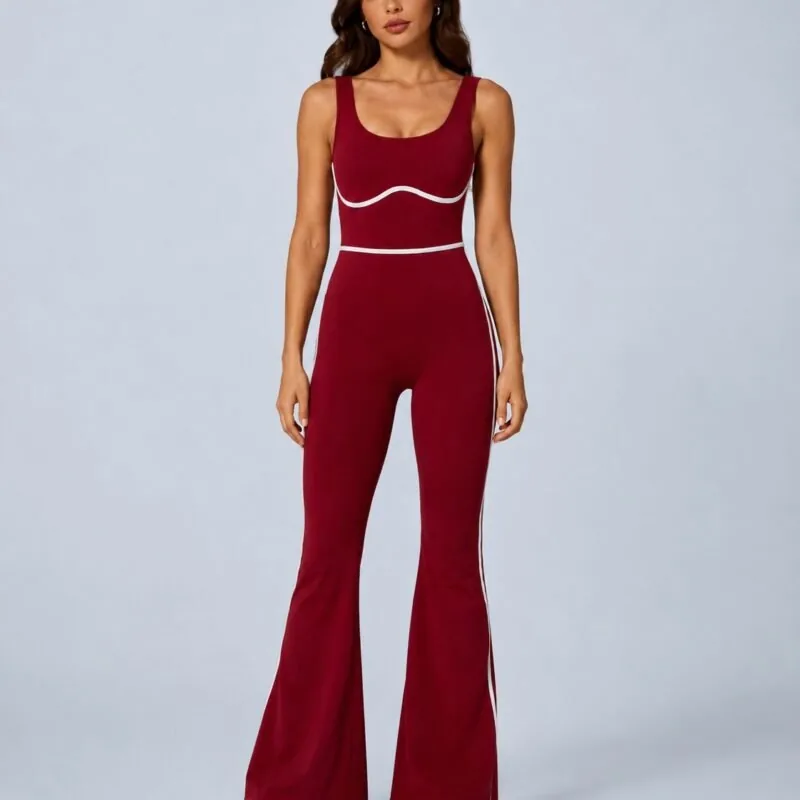
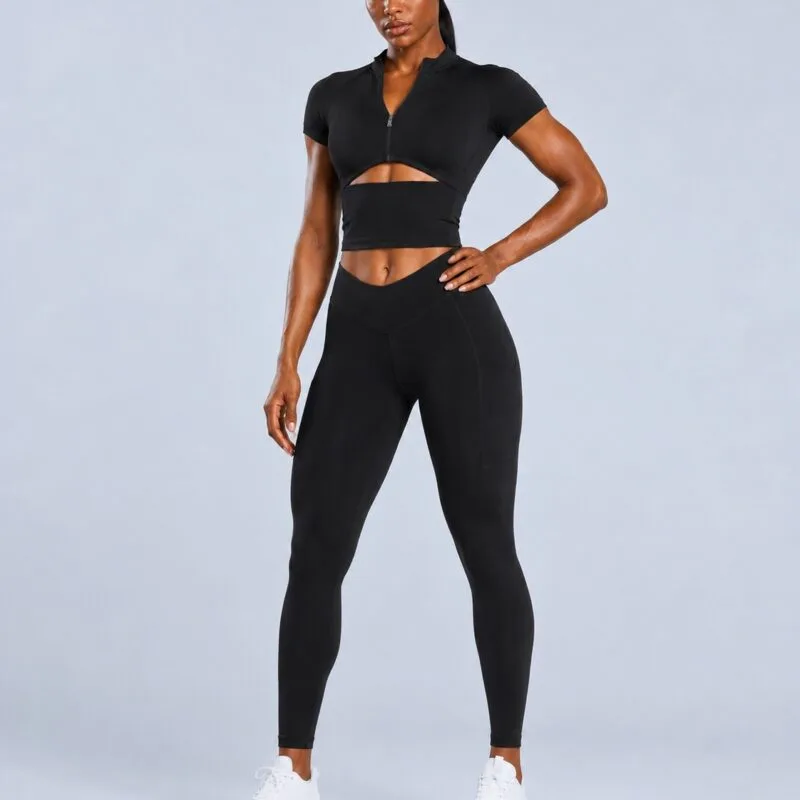
2. Construction & complexity — a simple legging is cheaper than a cut-and-sew set with color-blocking, pockets, or a 3-piece matching set. Seamless (knit) and cut-and-sew have different cost profiles; more panels, seams and trims = more labor.
3. Order quantity (MOQ & volume) — the single biggest lever you control. Per-unit cost drops as volume rises because setup, pattern and dye costs spread across more pieces. Stock-plus-logo from 100 sets keeps entry cost low; full custom (300–500 pcs per style per color) and larger runs lower the unit price.
4. Custom color / Pantone dye — custom dyeing adds a lab-dip and a dye-lot minimum (custom development, including custom Pantone, runs at 300–500 pcs per style per color). Using available stock colors is cheaper for a first drop.
5. Branding & finishing — embroidered vs printed logos, tagless heat-press interior labels, custom hangtags, polybags and branded mailers each add cost but make the product retail-ready and on-brand.
6. Sampling — a one-off sample costs more per piece than bulk (it’s hand-made). At YOUMEGA the sample fee is refundable against your bulk order, so it isn’t a true added cost once you scale.
7. Landed cost (don’t forget this) — your real cost isn’t the factory (FOB) price. Add freight (air vs sea), insurance, import duties and any customs brokerage to get your landed cost per unit. Incoterms (FOB, CIF, DDP) decide who pays which leg — clarify them in every quote.
How to bring your unit price down
- Consolidate styles/colors to hit volume breaks instead of spreading a small order thin.
- Start with stock fabrics and colors, add custom dye once you have sales.
- Simplify construction on v1 (fewer panels/trims), add complexity as margins allow.
- Order branding in the same run rather than reworking later.
- Pick the right Incoterm for your logistics setup to control landed cost.
Why “cheapest quote” is the wrong target
The lowest unit price often hides a higher real cost: inconsistent batches, returns from poor fit or opacity, or a trading-company markup on an unknown factory. Factory-direct production with AQL 2.5 inspection protects margin by keeping quality consistent batch to batch — fewer returns beats a few cents off the unit price.
FAQ
How much does it cost to manufacture leggings?
It depends on fabric weight, construction, quantity, custom color and branding — there’s no flat price. Send your spec or reference and target quantity for an accurate quote.
What’s the cheapest way to start?
Stock styles with your logo from 100 sets, in available colors and simple construction — then add custom fabric/color as you scale.
What is landed cost?
Your factory (FOB) price plus freight, insurance, duties and brokerage — the true per-unit cost delivered to you. Always budget landed, not just FOB.
Does a custom Pantone color cost more?
Yes — it adds a lab-dip and a dye-lot minimum (300–500 pcs per style per color). Stock colors are cheaper for a first run.
Get a real quote
Send your designs or tech pack and target quantity to [email protected] (or +86 156 0697 2725) — we’ll reply within 24 hours with fabric options, MOQ and a transparent quote (no hidden costs).