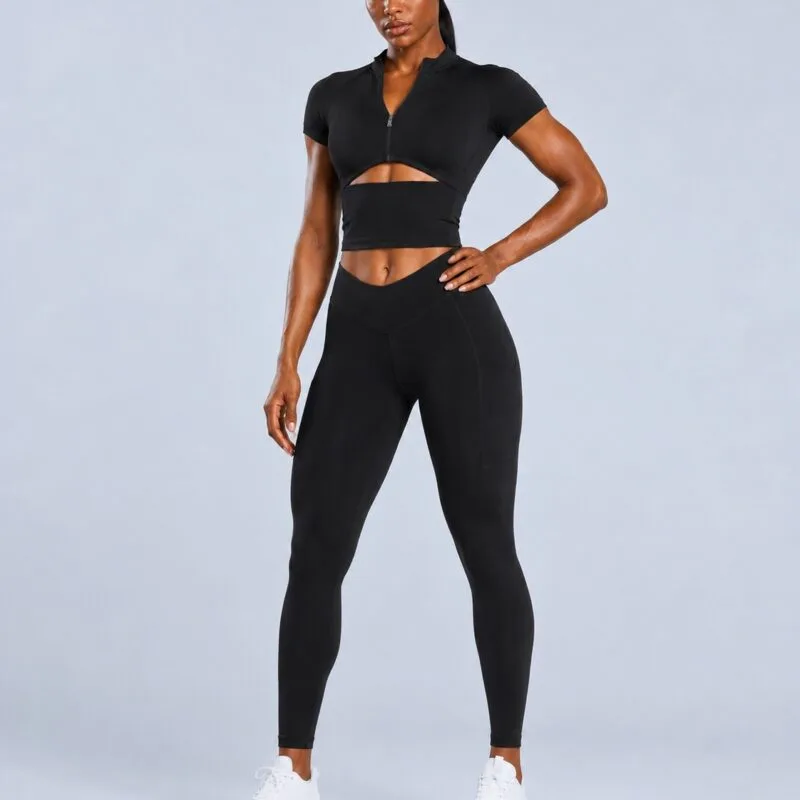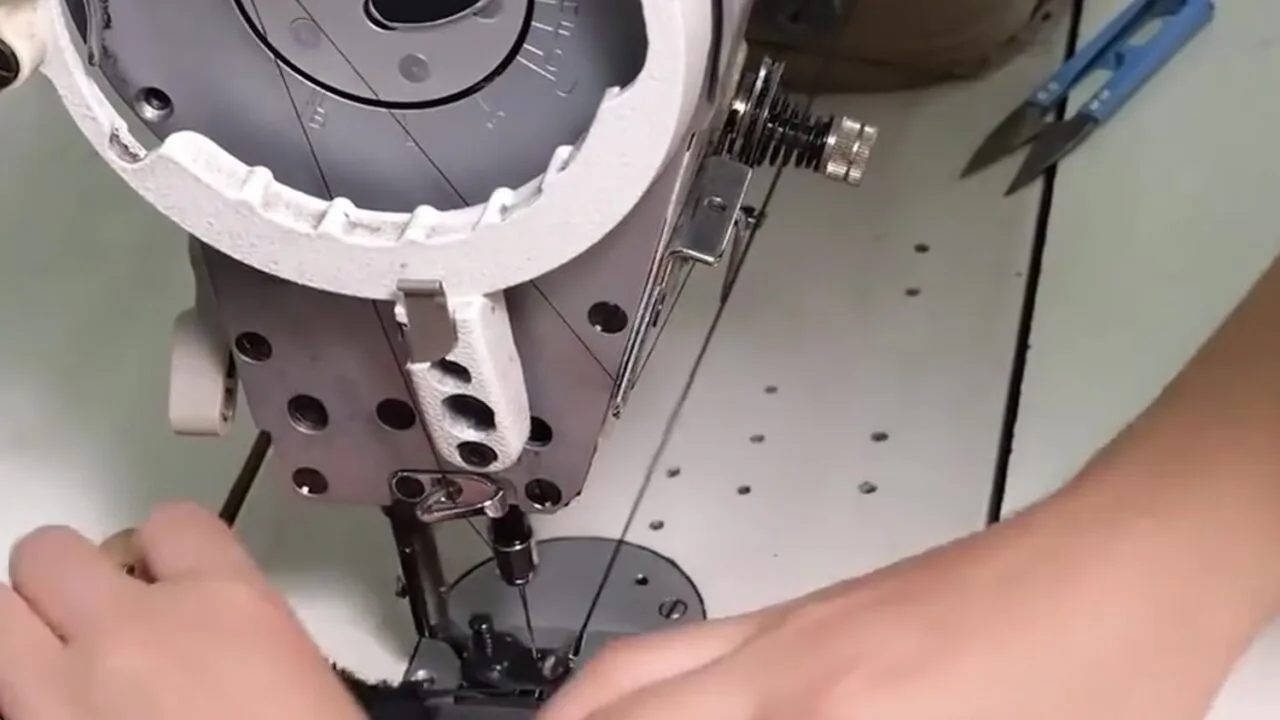
Flatlock vs Overlock Seams — Why Chafe-Free Stitching Matters in Activewear
At rest, you never notice a seam. At mile eight, or set fifteen, you notice exactly one: the raised ridge on the inner thigh, the seam under the arm, the band that saws at the ribs. The seam is where ordinary sportswear quietly becomes uncomfortable — and where real activewear is made or lost.
Most of that comes down to a single construction choice: flatlock or overlock.
What the two seams actually are
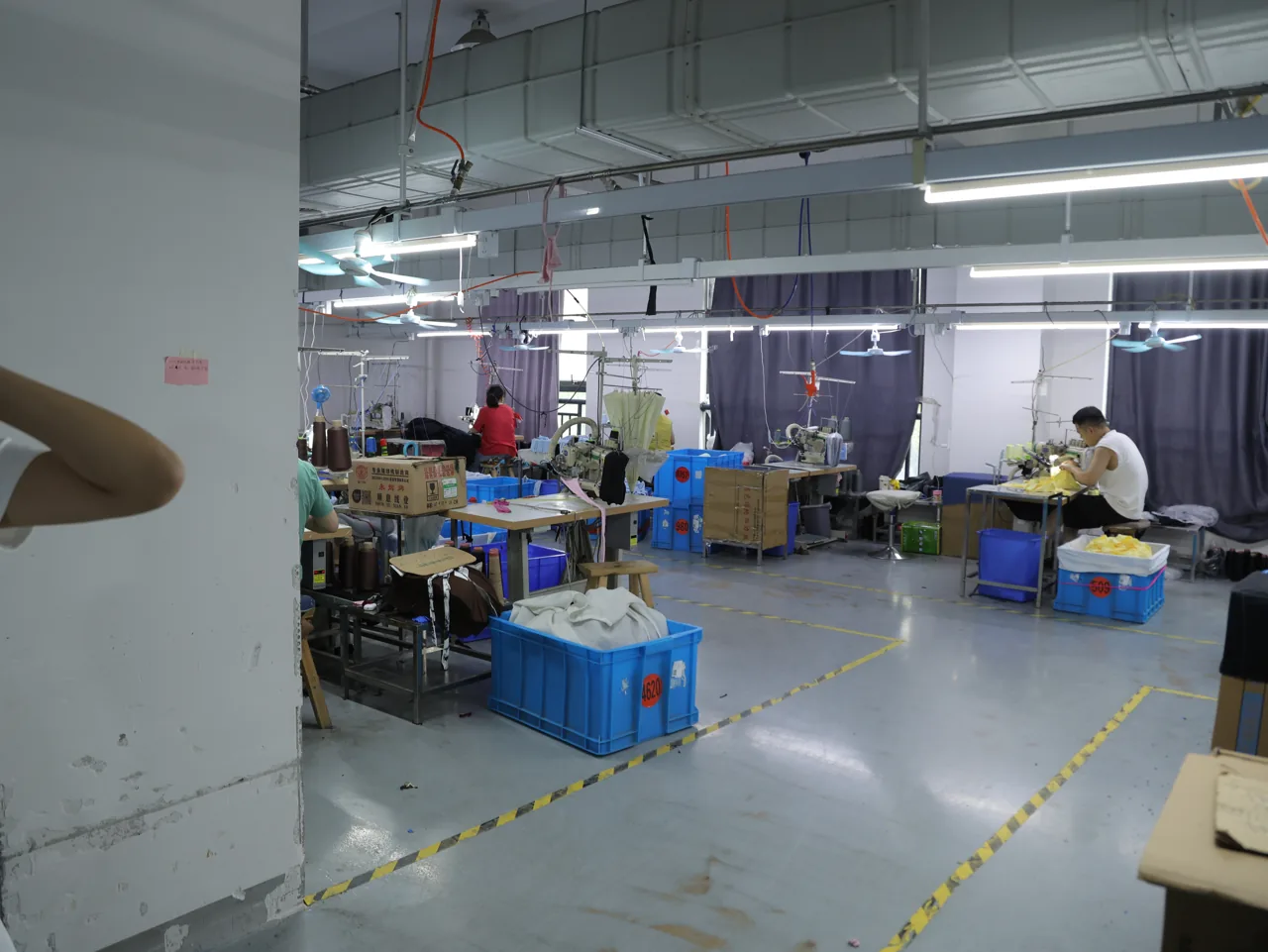
Overlock is the standard garment seam. It wraps the raw edges of two panels together with thread, then those panels fold to one side, leaving a small raised ridge on the inside. It’s fast, cheap, strong, and on the machine every factory already runs. For most clothing it’s completely fine.
Flatlock joins two panels edge to edge and stitches them flat, so there’s no fold and no ridge — the seam sits nearly level with the fabric on both sides, with the stitching interlocking across the join. Against the skin it’s smooth. It needs a specific machine, runs slower, and costs more.
Where the difference is felt
Flatlock earns its cost exactly where skin, sweat and friction meet a seam repeatedly:
- Inner thigh of leggings and shorts (the classic chafe zone)
- Underarm and side seams of tops
- Waistband join
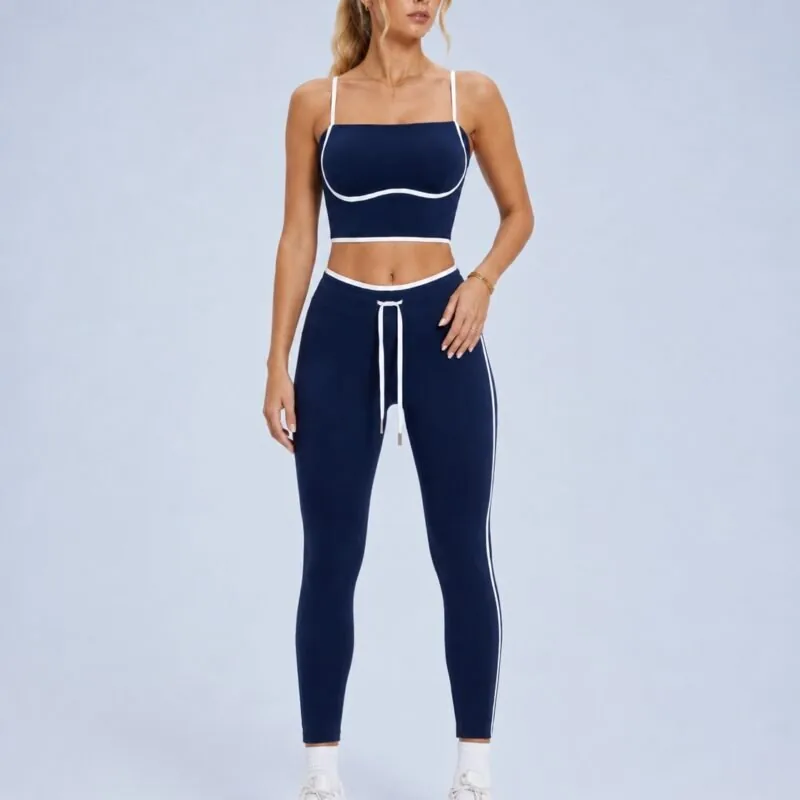
- Sports-bra band and strap seams
In those zones a raised overlock ridge plus sweat plus repetition equals chafing and hot-spots. A flatlock seam removes the ridge, so there’s far less to rub. That’s why performance, compression and next-to-skin pieces lean flatlock, and why a buyer can often tell a serious activewear factory by where it puts flatlock.
The trade-offs, honestly
Flatlock isn’t automatically “better” everywhere:
| Flatlock | Overlock | |
|---|---|---|
| Feel on skin | flat, chafe-free | small raised ridge |
| Look | athletic, visible stitch lines | clean, conventional |
| Speed / cost | slower, higher | fast, standard |
| Best for | performance, compression, next-to-skin | linings, non-contact seams, budget lines |
A well-built garment often uses both — flatlock where the body rubs, overlock where it doesn’t. Speccing flatlock on every seam of a low-price lounge set just adds cost the wearer won’t feel.
Flatlock vs seamless — not the same thing
People mix these up. Seamless knitting builds the garment tube with (almost) no seam at all — a different process, a different machine, a different look. Flatlock is a cut-and-sew seam done in the most skin-friendly way. Seamless removes the seam; flatlock makes the seam disappear against the skin. Both solve chafe; they’re different tools, at different price and design points.
What to check on your tech pack
- Call out which seams are flatlock (name the zones — inner thigh, underarm, waistband) rather than saying “flatlock” everywhere.
- Ask to feel a wear-tested sample — run or train in it, not just try it on.
- Confirm the factory actually has flatlock machines and isn’t quietly substituting overlock to hit a price.
FAQ
Is flatlock stronger than overlock? Both are strong. Flatlock’s advantage isn’t strength, it’s a flat, chafe-free feel against the skin plus a flexible, low-bulk join that moves with stretch fabric.
Does every activewear seam need flatlock? No. Use it in high-friction, next-to-skin zones. Elsewhere, overlock is fine and cheaper — over-speccing flatlock just adds cost.
Flatlock or seamless — which should I choose? Different tools. Seamless removes seams entirely (specialist knit); flatlock is a cut-and-sew seam made skin-friendly. Choose by your design, price and category, not by which sounds fancier.
How can I tell if a factory really does flatlock well? Feel the seam on a sample and stretch it — a good flatlock is smooth and flat under tension. Ask which specific seams they flatlock; a vague “all of them” is a flag.
At YOUMEGA we spec flatlock where it counts — the zones that rub — and overlock where it doesn’t, so you pay for comfort where the wearer feels it. Send us your styles and we’ll tell you honestly which seams we’d flatlock and which we wouldn’t. We reply within 24 hours.