Recycled Activewear Fabrics: rPET vs ECONYL (and What GRS Really Proves)
Short answer: The two workhorse recycled fabrics for activewear are rPET (recycled polyester, made from PET bottles) and ECONYL (regenerated nylon, made from waste like fishing nets and fabric scraps). Both can deliver comparable four-way stretch, recovery and moisture-wicking when spec’d right. The credibility difference isn’t the fiber name — it’s GRS chain-of-custody documentation that proves the recycled content is real. Here’s how to choose and how to launch a line buyers trust.
rPET — recycled polyester

- Made from: post-consumer PET (plastic bottles) reprocessed into polyester yarn.
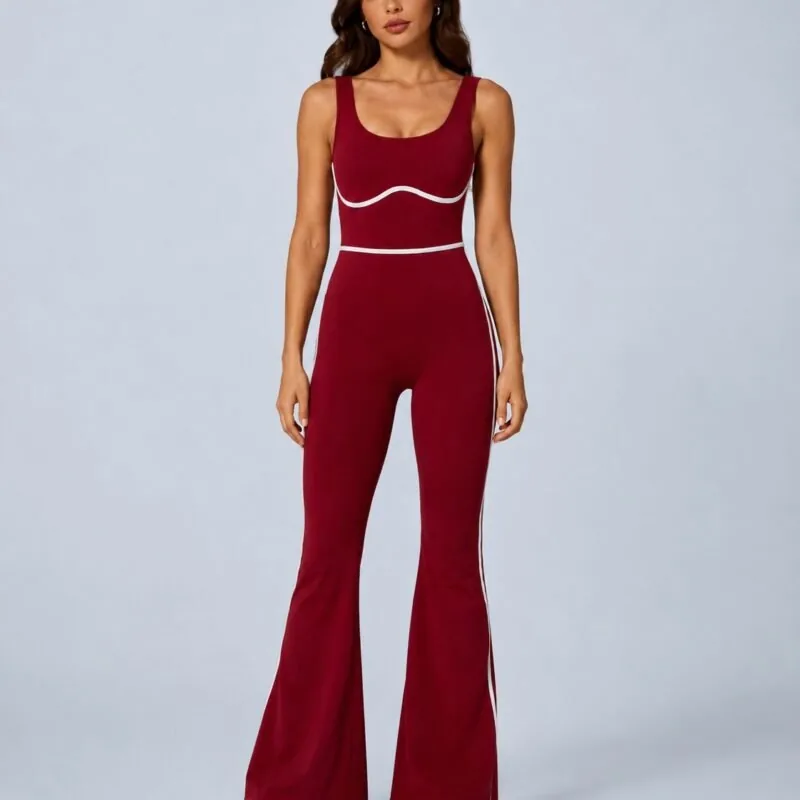
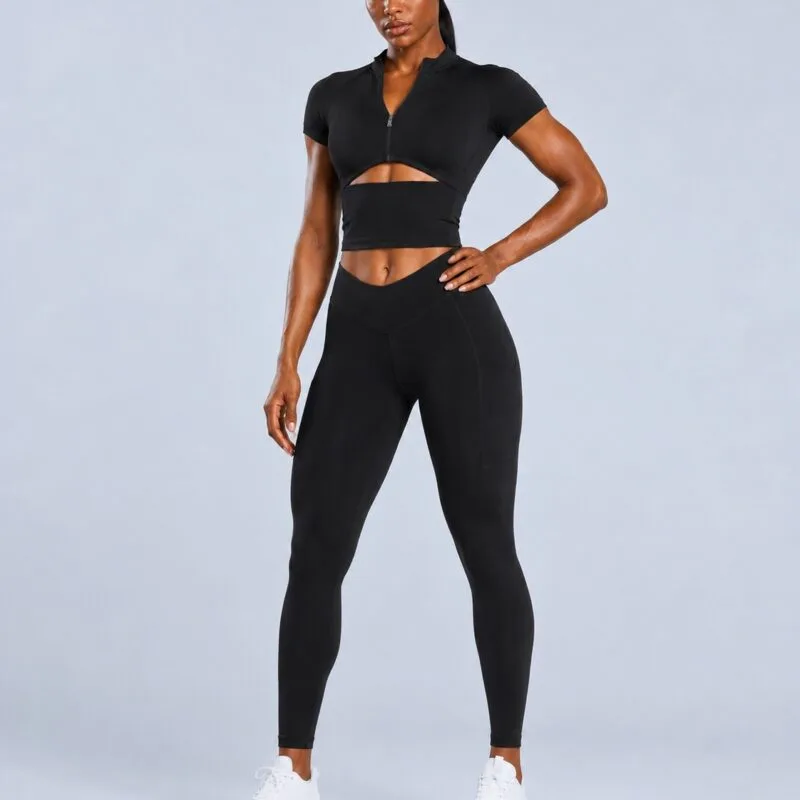
- Best for: leggings, tops, sets — the broad activewear range; pairs with elastane for stretch.
- Why brands pick it: widely available, cost-effective entry into recycled materials, strong performance.
ECONYL — regenerated nylon
- Made from: nylon waste (fishing nets, fabric scraps, industrial plastic) regenerated into new nylon.
- Best for: swimwear and premium compression pieces where a nylon hand-feel and durability matter.
- Why brands pick it: a recognized regenerated-nylon story and a soft, premium feel.
rPET vs ECONYL — quick comparison
| rPET (recycled polyester) | ECONYL (regenerated nylon) | |
|---|---|---|
| Source | Recycled PET bottles | Regenerated nylon waste (nets, scraps) |
| Typical use | Leggings, tops, sets | Swimwear, premium compression |
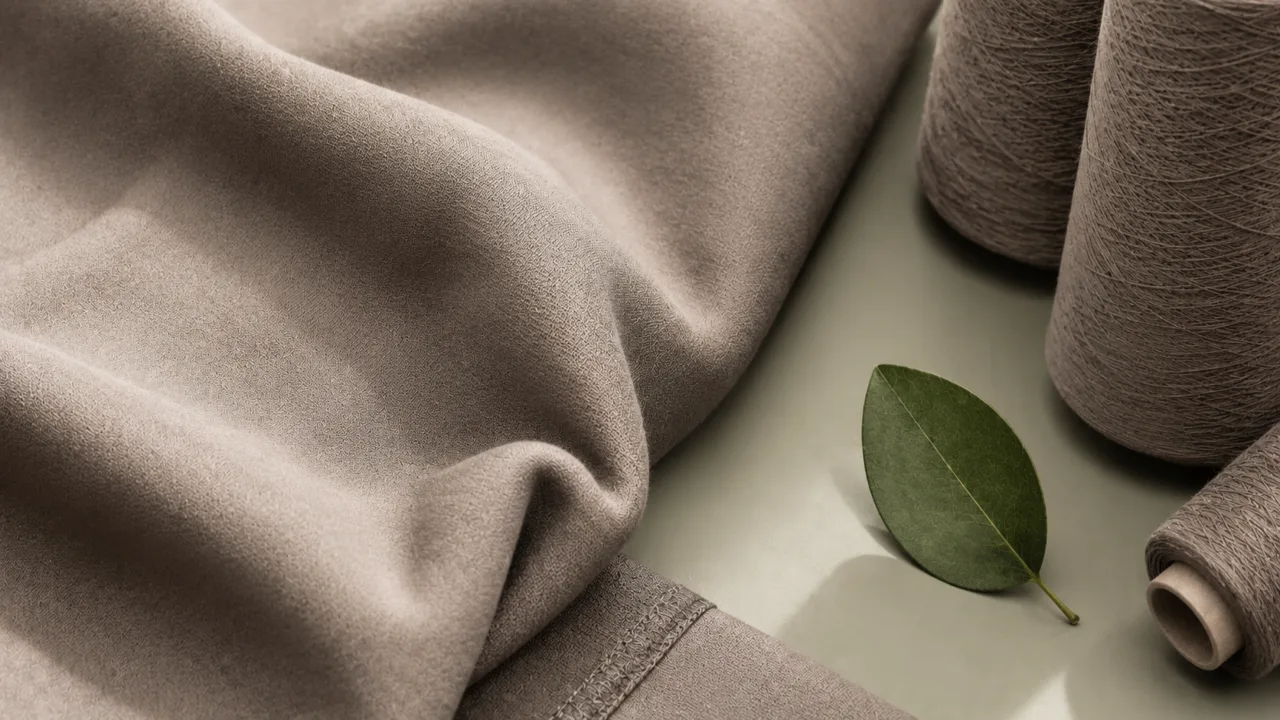
| Feel | Smooth, performance | Soft, premium nylon hand |
| Cost | More accessible | Premium |
| Pairs with | Elastane for four-way stretch | Elastane for four-way stretch |
Spec’d correctly, both deliver comparable stretch, recovery and moisture management to virgin equivalents — the right choice depends on product, feel and budget, not on one being “better.”
The part that actually matters: GRS
Anyone can say “made with recycled materials.” What separates a credible sustainable line from greenwashing is proof:
The certificate trail is easier to review with Scope vs Transaction Certificates.
- GRS (Global Recycled Standard) verifies recycled content with chain-of-custody documentation — a paper trail from recycled input to finished fabric.
- It lets you state the actual recycled-content %, not a vague claim.
- Pair it with OEKO-TEX Standard 100 (chemical safety) for a full credibility stack.
Ask your manufacturer for GRS chain-of-custody and the recycled-content percentage in writing before you order — if they can’t provide it, the “recycled” claim is just marketing.
Durability is sustainability
The most sustainable garment is one that lasts. A recycled fabric that bags out or goes sheer after a few washes isn’t green — it’s landfill sooner. Spec mid-weight, high-recovery knits and verify opacity with a worn stretch test, so your recycled line performs and endures.
How to launch a credible recycled line
For market-facing traceability planning, continue with preparing for the EU Digital Product Passport.
- For adjacent finish and print decisions, keep what to ask about PFAS in activewear and why all-over sublimation needs polyester with the material brief. >Pick the fiber by product (rPET for the core range, ECONYL for swim/premium).
- Require GRS chain-of-custody + the recycled-content %.
- Add OEKO-TEX Standard 100 for chemical safety.
- Spec for durability (weight, recovery, opacity).
- State only what you can document — buyers and regulators increasingly check.
FAQ
What’s the difference between rPET and ECONYL?
rPET is recycled polyester (from PET bottles); ECONYL is regenerated nylon (from nylon waste). rPET suits the broad activewear range; ECONYL suits swimwear and premium pieces.
Does recycled fabric perform as well as virgin?
Spec’d right, rPET and ECONYL deliver comparable four-way stretch, recovery and moisture-wicking — choose by product and feel.
What does GRS certification prove?
It verifies recycled content with chain-of-custody documentation, so you can state the real recycled-content percentage rather than a vague claim.
Can YOUMEGA make recycled activewear?
Yes — GRS-certified rPET and ECONYL with chain-of-custody, plus OEKO-TEX Standard 100. See our sustainable activewear manufacturing page.
Build your recycled line
Send your designs or fabric goals to [email protected] (or +86 156 0697 2725) — we’ll recommend rPET or ECONYL options with GRS documentation and a quote.