How to Find a Reliable Chinese Freight Forwarder — Vetting, Red Flags, and the Lowball Trap
Your production is done. The factory sends the final packing list and asks one small question: “Who’s your freight forwarder?” You have three quotes open in three tabs. One is almost half the others. And you genuinely can’t tell whether it’s a great deal or a trap that ends with surprise invoices after your goods have already sailed.
That question decides more of your landed cost than most founders expect. Here’s how to pick a forwarder who won’t cost you the savings you fought for at the factory.
What a freight forwarder actually does
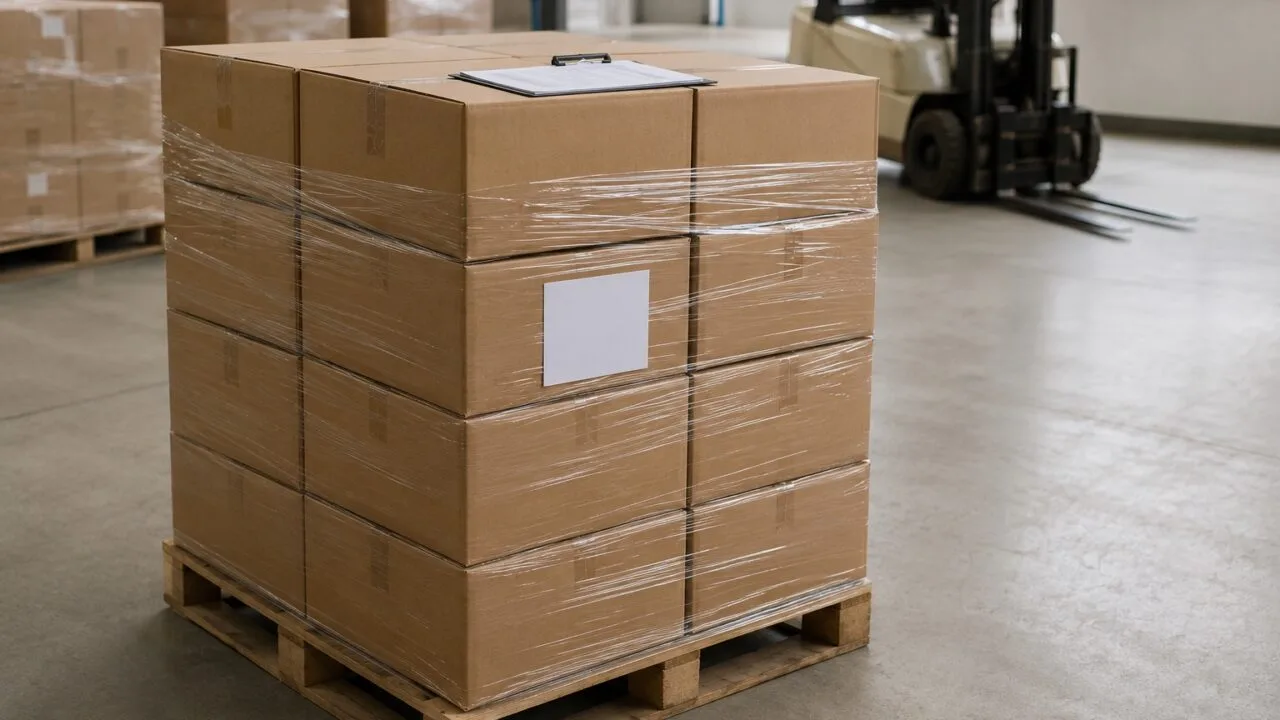
A freight forwarder (货代, huòdài) doesn’t own the ship or the plane. They’re your logistics project manager: they book space with carriers, consolidate small shipments, prepare and check export documents, and arrange the China-side export customs declaration. If you buy DDP, they also coordinate the destination leg — import customs, duties, and last-mile delivery to your door.
Some forwarders are NVOCCs (Non-Vessel Operating Common Carriers): they buy container space in bulk and issue their own house bill of lading. Others are pure brokers. Where relevant — most obviously for U.S. ocean imports — an NVOCC should be properly registered and bonded. You don’t need the biggest forwarder or a slick tracking portal to move a few hundred cartons. You need one who itemizes honestly and actually answers on your lane.
The factory’s forwarder, or your own?
Both are legitimate. A factory-nominated forwarder is convenient — they coordinate pickup at the factory door and often consolidate several of the factory’s shipments, which can genuinely lower cost. A forwarder you nominate gives you direct billing and control, and a relationship you keep across suppliers.
The honest part: a factory recommending a forwarder is not automatically a kickback. But you should always be able to put a second, independent quote next to it. If either side resists that comparison, that tells you something.
How to vet a forwarder before you commit
Three things separate a reliable forwarder from a cheap headline.
References on your lane. Ask for two or three references shipping similar goods — soft, bulky textiles — to your destination country. A forwarder who moves electronics to Germany isn’t the same as one who consolidates apparel to Los Angeles or Barcelona.
Transparency on chargeable weight. Soft goods bill on volume, not scale weight. A forwarder should be able to tell you the divisor (5,000 or 6,000 for air) and the CBM they’re using, and explain why. If they can’t, they’ve never thought about the number you’re paying — see our chargeable weight guide.
An itemized, all-in quote. This is the whole game, and it’s where the trap lives.
The lowball quote, and how the number really lands
The lowball pattern is simple: the forwarder leads with a very low ocean freight rate and stays quiet on everything stacked on top of it. Then the real invoices arrive — origin charges (terminal handling, documentation, telex release), and destination charges (terminal handling, security filings like ISF/AMS in the U.S. or EORI/VAT handling in the EU, customs clearance, chassis, delivery, and demurrage if it sits at the port).
| Same LCL shipment (illustrative) | Quote A “headline” | Quote B “all-in” |
|---|---|---|
| Ocean freight (the number they lead with) | very low | higher on paper |
| Origin charges (THC, docs, telex) | “extra” | included |
| Destination charges (THC, filings, clearance, delivery) | “extra — TBD” | included |
| Demurrage / detention risk | unmentioned | flagged, with free-time stated |
| What you actually pay, landed | often ends up higher | what it says |
(Ranges are illustrative; the exact gap depends on your lane, volume, and destination.) The lesson isn’t “cheap quote bad.” It’s that a headline rate you can’t compare is not a price — it’s an opening move.
Red flags at the quote stage
- A number far below everyone else, with no itemization behind it.
- Vague or missing destination charges — the fees that land after your goods arrive.
- Any nudge to under-declare value or mis-classify your HS code to save duty. On a DDP or importer-of-record basis, that liability lands on you, not them.
- Only a verbal quote over chat, never anything written.
- Can’t name the actual carrier, or explain the house vs. master bill of lading.
- A DDP price that’s suspiciously cheap — sometimes it means they plan to skimp on the duties you’re legally on the hook for.
- Pressure for a fast deposit before the numbers are clear.
Read a freight quote like a factory does
- Get it in writing, both itemized and all-in to your door.
- Confirm the Incoterm and who is the importer of record — this decides who clears customs and pays duty. Our FOB/CIF/DDP guide breaks it down.
- Ask the divisor and CBM they used, so chargeable weight isn’t a surprise.
- Ask, in writing, “What is not included?” — the answer is the whole audit.
- Ask for references on your exact lane, and check duty and clearance basics for your country in our importing guide.
- Never agree to under-declaring value. The saving is small; the exposure is yours.
Reading a forwarder’s quote is the same discipline as comparing supplier quotes: line them up apples-to-apples, or you’re not comparing prices at all.
FAQ
Should I use the factory’s forwarder or my own? Either works. Get a comparable all-in quote both ways and pick on total landed cost and communication — not on the headline ocean rate.
What’s an NVOCC, and do I need one? An NVOCC buys carrier space in bulk and issues its own bill of lading. You don’t strictly need one, but where relevant — U.S. ocean imports especially — the party handling your cargo should be properly registered and bonded.
Why is the cheapest freight quote usually not the cheapest? Because it often quotes only ocean freight and leaves origin and destination charges off. Once terminal handling, clearance, and delivery stack up, the “cheap” quote frequently lands higher.
Who’s responsible if customs holds my shipment? It depends on your Incoterm and who is the importer of record. Under DDP the forwarder side coordinates it; under FOB or CIF, clearance and duty are on you. Settle this in writing before you ship.
At YOUMEGA we hand off at the factory door, and we’re glad to work with the forwarder you nominate or point you toward ones other brands have shipped with. Send us your destination, your Incoterm, and a packing list, and we’ll tell you honestly what your shipment should weigh chargeable and where a forwarder’s number is likely hiding a surprise. We reply within 24 hours.