How to Design Your Own Leggings: The 8 Decisions a Factory Needs From You
Short answer: Designing your own leggings starts with eight decisions: fabric, rise and waistband, length, seams and gusset, pockets, fit and size range, colours, and branding. You do not need a finished tech pack to start a development discussion. A reference pair or sketches can show the direction; before a factory cuts a sample, agree in writing on measurements, materials, construction and the required sample documents. At YOUMEGA a sample takes 7 days for a stock style with your logo, 10–15 days for an OEM development sample, and about 7–10 days for an ODM development sample, not counting design preparation.
The eight decisions
| # | Decision | Main options | What it changes | The common mistake | Read more |
|---|---|---|---|---|---|
| 1 | Fabric | Nylon–spandex or polyester–spandex; brushed or smooth; weight to confirm by style | Can affect feel, hold, drying and price | Choosing from a swatch alone, without a sewn sample | Compare fabric swatches and samples |
| 2 | Rise and waistband | Mid, high or extra-high rise; single or double layer; with or without elastic or a drawcord | Whether they stay up | A tall waistband without the construction to hold it | Waistband construction |
| 3 | Length | Full length, 7/8, capri, bike shorts | Proportion, fabric use, cost | Fixing one inseam and forgetting that length is graded across sizes too | Size grading |
| 4 | Seams and gusset | Front seam or none; gusset shape; flatlock or overlock | Comfort, how the front looks | A centre-front seam where customers expect a clean front | Front seams and gussets |
| 5 | Pockets | None, side-thigh, waistband, hidden key pocket | Usefulness, panel stability | A pocket on a high-stretch panel with nothing stabilising it | Pocket construction |
| 6 | Fit and size range | Compression level; XS–XL or wider; petite and tall lengths | Who can buy them | Grading a small sample straight up to large sizes | Inclusive sizing |
| 7 | Colours | Stock colours, or custom colours matched to a Pantone reference | Brand look, minimum order | Approving colour on a screen instead of on the actual fabric | Pantone colour matching |
| 8 | Branding | Heat transfer, silicone, embroidery, sublimation; discuss labels and packaging separately | Recognition, durability | A logo that crosses a seam | Five logo methods compared |
Why the order matters
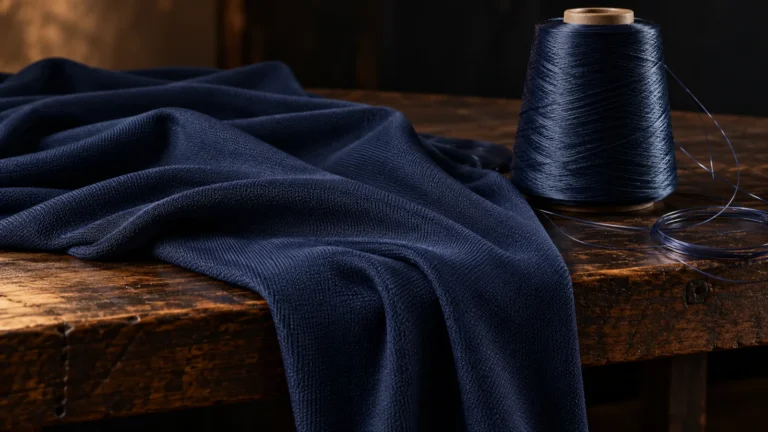
Fabric comes first because it affects the pattern, waistband and pocket design. Single, double and warp knits are possible constructions; compare sewn samples for stretch, recovery, opacity and pocket stability instead of assuming a structure will perform the same across yarns and finishes. Fabric also affects printing: conventional dye-sublimation is generally selected for white or light-coloured polyester or predominantly polyester fabric. Confirm the print method and result on the actual material.
Rise and waistband come next because their fit and construction affect whether the leggings stay up. Colour and branding can be considered alongside these decisions, but their final placement should be checked on the chosen fabric and sample.
Stock style with your logo, or fully custom?
There are two routes to "your own leggings", and they differ in what you decide, how much you order, and how long it takes.
| Stock style with your logo | Fully custom (OEM/ODM) | |
|---|---|---|
| What you decide | Available stock colour and logo; ask separately whether the chosen style supports custom labels or packaging and what minimum applies | All eight decisions, subject to the approved specification |
| Minimum order | 100 sets, with mixed colours and sizes | 300–500 pieces per style per colour |
| Sample | 7 days | OEM sample from your tech pack: 10–15 days. ODM sample built on our base designs: about 7–10 days, not counting design preparation |
| Bulk production | 20–25 days | 30–35 days |
Bulk times run from order confirmation until the goods leave the factory; shipping is additional. Check our current lead times page for the applicable route. A brand may start with a stock style and consider full customization after testing demand. For changes that make a stock style look like yours, see seven ways to make a style yours, ranked by minimum order. If the two routes are still blurred, what factories mean by OEM and ODM sets out the difference. Confirm the scope of work in your own quotation.
What to send a factory for a first sample
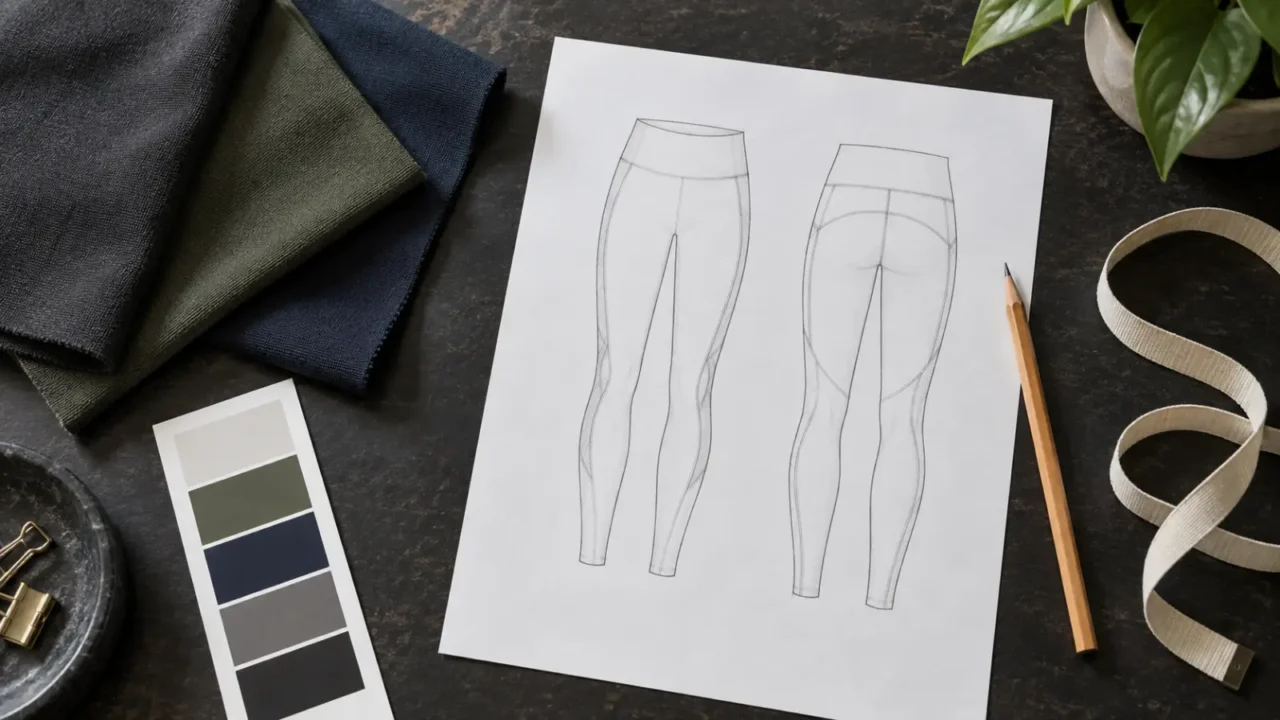
You can begin the discussion without a finished tech pack. A reference sample or sketches can communicate the direction, but the factory and buyer still need to confirm measurements, fabric, construction and sample requirements in writing before cutting. Start with:
- Your own or authorized reference pair, or clear photos, with a note of what you want changed.
- The intended use: yoga, training, running or everyday. This helps shortlist fabrics for sample testing; it does not determine one fabric automatically.
- Rise, length and any pockets.
- Your size range.
- Colours — stock colours, or Pantone TCX references for custom colours.
- Logo files and where the logo should go.
- Quantity per style per colour, and your target retail price.
Our tech-pack guide shows how to turn those answers into a sample brief.
What we do with your answers at the factory
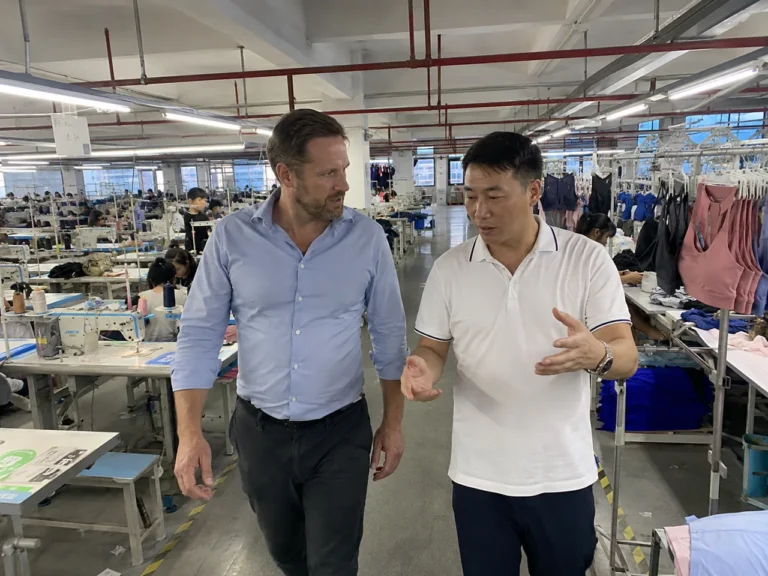
Your eight answers inform the pattern brief, fabric shortlist and colour standard. Agree on a base size and how the pattern will be graded across the range, because a length change in that size affects the other sizes too. Confirm custom colour on the actual fabric rather than relying on a screen image: use a physical Pantone reference and agree on the lab-dip approval process before bulk dyeing. If you choose an available stock colour, a new lab dip is not part of that route. Custom Pantone dyeing starts at 300–500 pieces per style per colour. Adjustments to the original sample are free; major changes are charged again, which is a practical reason to settle these decisions before sampling. Finished goods are inspected in house to AQL 2.5.
Details that look good on paper and fail in production
These details need a fit and construction check before you approve a leggings sample:
- Colour-block seams that meet on high-stretch curves, such as over the seat.
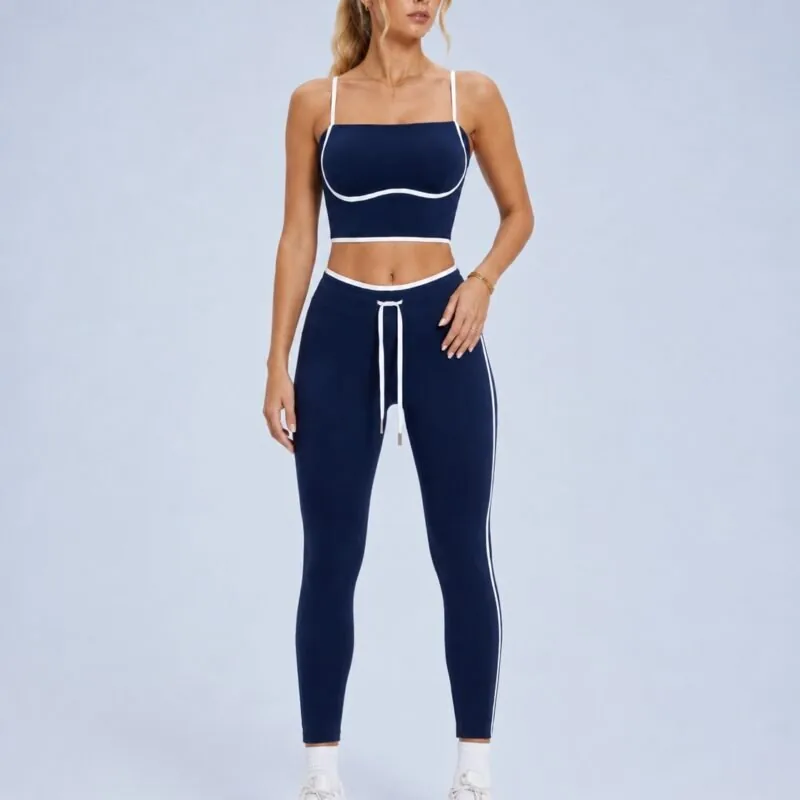
- Narrow strips and piping, which may twist or ripple as the surrounding fabric stretches.
- Pockets on high-stretch panels with nothing stabilising them.
- Logos and prints that cross a seam.
- Two fabrics with different stretch sewn into one line.
Each detail may need a construction adjustment after fit and wear checks.
How many samples to expect
Allow time to review fit and construction; the number of rounds depends on the design and what the first sample reveals. Agree which proto, fit, size-set or pre-production samples your order needs and what each approval covers. See the sampling process for the stages.
Labels, and protecting your design
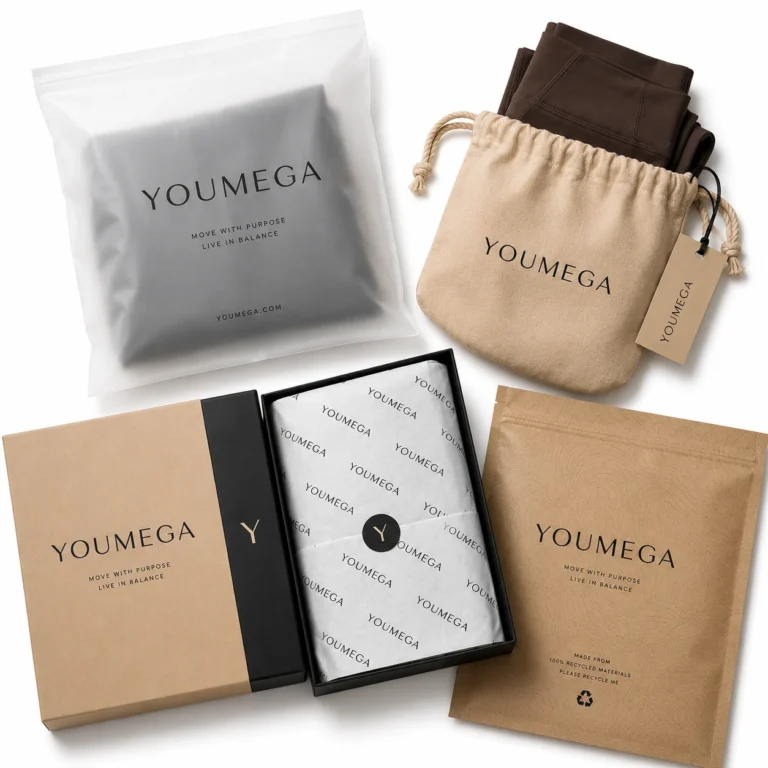
Use only design references you own or are authorized to use; a market sample alone does not give you design or trademark rights. Our design-reference guide is not a legal clearance of your reference. Check the fibre-labelling rules of the market you sell in before labels are woven; US generic names such as nylon, polyester and spandex are defined in 16 CFR 303.7.
FAQ
Can I design my own leggings without a tech pack? You can start a discussion with an authorized reference pair or sketches and answers on fabric, rise, length, seams, pockets, sizes, colours and branding. Before cutting, confirm the base-size measurements, materials, construction and sample brief with the factory. The agreed specification then becomes the reference for sample approval and bulk.
What is the minimum order to make my own leggings? At YOUMEGA, a stock style with your logo starts at 100 sets, with mixed colours and sizes allowed. A fully custom design or custom Pantone colour has a 300–500-piece minimum per style per colour, depending on the product. Custom labels and packaging need separate availability and minimum-order confirmation for the chosen stock style.
How long does it take to make my own leggings? A sample takes 7 days for a stock style with your logo, 10–15 days for an OEM sample made from your own tech pack, and about 7–10 days for an ODM sample built on our base designs, not counting design preparation. Bulk production then takes 20–25 days or 30–35 days respectively, from order confirmation until the goods leave the factory. Shipping is additional.
How much does it cost to make my own leggings? Fabric, quantity and construction affect a project-specific quote; a fibre name alone does not establish the price. See activewear manufacturing cost for the questions to ask, then confirm the chosen specification and quantity with the factory.
How many sizes and colours should I launch with? Base the range on your customer measurements, demand estimate and stock risk. An available stock colour does not necessarily require a new lab dip; custom colour approval should be agreed for the chosen fabric. Plan your size ratio and colour split with our first-order guide.
Have a reference pair and a rough idea? Send us photos and the use, and we will tell you which of the eight decisions still need an answer before sampling.
Sources
- 16 CFR 303.7, generic names and definitions for manufactured fibres (2025 CFR edition, US Government Publishing Office): https://www.govinfo.gov/content/pkg/CFR-2025-title16-vol1/pdf/CFR-2025-title16-vol1-sec303-7.pdf
- Epson, A Digital-Printing Primer (conventional dye-sublimation fabric selection): https://blog.epson.com/a-digital-printing-primer/
- Pantone, Fashion, Home + Interiors cotton swatch card (TCX cotton standards, 2,801 colours, spectral data): https://www.pantone.com/products/fashion-home-interiors/cotton-swatch-card