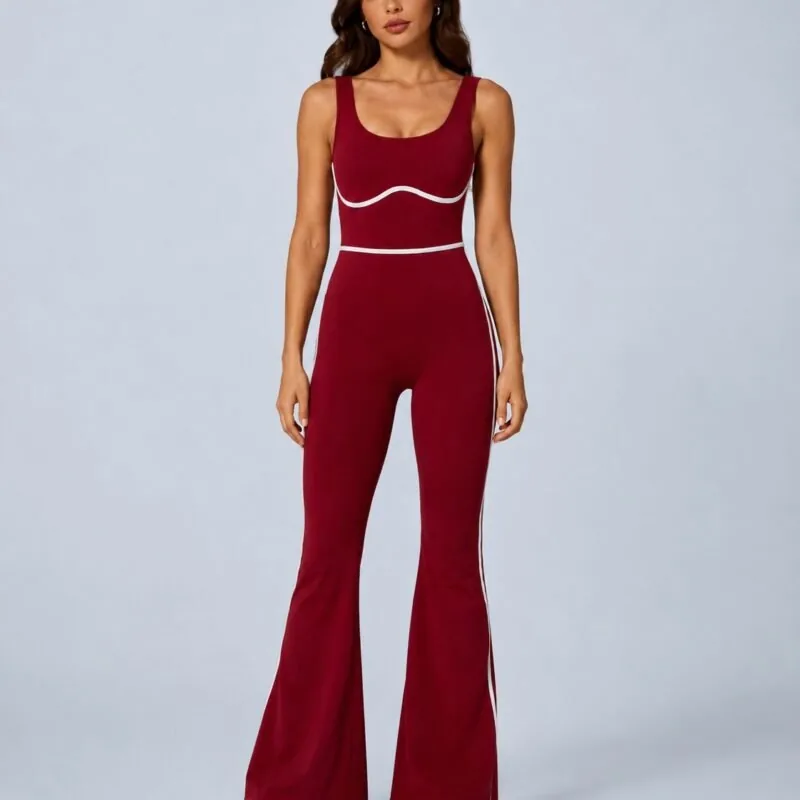
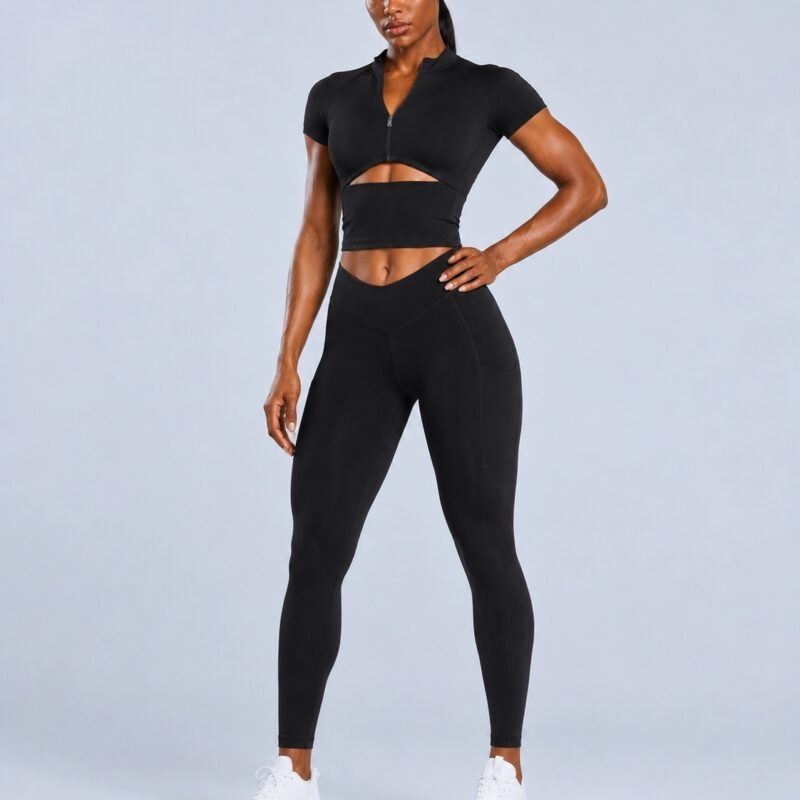
La cotización más barata casi nunca es el pedido más barato. En sourcing de activewear, el proveedor que cotiza 8% menos por pieza suele costar 15% más cuando empaque, QC, cargos por logo y flete urgente aparecen en la factura final. Comparar cotizaciones bien toma 30 minutos — y es una de las habilidades más rentables que puede tener una marca pequeña.
Comparar solo por precio unitario es de las formas más rápidas de elegir al proveedor equivocado. Esta guía cubre qué revisar en cada cotización y cómo detectar las red flags que no aparecen en la línea de precio.
Lista de 10 puntos para comparar cotizaciones
Imprime esto. Llénalo para cada proveedor. La fábrica que califica completa y consistente en los 10 puntos casi siempre es la mejor opción — aunque su precio por pieza sea 5–10% más alto.
| # | Punto | Qué buscar | Omisión común |
|---|---|---|---|
| 1 | Precio unitario (USD) | Por pieza o por set, claramente indicado | Unidad no especificada |
| 2 | Estructura de MOQ | Por estilo / color / set, mezclable o no | “100 pcs” sin desglose |
| 3 | Especificación de tela | Composición % + GSM + tipo de tejido | “Alta calidad” sin números |
| 4 | Costo de muestra | Monto + reembolsable + revisiones gratis | Política de reembolso ausente |
| 5 | Método de logo | Print, bordado, heat-transfer, silicona — ¿incluido? | Logo tratado como extra vago |
| 6 | Empaque | Polybag, hangtag, caja — incluido o extra | Solo polybag, sin labels |
| 7 | Lead time de muestra | Días desde confirmación hasta envío | “Pronto” / “ASAP” |
| 8 | Lead time de producción | Días desde depósito hasta FOB-ready | Sin buffer de Año Nuevo chino |
| 9 | Incoterm | EXW / FOB / CIF / DDP claramente nombrado | Solo “ex-factory” |
| 10 | Términos de pago | % de depósito + disparador del balance | “100% antes del envío” sin QC |
El lenguaje de MOQ y la tela pueden engañar
“MOQ 300 pcs” y “MOQ 100 sets” no significan lo mismo. Pregunta si el MOQ es por estilo, color, talla o set, y si las tallas se mezclan. Para primeras colecciones esto importa más que el número titular — y el MOQ mixto tiene su propia matemática (revisa el costo oculto de pedidos mixed-MOQ).
Para tela: “alta calidad” no es spec. Una cotización útil te da composición, GSM (ver nuestra guía GSM), tipo de tejido y si es brushed. El costo típico de muestra con logo personalizado va de $30–80 por pieza, con 1–2 revisiones gratis y reembolso contra pedidos bulk de más de 300 pcs. Cualquier cosa fuera de ese rango merece pregunta. Lead times realistas para 300–1000 pcs van entre 30–45 días, más 7–14 días extra alrededor del Año Nuevo chino.
Incoterms: guía rápida
El mismo precio por pieza significa totales muy distintos según el incoterm:
| Incoterm | Quién paga qué | Mejor para |
|---|---|---|
| EXW | Comprador organiza todo desde la puerta de la fábrica | Compradores con su propio freight forwarder |
| FOB | Proveedor entrega al puerto de origen; comprador paga flete + impuestos | Default B2B de activewear |
| CIF | Proveedor paga flete + seguro al puerto destino; comprador paga impuestos | Costo de envío predecible |
| DDP | Proveedor paga todo puerta a puerta incluyendo impuestos | Pedidos pequeños sin experiencia de importación |
“$10/pc FOB Xiamen” no es comparable con “$12/pc DDP tu bodega”. Normaliza antes de decidir.
Pago, tipo de proveedor y red flags
El estándar para OEM de activewear es 30% de depósito + 70% balance contra copia de B/L en pedidos bajo $20,000 con proveedor nuevo. 100% antes de producción es inusual y concentra el riesgo en ti. Una fábrica directa cotiza el precio por pieza más bajo pero MOQ más estricto; una trading cotiza 5–15% más caro pero combina varios estilos; un agente cobra 3–8% de comisión pero maneja QC y comunicación.
| Lo que ves | Lo que suele significar | Qué hacer |
|---|---|---|
| “Mejor precio, contáctanos” sin desglose | Sin estructura de costos estandarizada | Pedir cotización línea por línea |
| Costo de muestra 5x más alto que pares | Padding para desalentar inquiries | Confirmar reembolso por escrito |
| 15 días de producción para 500+ pcs | Irreal — probablemente con atajos | Preguntar qué paso saltarán |
| 100% T/T antes de producción | Cash-flow estresado o riesgo de scam | Negociar 30/70 o retirarse |
| Respuesta 7+ días después del inquiry | Baja prioridad o ventas con poco personal | Esperar producción también lenta |
| Sin mención de QC | QC no está integrado al flujo | Insistir en cláusula AQL |
Reflexión final
La mejor cotización es la que te da el camino más claro de inquiry a pedido repetido. Mira estructura, detalle y honestidad — no solo precio. Una fábrica que responde los 10 puntos completos en la primera respuesta señala algo importante: opera su negocio como opera sus cotizaciones. La calidad de comunicación durante el quoting suele predecir la calidad de comunicación durante la producción.
¿Quieres que nuestro equipo revise tu proyecto?
Envíanos tu imagen de referencia, cantidad objetivo y timeline. Respondemos en 24 horas hábiles — en inglés, español o chino — con opciones de tela, MOQ, lead time y desglose transparente. MOQ desde 100 sets, colores y tallas mezclados.
Preguntas frecuentes
¿Cuál es un costo de muestra justo para activewear?
Para estilos en stock con logo personalizado, $30–80 por pieza. Para OEM full custom puede ser mayor. Un proveedor confiable reembolsa el costo contra el pedido bulk.
¿Cuál es la diferencia entre FOB, EXW y DDP?
EXW: comprador recoge en fábrica. FOB: proveedor entrega al puerto de origen; comprador paga flete e impuestos — default B2B. DDP: proveedor paga todo puerta a puerta, usualmente 10–25% más caro.
¿Son seguros los términos 30%/70% para un primer pedido?
Sí. 30% depósito antes de producción y 70% contra copia de B/L es el estándar para pedidos bajo $20,000 con proveedor nuevo. Ten cuidado con quienes piden 100% antes de producción o sin etapa de QC.
¿Cuál es la diferencia entre fábrica, trading y agente?
Fábrica directa: precio más bajo, MOQ más estricto. Trading: 5–15% más cara, combina estilos de varias fábricas. Agente: 3–8% de comisión, maneja QC y comunicación por ti. Elige según tamaño de pedido y cuánta gestión quieras hacer.
Preguntas frecuentes para compradores
¿Por qué es difícil comparar cotizaciones activewear?
Porque cada proveedor puede incluir diferente tela, MOQ, política de muestras, empaque, método de logo y término de envío. Un precio bajo puede ocultar costes posteriores.
¿Qué comparar además del precio unitario?
Compara composición, GSM, MOQ por color, costo de muestra, revisiones, lead time, estándar QC, empaque, pagos e incoterms. Todos deben cotizar bajo los mismos supuestos.
¿Cuándo conviene descartar una cotización?
Descártala si el proveedor no confirma especificaciones de tela, evita controles sample-to-bulk, usa MOQ vago o no explica qué está incluido en el precio.