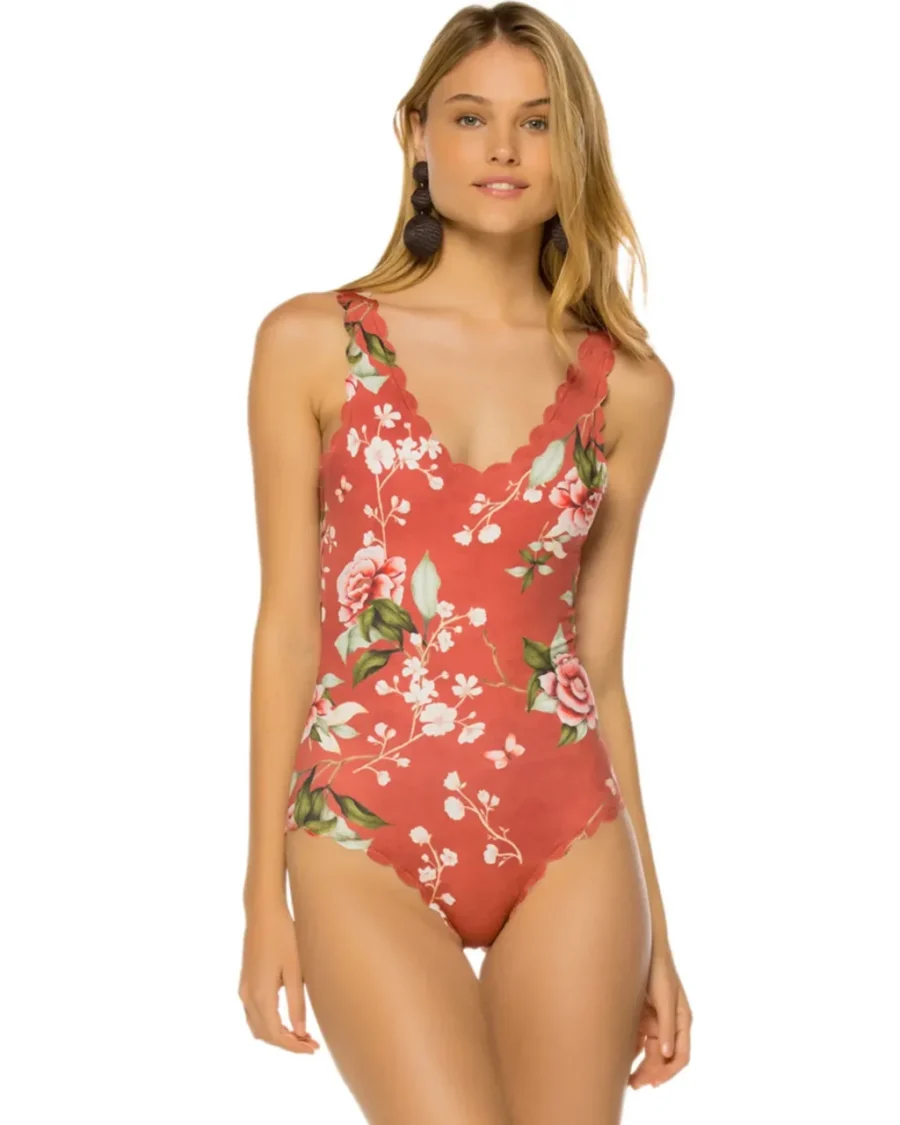
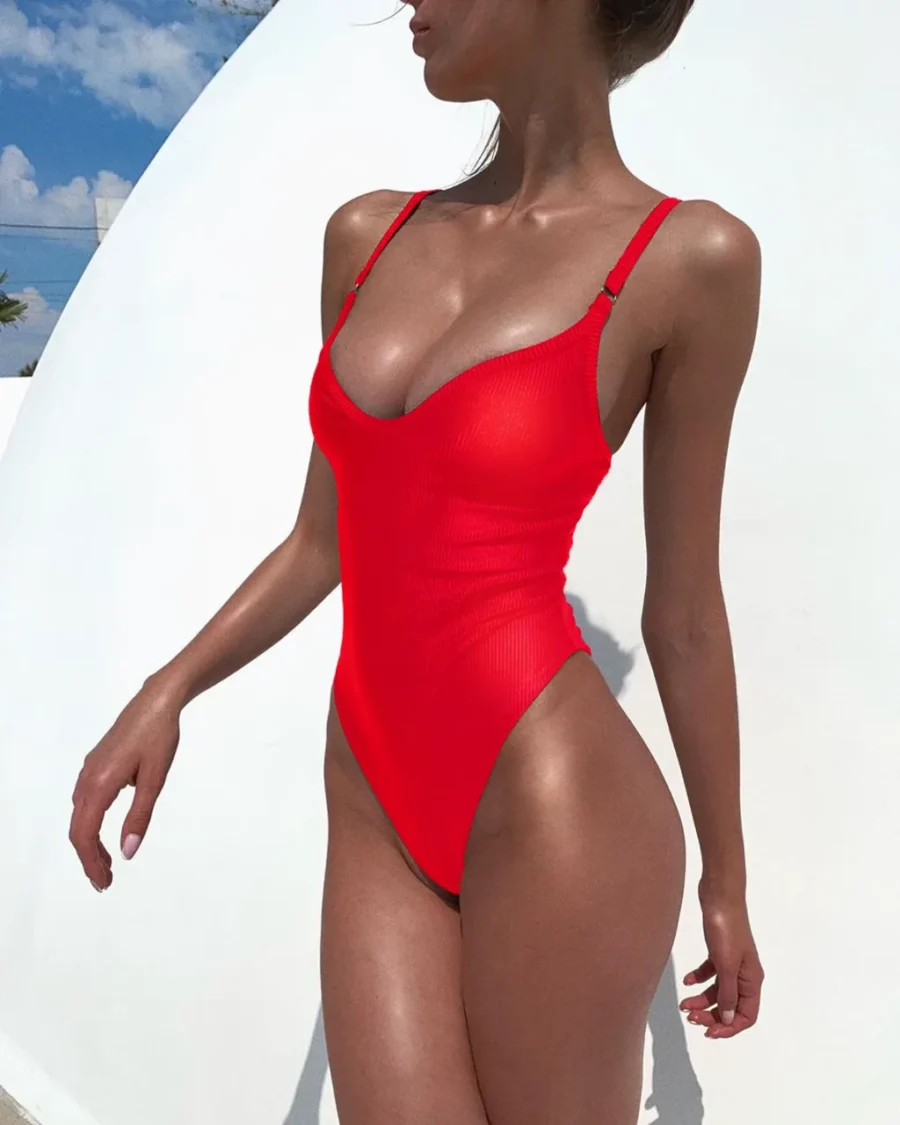
Private label swimwear sourcing is not “activewear with extra steps.” It uses different fabric families (chlorine-resistant vs all-purpose), different MOQ math (sublimation print requires 100m fabric per design), different sampling protocol (wet wear-test required, not optional), and different lining decisions that determine whether your product lasts 1 season or 3. Brands that treat swim as adjacent to activewear usually need an extra sampling round to fix what dry fitting missed.
Buyers sometimes assume swimwear development works like leggings or sports bras. It does not. Private label swimwear sourcing follows different fit logic, uses different fabrics, and creates different sampling challenges — even when the same factory makes both.
For activewear brands looking to add a swim line, here’s what changes once water gets involved.
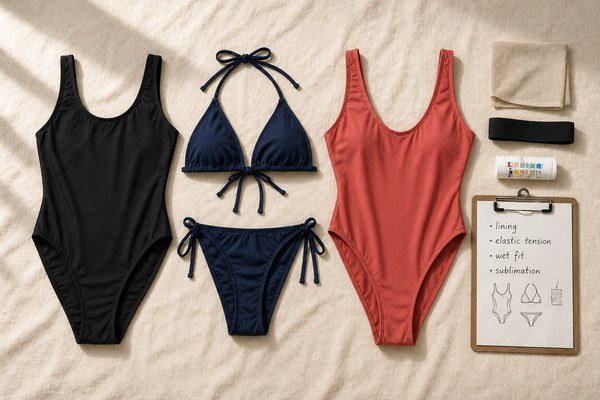
Swimwear needs a different fit mindset
Swimwear sits closer to the body, stretches under wet conditions, and depends heavily on lining, elastic tension and coverage balance. A pattern that looks fine in dry fitting may perform differently in water — fabrics relax when wet, elastic loosens, and coverage that seemed adequate on a dry mannequin can become marginal on a real body in motion.
This is why swimwear sampling usually requires more wear-test rounds than activewear sampling.
Fabric and lining choices matter more than expected
Swimwear is not just about the outer shell. The right lining, elasticity and recovery all affect whether the garment feels secure. Common swimwear fabrics include:
- Nylon-spandex (typically 80/20 or 82/18) — soft hand feel, premium look
- Poliéster-Spandex — more chlorine-resistant, better for pool/training swim
- Recycled options (ECONYL, REPREVE) — for sustainability-positioned brands
Print development can also change the process if sublimation is involved — sublimation works on polyester but not nylon, which affects fabric choice from day one.
The 3 swimwear fabric families compared
The fabric decision shapes everything downstream — print method, MOQ, lining options, retail positioning, and how long your customer’s garment lasts. The three main families:
| Propiedad | Nylon-spandex (80/20) | Polyester-spandex (82/18) | Recycled (ECONYL / REPREVE) |
|---|---|---|---|
| Fabric weight (GSM) | 180-220 | 190-240 | 180-220 (matches nylon spec) |
| Hand feel | Softest, most premium | Slightly drier, sportier | Same as nylon equivalent |
| Chlorine resistance (hours before fiber degradation) | ~100-150 hours | ~300-500 hours | ~100-150 hours |
| UV resistance | Moderate (UPF 30-40) | High (UPF 40-50+) | Moderate (UPF 30-40) |
| Sublimation print compatible? | No | Yes | Yes (poly-based) / No (nylon-based) |
| Ideal para | Beach / fashion swim, premium positioning | Training / pool swim, performance | Sustainability-positioned brands |
| Per-meter cost (China FOB, indicative) | $5-8 | $4-7 | $8-14 (40-80% premium) |
| Per-piece cost impact on final bikini | Baseline | -5 to -10% | +15 to +25% |
| Recommended MOQ floor | 100 sets stock + logo | 100 sets stock + logo | 200-300 sets (fabric MOQ at mill) |
The single most common mistake new swim brands make: choosing nylon-spandex for chlorine-positioned products (lap swim, swim school, hotel pool). Nylon degrades in chlorine 3-5x faster than polyester. Within 50-80 pool sessions, nylon swimwear loses recovery and stretches out permanently. If your brand markets to swimmers, polyester-spandex is the technically correct call — even though nylon “feels” more premium in the dry sample.
Sampling usually needs more attention to fit details
With swimwear, small changes in cup shape, leg opening or coverage can completely change the product. A 1cm difference in side height on a bikini bottom can shift the style from “cheeky” to “full coverage.” That is why buyers should expect more careful fit review and clearer comments during sample rounds.
Wet wear-testing is also more important. We recommend buyers actually wear-test swim samples in water before approving for bulk — many issues only show up when the fabric is saturated.
The wet wear-test protocol (4 steps before bulk approval)
Most swimwear quality complaints from end consumers trace back to issues that would have been visible in a proper wet test — and invisible in dry inspection. Run these four steps on every sample before bulk approval:
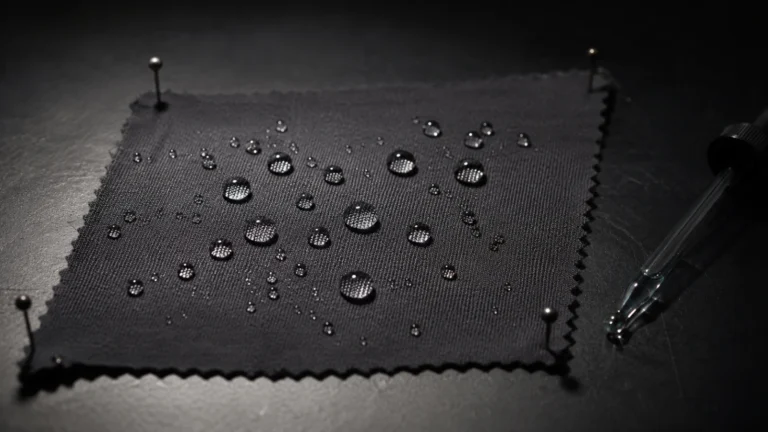
- 30-second submerge test. Submerge the sample in cold water for 30 seconds, lift, hang for 60 seconds. Photograph water shedding. Fabric should not pool water or show visible saturation lines. Lining should not telegraph through the outer shell. Elastic edges should not balloon or wave.
- Stretch-while-wet recovery test. Wet sample, stretch by 30% across the chest band (bikini top) or waistband (bottom), hold for 10 seconds, release. Measure how long the fabric takes to return to resting size. Premium swimwear recovers within 5-8 seconds. Lower-grade fabric stays distorted for 20-40 seconds — which on a body means baggy fabric after every plunge.
- Movement test in water. Have a real fit model wear the sample in a pool or bathtub. Walk, swim, jump, sit. Watch for: cup shifting on the bikini top, side ride-up on the bottom, lining bunching, strap slipping. Issues that don’t appear in dry fitting routinely show up here.
- Dry-down and re-wear cycle. Air-dry the sample (do not machine dry), then wear again 24 hours later. Check: shape retention, color brightness, elastic recovery, any pilling. This simulates 1 customer wear cycle. Repeat 5-10 times for a real product-life estimate.
This 4-step protocol takes 2-3 hours of buyer time and catches roughly 80% of issues that would otherwise surface as customer returns. Skipping it is the single most common reason first-time swim launches need a costly bulk callback.
Lining choices: what actually changes product life
Swimwear lining is the part most buyers don’t pay enough attention to — and the part that often determines whether your product lasts 1 season or 3. Three main lining options exist:
- Single-layer lining (most common): A second layer of swim fabric covering high-modesty areas (front of bottom, inside of bikini top). Cost: minimal. Opacity: medium. Recommended for fashion swim with limited swim usage.
- Power mesh lining (mid-tier): A structured mesh layer that adds shaping and modesty without doubling fabric weight. Used on premium DTC swim brands. Cost: +$0.50-1 per piece. Opacity: high. Recommended for confidence-positioned product.
- Bonded lining (high-end): Lining bonded to the outer fabric using adhesive instead of stitched. No seams visible from outside, smoother finish, no lining edges to roll. Cost: +$1.50-3 per piece, plus specialized bonding equipment requirement. Recommended for luxury positioning.
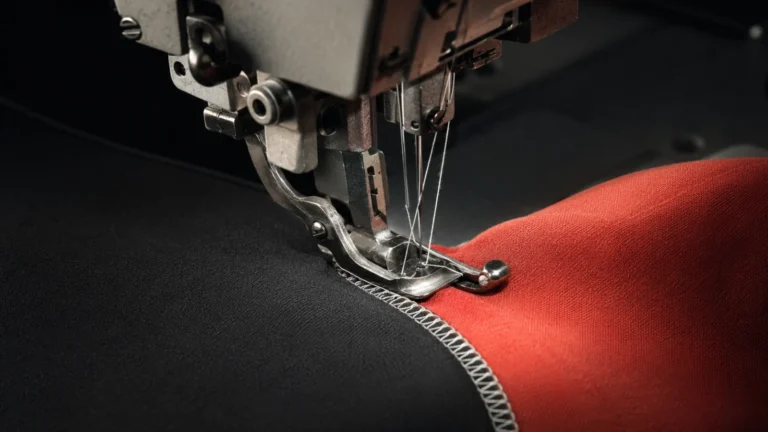
The lining decision also affects how the garment shrinks after washing. Stitched single-layer lining can shrink 2-3% in the first 5 washes while the outer shell stays stable — which causes visible puckering. Power mesh shrinks proportionally with the outer fabric. Bonded lining doesn’t shrink independently at all. For brands targeting customers who actually swim (not just photograph in swimwear), bonded or power mesh is usually the right answer despite the cost premium.
Sublimation print: a different production flow
Sublimation printing is the most popular method for custom swimwear prints. Unlike screen printing, sublimation prints on the fabric before it’s cut and sewn — which means custom prints add a separate step and require their own MOQ (typically 100m of fabric per print design). For all-over patterns, sublimation gives the best result; for small logos, Transfer térmico or embroidery is usually faster and cheaper.
The 100m fabric MOQ on sublimation print works out to roughly 100-150 finished bikini sets per design (depending on size mix). If you want to launch 5 prints, you commit to 500-750 sets total. This is why most emerging swim brands launch with 1-2 prints first, then expand once they know which print sells.
MOQ and lead time differences
Swimwear MOQ is often higher than basic activewear because of the lining work and fabric sourcing complexity. At YOUMEGA, swimwear typically starts at 100 sets for stock styles with Logo personalizado, and 300 pcs per style for full custom with sublimation print. Lead time runs 35–55 days for bulk, depending on print complexity.
Swimwear vs activewear: 10 sourcing differences side-by-side
| Dimension | Ropa deportiva | Trajes de baño |
|---|---|---|
| Typical fabric weight (GSM) | 220-280 | 180-240 |
| Spandex content | 15-25% | 15-22% |
| Sample iteration rounds (typical) | 1-2 | 2-3 (wet test mandatory) |
| Lining importance | Optional, partial | Critical, often full coverage |
| Print method default | Heat transfer or screen | Sublimation (poly-based) |
| Print MOQ (per design) | 100-200 pcs | 100m fabric (~100-150 sets) |
| Plazo de producción | 20-35 days | 35-55 days |
| Pre-shipment defect rate (typical) | 1-2% on AQL 2.5 | 2-3% on AQL 2.5 (lining alignment adds variation) |
| Seasonal sell-through window | Year-round | 3-5 months (regional) |
| Return rate (customer) | 5-10% typical | 15-25% typical (fit-sensitive) |
The higher customer return rate on swimwear is the operational reality most brands underestimate. It’s not because the product is worse — it’s because swim fit is more body-specific than activewear fit. Plan for it in your inventory and pricing.
Final thought
Swimwear can be a strong adjacent category for activewear brands, but it should not be approached casually. It needs its own fit logic, fabric logic and commercial plan. Brands that treat swim as “just another stretch garment” usually need an extra sampling round to fix what dry fitting missed. Plan for it from the start.
Want our team to review your project?
Send us your reference image, target quantity and timeline. We reply within 24 hours on weekdays — in English, Spanish or Chinese — with fabric options, MOQ, sample lead time and a transparent price breakdown. MOQ desde 100 sets, mixed colors and sizes allowed.
Frequently asked questions
Can YOUMEGA produce both activewear and swimwear?
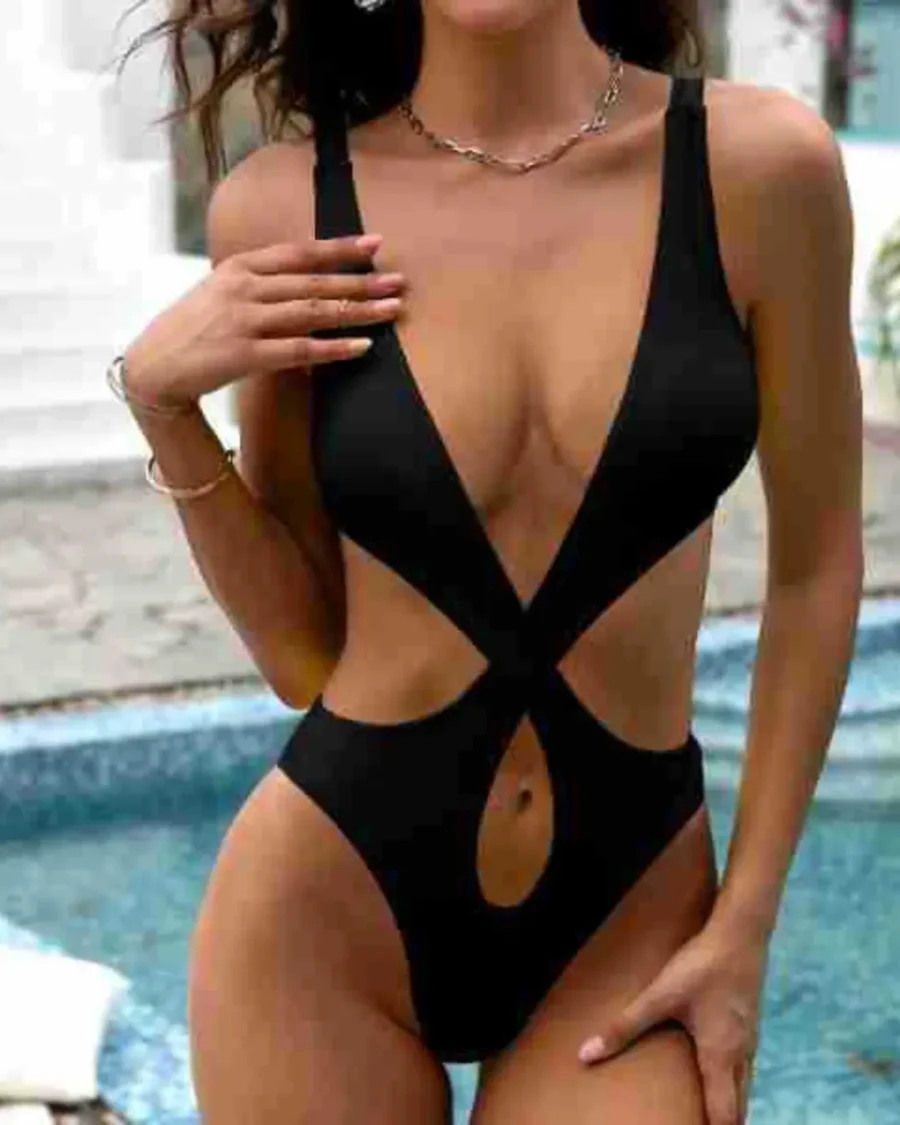
Yes. We produce both in-house, including one-piece swimsuits, bikinis, and sublimation-printed swimwear. Swimwear is treated as a separate development track because of its different fit and fabric requirements.
What’s the MOQ for custom private label swimwear?
Stock swim styles with custom logo start at 100 sets. Full custom OEM swimwear with sublimation print typically requires 300 pcs per style. Custom Pantone color matching follows the same 300-500 pcs per style per color rule as activewear.
Is sublimation print included in the swimwear quote?
Sublimation print is quoted as a separate line item because it depends on print complexity, fabric quantity and design uniqueness. Send us your print artwork and we’ll include it in the full quote.
How long does swimwear bulk production take?
Typically 35–55 days for bulk, including fabric preparation, sublimation printing (if used), cutting, sewing, lining work, and QC. Plan for slightly longer lead times than activewear, especially for printed designs.
Can I order activewear and swimwear in the same shipment?
Yes. Many of our brand clients order activewear and swimwear together, with consolidated packing, customs and shipping. This usually saves on freight cost and simplifies receiving on your end.
Which fabric should I choose if my brand is for actual swimmers, not just beachwear?
Polyester-spandex (typically 82/18 or 80/20). It resists chlorine 3-5x longer than nylon — roughly 300-500 hours of pool exposure before fiber degradation versus 100-150 hours for nylon. Polyester also has higher UV resistance (UPF 40-50+) and dries faster. The trade-off is a slightly drier, less luxurious hand feel. For lap-swim, training, swim-school, and hotel-pool markets, polyester is the technically correct call. For fashion swim and beach-positioned brands, nylon-spandex remains preferable because the premium hand feel justifies the shorter useful life.
What lining type should I choose for my private label swim line?
Depends on positioning. Single-layer lining is fine for fashion swim with limited swim usage and entry retail price points. Power mesh adds $0.50-1 per piece and significantly improves modesty, shaping, and shrinkage consistency — recommended for mid-tier DTC. Bonded lining adds $1.50-3 per piece and is the right call for luxury positioning where smooth seam appearance matters. For brands targeting customers who swim regularly, power mesh or bonded is usually worth the cost premium because shrinkage drift on stitched single-layer lining is one of the top customer complaints in the first 5 washes.