The production run was ready for verification. The logo application was not.
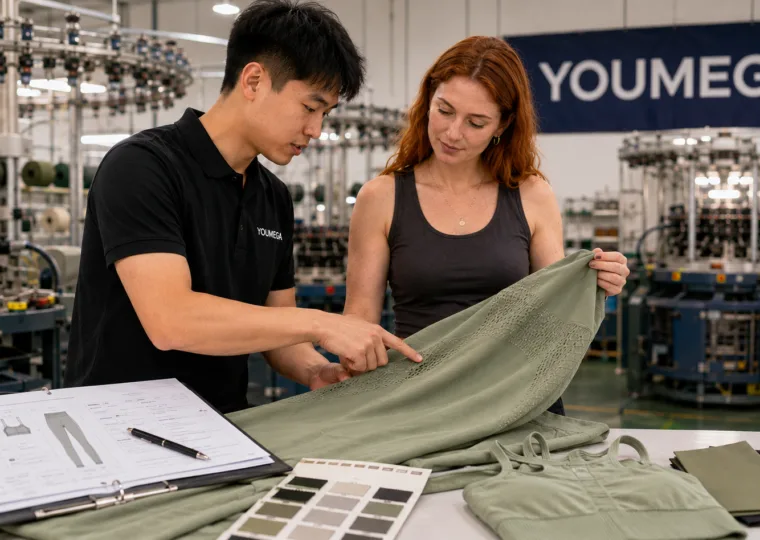
WISKII (London, United Kingdom) placed a focused production order for seamless leggings and sports bras. Development went cleanly: the fabric was approved on the second sample and the fit was signed off after one round of measurement adjustments.
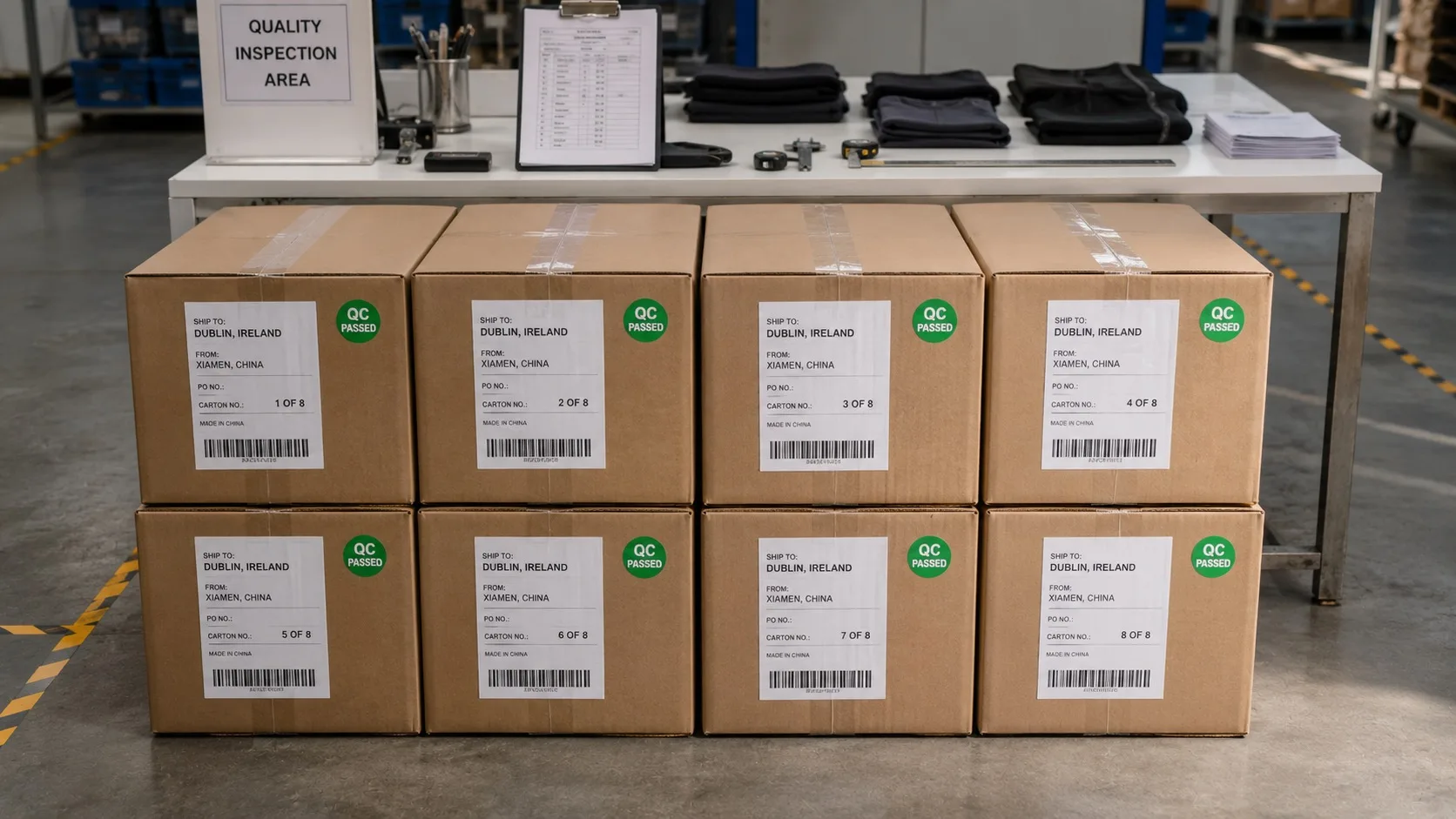
During pre-shipment verification, our team found that the heat-transfer logo application did not meet the approved durability standard. It was a first-order issue we caught and remade before it shipped. The garments themselves — the seamless construction, fabric and fit — met the approved specification, but the logo application required correction before release.
We stopped the shipment, isolated the affected run and informed WISKII of the issue and our corrective plan. No affected garment was released to the market.
We verified the cause. Then changed the process.
Within 48 hours, our production and QC leads traced the issue to the adhesive cure of a heat-transfer film batch. The fabric, stitching and construction remained intact; the failure was isolated to the logo application.
We replaced the logo supplier, qualified the replacement material with controlled tests and added an incoming durability check for logo trims. The issue sat within our supply chain, so the corrective work and cost were our responsibility.
Roughly $50,000 in goods. Re-made at our cost before shipment.
We re-manufactured the affected run with the approved material and replacement logo process, then repeated the pre-shipment checks before release. The total value of goods was approximately $50,000 USD, and YOUMEGA absorbed the corrective cost.
The remade shipment passed verification and shipped to the United Kingdom within the agreed recovery plan. The same corrected logo process has been used for subsequent seasons.
That decision protected the product, the launch and the partnership. It was not a customer-facing defect or a post-delivery claim; it was a production issue caught and resolved before shipment.
Responsibility starts before goods leave the factory. Not after a buyer discovers the problem.
This case is published because supplier responsibility is best measured by what happens when a production issue appears. The important outcome was not a perfect first pass. It was stopping release, identifying the cause, remaking the affected goods and verifying the correction before shipment.
WISKII became a multi-season partner after that first-order issue. The relationship continued because the corrective action was completed before the goods reached the market.
If you are evaluating an activewear manufacturer, ask how pre-shipment issues are isolated, documented and corrected before release. That answer says more about risk control than a generic defect-rate promise.
About this case: WISKII is a London-based activewear brand client of YOUMEGA. See more case studies at https://iyoumega.com/case-studies/