“No virgin polyester.” Three words that ruled out most factories within minutes.
REA launched from Sydney with a simple founding principle: every garment they produced would be made from recycled or naturally-sourced fibers, certified by a recognized standard. No exceptions. No “we’re working toward it.” No virgin polyester, period. For a yoga brand entering a category dominated by polyester-spandex blends, this rule was not a marketing position — it was a sourcing constraint that immediately filtered out the majority of factories the founders had spoken to. Several manufacturers offered to label generic polyester as “recycled” without certification documentation. Others quoted GRS-certified fabric but could not produce the test reports when asked. A few simply did not return the email after they understood what was being requested.
By the time REA reached us, the founders had developed a sharp ear for the difference between a factory that genuinely sources certified sustainable fabrics and a factory that knows the language well enough to sell to a brand that cares. Their question to us was not whether we could do recycled nylon. It was whether we could produce three options inside a week, with proper GRS Transaction Certificates, at the specific 240 GSM weight they were targeting for seamless ribbed leggings.
Three GRS-certified blends. One week. Test reports in the box.
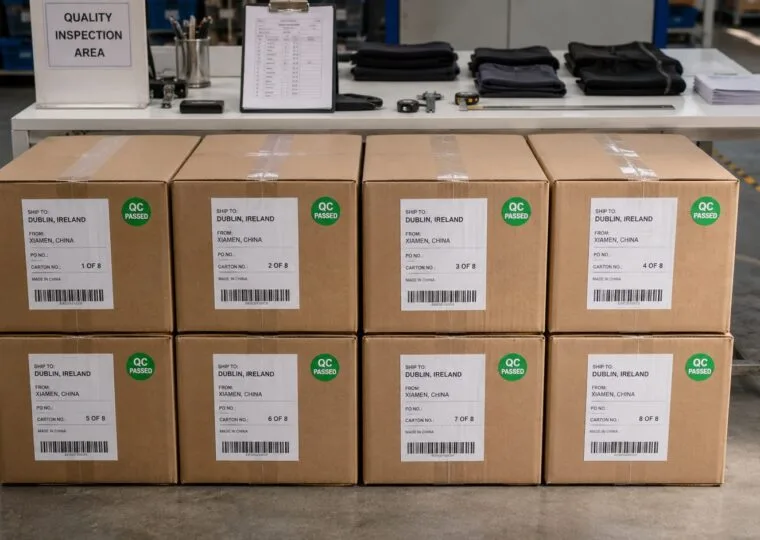
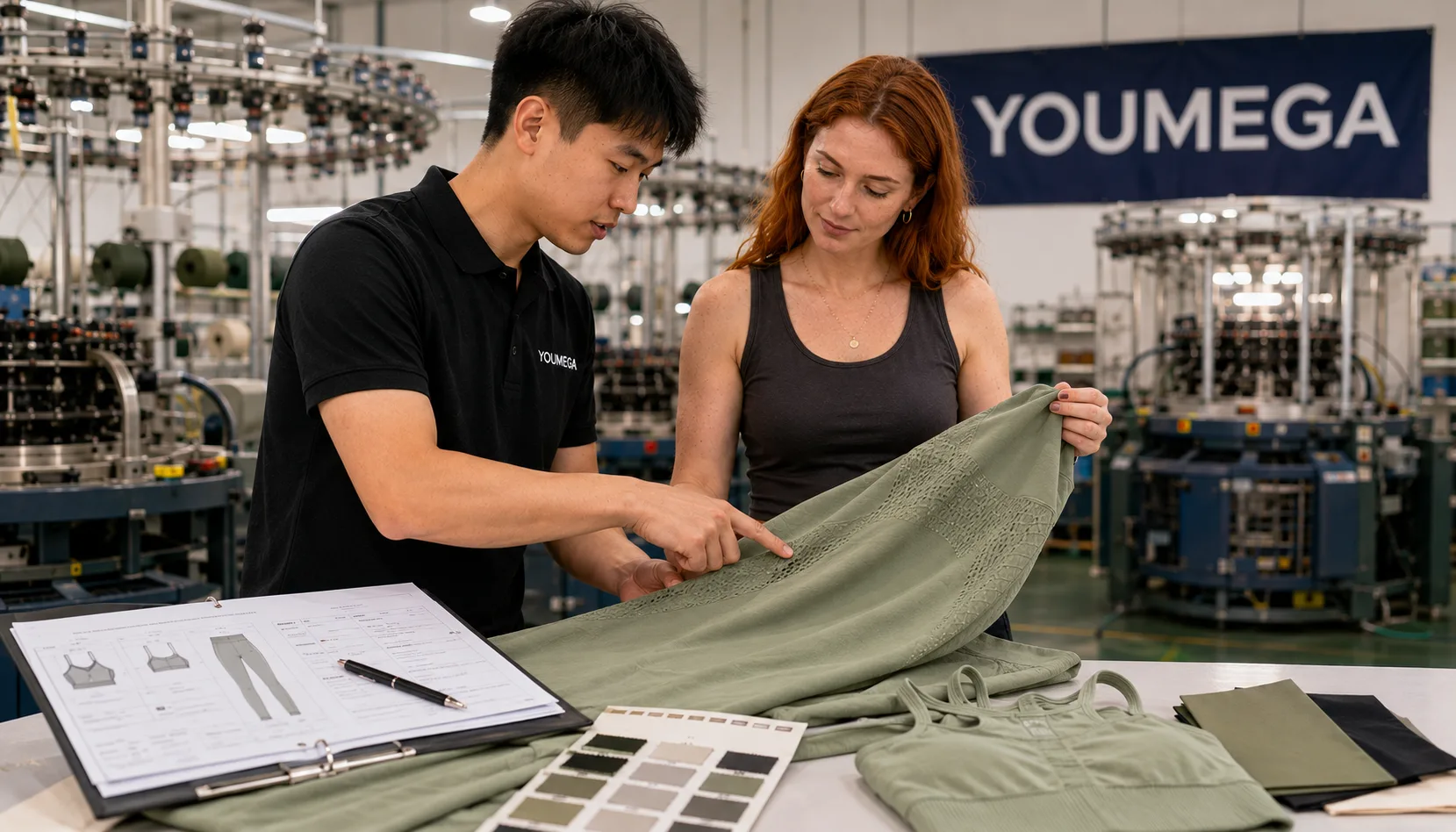
Within five working days we shipped REA three GRS-certified recycled nylon-spandex sample yardages — all at 240 GSM, all from mills with current GRS scope certificates we could verify directly with the certifying body. Each fabric was sent with its own Transaction Certificate covering the specific yardage and lot. The founders had asked for paper, and we shipped paper alongside the fabric. This is a smaller detail than it sounds; the majority of “recycled” claims in the activewear supply chain cannot survive a request for a Transaction Certificate that matches the actual fabric in the customer’s hands. Ours did.
From the three options, REA chose a 78/22 recycled nylon-spandex blend with a slightly tighter knit construction. The seamless ribbed leggings cut from this fabric came back from sampling softer than two competitor samples the founders had retained from previous factory evaluations — both of which had been produced at higher MOQs and longer lead times. The sample decision was made on the second round; the production order followed the next month.
The fabric story stays consistent because the fabric stays consistent.
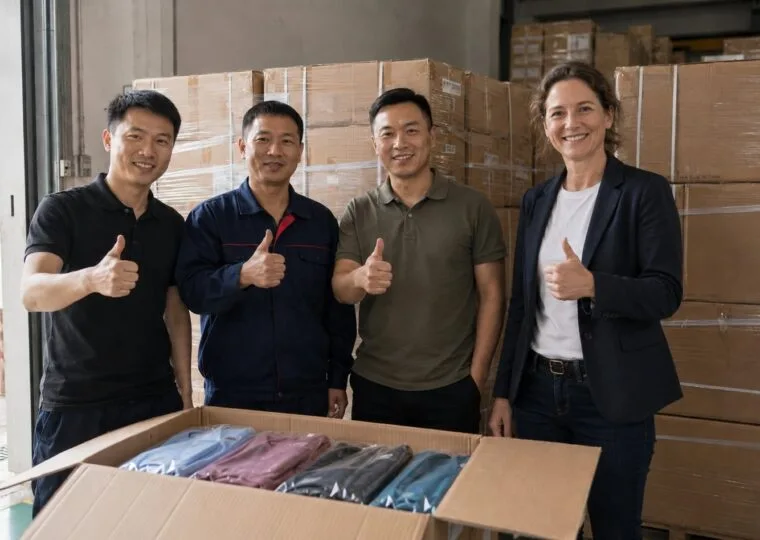
Twelve months into the partnership, REA has placed four repeat orders with us across an expanding range of styles. The recycled nylon-spandex blend chosen at the start has remained the brand’s core fabric, with GRS Transaction Certificates issued for every production lot. The brand’s website can make the sustainability claims it does because the documentation behind those claims exists and is renewed with every shipment. This is the unglamorous infrastructure of an honest sustainable activewear brand: certificates that match invoices, lot numbers that match shipments, and a factory partner that produces the paperwork without being chased.
For REA, the choice of fabric partner was the choice of brand. A different factory might have shipped a similar-looking garment at a lower price. None of the alternatives could have shipped it with the paper trail the brand needed to defend its founding principle.
If a sustainability claim cannot be documented, it is a marketing claim, not a fabric claim.
The activewear industry has a documented problem with sustainability claims that cannot be substantiated when traced back through the supply chain. For a founder building a brand on environmental credibility, the difference between a factory that ships GRS-certified fabric with proper Transaction Certificates and a factory that ships generic fabric with verbal assurance is the difference between a brand that can survive scrutiny and one that cannot.
If you are launching a sustainable activewear brand and you are talking to Chinese manufacturers, the only question that matters is whether they can hand you Transaction Certificates that match the specific yardage in your shipment. Ask. Most cannot. The ones that can are the ones worth building a brand around. REA built their brand around that test.